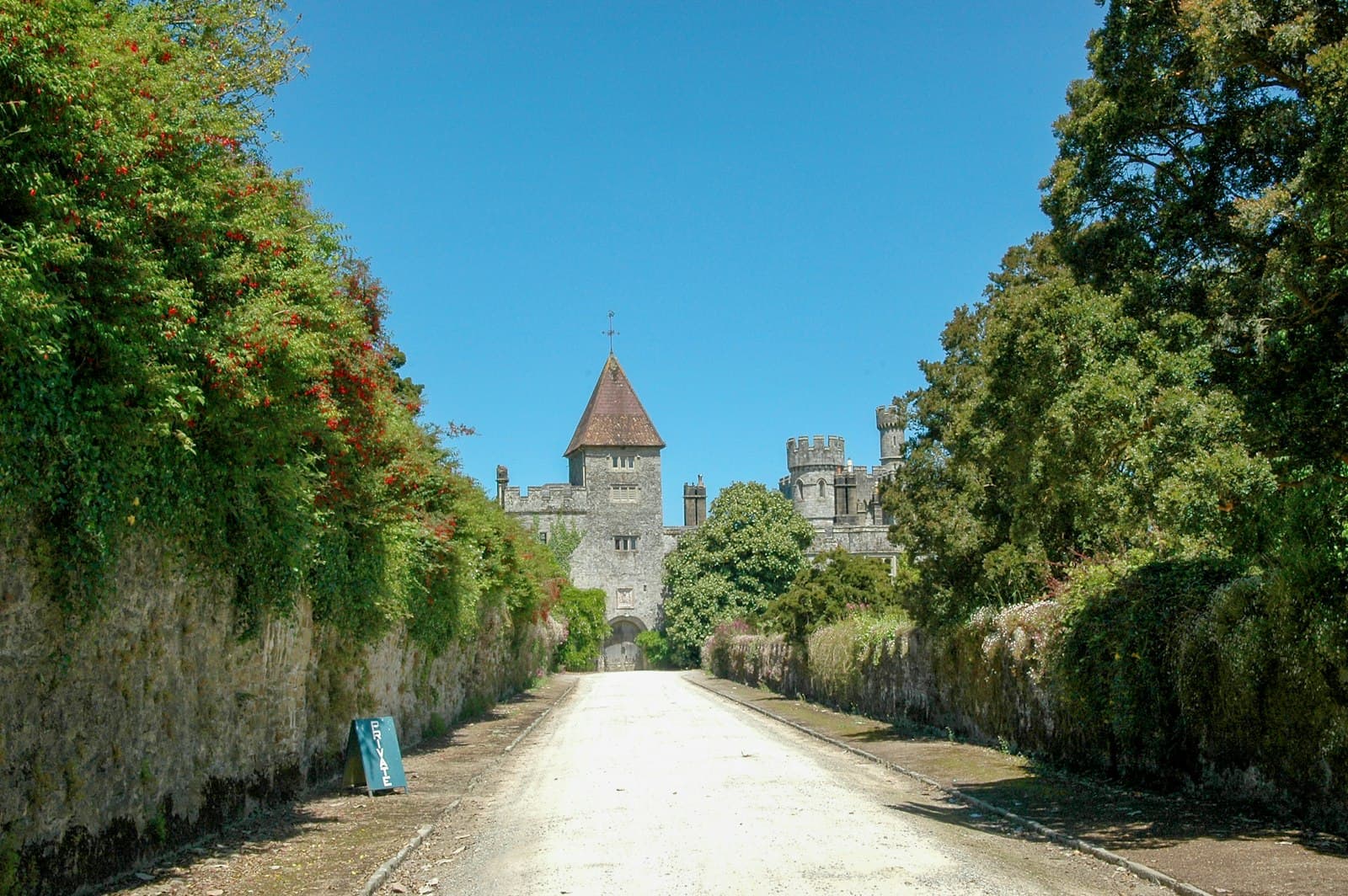
This enduring tower has witnessed centuries of shifting power, yet one specific royal departure from its walls marked a surprisingly swift end to a king's rule.
Waterford
“Where ancient sagas meet the clear brilliance of artistry.”
Waterford, as no one tells it.
Not the postcards. The stories even locals don't know — whispered in your ear, right where they happened.
Among the medieval treasures, a seemingly ordinary piece of clothing holds a singular distinction across all of Ireland.
Beyond its elegant Georgian facade, this historic residence holds accounts that are far from prim and proper.
Discover every secret of Waterford
Every address, every reveal in full — in your ear, right where it happened.
You pick your stops. You walk. The voice reveals what the others miss.
How long do you have in Waterford?
No tours available yet. Check back soon — we're preparing them.
The story of Waterford
Waterford, Ireland's most ancient city, invites you to step into a narrative woven with Viking sagas, Norman conquests, and the sparkle of world-renowned crystal. Established by Vikings in 914 AD, the city's strategic position on the River Suir made it a pivotal trading port and a sought-after prize throughout history. Today, its compact and walkable city center, known as the Viking Triangle, offers a tangible journey through over 1,000 years of heritage, where ancient architecture stands alongside contemporary culture.
Beyond its historical core, Waterford extends into a county of diverse landscapes, from the dramatic Comeragh Mountains to the tranquil woodland walks and the scenic Copper Coast. Whether you are tracing the footsteps of ancient kings, marveling at intricate crystal artistry, or cycling along a picturesque greenway, Waterford offers a distinctive Irish experience that blends a profound past with natural beauty.
## From Viking Stronghold to Royal City Waterford's origins trace back to the 9th century, when Vikings established a settlement, possibly as early as 853 AD, making it Ireland's most ancient city. The name 'Waterford' itself is derived from the Old Norse 'Vadrarfjordr,' which some believe means 'fjord of the rams' due to sheep exports, while others suggest it means 'windy fjord,' referencing the harbor's shelter from the Irish Sea. This Viking longphort, or ship haven, grew into a significant trading post.
The city's fate shifted dramatically with the arrival of the Anglo-Normans. In 1170, Richard de Clare, also known as Strongbow, captured Waterford, a pivotal moment that marked the introduction of the Anglo-Normans into Ireland. The following year, King Henry II of England landed in Waterford, asserting English control and declaring Waterford and Dublin as royal cities. Throughout the medieval period, Waterford prospered as Ireland's second most important city after Dublin.
Waterford's resilience was tested through centuries of conflict. It was a center of support for the Confederate Catholics during the Irish Rebellion of 1641 and famously resisted Oliver Cromwell's forces in 1649, earning the city its motto, Urbs Intacta Manet – 'Waterford remains the unconquered city.' The city eventually surrendered to Cromwell's son-in-law, Henry Ireton, in 1650. The 17th and 18th centuries ushered in a new era of industrial and architectural growth, significantly shaped by figures like architect John Roberts and the developing glassmaking industry that would eventually become world-renowned Waterford Crystal.
The heart of Waterford's historical narrative unfolds within the Viking Triangle, a compact area easily explored on foot. Begin at Reginald's Tower, Ireland's oldest civic building, which now houses an exhibition on Viking Waterford, including artifacts like a Viking warrior's sword and the Waterford Kite Brooch. Nearby, the Medieval Museum, Ireland's only purpose-built medieval museum, incorporates the 13th-century Choristers' Hall and the 15th-century Mayor's Wine Vault, displaying treasures like the cloth-of-gold 15th-century vestments. The Bishop's Palace, a beautifully restored 18th-century Georgian residence, offers a glimpse into Georgian and Victorian Waterford, featuring the oldest surviving piece of Waterford Glass, the Penrose decanter.
A visit to Waterford is incomplete without experiencing the House of Waterford Crystal. Here, you can take a factory tour to observe master blowers, cutters, sculptors, and engravers transform molten crystal into exquisite pieces. Beyond the city, the Waterford Greenway, a 46km off-road cycling and walking trail along a former railway line, offers scenic views of the River Suir, viaducts, a 400-meter tunnel, and the Copper Coast. For nature enthusiasts, Mount Congreve Gardens cultivates 70 acres of intensively planted woodland and a four-acre walled garden.
Waterford experiences a mild maritime climate, making it accessible year-round, though packing layers and rain gear is always advisable. The best time for warm-weather activities is from late June to early September, with July being the warmest month, averaging around 15-16°C (59-61°F). This summer period also sees various festivals, like Spraoi in August, and the Apple Market hosting live music. Spring (March-May) and Autumn (September-October) offer milder temperatures and fewer crowds, ideal for exploring the Greenway or gardens like Mount Congreve. Winter brings the festive Winterval, Ireland's largest Christmas festival, from mid-November to late December.
Waterford City is highly walkable, especially the Viking Triangle, where many key attractions are concentrated. For exploring beyond the city center, consider renting a car or utilizing local bus services. The Waterford Greenway offers bike rental options at various points if you plan to cycle its length. The 'Freedom of Waterford' ticket provides discounted access to four museums and Christ Church Cathedral, plus a guided walking tour of the Viking Triangle. The House of Waterford Crystal offers pre-booked and flexible tour tickets, and also features a cafe for refreshments and afternoon tea. Many hotels offer good deals during the off-peak winter season, though some may close. Be prepared for changeable weather regardless of the season; comfortable, waterproof footwear and layers are recommended.
- What is the Viking Triangle?
- The Viking Triangle is Waterford City's cultural and heritage quarter, named for the 1,000-year-old Viking walls that once enclosed it. It contains many of the city's main historical attractions, including Reginald's Tower, the Medieval Museum, and the Bishop's Palace.
- Can I tour the Waterford Crystal factory?
- Yes, the House of Waterford Crystal offers guided factory tours where you can observe master craftspeople at various stages of crystal production, from mold making and glass blowing to cutting, sculpting, and engraving.
- How long is the Waterford Greenway?
- The Waterford Greenway is a 46-kilometer (28.5-mile) off-road cycling and walking trail that stretches from Waterford City to Dungarvan.
- What is the best way to get around Waterford?
- Waterford City is very walkable, particularly within the historic Viking Triangle. For longer distances or exploring the county, a car is recommended, or you can utilize local bus services.
- Is Waterford a good destination for families?
- Yes, Waterford offers a range of family-friendly activities, including the interactive Viking Triangle walking tours, the Waterford Greenway for cycling, and attractions like the King of the Vikings virtual reality experience.
- What is the 'Urbs Intacta Manet' motto about?
- This Latin motto, meaning 'Waterford remains the unconquered city,' was earned in 1495 when the city's cannons successfully deterred the forces of Perkin Warbeck, a pretender to the English throne, during an 11-day siege.