Wayanad, IndiaKarkiabhijeet / CC BY-SA 4.0, via Wikimedia Commons
IN

Wayanad

Where emerald hills murmur ancient stories and spices perfume the air.

The secrets of Wayanad

Wayanad, as no one tells it.

Not the postcards. The stories even locals don't know — whispered in your ear, right where they happened.

3 secrets below. Many more wait inside the tour.
Sulthan Bathery Jain Temple

This 13th-century Jain temple bears a name that belies its origins, hinting at a surprising military past.

Full story unlocks in the tour
Pazhassi Raja's Tomb, Mananthavady

The resting place of a local king, often called the 'Lion of Kerala', tells a story of resistance long before India's major independence movement.

Full story unlocks in the tour
Varambetta Mosque, near Kalpetta

An unassuming mosque near Kalpetta reveals a forgotten chapter of Wayanad's global connections.

Full story unlocks in the tour
The full tour

Discover every secret of Wayanad

Every address, every reveal in full — in your ear, right where it happened.

Get the key to Wayanad

You pick your stops. You walk. The voice reveals what the others miss.

Choose your time

How long do you have in Wayanad?

No tours available yet. Check back soon — we're preparing them.

About Wayanad

The story of Wayanad

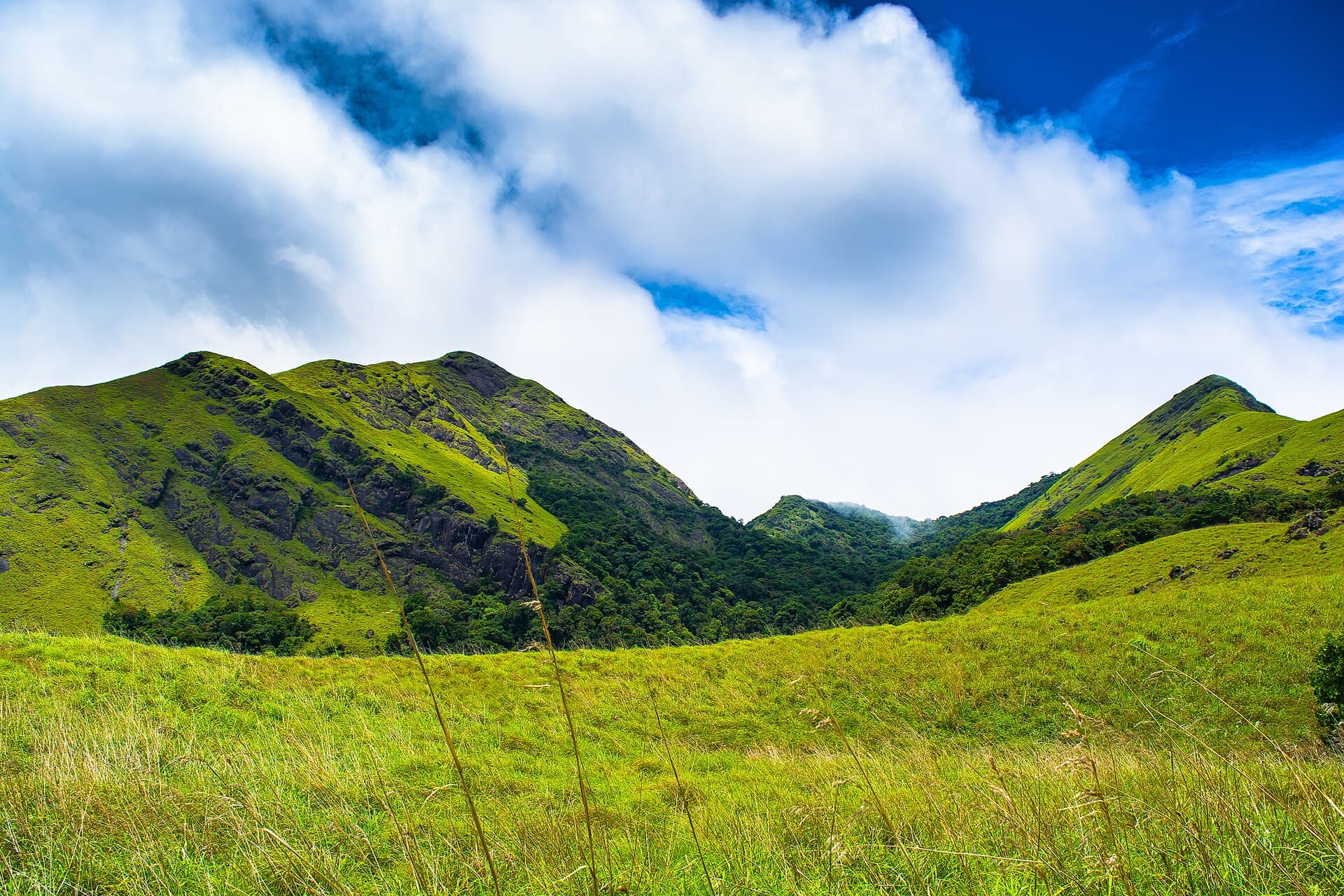
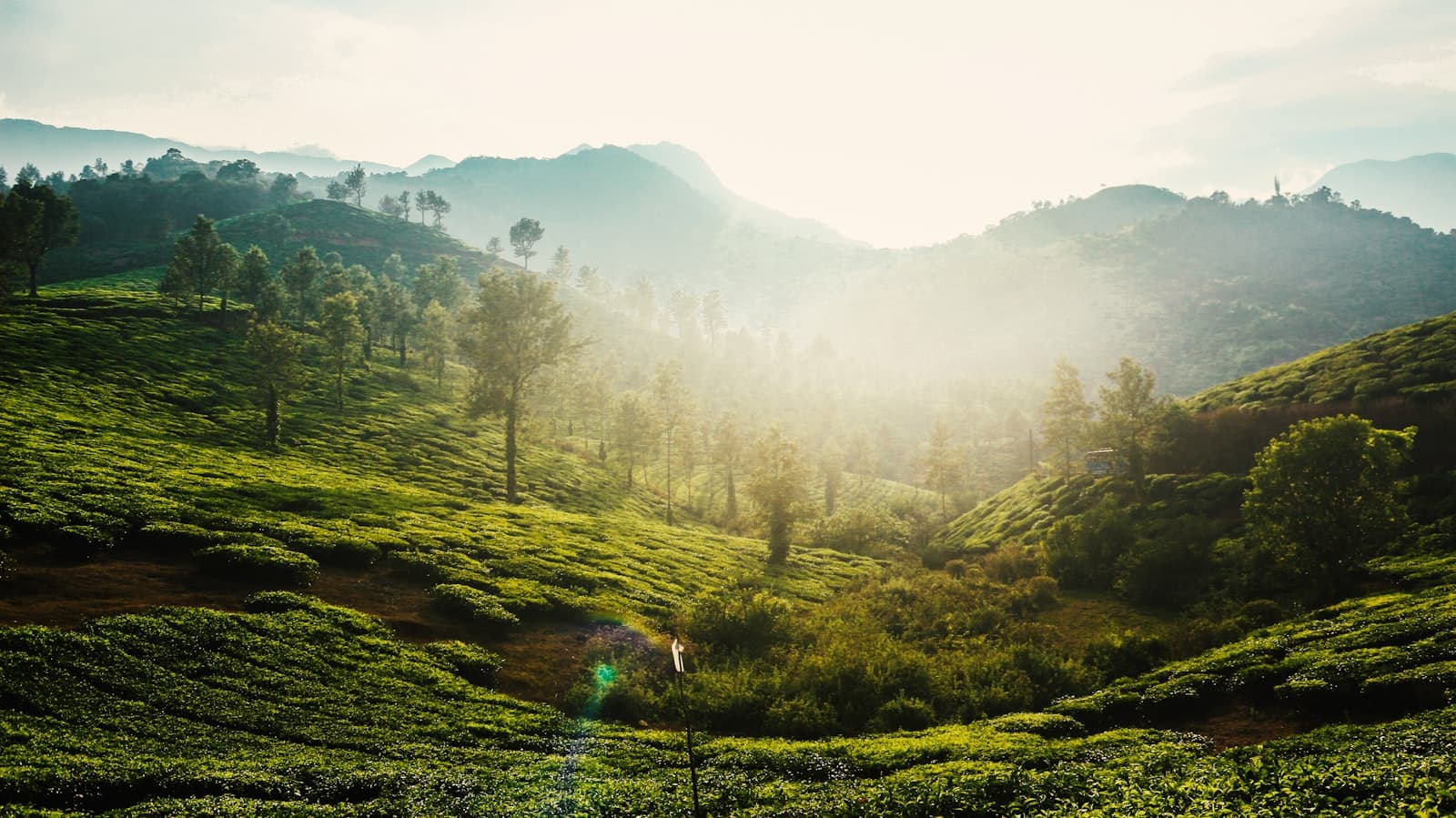
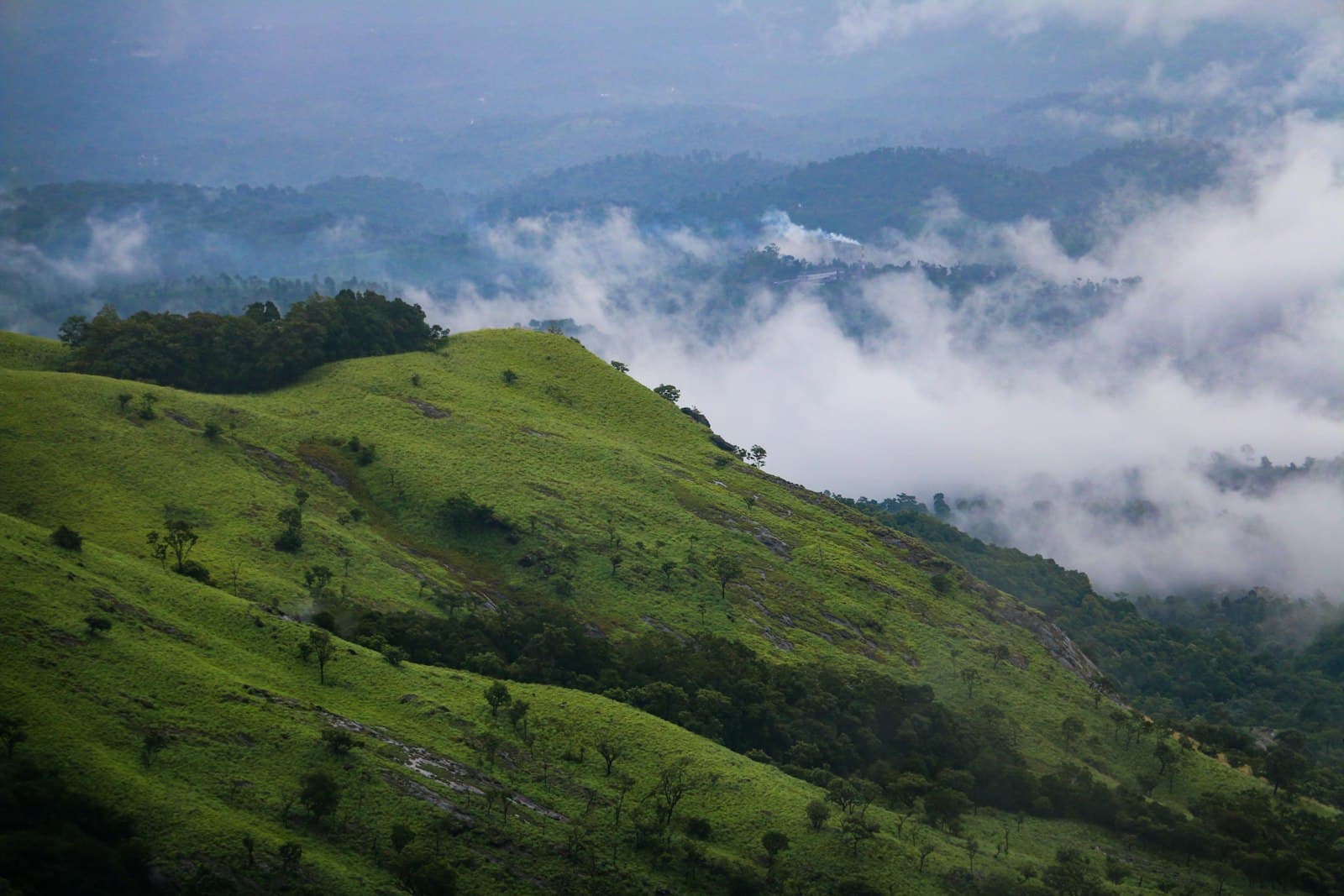
Wayanad, a verdant district in Kerala, unfurls across the high reaches of the Western Ghats, forming a natural border to the greener part of the state. This elevated plateau, a continuation of the Mysore Plateau, is characterized by its dramatic terrain: lofty ridges, rugged landscapes, and deep valleys interspersed with thick forests and tangled jungles. Known as the 'Land of Paddy Fields' (Vayal Nadu), Wayanad lives up to its name with expansive green rice fields that stretch across the horizon.

The region offers a unique blend of natural beauty, ancient narratives, and engaging culture. From mist-capped mountains and shimmering lakes to forested trekking trails and tumbling waterfalls, Wayanad captivates with its serene atmosphere and diverse ecosystems. It is a place where the air is often scented with spices, and the melodious chirping of birds provides a constant soundtrack to the lush surroundings. Wayanad is not merely a destination; it is an experience that invites visitors to slow down and connect with the natural world.

History

Tracing Wayanad's Ancient Footprints

Wayanad's story stretches back millennia, with evidence suggesting organized human life existed here at least ten centuries before Christ. The Edakkal Caves, a significant archaeological site, bear prehistoric rock carvings dating back to the Neolithic age, offering a glimpse into the lives of early human settlers. These intricate petroglyphs, some believed to be over 6,000 years old, are among the few places in India showcasing such ancient art.

From the 3rd century BCE to the 12th century CE, Wayanad was largely under the influence of the powerful Chera dynasty. Its strategic location between the Mysore plateau and the Malabar coast made it a crucial link in the ancient spice trade routes. Later, the region saw the rule of the Ganga kingdom, which referred to Wayanad as Bayalnad, and then the mighty Vijayanagara Empire by the 14th century, which sought to control the Western Ghats passes and secure trade routes. Wayanad also shared historical ties with the Kottayam Rajas of North Malabar, who had a strong bond with local tribes like the Kurichiya, known for their warrior skills.

The 18th century marked a period of significant conflict. Hyder Ali of Mysore invaded Wayanad, bringing it under his control. Later, under Tipu Sultan, Wayanad was briefly restored to the Kottayam royal dynasty before Tipu ceded the entire Malabar region, including Wayanad, to the British after the Sreerangapattanam truce. This led to fierce encounters between the British and Kerala Varma Pazhassi Raja, who engaged in a prolonged guerrilla war until his death in 1805. Following this, Wayanad fell into British hands, leading to the development of tea and cash crop plantations and the construction of roads across the challenging slopes.

Post-independence, Wayanad was initially part of the larger Malabar district and later Kerala after the reorganization of states in 1956. The district of Wayanad was officially formed on November 1, 1980, becoming the 12th district of Kerala, carved out from areas of Kozhikode and Kannur districts. Today, Wayanad continues to evolve, known as a major tourism destination, an important agricultural area for crops like pepper and coffee, and a region still navigating debates around land rights and tribal welfare.

What to see

Wayanad offers a variety of sights, from ancient caves to tranquil lakes and tumbling waterfalls. The Edakkal Caves are a significant stop, housing prehistoric rock carvings that provide a fascinating glimpse into ancient civilizations. For sweeping views, consider a trek to Chembra Peak, the highest point in Wayanad, where a heart-shaped lake awaits near the summit. The Banasura Sagar Dam, India's largest earthen dam, is a popular spot for its scenic beauty and offers activities like boating and zip-lining.

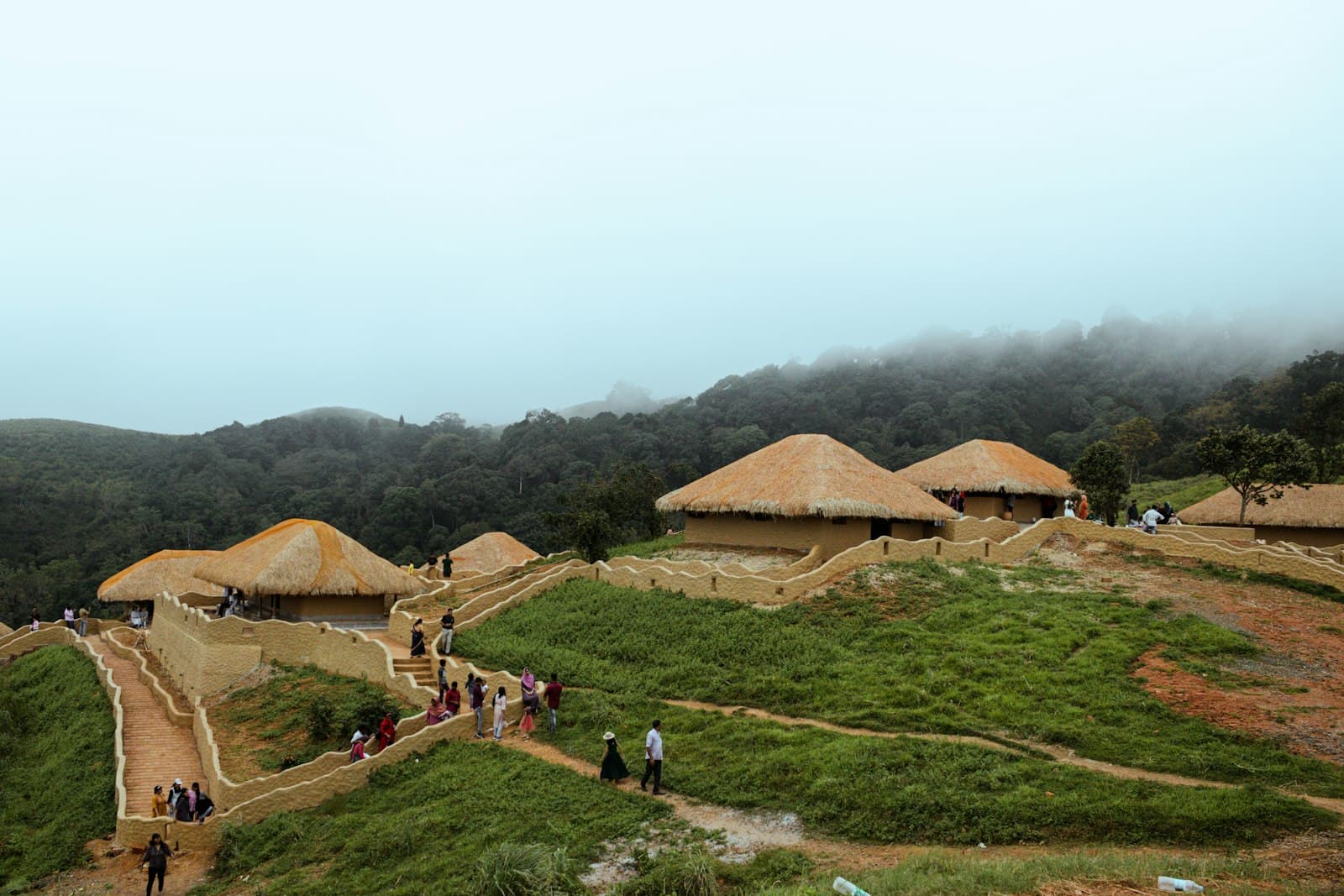
Nature enthusiasts will appreciate Pookode Lake, a freshwater lake surrounded by dense forests, where you can enjoy pedal boating. The Wayanad Wildlife Sanctuary (Muthanga and Tholpetty ranges) is a haven for wildlife, offering opportunities for jeep safaris to spot elephants, deer, and various bird species. Other notable waterfalls include Soochipara Falls and Meenmutty Falls, both offering refreshing experiences amidst natural settings. For a deeper understanding of the region's tribal heritage, the Wayanad Heritage Museum in Ambalavayal showcases artifacts and insights into local culture.

When to visit

The ideal time to visit Wayanad is generally from October to May. During these months, the weather is pleasant, cool, and dry, making it perfect for sightseeing, trekking, and outdoor activities. Temperatures during winter (October to February) can range from 10°C to 25°C, offering a crisp and chilly climate. The post-monsoon period, particularly October and November, presents Wayanad in its most vivid green, with waterfalls at their fullest. While the monsoon season (June to September) transforms Wayanad into an emerald paradise with abundant greenery and dramatic scenery, heavy rainfall can restrict some outdoor activities.

Practical

Wayanad is accessible by road from major cities like Bengaluru (around 280 km), Kozhikode (around 85 km), and Mysuru (around 130 km). The nearest airport is Calicut International Airport (Karipur), approximately 65-98 km away, while the closest railway station is Kozhikode. Public transport within Wayanad can be limited, so renting a car or bike is often recommended for exploring at your own pace. When packing, include comfortable walking shoes for treks, light cotton clothing for daytime, and a light jacket or sweater for cooler evenings. If visiting during monsoon, a raincoat or umbrella is essential. It's advisable to book accommodations in advance, especially during peak tourist seasons. Remember to carry insect repellent, sunscreen, and stay hydrated, particularly during outdoor activities.

Good to know
How many days are enough for a Wayanad trip?
A 2 to 3-day trip is generally ideal to cover the major attractions comfortably, though 3 to 4 nights are recommended for a more relaxed experience.
What is Wayanad known for?
Wayanad is renowned for its lush greenery, wildlife sanctuaries, tumbling waterfalls, spice and coffee plantations, and ancient caves.
What kind of activities can I do in Wayanad?
Wayanad offers a range of activities including trekking to Chembra Peak, bamboo rafting, zip-lining, wildlife safaris, plantation tours, and exploring ancient caves.
Is Wayanad good for family trips?
Yes, Wayanad is considered one of the best family-friendly destinations in Kerala, offering nature stays, boating, waterfalls, wildlife parks, and plantation visits.
What food is Wayanad famous for?
Wayanad is known for its flavorful Malabar cuisine, including dishes like fish moilee, appam, chicken stew, payasam, Malabar biryani, and Chattipathiri. Locally grown coffee and spices are also popular.
Can I visit Wayanad during monsoon?
Yes, visiting during monsoon (June to September) offers a unique experience with abundant greenery and full waterfalls, though some outdoor activities may be restricted due to heavy rainfall.
Wayanad
From€9.00
No booking · activate anytime · 12h to walk it
Get the key to Wayanad