Ратуша Вернигероде
Красочная Ратуша, центральный элемент рыночной площади Вернигероде, не всегда была резиденцией гражданской власти.
Полная история открывается в туре
 GZagatta / CC BY-SA 4.0, via Wikimedia Commons
Самостоятельная аудиопрогулка по Вернигероде — GPS-маршрут, офлайн-воспроизведение, увлекательное повествование на 32 языках.
“Где фахверковые дома встречаются с горами Гарц.”
Не открытки. Истории, которые не знают даже местные жители — шепотом в вашем ухе, прямо там, где они произошли.
Красочная Ратуша, центральный элемент рыночной площади Вернигероде, не всегда была резиденцией гражданской власти.
В Вернигероде есть дом, который наклонен под углом, еще более драматичным, чем Пизанская башня.
Замок с видом на Вернигероде хранит тайну о своих внутренних украшениях времен Холодной войны.
Откройте для себя каждый секрет Вернигероде
Каждый адрес, каждое полное раскрытие — в вашем ухе, прямо там, где это произошло.
Вы выбираете остановки. Вы гуляете. Голос раскрывает то, что упускают другие.


Ваш самостоятельный аудиотур по Вернигероде готов — выберите свои достопримечательности, выберите свой язык и начните в момент прибытия.
КупитьВ Lume встроен гид дополненной реальности. Поднимите телефон: камера показывает улицу перед вами, а поверх реального изображения светится стрелка, всегда указывающая на вашу следующую остановку — не нужно разбираться с картой и сворачивать не туда. Как и всё в Lume, это работает полностью офлайн.
Вернигероде, часто называемый «красочным городом Гарцских гор», — это город в центральной Германии, известный своим сохранившимся историческим центром. Его улицы вымощены отреставрированными фахверковыми домами, окрашенными во множество оттенков, и мощеными дорожками, приглашающими к исследованию. Над городом возвышается Вернигеродский замок, сооружение, чьи корни уходят в XII век, предлагающее заглянуть в многовековую историю.
Расположенный на северной окраине Национального парка Гарц, Вернигероде служит воротами в регион природной красоты и фольклора. Город является популярной отправной точкой для путешествий по исторической узкоколейной железной дороге Гарца, паровозам, которые проезжают через горы к самой высокой вершине северной Германии — Брокену. Вернигероде сочетает средневековый характер с современной жизнью, что делает его идеальной базой для тех, кто ищет сочетание истории, архитектуры и приключений на свежем воздухе.
Истоки Вернигероде восходят к поселению на поляне, впервые упомянутому в 1121 году с упоминанием графа Адальберта фон Хаймара, который основал здесь свою резиденцию и стал известен как граф Вернигеродский. В 1229 году поселение получило права города по образцу Гослара, что значительно ускорило его развитие. В XIII веке были построены крепостные стены, и начали формироваться ремесленные гильдии, укрепляя идентичность Вернигероде как средневекового города.
В XIV и XV веках город экономически рос, в основном за счет торговли сукном, пивом и бренди. Однако XVI век принес трудности, включая эпидемию чумы и потрясения Тридцатилетней войны, которые привели к периоду упадка. В 1429 году графство перешло к графам Штольбергским, которые в 1645 году основали ветвь Штольберг-Вернигероде. Замок, изначально крепость XII века, претерпел несколько архитектурных трансформаций, превратившись из готического в ренессансный, а затем в барочную резиденцию.
XIX век ознаменовался значительным периодом промышленного роста и возрождения туризма в Вернигероде. Замок, в частности, был капитально реконструирован между 1862 и 1885 годами, превратившись в выдающийся образец северогерманского историзма под руководством графа Отто цу Штольберг-Вернигероде, который достиг значительного политического влияния. После Второй мировой войны Вернигероде стал частью Восточной Германии и находился недалеко от внутригерманской границы. После воссоединения Германии в 1990 году город претерпел обширную ревитализацию, восстановив свой исторический облик и укрепив репутацию «красочного города Гарцских гор».
Исторический центр города — это множество красочных фахверковых домов и мощеных улиц. В его сердце находится Рыночная площадь, обрамленная уникальными декоративными элементами и впечатляющей Ратушей Вернигероде, шедевром готики, датируемым 1420 годом. Недалеко отсюда вы найдете Самый маленький дом (Kleinstes Haus), крошечный народный музей, предлагающий заглянуть в условия жизни прошлого, и Музей Кривого дома (Museum Schiefes Haus), бывшую мельницу, которая драматично накренилась.
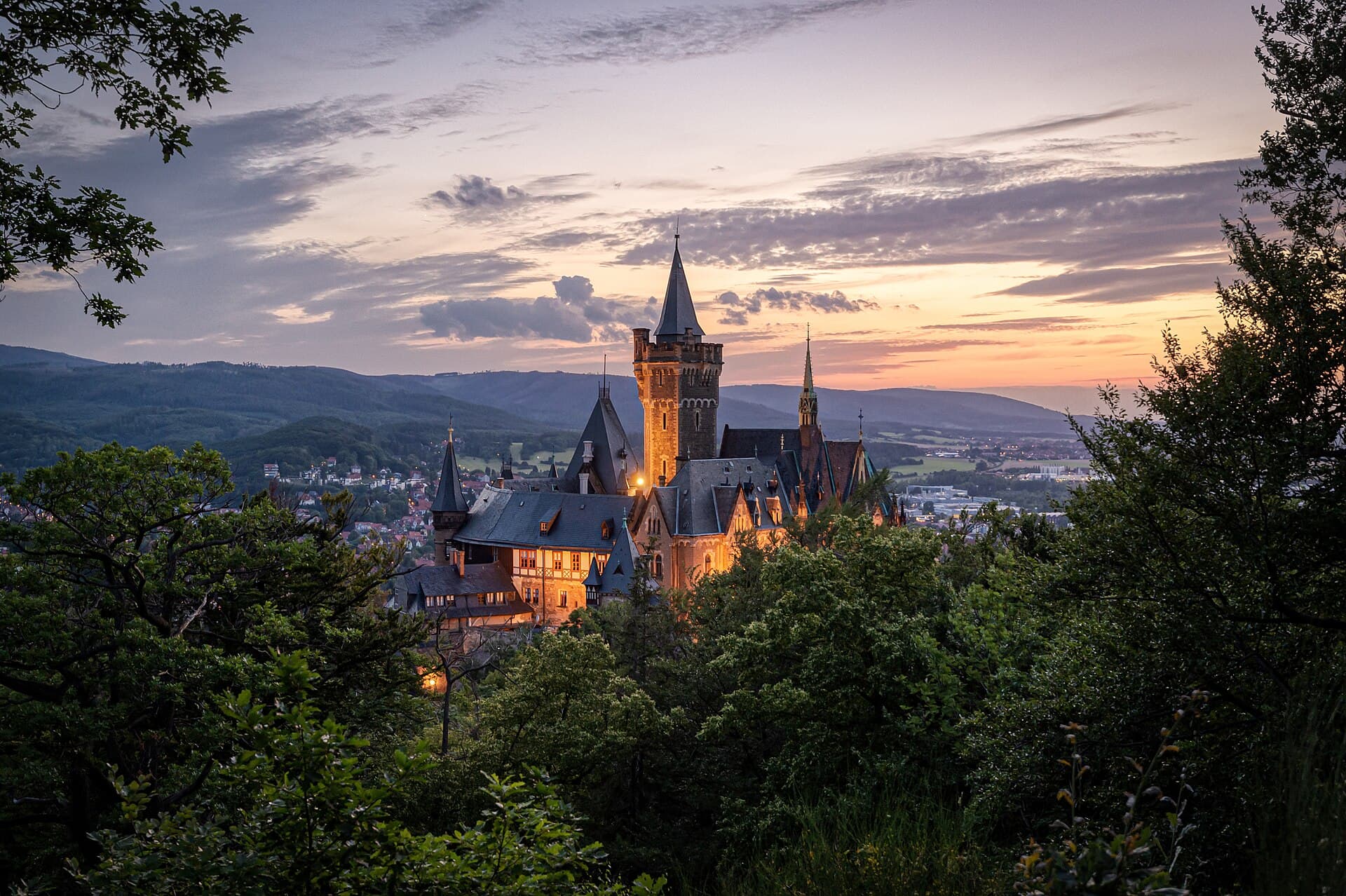
Над городом возвышается Вернигеродский замок, неоромантическая крепость, основанная в XII веке. Исследуйте его украшенные залы и исторические экспозиции, а также насладитесь широкими видами на Гарцские горы. Добраться до замка можно пешком или на Замковом поезде Вернигероде (Schlossbahn). Для любителей активного отдыха Узкоколейная железная дорога Гарца предлагает путешествие на паровозе по Национальному парку Гарц, включая поездки на Брокен, самую высокую вершину северной Германии. Другие достопримечательности включают Музей Гарца (Harzmuseum), Музей авиации и техники и Миниатюрный парк «Кляйнер Гарц» с моделями региональных достопримечательностей в масштабе.
Наиболее приятное время для посещения Вернигероде — весна и осень, с мягкой погодой и красивыми красками окружающих лесов. Лето, с конца июня до конца августа, идеально подходит для занятий на свежем воздухе в теплую погоду, таких как пешие прогулки и осмотр достопримечательностей, со средней дневной температурой около 22°C. Хотя лето является самым оживленным сезоном, оно обычно не бывает чрезмерно многолюдным. Зима предлагает волшебную атмосферу, особенно в декабре с рождественским рынком. Вальпургиева ночь 30 апреля — это значительное общегарцское празднование с костюмами ведьм и кострами.
До Вернигероде можно добраться на поезде, регулярные рейсы связывают его с крупными немецкими городами, такими как Магдебург (90 минут) и Берлин (три часа), с пересадкой в Хальберштадте. Если вы едете на машине, федеральная дорога B6 соединяется с сетью немецких автобанов. В самом городе пешие прогулки — самый разумный способ исследовать компактный старый город. Билет HATIX, включенный в туристический налог за проживание, предлагает бесплатный проезд на общественном транспорте по всей Гарцской области. Информационный туристический офис Вернигероде, расположенный на Рыночной площади, предоставляет карты и брошюры. Варианты размещения варьируются от отелей и гостевых домов до домов для отпуска. В городе также есть разнообразные рестораны и кафе.
Вернигероде: корейский, китайский, иврит и ещё 29 языков — каждую остановку озвучивает носитель языка. Самый широкий выбор языков среди аудиоэкскурсий без гида.
Доступные языки: