Пляж Курраклоу
Этот песчаный простор сыграл неожиданную роль в значимой голливудской военной эпопее.
Полная история открывается в туре
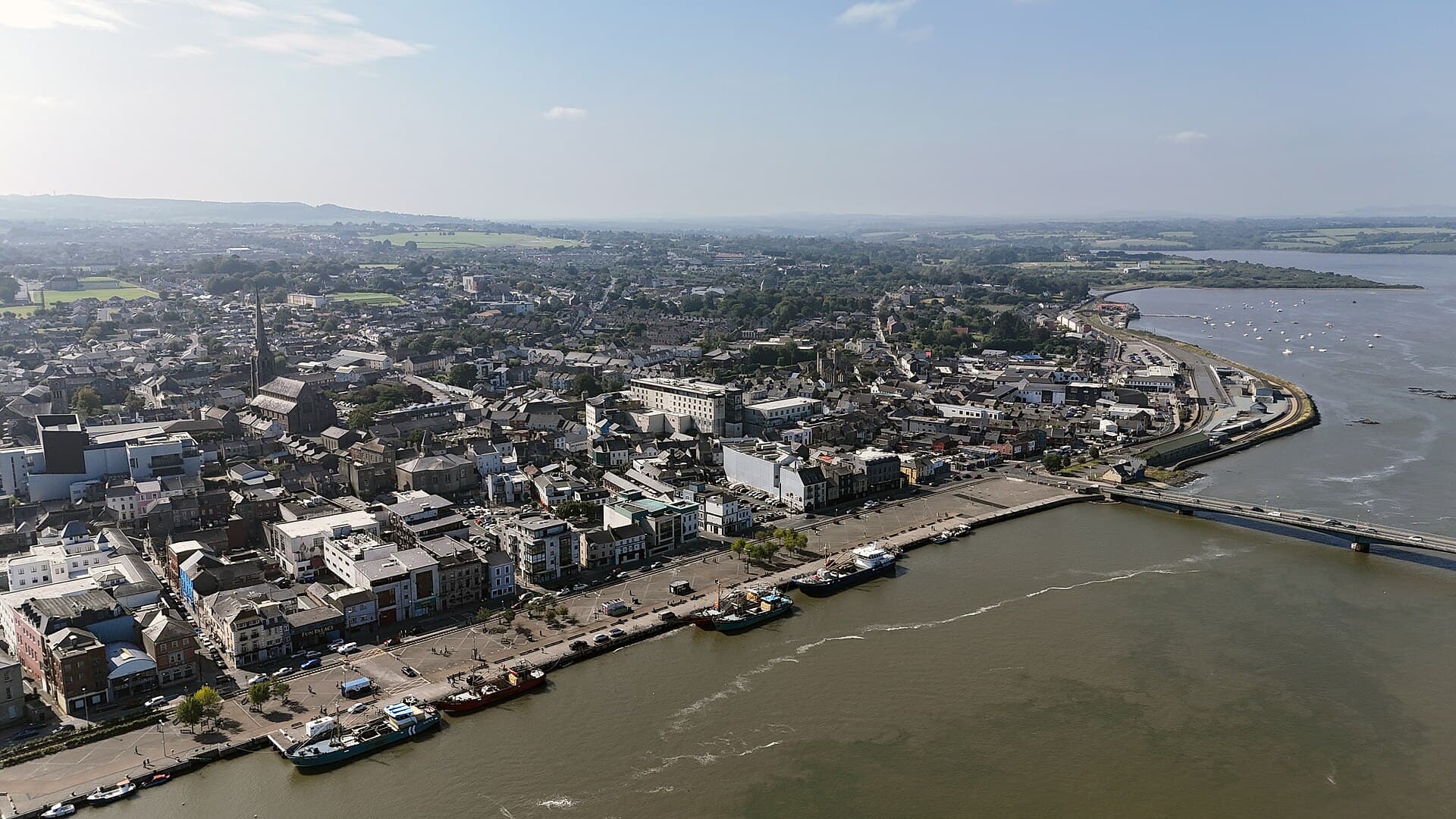 瑞丽江的河水 / cc by-sa 4.0, via Wikimedia Commons
Самостоятельная аудиопрогулка по Уэксфорд — GPS-маршрут, офлайн-воспроизведение, увлекательное повествование на 32 языках.
“Где древние отголоски встречаются с залитыми солнцем берегами и стойким духом.”
Не открытки. Истории, которые не знают даже местные жители — шепотом в вашем ухе, прямо там, где они произошли.
Этот песчаный простор сыграл неожиданную роль в значимой голливудской военной эпопее.
Этот неприметный скальный выход хранит геологические тайны, уходящие на сотни миллионов лет назад, а также ключевой момент в ирландской истории.
Извилистая, компактная планировка средневековых улиц Уэксфорда — это больше, чем просто очарование; это была намеренная оборонительная стратегия.
Откройте для себя каждый секрет Уэксфорд
Каждый адрес, каждое полное раскрытие — в вашем ухе, прямо там, где это произошло.
Вы выбираете остановки. Вы гуляете. Голос раскрывает то, что упускают другие.


Ваш самостоятельный аудиотур по Уэксфорд готов — выберите свои достопримечательности, выберите свой язык и начните в момент прибытия.
КупитьВ Lume встроен гид дополненной реальности. Поднимите телефон: камера показывает улицу перед вами, а поверх реального изображения светится стрелка, всегда указывающая на вашу следующую остановку — не нужно разбираться с картой и сворачивать не туда. Как и всё в Lume, это работает полностью офлайн.
Уэксфорд, графство на залитом солнцем юго-востоке Ирландии, предлагает уникальное сочетание богатой истории, обширных побережий и оживленного культурного ландшафта. Известный как «Солнечный Юго-Восток» за наибольшее количество солнечных часов среди всех ирландских графств, Уэксфорд простирается более чем на 200 километров побережья с длинными песчаными пляжами и живописными рыбацкими деревушками. От своего викингского прошлого до ключевой роли в ирландских восстаниях, история графства запечатлена в его ландшафтах и городах, предлагая захватывающее повествование для тех, кто его исследует.
Город Уэксфорд, расположенный в устье реки Слэйни, служит воротами для исследования этого очаровательного региона. Помимо исторических мест, Уэксфорд также известен своим сельскохозяйственным изобилием, особенно клубникой, которую ежегодно отмечают на Фестивале клубники в Эннискорти. Ищете ли вы погружения в историю, приключений на свежем воздухе или знакомства с местным колоритом, Уэксфорд предлагает уникальный ирландский опыт, который часто удивляет тех, кто заглядывает за пределы более популярных туристических маршрутов.
Уэксфорд — это место, где древние руины соседствуют с современными удобствами, а море является постоянным, вдохновляющим присутствием. Его неторопливый ритм и гостеприимная атмосфера приглашают посетителей задержаться и раскрыть множество историй, хранящихся в его городах, замках и прибрежных просторах.
## От викингского оплота до нормандского завоевания История Уэксфорда начинается около 800 года н.э. с прибытия викингов, основавших город и назвавших его «Waesfjord», что означает «залив плоских илистых земель». Примерно 300 лет викинги процветали как торговцы, управляя городом независимо. Эта эпоха оставила неизгладимый след, а узкие, извилистые улочки города служат свидетельством их оборонительного планирования против потенциальных захватчиков.
## Прибытие англо-нормандцев и Средневековье В 1169 году англо-нормандское вторжение в Ирландию началось в графстве Уэксфорд. Под предводительством Дермота МакМурроу Кавана и Роберта Фицстефена нормандцы осадили и в конечном итоге захватили город Уэксфорд у викингов. Это ознаменовало значительный сдвиг, и Уэксфорд стал преимущественно английским поселением в Средние века. Король Иоанн официально образовал графство Уэксфорд в 1210 году во время своего визита в Ирландию. В этот период процветали цистерцианские монастыри, такие как аббатство Данброди и аббатство Тинтерн.
## Эпоха Кромвеля и восстание 1798 года XVII век принес дальнейшие потрясения, и Уэксфорд был активно вовлечен в Конфедеративные войны. В октябре 1649 года Оливер Кромвель и его армия английских парламентаристов разграбили город Уэксфорд, что привело к резне солдат и мирных жителей, а также к разрушению значительной части города и его гавани. Кромвелю приписывают слова о том, что жители «были вынуждены своей кровью ответить за жестокость, которую они проявили по отношению к многим бедным протестантам».
Поворотный момент в ирландской истории, восстание 1798 года против британского правления, увидел свои самые ожесточенные бои в графстве Уэксфорд. Восстание началось в конце мая 1798 года, когда повстанцы одержали победы в битве при Оуларт-Хилл и захватили Эннискорти. Город Уэксфорд был занят повстанцами и стал местом резни лоялистов со стороны Объединенных ирландцев. Национальный центр восстания 1798 года в Эннискорти посвящен этим событиям.
## Современный Уэксфорд После восстания 1798 года графство Уэксфорд пережило период политической стабильности, став важным торговым портом. Однако оно также пострадало во время Великого голода из-за своей зависимости от картофеля как источника пищи. В середине XIX века уникальный местный язык, известный как «Йола», вышел из употребления, хотя его влияние все еще можно услышать в местном акценте. Сегодня Уэксфорд принимает свое многослойное прошлое, сочетая свою историческую значимость с современной идентичностью как культурного и сельскохозяйственного центра.
Начните свое исследование в городе Уэксфорд, прогуливаясь по его узким улочкам с викингским влиянием, которые полого спускаются к гавани. Посетите Ирландский национальный парк наследия — музей под открытым небом площадью 40 акров, который оживляет 9000 лет ирландской истории с реконструированными поселениями от доисторических времен до эпох викингов и нормандцев. Для захватывающего прибрежного опыта отправляйтесь на полуостров Хук, чтобы исследовать маяк Хук — один из старейших действующих маяков в мире, предлагающий экскурсии и панорамные виды, где Ирландское море встречается с Атлантикой.
Откройте для себя родовое поместье семьи Кеннеди в поместье Кеннеди в Нью-Россе — музее и ферме, которым до сих пор управляют потомки прадеда Джона Ф. Кеннеди, Патрика Кеннеди. Неподалеку корабль-эмигрант Дунброди предлагает трогательный взгляд на истории эмиграции эпохи Великого голода. Для любителей пляжного отдыха пляж Курраклоу, известный как место съемок фильма «Спасти рядового Райана», предлагает обширную полосу песка и дюн. Рассмотрите посещение аббатства Тинтерн — руин цистерцианского монастыря XIII века с живописными тропами и восстановленным садом Колколлоу с высокими стенами.
Лучшее время для посещения Уэксфорда — с мая по сентябрь, когда дни длиннее, а погода в целом теплее и суше. Уэксфорд известен как «Солнечный Юго-Восток» Ирландии, получая больше солнечных часов, чем любое другое графство. Хотя июль и август являются самыми теплыми месяцами со средней температурой 14-16°C, они также являются пиком туристического сезона, что приводит к увеличению количества посетителей и цен. Конец весны (апрель-май) и начало осени (сентябрь-октябрь) предлагают приятную погоду с меньшим количеством посетителей и потенциально лучшими ценами на проживание. Даже вне пикового сезона поездки в город могут быть приятными, так как многие пабы и рестораны предлагают уютную атмосферу.
Уэксфорд легко доступен, расположен на юго-востоке Ирландии. Это примерно двухчасовая поездка от Дублина, также доступны живописные железнодорожные маршруты. Для передвижения по графству, хотя автобусные маршруты обслуживают крупные города, рекомендуется арендовать автомобиль для изучения достопримечательностей дальше и открытия более сельских мест. Местный акцент в Уэксфорде отличается, на него повлиял вымерший язык Йола. Собираясь в поездку, будьте готовы к переменчивой погоде, даже летом. Рекомендуется многослойная одежда, а также удобная водонепроницаемая обувь для прогулок и осмотра достопримечательностей. Солнцезащитный крем рекомендуется для ясных дней. Варианты размещения варьируются от отелей на набережной до тихих мест на берегу реки Слэйни, а такие варианты, как The Talbot и Ferrycarrig, предлагают хорошее соотношение цены и качества.
Уэксфорд: корейский, китайский, иврит и ещё 29 языков — каждую остановку озвучивает носитель языка. Самый широкий выбор языков среди аудиоэкскурсий без гида.
Доступные языки: