Mount Parihaka
Prima di essere un punto panoramico, questa montagna custodiva un segreto di immensa scala e importanza strategica.
La storia completa si sblocca nel tour
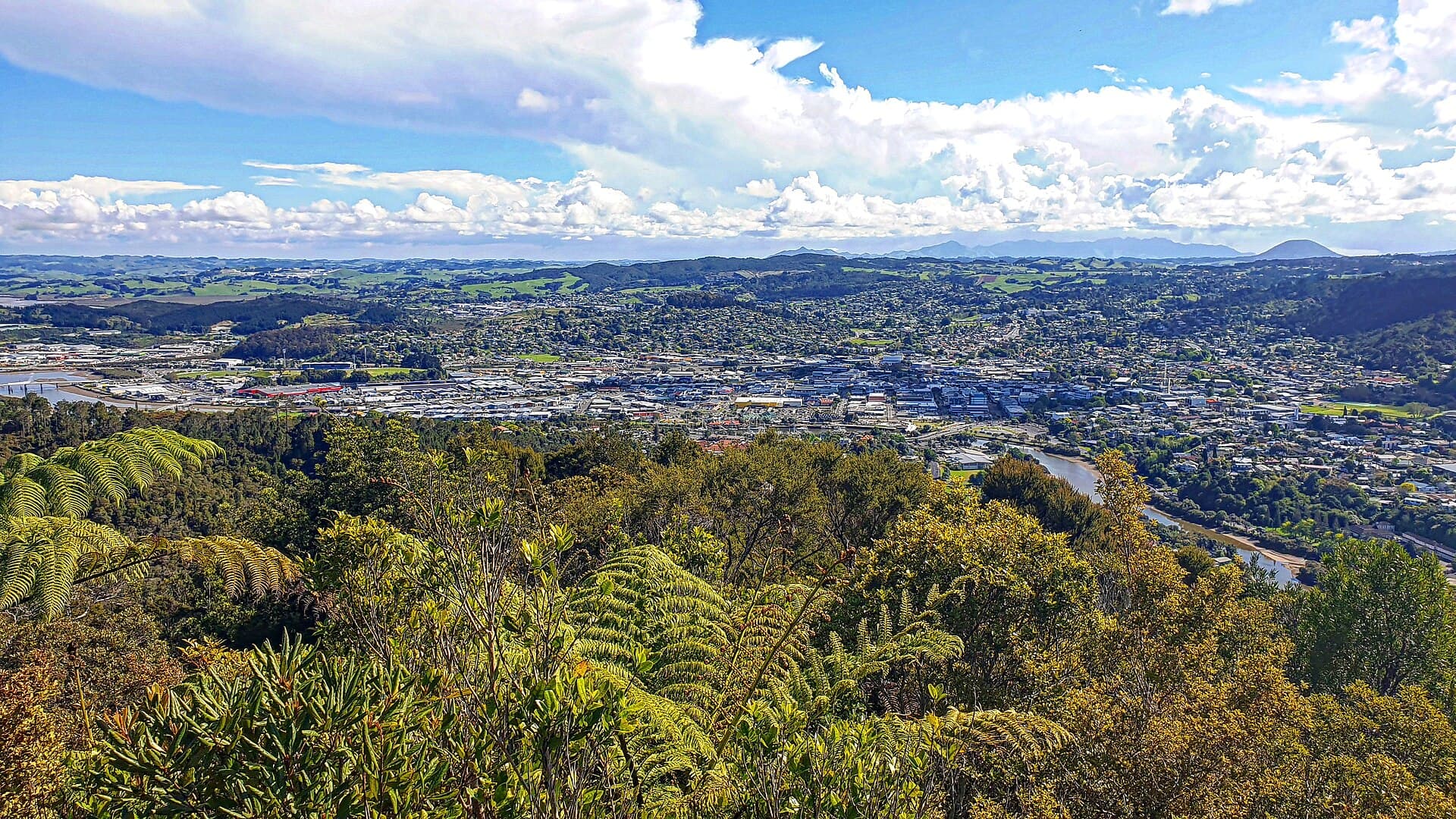 Uarangi / CC BY-SA 4.0, via Wikimedia Commons
Tour audio autoguidato di Whangarei — percorso GPS a piedi, riproduzione offline, narrazione coinvolgente in 32 lingue.
“Dove il calore subtropicale incontra l'eredità Māori e il fascino costiero.”
Non le cartoline. Le storie che nemmeno i locali conoscono — sussurrate nel tuo orecchio, proprio dove sono accadute.
Prima di essere un punto panoramico, questa montagna custodiva un segreto di immensa scala e importanza strategica.
Il nome tradizionale Māori della città offre uno spaccato poetico e potente della sua importanza storica, ben oltre una semplice etichetta geografica.
In una città nota per la sua bellezza naturale, un museo in particolare custodisce una collezione sorprendentemente vasta e intricata.
Scopri ogni segreto di Whangarei
Ogni indirizzo, ogni rivelazione completa — nel tuo orecchio, proprio dove è accaduta.
Scegli le tue tappe. Cammini. La voce rivela ciò che gli altri perdono.


Il tuo tour audio autoguidato di Whangarei è pronto — scegli i tuoi punti di interesse, seleziona la tua lingua e inizia nel momento in cui arrivi.
AcquistaLume include una guida in realtà aumentata. Alza il telefono: la fotocamera mostra la strada davanti a te, con una freccia luminosa sovrapposta all'immagine reale che punta sempre verso la tua prossima tappa — nessuna mappa da decifrare, nessuna svolta sbagliata. Come tutto in Lume, funziona completamente offline.
Whangārei, la città più settentrionale della Nuova Zelanda, offre una miscela unica di clima subtropicale, profonda eredità Māori e abbondante splendore naturale. Situata a circa due ore a nord di Auckland, funge da soglia per la regione del Northland, una terra di coste suggestive, foreste antiche e narrazioni culturali risonanti. La città stessa, con una popolazione stimata di 56.100 abitanti nel giugno 2025, funziona come un centro rilassato, bilanciando le comodità urbane con un facile accesso alle avventure all'aria aperta. Dalla sua vivace zona del Town Basin alle spiagge circostanti e ai picchi vulcanici, Whangārei invita a un'esplorazione approfondita, promettendo un'esperienza varia per ogni viaggiatore.
Spesso chiamata 'La Città delle 100 Spiagge', Whangārei possiede un clima oceanico subtropicale unico, caratterizzato da estati calde e umide e inverni miti dove la neve è praticamente sconosciuta. Questo clima supporta attività all'aperto tutto l'anno, che si tratti di surf a Ocean Beach, passeggiate nella boscaglia nativa o esplorazione di riserve marine. La storia della regione è profondamente intrecciata con le influenze Māori ed europee, evidenti nei suoi toponimi, nelle istituzioni culturali e nei siti storici conservati.
La storia di Whangārei inizia molto prima dell'arrivo degli europei, poiché era tradizionalmente un luogo importante per il commercio e un significativo luogo di ritrovo per gli iwi (tribù) Māori, in particolare Ngāpuhi e Te Parawhaw. Il porto di Whangārei era un punto di riferimento chiave e una rotta terrestre, il portage di Mangapai, permetteva il trasporto di waka (canoe) tra le coste orientale e occidentale.
L'insediamento europeo iniziò nel 1839 con il commerciante scozzese William Carruth. Tuttavia, la prima presenza europea non fu priva di sfide; i coloni fuggirono nel 1845 durante la Flagstaff War a causa di conflitti tra fazioni Māori e truppe britanniche. Entro la metà del 1850, una piccola città iniziò a svilupparsi, alimentata dal redditizio commercio di gomma kauri e dall'esportazione di legname nativo. Le scoperte di carbone in aree come Kamo e Hikurangi stimolarono ulteriormente la crescita industriale negli anni '60, portando alla costruzione di linee ferroviarie per facilitare le esportazioni.
Whangārei ottenne ufficialmente lo status di Borough nel 1896 e fu proclamata città nel 1964. Il XX secolo vide un continuo sviluppo industriale, tra cui l'apertura di un grande cementificio a Portland nel 1916 e l'unica raffineria di petrolio della Nuova Zelanda a Marsden Point nel 1964. Il completamento della linea ferroviaria principale per Auckland nel 1925 e il miglioramento delle strade nel 1934 trasformarono Whangārei nel principale centro di servizi per il Northland, portando a una rapida crescita demografica.
Più recentemente, la città ha abbracciato il suo potenziale culturale e ricreativo. Gli anni '90 videro una grande ricostruzione del lungomare del Town Basin, trasformandolo in un'area ricreativa attiva. L'apertura del ponte Te Matau ā Pohe (Ilamo dell'amo di Pohe) nel 2013 e dell'Hundertwasser Art Centre con la Wairau Māori Art Gallery nel 2022 hanno ulteriormente consolidato lo status di Whangārei come moderno centro culturale.
Inizia la tua esplorazione dal Town Basin, un'area vivace sul lungomare con caffè, ristoranti, gallerie d'arte e negozi specializzati. Qui potrai ammirare l'architettura unica dell'Hundertwasser Art Centre con la Wairau Māori Art Gallery, che espone opere dell'artista austriaco Friedensreich Hundertwasser e arte Māori contemporanea. Nelle vicinanze, il Clapham's National Clock Museum offre una collezione affascinante di orologi.
A breve distanza in auto dal centro città si trovano le Whangārei Falls (Otuihau), una pittoresca cascata alta 26 metri. Goditi i sentieri intorno alle cascate e lungo il fiume Hātea. Per ampie vedute della città e del porto, sali sul Mount Parihaka, un tempo sito di un importante pā Māori. La cima è accessibile in auto o tramite sentieri attraverso la foresta nativa.
Gli amanti della natura dovrebbero visitare l'A.H. Reed Memorial Kauri Park per passeggiare tra antichi alberi di kauri e attraversare un ponte sospeso. I Whangārei Quarry Gardens offrono un'oasi subtropicale su un ex sito di cava. Per incontri con la fauna selvatica, Kiwi North – Museum & Heritage Park offre l'opportunità di vedere kiwi e tuatara nativi, insieme a un museo e un parco storico. Più lontano, la Poor Knights Islands Marine Reserve, accessibile tramite tour da Tutukaka, è una destinazione di fama internazionale per immersioni e snorkeling.
Il clima subtropicale di Whangārei la rende una destinazione visitabile tutto l'anno. I mesi più caldi vanno da dicembre a marzo, con massime giornaliere medie intorno ai 24-28°C (75-82°F), ideali per le attività balneari. L'autunno (marzo-maggio) è spesso considerato ideale, offrendo temperature confortevoli, meno folla e ancora un clima piacevole per la spiaggia. Gli inverni (giugno-agosto) sono miti, con temperature diurne tra 10-17°C (50-63°F), adatti per passeggiate e visite turistiche, sebbene sia il periodo più piovoso. La primavera (settembre-novembre) porta temperature più calde e un aumento del sole, un buon momento per visitare prima dell'alta stagione.
Whangārei si trova a circa due ore di auto a nord di Auckland sulla State Highway One. Per spostarsi in città, un'auto è l'opzione più pratica, specialmente per esplorare il distretto più ampio e le aree costiere. Le auto a noleggio sono disponibili dall'aeroporto o dal centro città; è necessaria una patente di guida valida o un permesso di guida internazionale, e i conducenti devono avere almeno 21 anni. Il servizio di autobus pubblico CityLink Whangārei opera all'interno della città e in alcuni sobborghi, con bambini sotto i cinque anni che viaggiano gratuitamente. Sono disponibili anche taxi e servizi navetta, compresi quelli dall'aeroporto. Per distanze più lunghe o percorsi specifici, servizi di trasporto privato come Whangarei Coastal Commuter offrono navette per aree come Tutukaka e la Bay of Islands. Uber è anche un'opzione per i servizi di ride-sharing.
Whangārei offre una gamma di opzioni di alloggio, da hotel a campeggi. Le aree del centro città e del Town Basin offrono un comodo accesso a ristoranti e attrazioni.
Whangarei — coreano, cinese, ebraico e altre 29 lingue, ogni tappa narrata da una voce madrelingua. La più ampia scelta di lingue tra i tour audio autoguidati.
Disponibile in: