Pleasant Street
Una casa en particular en Pleasant Street cuenta una historia de propiedad inesperada en la Nueva Inglaterra colonial.
La historia completa se desbloquea en el tour
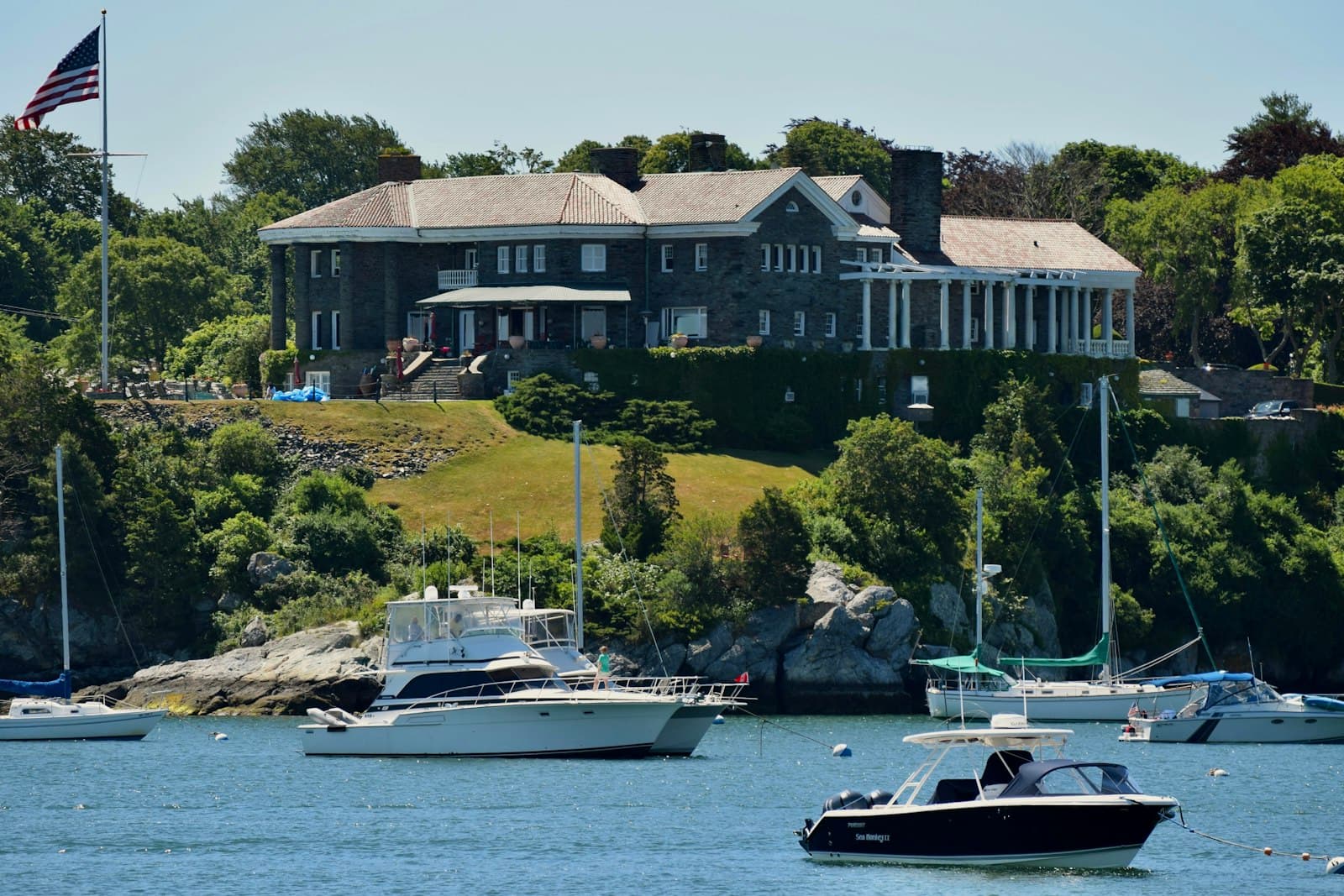 Photo: Praswin Prakashan / Unsplash
Tour de audio autoguiado de Wickford — ruta GPS a pie, reproducción offline, narración en 32 idiomas.
“Donde los ecos coloniales se encuentran con el ritmo de la marea.”
No las postales. Las historias que ni los locales conocen — al oído, justo donde ocurrieron.
Una casa en particular en Pleasant Street cuenta una historia de propiedad inesperada en la Nueva Inglaterra colonial.
Pasea hoy por Main Street y encontrarás un animado distrito comercial, pero en el siglo XIX, muchos de estos negocios compartían una sorprendente característica común entre sus dueños.
El puerto resguardado de Wickford siempre ha sido vital, pero su importancia estratégica fue una vez puesta a prueba durante un conflicto importante, con un sorprendente héroe local.
Descubre todos los secretos de Wickford
Cada dirección, cada revelación al completo — a tu oído, justo donde ocurrió.
Eliges tus paradas. Caminas. La voz te revela lo que los demás ignoran.

Tu tour de audioguía por Wickford te espera — elige tus lugares, tu idioma y empieza al llegar.
ComprarWickford, Rhode Island, presenta un pueblo arquetípico de Nueva Inglaterra, donde el aroma a salitre se mezcla con la gracia de la arquitectura centenaria. Situado en el lado occidental de la Bahía de Narragansett, este pequeño puerto ofrece una cautivadora mezcla de historia marítima y vida costera contemporánea. Pasea por sus estrechas y peatonales calles, y encontrarás una notable colección de casas del siglo XVIII, muchas de las cuales aún se mantienen sobre sus cimientos originales, creando un inmersivo viaje al pasado.
El pueblo se extiende sobre una península compacta, con una atractiva mezcla de residencias, tiendas independientes, galerías de arte y restaurantes frente al mar. Desde explorar boutiques únicas hasta disfrutar de mariscos frescos con vistas al puerto, Wickford invita a los visitantes a relajarse y saborear su carácter distintivo. Es un lugar donde el ritmo de las mareas ha moldeado su historia durante mucho tiempo, ofreciendo un escape sereno a poca distancia en coche de la actividad de Providence y Newport.
Recientemente reconocido como uno de los pueblos pequeños históricos más bellos de Estados Unidos, el atractivo duradero de Wickford reside en su patrimonio meticulosamente conservado y su comunidad activa y acogedora. Ya sea que te atraiga su belleza arquitectónica, su legado marítimo o su animada escena local, Wickford promete una experiencia memorable para aquellos que buscan un auténtico sabor de la Nueva Inglaterra costera.
La historia de Wickford comienza alrededor de 1637, cuando Roger Williams, el fundador de Rhode Island, estableció un puesto comercial en tierras compradas al sachem Narragansett Canonicus. Esta área, conocida como Cocumscussoc, también era el hogar del pueblo Narragansett, que utilizaba la tierra para vivir, pescar y cazar. Aproximadamente al mismo tiempo, Richard Smith, un colono inglés, también estableció un puesto comercial cercano y construyó una casa sustancial en 1637, que más tarde se conoció como el Castillo de Smith.
La visión para el pueblo moderno de Wickford tomó forma en 1709, cuando Lodowick Updike, nieto de Richard Smith, trazó el futuro pueblo portuario. Diseñado de una manera que recordaba al Boston colonial, el pueblo inicialmente creció lentamente, con unas 20 casas construidas en la época de la Revolución Americana, muchas de las cuales aún se mantienen en pie hoy. Durante este período, Wickford se convirtió en un importante centro marítimo, apoyando un activo comercio de construcción naval que produjo numerosos barcos, desde pequeñas doris hasta grandes goletas.
Wickford escapó en gran medida de los estragos de la Guerra Revolucionaria, sirviendo como refugio para ciudadanos prominentes de Newport que buscaban escapar de la ocupación británica de su ciudad. Después de la guerra, el desarrollo fue inicialmente lento, pero en la década de 1790, un resurgimiento del comercio costero y de las Indias Occidentales, junto con una expansión de la industria pesquera, impulsó un período de rápido crecimiento. Wickford emergió como un puerto vital y un centro de construcción naval, solo superado por Newport en la prominencia comercial de la región. Esta era también vio el establecimiento de numerosas tabernas, tiendas y negocios de apoyo, consolidando el papel de Wickford como el centro cultural, económico, social, religioso y cívico de gran parte del sur de Rhode Island.
El período de prosperidad del pueblo comenzó a disminuir a fines de la década de 1830 cuando fue ignorado por el Ferrocarril Providence y Stonington. Contribuyendo aún más a su declive fue una 'guerra de transporte' con Providence, provocada por ambiciosos propietarios de propiedades frente al mar que establecieron altos precios de muelles, disuadiendo a los principales comerciantes de utilizar Wickford. Sin embargo, un lento período de declive fue mitigado en 1870 con la construcción de la línea de ferrocarril y vapor Newport & Wickford, financiada por ricos mecenas de Newport que buscaban un acceso más fácil a sus mansiones de verano. Esta afluencia de dinero nuevo, empleos y visitantes revitalizó el pueblo, en un momento en que muchas casas de la época colonial estaban cayendo en mal estado.
El encanto perdurable y la integridad arquitectónica de Wickford se deben en gran parte a una iniciativa pionera en la década de 1930. Los residentes locales, unidos como The Main Street Association, fueron pioneros en la zonificación histórica integral para proteger el patrimonio de viviendas históricas del pueblo de las presiones del desarrollo. Esta previsión ha permitido que Wickford sobreviva hasta el siglo XXI con su carácter histórico notablemente intacto.
Wickford Village invita a la exploración a pie, con sus calles bordeadas de casas de los períodos Colonial y Federal bellamente conservadas. Comienza tu paseo por Wickford Village, uno de los distritos históricos más pintorescos de Rhode Island, donde podrás admirar los clásicos revestimientos de tablillas y las ventanas con contraventanas.
Realiza un recorrido histórico a pie autoguiado para adentrarte en el pasado del pueblo, descubriendo más de 100 edificios históricos y aprendiendo sobre los primeros colonos, las tradiciones de construcción naval y las leyendas locales. Los mapas están disponibles en el centro de visitantes, y el recorrido a menudo comienza en Updike Park, un lugar tranquilo perfecto para un picnic.
Ninguna visita está completa sin pasear por el puerto y el paseo marítimo de Wickford. Puedes observar los barcos en el puerto, o para una experiencia más activa, alquilar un kayak o una tabla de paddle surf en The Kayak Centre para explorar las calas cercanas. Para una perspectiva diferente, considera un paseo en carruaje tirado por caballos por las calles del pueblo.
Los principales puntos de referencia históricos incluyen la Antigua Iglesia Narragansett, el edificio de iglesia episcopal más antiguo del noreste de Estados Unidos, y el Castillo de Smith, una importante casa del siglo XVII. Más allá de la historia, Wickford ofrece una variedad de tiendas de propiedad independiente, galerías, tiendas de antigüedades y cafeterías, particularmente a lo largo de Main y Brown Streets. Encontrarás de todo, desde joyas y artículos para el hogar hasta regalos artesanales y ropa especializada. Para un dulce refrescante, haz una parada en Village Ice Cream Company o disfruta de mariscos frescos en uno de los restaurantes frente al mar como Tavern By the Sea o Wickford on the Water.
Wickford se presenta como un destino atractivo durante todo el año, ofreciendo cada estación una experiencia distinta. Los amantes del clima cálido disfrutarán del verano por sus condiciones ideales para la playa, el kayak y el paddleboarding. El verano también trae eventos como el Festival de Arte de Wickford en julio, uno de los festivales de arte al aire libre más grandes de Nueva Inglaterra.
La primavera y principios de otoño también son encantadores, con temperaturas agradables y un vibrante follaje en otoño. El otoño presenta eventos como la decoración de calabazas y paseos por cementerios. Incluso en invierno, Wickford es encantador, con luces navideñas y festividades durante el Festival de las Luces a principios de diciembre, transformando el pueblo en una 'Aldea Dickens'.
Wickford Village se encuentra en North Kingstown, Rhode Island, aproximadamente a 20 minutos en coche de Newport. Si bien el pueblo en sí es bastante transitable a pie, especialmente a lo largo de Brown y Main Streets, las aceras pueden estar fragmentadas en otras calles. Hay estacionamiento gratuito disponible en el pueblo, con algunos espacios restringidos claramente señalizados. Un buen punto de partida para tu visita y para estacionar es el muelle de Wickford Town al final de Main Street.
Para quienes dependen del transporte público, RIPTA ofrece servicios de autobús. La estación de tren de Kingston, que sirve a Amtrak, está a unos 25 minutos de Wickford, y la estación de tren de Wickford Junction ofrece servicios de tren de cercanías al aeropuerto T.F. Green y Providence. Si buscas salir al agua, Wickford Boat Rentals ofrece alquiler de lanchas y veleros, aunque es obligatoria una licencia de navegación válida para los nacidos a partir del 1 de enero de 1986, y se requiere experiencia previa para ciertos barcos. The Kayak Centre también ofrece alquiler de kayaks y tablas de paddle surf, tours y clases.
Aunque Wickford Village tiene muchas tiendas y restaurantes, no hay una tienda de comestibles directamente en el pueblo, pero el mercado local Dave's Marketplace está a poca distancia en coche por la Ruta 1.
Wickford en coreano, en chino o en hebreo — y 29 idiomas más, cada parada narrada por una voz nativa. La mayor variedad de idiomas de cualquier audioguía autoguiada.
Disponible en: