El Gran Salón
La legendaria Mesa Redonda del Rey Arturo cuelga aquí, pero una mirada más de cerca revela una sorprendente intervención real.
La historia completa se desbloquea en el tour
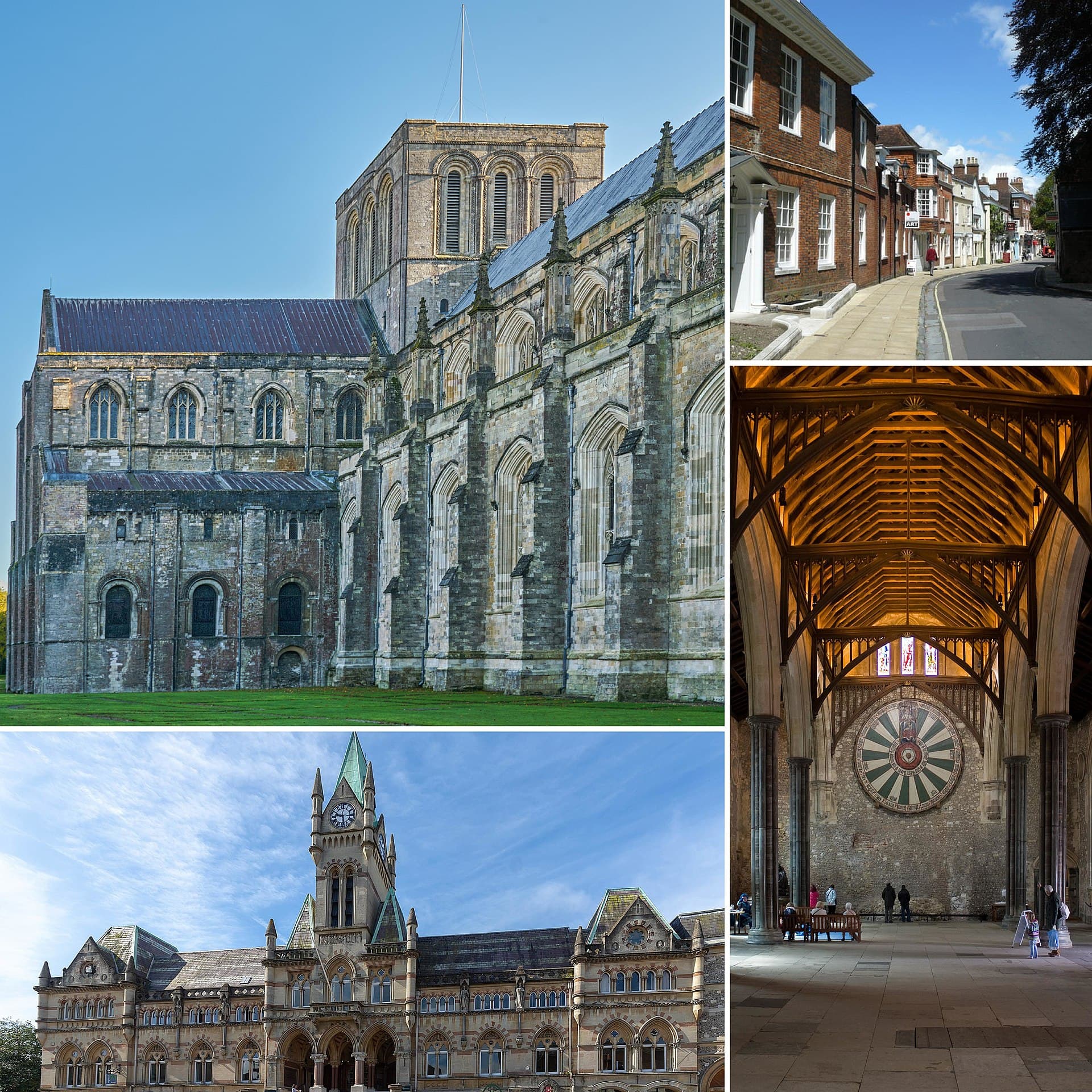 (CC BY-SA 2.0) / CC BY-SA 4.0, via Wikimedia Commons
Tour de audio autoguiado de Winchester — ruta GPS a pie, reproducción offline, narración en 32 idiomas.
“Donde la historia antigua resuena en calles medievales y gigantes literarios encontraron su descanso.”
No las postales. Las historias que ni los locales conocen — al oído, justo donde ocurrieron.
La legendaria Mesa Redonda del Rey Arturo cuelga aquí, pero una mirada más de cerca revela una sorprendente intervención real.
Jane Austen, una célebre autora, está enterrada aquí, pero su lápida original omite cualquier mención de sus logros literarios.
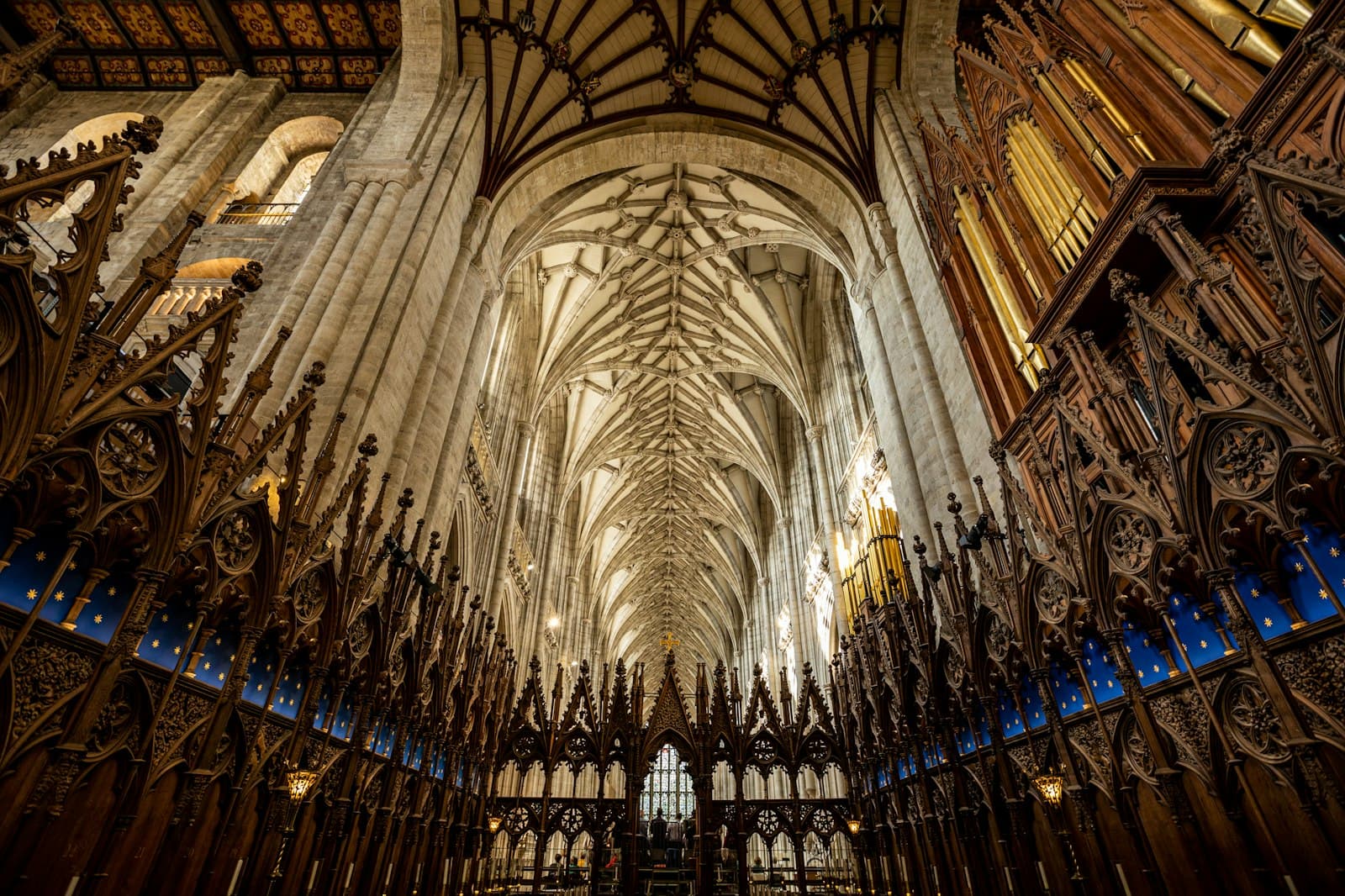
Bajo la grandeza de la Catedral de Winchester yace una cripta con un peculiar y recurrente fenómeno natural.
Descubre todos los secretos de Winchester
Cada dirección, cada revelación al completo — a tu oído, justo donde ocurrió.
Eliges tus paradas. Caminas. La voz te revela lo que los demás ignoran.

Tu tour de audioguía por Winchester te espera — elige tus lugares, tu idioma y empieza al llegar.
ComprarLume incluye una guía de realidad aumentada. Levanta el móvil y su cámara muestra la calle que tienes delante, con una flecha luminosa sobre la imagen real que siempre apunta a tu próxima parada — sin mapas que descifrar, sin giros equivocados. Como todo en Lume, funciona completamente sin conexión.
Winchester, una ciudad catedralicia en Hampshire, Inglaterra, ofrece un viaje a través de milenios de historia, desde sus orígenes en la Edad del Hierro hasta su papel fundamental como antigua capital de Inglaterra. Es una ciudad donde los restos romanos yacen bajo planos de calles anglosajonas, y la arquitectura medieval convive con la vida contemporánea. Con su compacto centro urbano fácilmente explorable a pie, Winchester invita a los visitantes a descubrir su pasado en capas y disfrutar de su atractivo moderno.
Recorre los caminos por donde una vez caminaron reyes, explora los imponentes arcos de su gran catedral y siente el pulso de los siglos bajo tus pies. Este es un lugar donde cada esquina revela otra capa de una historia que se remonta a la antigüedad, pero que permanece vibrantemente presente.
## De la Venta Belgarum romana a la capital anglosajona La historia de Winchester comienza hace más de 2.000 años con tribus celtas, seguidas por los romanos que establecieron Venta Belgarum, una ciudad importante en la Britania romana, alrededor del año 70 d.C. Tras la partida romana, los anglosajones se asentaron aquí, cambiándole el nombre a 'Wintancaester' y estableciéndola como un centro crucial. En el siglo IX, el Rey Alfredo el Grande hizo de Winchester la capital de Wessex, fortificando la ciudad con un trazado en cuadrícula para defenderse de los invasores daneses. Esta planificación estratégica ayudó a Winchester a florecer, convirtiéndose en la capital de una Inglaterra unificada en el año 927 d.C.
## Conquista normanda y poder medieval Tras la Conquista normanda en 1066, Winchester mantuvo inicialmente su importancia como ciudad real, con Guillermo el Conquistador construyendo el Castillo de Winchester en 1067. La magnífica Catedral de Winchester, una de las catedrales góticas más grandes de Europa, comenzó su construcción en 1079, tardando casi 500 años en completarse. La ciudad siguió siendo un centro significativo durante varios siglos, hogar de poderosos obispos y un importante lugar de peregrinación para San Swithun. Sin embargo, a finales del siglo XIII, la prominencia de Londres creció y el estatus de Winchester como capital principal disminuyó gradualmente.
## Siglos posteriores y legado perdurable A pesar de su papel político disminuido, Winchester siguió siendo una ciudad significativa. El Gran Salón del Castillo de Winchester, reconstruido entre 1222 y 1235, es uno de los salones del siglo XIII mejor conservados de Inglaterra y alberga la famosa Mesa Redonda del Rey Arturo. La ciudad también ha desempeñado un papel en la historia literaria, con Jane Austen pasando sus últimas semanas y siendo enterrada en la Catedral de Winchester en 1817. Hoy en día, Winchester se erige como un testimonio de su largo e influyente pasado, con sus edificios históricos y calles medievales contando historias de reyes, santos y figuras literarias.
Comienza tu exploración en la Catedral de Winchester, una estructura monumental que data del siglo XI y la catedral medieval más larga de Gran Bretaña. Alberga las tumbas de monarcas anglosajones y de Jane Austen. A continuación, visita The Great Hall, la única parte que queda del Castillo de Winchester. Este salón del siglo XIII es famoso por albergar la Mesa Redonda del Rey Arturo, un gran disco pintado que, aunque no es de la época de Arturo, es una fascinante pieza de arte medieval e intriga real.
Pasea por la High Street de Winchester, que ha estado en uso desde la época romana, y observa el monumento Buttercross de los siglos XIV o XV. El City Mill, un molino de agua en funcionamiento con una historia que abarca más de mil años, ofrece una visión de la molienda tradicional y agradables paseos junto al río. Para disfrutar de amplias vistas de la ciudad y el campo circundante, sube a St. Catherine's Hill, un castro de la Edad del Hierro. Considera una visita guiada a Winchester College, fundado en 1394, que ostenta la distinción de ser la escuela de funcionamiento continuo más antigua de Inglaterra.
La mejor época para visitar Winchester y disfrutar de un clima agradable y actividades al aire libre es a finales de primavera y principios de verano, particularmente de junio a septiembre. Durante estos meses, las temperaturas son suaves y hay más posibilidades de días soleados, ideales para explorar los sitios históricos de la ciudad y disfrutar de paseos junto al río. Julio y agosto son los meses de mayor afluencia turística, así que espera que la ciudad esté concurrida. Para una experiencia festiva, visita en noviembre y diciembre para el Mercado de Navidad de la Catedral de Winchester.
Winchester es una ciudad compacta, lo que la hace fácilmente transitable a pie. Para quienes llegan en coche, hay servicios de Park and Ride disponibles, que a menudo son más convenientes y económicos para estancias más largas. La ciudad está bien conectada por tren, con servicios directos desde Londres que tardan aproximadamente 45 minutos, y desde Southampton unos 20 minutos. La estación de tren está a poca distancia a pie del centro de la ciudad. Winchester también cuenta con una extensa red de transporte público. Para cenar, la ciudad ofrece una amplia variedad de opciones, desde pubs tradicionales hasta restaurantes galardonados, con un notable mercado de agricultores que se celebra el segundo y último domingo de cada mes.
Winchester en coreano, en chino o en hebreo — y 29 idiomas más, cada parada narrada por una voz nativa. La mayor variedad de idiomas de cualquier audioguía autoguiada.
Disponible en: