Centro storico di Winterthur
Oltre alle facciate colorate e alle boutique affascinanti, alcuni edifici nel centro storico di Winterthur portano nomi curiosi.
La storia completa si sblocca nel tour
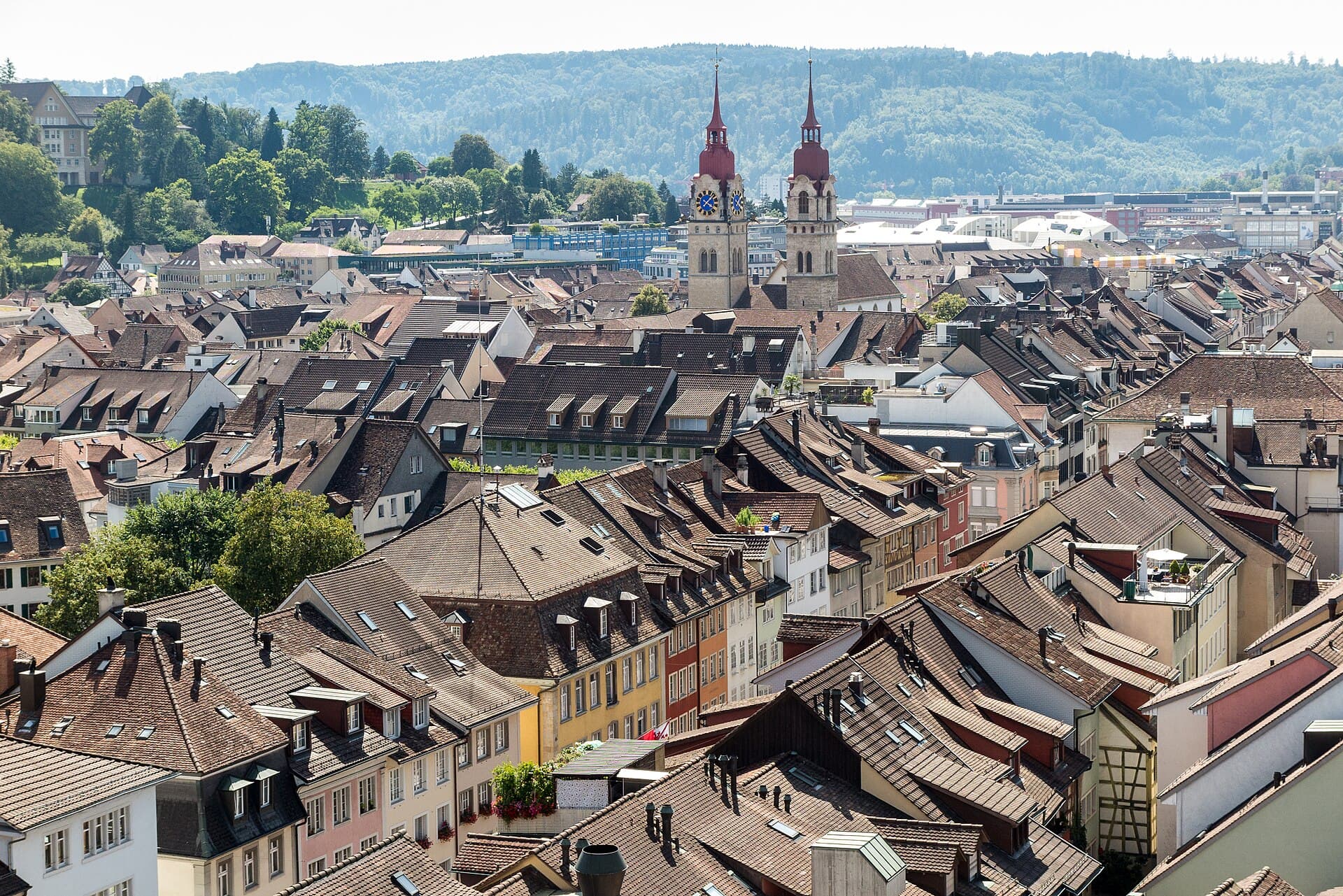 JoachimKohler-HB / CC BY-SA 4.0, via Wikimedia Commons
Tour audio autoguidato di Winterthur — percorso GPS a piedi, riproduzione offline, narrazione coinvolgente in 32 lingue.
“Dove la potenza industriale incontra la grazia artistica.”
Non le cartoline. Le storie che nemmeno i locali conoscono — sussurrate nel tuo orecchio, proprio dove sono accadute.
Oltre alle facciate colorate e alle boutique affascinanti, alcuni edifici nel centro storico di Winterthur portano nomi curiosi.
Le colossali sale industriali dell'ex gruppo di ingegneria Sulzer nascondono un sorprendente segreto sui loro primi giorni.
La squisita collezione d'arte di Oskar Reinhart, ospitata in una villa sopra la città, ha un legame con il mondo delle arti decorative americane.
Scopri ogni segreto di Winterthur
Ogni indirizzo, ogni rivelazione completa — nel tuo orecchio, proprio dove è accaduta.
Scegli le tue tappe. Cammini. La voce rivela ciò che gli altri perdono.


Il tuo tour audio autoguidato di Winterthur è pronto — scegli i tuoi punti di interesse, seleziona la tua lingua e inizia nel momento in cui arrivi.
AcquistaLume include una guida in realtà aumentata. Alza il telefono: la fotocamera mostra la strada davanti a te, con una freccia luminosa sovrapposta all'immagine reale che punta sempre verso la tua prossima tappa — nessuna mappa da decifrare, nessuna svolta sbagliata. Come tutto in Lume, funziona completamente offline.
Winterthur, la sesta città più grande della Svizzera, offre un avvincente mix di patrimonio industriale, spazi verdi e una fiorente scena culturale. Situata nel nord-est della Svizzera, vicino a Zurigo, è una città che si è trasformata con grazia da una potenza dell'ingegneria a un centro per l'arte e l'istruzione.
Il suo centro storico pedonale, una delle aree pedonali ininterrotte più grandi del paese, invita all'esplorazione senza fretta con la sua serie di negozi, caffè e architettura storica. Oltre alle sue strade invitanti, Winterthur è celebrata per la sua impressionante collezione di musei, tra cui istituzioni artistiche di livello mondiale e un centro scientifico interattivo, che la rendono una destinazione diversificata per i visitatori in cerca di relax e stimolazione intellettuale.
## Dai primi insediamenti romani alla potenza industriale Le origini di Winterthur risalgono all'epoca romana, con un insediamento noto come Vitudurum. Nel Medioevo, era una città importante, che ottenne i diritti cittadini intorno al 1264 dai conti di Kyburg. Quando la linea dei Kyburg terminò nel 1452, Winterthur passò agli Asburgo. Fu poi venduta a Zurigo nel 1467, segnando un cambiamento fondamentale nella sua alleanza regionale.
## L'ascesa dell'industria Il XIX secolo inaugurò l'era di Winterthur come importante centro industriale. La città divenne sinonimo della Sulzer Corporation, un gruppo di ingegneria fondato nel 1834 da Johann Jakob Sulzer e dai suoi figli. Quella che iniziò come una fonderia di ferro in Zürichstrasse si trasformò in un'impresa globale, con le sue aree industriali che formarono il nucleo della città. L'innovazione di Sulzer, in particolare la loro macchina a vapore che vinse il primo premio all'Esposizione Universale di Parigi del 1867, portò l'attenzione mondiale su Winterthur e causò un aumento significativo della forza lavoro, superando i 1.000 dipendenti entro il 1870. Questa espansione industriale plasmò l'infrastruttura della città e attrasse una popolazione diversificata.
## Una metamorfosi culturale Con il progredire del XX secolo, Winterthur subì un processo di deindustrializzazione. Tuttavia, la città si reinventò abilmente, trasformando i suoi ex spazi industriali e sfruttando i suoi beni culturali. Molte delle vecchie sale delle fabbriche sono state riutilizzate, ospitando ora teatri, gallerie e altre istituzioni culturali. Questo riutilizzo adattivo, unito a una lunga tradizione di sostegno alle arti, ha consolidato la reputazione di Winterthur come 'città giardino' con un ricco panorama culturale. Oggi, i suoi numerosi musei, parchi e istituzioni educative testimoniano la sua riuscita transizione da gigante industriale a vivace centro di arte, scienza e tempo libero.
Inizia la tua esplorazione nel centro storico di Winterthur, una zona senza auto con strade invitanti, caffè e boutique uniche. Ammira le facciate compatte e colorate e scopri le numerose fontane. Per una vista panoramica del centro storico, sali sulla torre della Stadtkirche.
Gli appassionati d'arte troveranno molto da apprezzare nel variegato panorama museale di Winterthur. Il Kunst Museum Winterthur, che comprende l'ex Kunstmuseum Winterthur, il Reinhart am Stadtgarten e la Villa Flora (attualmente in fase di ristrutturazione), presenta un ampio spettro d'arte. La Sammlung Oskar Reinhart 'Am Römerholz' ospita capolavori d'arte europea dal XIV al XX secolo in una splendida cornice con un parco storico. Gli amanti della fotografia dovrebbero visitare il Fotomuseum Winterthur, noto per le sue mostre di livello mondiale.
Per un'esperienza interattiva, dirigiti allo Swiss Science Center Technorama, un centro scientifico coinvolgente e pratico adatto a tutte le età. Gli appassionati di storia possono esplorare il Castello di Kyburg, una fortezza medievale che offre spunti su 800 anni di storia svizzera e viste panoramiche. Il passato industriale di Winterthur può essere esplorato lungo l'Industrial Heritage Trail, con tour guidati che includono una visita a una fabbrica di chiodi funzionante dal 1895.
Winterthur è una destinazione che si visita tutto l'anno, con ogni stagione che offre esperienze distinte. L'estate (giugno-agosto) porta vivaci festival come Musikfestwochen e Albanifest nel centro storico, e opportunità di fare il bagno nelle vasche delle fontane su Steinberggasse. La primavera e l'autunno offrono un clima piacevole per esplorare i parchi e i giardini della città. I musei e le attrazioni al coperto offrono eccellenti opzioni durante i mesi più freddi.
Winterthur è ben collegata con i trasporti pubblici, rendendo facile spostarsi in città e nei dintorni. La rete ferroviaria offre servizi frequenti e affidabili, con percorsi che solitamente operano ogni 10-20 minuti. Gli autobus sono anche un'opzione pratica, in particolare per raggiungere aree non servite dai treni. La stazione ferroviaria principale, Winterthur Hauptbahnhof, è situata in posizione centrale e offre collegamenti con Zurigo, San Gallo e altre destinazioni. I taxi sono disponibili fuori dall'ingresso principale. Per viaggiare senza restrizioni sui trasporti pubblici all'interno della Zona ZVV 120, considera l'acquisto di un Winterthur City Pass. La disposizione compatta della città rende anche la camminata e il ciclismo modi piacevoli per esplorare, con piste ciclabili dedicate e zone pedonali.
Winterthur — coreano, cinese, ebraico e altre 29 lingue, ogni tappa narrata da una voce madrelingua. La più ampia scelta di lingue tra i tour audio autoguidati.
Disponibile in: