Wormser Dom
Der prächtige romanische Dom birgt ein Geheimnis in seinem Buntglas.
Die ganze Geschichte wird in der Tour freigeschaltet
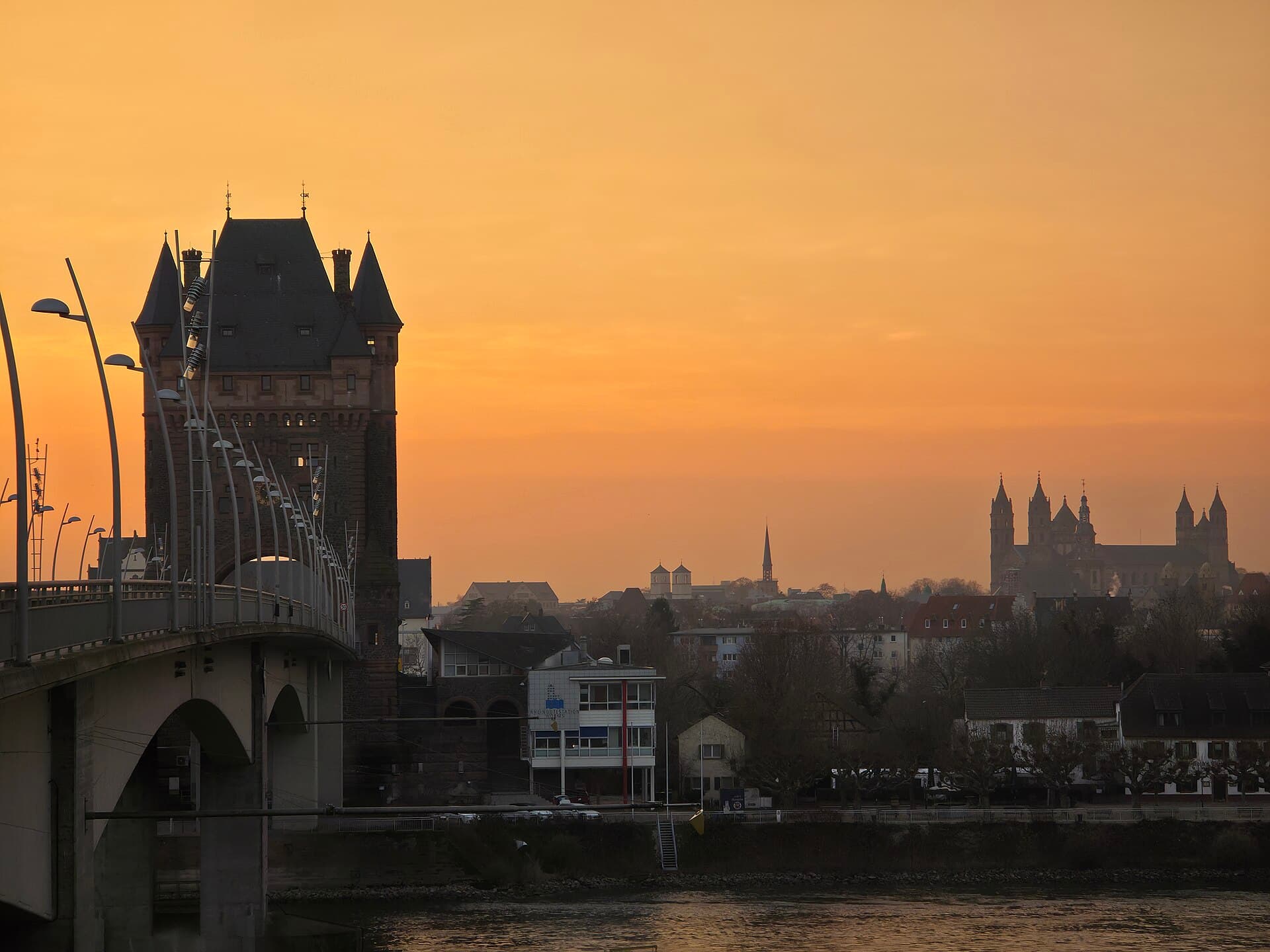 Struppig taucher / CC BY 4.0, via Wikimedia Commons
Selbstgeführte Audio-Walking-Tour durch Worms — GPS-Route, Offline-Wiedergabe, erzählerische Narration in 32 Sprachen.
“Wo alte Sagen durch romanische Bögen widerhallen und revolutionäre Ideen Wurzeln schlugen.”
Nicht die Postkarten. Die Geschichten, die selbst Einheimische nicht kennen – dir ins Ohr geflüstert, genau dort, wo sie geschahen.
Der prächtige romanische Dom birgt ein Geheimnis in seinem Buntglas.
Europas ältester jüdischer Friedhof hat einen seltsamen Namen mit überraschendem Ursprung.
Das größte Reformationsdenkmal der Welt hat eine tiefgründige Botschaft in seinem architektonischen Design.
Entdecke jedes Geheimnis von Worms
Jede Adresse, jede Enthüllung vollständig – in deinem Ohr, genau dort, wo es geschah.
Du wählst deine Stationen. Du gehst. Die Stimme enthüllt, was andere übersehen.


Deine selbstgeführte Audio-Tour durch Worms ist bereit – wähle deine Sehenswürdigkeiten, deine Sprache und starte, sobald du ankommst.
KaufenLume enthält einen integrierten Augmented-Reality-Guide. Halten Sie Ihr Handy hoch: Die Kamera zeigt die Straße vor Ihnen, mit einem leuchtenden Pfeil über dem echten Bild, der immer auf Ihren nächsten Stopp zeigt — keine Karte zum Rätseln, keine falschen Abzweigungen. Wie alles bei Lume funktioniert es komplett offline.
Worms, eine der ältesten Städte Deutschlands, bietet eine fesselnde Reise, bei der sich Geschichte sichtbar in das Stadtbild einwebt. An den Oberrhein in Rheinland-Pfalz gelegen, war diese Stadt seit keltischer und römischer Zeit ein bedeutendes Handelskreuz. Ihr Name, abgeleitet vom lateinischen 'Vormatia', was 'Siedlung in einer wasserreichen Gegend' bedeutet, deutet auf ihre tiefen Wurzeln hin, die über 7.000 Jahre zurückreichen.
Worms ist vielleicht am bekanntesten für seine entscheidende Rolle bei der Gestaltung der europäischen Religions- und Kulturgeschichte. Hier, im Jahr 1521, stand Martin Luther auf dem Reichstag zu Worms trotzig und weigerte sich, seinen Glauben zu widerrufen, wodurch die Einheit der Kirche unwiderruflich zerbrach und die protestantische Reformation ausgelöst wurde. Über seine religiöse Bedeutung hinaus ist Worms auch tief in der deutschen Folklore verwurzelt und dient als zentraler Schauplatz des mittelalterlichen Epos 'Nibelungenlied', einer Geschichte von Drachen, Helden und Schätzen, die bis heute in der deutschen Kultur nachhallt.
Worms' Geschichte beginnt lange vor den Römern mit keltischen und germanischen Stammsiedlungen am Rhein. Bis 14 v. Chr. errichteten die Römer ein Lager und verwandelten die keltische Siedlung Borbetomagus in Civitas Vangionum. Im frühen 5. Jahrhundert wurde es Hauptstadt des Königreichs der Burgunder, eine Periode, die später das legendäre 'Nibelungenlied' inspirierte. Die strategische Lage der Stadt am Rhein sicherte ihre Bedeutung als Handelszentrum, und bis 614 n. Chr. war sie ein römisch-katholisches Bistum.
Worms blühte im Hochmittelalter auf und wurde zu einer freien Reichsstadt mit bedeutenden Privilegien, die König Heinrich IV. im Jahr 1074 verlieh. Sie war häufig Schauplatz von Reichstagen, wichtigen politischen Versammlungen, bei denen deutsche Fürsten und Kaiser Entscheidungen trafen, die Europa beeinflussten. Der berühmteste davon war der Reichstag von 1521, bei dem Martin Luther seine religiösen Überzeugungen vor Kaiser Karl V. verteidigte, ein Moment, der einen entscheidenden Wendepunkt in der protestantischen Reformation markierte. Die Stadt spielte auch eine wichtige Rolle als eine der 'SchUM-Städte' (Speyer, Worms und Mainz), ein bedeutendes Zentrum jüdischen Lebens im mittelalterlichen Europa, das 2021 als UNESCO-Weltkulturerbe anerkannt wurde.
Worms sah sich im Laufe der Jahrhunderte erheblichen Herausforderungen gegenüber, darunter Zerstörungen während des Pfälzischen Erbfolgekriegs im Jahr 1689. Es wurde im Stil der Renaissance und des Barock wiederaufgebaut und kam später während der Napoleonischen Kriege unter französische Herrschaft. Das 19. Jahrhundert brachte die Industrialisierung, die Worms zu einem Zentrum für Leder- und Metallproduktion machte, weiter verbunden durch die Ankunft der Eisenbahn im Jahr 1853. Das 20. Jahrhundert brachte jedoch immenses Leid. Die Stadt wurde durch den Ersten Weltkrieg stark beeinträchtigt, gefolgt von französischer Besatzung. Die NS-Zeit war besonders tragisch für die jüdische Gemeinde von Worms, die über 900 Jahre lang florierte und Verfolgung und die Zerstörung ihrer historischen Synagoge im Jahr 1938 erlebte. Während des Zweiten Weltkriegs verursachten alliierte Luftangriffe erhebliche Schäden, bei denen etwa 40 % der Stadt zerstört wurden, obwohl der Dom weitgehend erhalten blieb. In der Nachkriegszeit übernahmen die Menschen von Worms die Aufgabe, ihre Stadt wieder aufzubauen und ihr tiefes historisches Erbe mit einer lebendigen zeitgenössischen Gemeinschaft zu verbinden.
Beginnen Sie Ihre Erkundung am Wormser Dom (Dom St. Peter), einem Meisterwerk romanischer Architektur, das die Stadtsilhouette dominiert. Bewundern Sie im Inneren den barocken Hochaltar von Balthasar Neumann und steigen Sie in die Krypta hinab, um die Sarkophage der Salierdynastie zu sehen. In der Nähe steht das Lutherdenkmal als das weltweit größte Denkmal der Reformation, das Martin Luther umgeben von anderen Reformatoren und allegorischen Figuren zeigt.
Tauchen Sie ein in das umfangreiche jüdische Erbe von Worms auf dem Jüdischen Friedhof 'Heiliger Sand', Europas ältestem erhaltenen jüdischen Friedhof mit Grabsteinen, die bis ins Jahr 1058/59 zurückreichen. Erkunden Sie die Wormser Synagoge, die mehrmals wiederaufgebaut wurde, und das Jüdische Museum im Raschi-Haus, das Einblicke in eine der wichtigsten jüdischen Gemeinden des mittelalterlichen Europas bietet. Für einen Hauch von lokaler Folklore besuchen Sie die Hagen-Statue an der Rheinpromenade, einen bronzenen Krieger, der an das 'Nibelungenlied' erinnert. Weitere bemerkenswerte Sehenswürdigkeiten sind die nach dem Zweiten Weltkrieg wiederaufgebaute Nibelungenbrücke und der Herrnsheimer Schlosspark mit seinen ruhigen Gärten.
Die beste Zeit für einen Besuch in Worms für angenehmes Wetter und Outdoor-Aktivitäten ist von Mai bis September. In diesen Monaten liegen die durchschnittlichen Tagestemperaturen zwischen 21°C und 26°C, was angenehme Bedingungen für die Erkundung der historischen Stätten der Stadt und die Nutzung der Rheinpromenade schafft. Obwohl es in dieser Zeit etwas Niederschlag gibt, handelt es sich in der Regel um kurzzeitige Schauer und nicht um langanhaltende Regenfälle. Frühling und Herbst bieten moderate Temperaturen, ideal für diejenigen, die die Sommerhitze meiden möchten.
Worms liegt etwa 60 Kilometer (40 Meilen) südwestlich von Frankfurt am Main. Der nächstgelegene große internationale Flughafen ist Frankfurt am Main (FRA) mit direkten Zugverbindungen zum Wormser Hauptbahnhof in etwas mehr als einer Stunde, oft mit Umstieg in Mainz. Der Hauptbahnhof ist etwa 15 Gehminuten vom Domviertel entfernt, und Worms ist Teil des S-Bahn-Systems, das häufige Verbindungen zu nahegelegenen Städten wie Mannheim, Karlsruhe und Mainz bietet. Für lokale Fahrten verkehrt ein Busnetz, wobei die Busse etwa alle 30 Minuten fahren. Die Unterkunftsmöglichkeiten sind vielfältig: historische Gebäude in der Nähe des Doms bieten einen atmosphärischen Aufenthalt, während die Gegend um den Bahnhof praktische Vorteile bietet. Die Stadt ist auch ein guter Ausgangspunkt für die Erkundung der Weinstraßen Rheinhessens und des Naturparks Pfälzerwald.
Worms — Koreanisch, Chinesisch, Hebräisch und 29 weitere Sprachen, jede Station von einer muttersprachlichen Stimme erzählt. Die größte Sprachauswahl aller selbstgeführten Audiotouren.
Verfügbar auf: