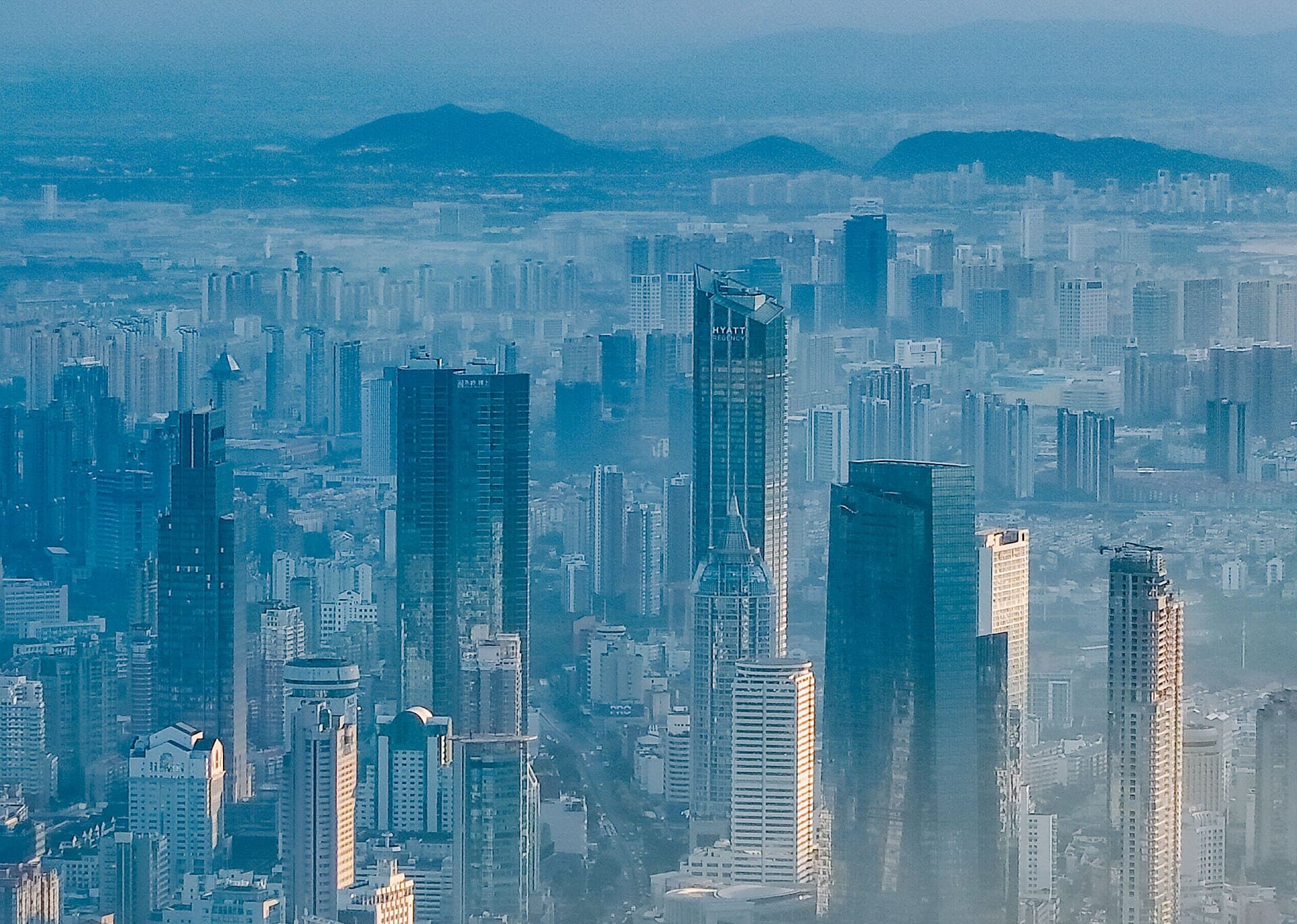
Wuxi, ChinaSimdro / CC BY-SA 4.0, via Wikimedia Commons
CN

Wuxi

Where ancient canals meet modern whispers on the shores of Lake Taihu.

The secrets of Wuxi

Wuxi, as no one tells it.

Not the postcards. The stories even locals don't know — whispered in your ear, right where they happened.

3 secrets below. Many more wait inside the tour.
The Grand Canal, Qingming Bridge Historical Block

Wuxi's Grand Canal section has a particular area that locals frequent late at night, not for bustling nightlife, but for something far more serene.

Full story unlocks in the tour
Guanshe Villa

Many journey to Yuantouzhu for lotus viewing, but there is a lesser-known spot by Lake Taihu that offers a more intimate and expansive experience.

Full story unlocks in the tour
Huishan Clay Figurines

The iconic 'Da A Fu' clay figurines from Wuxi, symbols of good fortune, have a peculiar origin story tied to the local earth.

Full story unlocks in the tour
The full tour

Discover every secret of Wuxi

Every address, every reveal in full — in your ear, right where it happened.

Get the key to Wuxi

You pick your stops. You walk. The voice reveals what the others miss.

Choose your time

How long do you have in Wuxi?

No tours available yet. Check back soon — we're preparing them.

About Wuxi

The story of Wuxi

Wuxi, a city in southern Jiangsu, China, is often called the 'Pearl of Lake Taihu' for its deep connection to one of China's largest freshwater lakes. This dynamic metropolis seamlessly blends ancient cultural heritage with modern urban vitality, offering a harmonious mix of natural landscapes and historical sites. The city is bisected by the Grand Canal, a UNESCO World Heritage site, which continues to be a lively waterway for traditional boat traffic, reflecting its historical importance as a trade route.

Wuxi's identity is shaped by its tranquil lakes, green mountains, and a network of canals that once earned it the moniker 'Venice of the East'. Beyond its scenic beauty, Wuxi is also recognized as a cradle of modern Chinese industry and entrepreneurship, balancing industrial development with the preservation of its cultural and historical sites. Its motto, 'Wuxi is full of warmth and water,' encapsulates the welcoming atmosphere and diverse experiences awaiting visitors.

History

From Ancient Mines to Industrial Hub

The history of Wuxi stretches back over 3,000 years, with its origins tracing to the Shang and Zhou dynasties. The city's unusual name, Wuxi (无锡), literally translates to 'No Tin' or 'Without Tin.' Legend has it that in ancient times, the area was abundant in tin mines, but by the Han Dynasty (206 BC – 220 AD), these deposits were completely exhausted, giving the city its enduring name.

A pivotal moment in Wuxi's development was the construction of the Grand Canal in the 7th century. This monumental waterway transformed Wuxi into a strategically vital transport and trade hub, connecting the north and south of China and facilitating rapid commercial growth. For centuries, it was one of China's four largest rice markets and a renowned center for silk production and high-quality textiles. The Grand Canal in Wuxi is deeply interwoven into the city's fabric, with the Wuxi section being 40.6 kilometers long and connecting with the 3,000-year-old Bodu River.

By the early 20th century, Wuxi's economic power earned it the nickname 'Little Shanghai,' becoming a birthplace of modern Chinese industry and entrepreneurship. The city was also a center of scholarship and the arts, contributing numerous celebrated scholars, artists, and writers to China. During the Qing Dynasty (1644–1912), cotton and silk production flourished, and trade increased significantly with the opening of ports in Shanghai and other cities. After World War II, while its economic importance initially diminished, Wuxi has since re-emerged as a regional manufacturing hub, with tourism playing an increasingly vital role in its economy. The city has actively preserved its cultural relics and traditional architecture, integrating them with contemporary development.

What to see

Begin your exploration at the Grand Buddha at Ling Shan, a majestic 88-meter-tall bronze statue, one of China's largest Buddha statues. This spiritual landmark is part of the Lingshan Buddhist Scenic Spot, offering an immersive cultural experience. For a taste of classical Chinese garden design, visit Jichang Garden within Huishan Ancient Town. This exquisite garden, with its rockeries and pavilions, was so admired by Emperor Qianlong of the Qing Dynasty that he ordered a replica built in Beijing's Summer Palace.

Huishan Ancient Town itself is an open-air museum of ancestral halls and traditional architecture at the base of Huishan Mountain. It features over 120 ancestral halls, some dating back to the Tang Dynasty, displaying traditional Jiangnan architecture. Another scenic highlight is Yuantouzhu (Turtle Head Isle), a peninsula offering prime views of Lake Taihu, particularly during the cherry blossom season. For a unique cultural experience, the China Clay Figurine Museum in Huishan is dedicated to the city's renowned folk craft. Do not miss the Qingming Bridge Historical Block along the Grand Canal, a preserved area with historic houses and ancient stone bridges, offering a glimpse into 'Water Alley' life. If you are interested in film, the Three Kingdoms City is a massive film set built for a CCTV television series, still functioning as a production base where you might see period dramas being filmed.

When to visit

The most pleasant times to visit Wuxi are during spring (March to May) and autumn (September to November). Spring offers mild temperatures, blooming flowers, and lush greenery, with cherry blossoms peaking in April at Yuantouzhu. Autumn brings clear skies, comfortable temperatures (15°C–26°C), and colorful fall foliage, especially around Lake Taihu. Summers (June to August) are hot and humid, with heavy rainfall during the plum rain season in June. Winters (December to February) are cool to cold and damp, with occasional snowfall.

Practical

Wuxi is served by Sunan Shuofang International Airport (WUX), with flights from major Chinese cities and some international destinations. Alternatively, high-speed trains connect Wuxi to major metropolises like Beijing and Shanghai, arriving at Wuxi Railway Station (the main station), East Railway Station, New District Railway Station, and Huishan Railway Station. The city also has an extensive public bus network with around 250 lines, and a metro system with four operational lines (Lines 1, 2, 3, and 4, plus Line S1 to Jiangyin), making it easy to navigate.

Within the city, the metro is generally the most convenient, clean, and inexpensive way to travel. Avoid taxis during peak hours (7:30 AM to 9:00 AM and 5:00 PM to 7:00 PM) to avoid traffic. Bottled water is recommended as tap water is not safe to drink. Many parks, especially those by Lake Taihu, are best visited early in the morning to avoid crowds and observe locals practicing Tai Chi.

Good to know
What is Wuxi famous for?
Wuxi is renowned for its picturesque landscapes, particularly Lake Taihu, and its profound cultural heritage, including the Grand Canal, ancient towns like Huishan, and the Lingshan Grand Buddha. It is also known for its sweet cuisine and as a birthplace of modern Chinese industry.
What kind of food is Wuxi known for?
Wuxi cuisine, a sub-branch of Su cuisine, is characterized by its distinctive sweetness and emphasis on fresh aquatic ingredients from Lake Taihu. Signature dishes include Wuxi sauced spare ribs, known for their savory-sweet flavor, and xiaolongmantou (steamed buns with sweet meat filling).
Is Wuxi considered a water town?
Yes, Wuxi is often referred to as a 'water town' due to its extensive network of canals and waterways, particularly its section of the Grand Canal. It was even historically known as the 'Venice of the East.'
What is the origin of Wuxi's name?
The name Wuxi (无锡) translates to 'No Tin' or 'Without Tin.' This name originated during the Han Dynasty after the local tin mines, which were once abundant, became completely depleted.
Are there any natural wonders in Wuxi?
Yes, Wuxi offers natural wonders such as Lake Taihu, one of China's largest freshwater lakes, and Shanjuan Cave, a natural attraction featuring impressive limestone caves and underground rivers.
What is the local craft of Wuxi?
The most celebrated local craft of Wuxi is the Huishan clay figurine. These intricate sculptures, made from unique black clay found at the base of Huishan Mountain, have a history of over 400 years and are recognized as a national intangible cultural heritage.
Wuxi
From€9.00
No booking · activate anytime · 12h to walk it
Get the key to Wuxi