Isola di Gulangyu
Quest'isola senza auto è famosa per i suoi pianoforti, ma la storia dietro la sua ossessione musicale è più sorprendente di quanto si possa pensare.
La storia completa si sblocca nel tour
 Windmemories / CC BY-SA 4.0, via Wikimedia Commons
Tour audio autoguidato di Xiamen — percorso GPS a piedi, riproduzione offline, narrazione coinvolgente in 32 lingue.
“Dove la calma dell'isola incontra il fascino del Fujian e la storia echeggia in ogni vicolo.”
Non le cartoline. Le storie che nemmeno i locali conoscono — sussurrate nel tuo orecchio, proprio dove sono accadute.
Quest'isola senza auto è famosa per i suoi pianoforti, ma la storia dietro la sua ossessione musicale è più sorprendente di quanto si possa pensare.
Un tempo tranquillo villaggio di pescatori, Zengcuo'an si è trasformato in un centro artistico, ma una decisione cruciale del governo ha contribuito a preservarne il carattere unico.
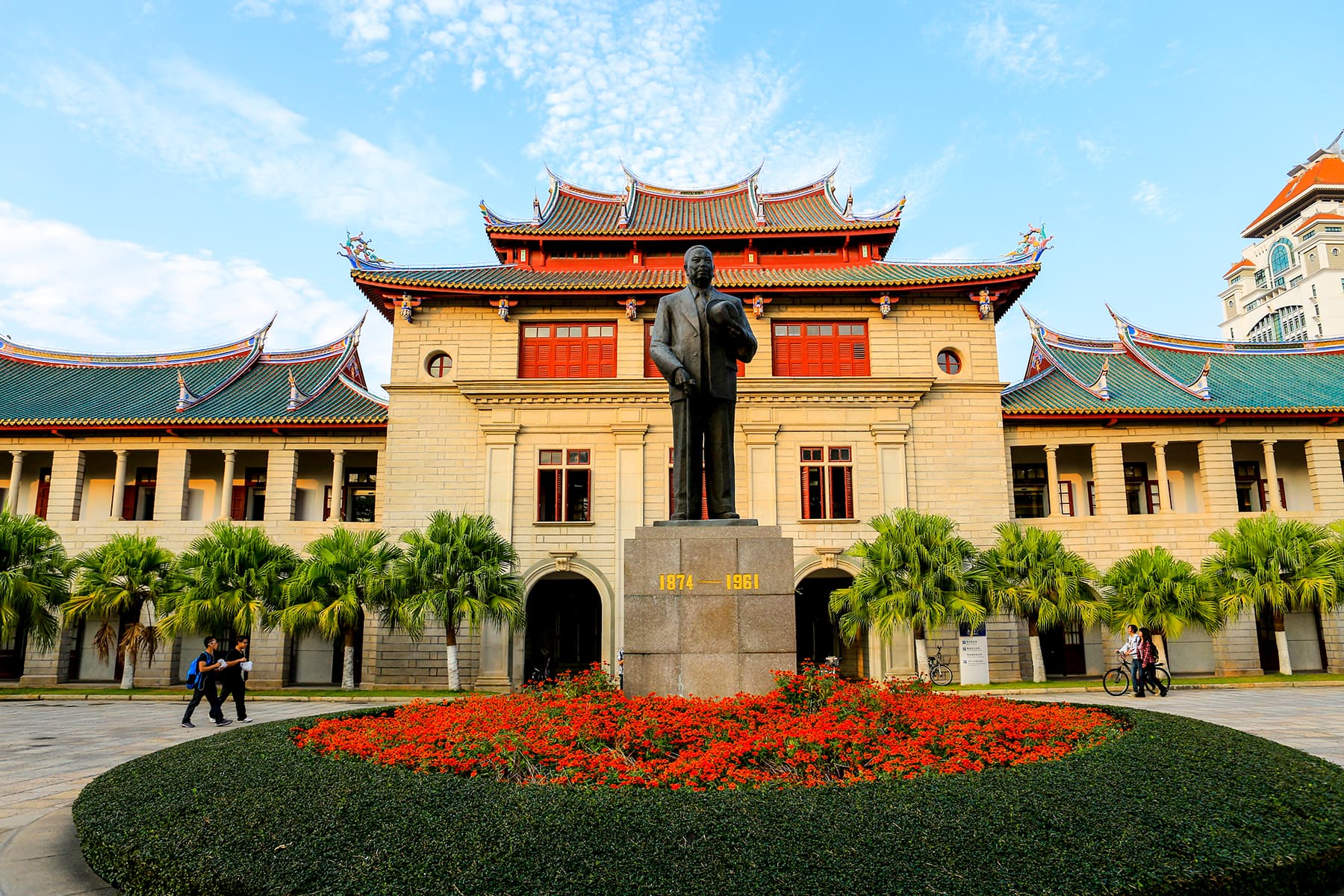
Spesso definita l'università più bella della Cina, la sua storia di fondazione è una testimonianza della visione di un singolo leader cinese d'oltremare.
Scopri ogni segreto di Xiamen
Ogni indirizzo, ogni rivelazione completa — nel tuo orecchio, proprio dove è accaduta.
Scegli le tue tappe. Cammini. La voce rivela ciò che gli altri perdono.


Il tuo tour audio autoguidato di Xiamen è pronto — scegli i tuoi punti di interesse, seleziona la tua lingua e inizia nel momento in cui arrivi.
AcquistaLume include una guida in realtà aumentata. Alza il telefono: la fotocamera mostra la strada davanti a te, con una freccia luminosa sovrapposta all'immagine reale che punta sempre verso la tua prossima tappa — nessuna mappa da decifrare, nessuna svolta sbagliata. Come tutto in Lume, funziona completamente offline.
Xiamen, spesso chiamata 'Isola dell'Egret', è una città costiera sulla costa sud-orientale della Cina, dove il paesaggio urbano si intreccia con grazia con il mare. Riconosciuta come una delle prime Zone Economiche Speciali della Cina, Xiamen funge da porta d'accesso per esplorare la cultura marittima cinese, la storia degli emigrati cinesi all'estero e le tradizioni Minnan. La città gode di un clima monsonico subtropicale, con inverni miti ed estati calde e umide, che la rendono una destinazione piacevole per gran parte dell'anno.
Oltre al suo significato economico, Xiamen è celebrata per la sua alta qualità della vita, con abbondanti spazi verdi e ampi sentieri costieri per la ricreazione. È una città dove prevale un ritmo rilassato e arioso, plasmato dalla sua posizione sul mare e dalle viste sull'acqua. Dall'architettura in stile coloniale dell'isola di Gulangyu alle vivaci strade gastronomiche e ai sereni templi, Xiamen offre una miscela accattivante di storia, cultura e bellezza naturale.
La storia di Xiamen risale a oltre 3.000 anni fa, con attività umane registrate sull'isola fin dall'antichità. Durante la prima dinastia Jin nel 282 d.C., l'area fu istituita come Contea di Tong'an. Durante la dinastia Song (960–1279 d.C.), Xiamen era già un vivace porto marittimo impegnato nel commercio estero. Tuttavia, era anche conosciuta come un rifugio per i pirati e un centro per il commercio di contrabbando.
Il nome 'Xiamen', che significa 'porta pacifica' o 'porta della nazione', apparve per la prima volta nel 1387 quando la dinastia Ming costruì una fortezza per difendersi dalla pirateria. A metà del XVII secolo, il lealista Ming Koxinga (Zheng Chenggong) usò Xiamen come base cruciale per resistere all'invasione della dinastia Manciù Qing, ribattezzando persino l'isola di Xiamen 'Stato di Siming' ('Ricordando i Ming') dal 1650 al 1660. Lanciò la sua vittoriosa campagna per espellere gli olandesi da Taiwan da Xiamen nel 1661.
Dopo la sconfitta della Cina nella Prima Guerra dell'Oppio, Xiamen fu designata uno dei cinque porti di trattato originali nel 1842 dal Trattato di Nanchino. Questo aprì la città al commercio e alla residenza straniera, in particolare sull'isola di Gulangyu, dove emerse un insediamento straniero. Tredici paesi, tra cui Gran Bretagna, Francia e Giappone, stabilirono consolati e costruirono chiese, ospedali e residenze dell'era vittoriana, contribuendo al paesaggio architettonico unico di Gulangyu.
Xiamen divenne un importante porto per le esportazioni di tè nel XIX secolo e successivamente un importante punto di partenza per gli emigrati cinesi verso il Sud-est asiatico. Durante la Seconda Guerra Mondiale, Xiamen fu occupata dal Giappone dal 1938 al 1945. Nel 1980, Xiamen fu designata una delle prime Zone Economiche Speciali (ZES) della Cina, un momento cruciale che ha stimolato la rapida industrializzazione e la crescita economica attirando investimenti esteri, in particolare da parte degli emigrati cinesi e di Taiwan. Oggi, Xiamen è riconosciuta come una città moderna e vivibile che fonde armoniosamente il suo passato storico con lo sviluppo contemporaneo.
Isola di Gulangyu: Patrimonio dell'Umanità UNESCO, questa isola senza auto è nota per la sua architettura in stile coloniale, i giardini sereni e un patrimonio musicale unico. Esplora le sue strade tortuose, visita il Museo del Pianoforte nel Giardino Shuzhuang e sali sulla Roccia del Sole per viste panoramiche.
Tempio Nanputuo: Questo antico tempio buddista, risalente alla dinastia Tang, è un importante sito spirituale ai piedi del Picco Wulao. Passeggia tra le sue intricate sale, i lussureggianti giardini e gli stagni tranquilli, osservando i rituali tradizionali.
Università di Xiamen: Spesso citata come uno dei campus più belli della Cina, i terreni dell'Università di Xiamen sono una miscela armoniosa di architettura distintiva e vegetazione tropicale, situata tra montagne e mare. Passeggia lungo il Lago Furong ed esplora il Tunnel Furong, adornato da graffiti studenteschi.
Via Pedonale Zhongshan Road: Questa vivace strada principale offre un'atmosfera festosa per lo shopping e la ristorazione. I suoi edifici commerciali imbiancati a calce con gallerie colonnate, costruiti da commercianti cinesi d'oltremare di ritorno negli anni '20, offrono uno sguardo sul passato di Xiamen.
Villaggio Zengcuo'an: Un tempo tranquillo villaggio di pescatori, Zengcuo'an si è trasformato in un centro culturale bohémien. I suoi stretti vicoli sono pieni di street art, bancarelle di pesce e ostelli boutique, mostrando una miscela di patrimonio Hokkien e moderno estro artistico.
Fortezza Hulishan: Risalente al 1894, questo sito militare ben conservato offre uno spaccato della storia della difesa costiera cinese. Ammira il formidabile 'Cannone del Leone', uno dei cannoni funzionanti più antichi e grandi del mondo, ed esplora i tunnel sotterranei e le caserme.
Distretto Artistico Shapowei: Questo vecchio porto di pesca rivitalizzato è ora un emergente punto di riferimento culturale con laboratori artigianali, caffè retrò e suggestivi murales. È un luogo per vivere la storia marittima di Xiamen attraverso una lente contemporanea.
I periodi più piacevoli per visitare Xiamen sono la primavera (da marzo a maggio) e l'autunno (da ottobre a novembre). Durante queste stagioni, il clima è mite e confortevole, con temperature che vanno tipicamente da 15°C a 25°C (59°F a 77°F), ideali per visite turistiche e attività all'aperto. La primavera porta fiori in fiore e una vegetazione rigogliosa, mentre l'autunno offre temperature più fresche e cieli sereni. Le estati (da giugno a settembre) possono essere calde e umide con occasionali tifoni, mentre gli inverni (da dicembre a febbraio) sono miti ma possono essere umidi e grigi.
Come arrivare: L'aeroporto internazionale di Xiamen Gaoqi (XMN) si trova a circa 10 chilometri dal centro città, offrendo voli per oltre 50 città nazionali. Dall'aeroporto, puoi raggiungere il centro tramite la metropolitana Linea 1, autobus navetta aeroportuali o taxi. Xiamen ha anche una stazione ferroviaria principale, Xiamen Zhan, che è preferibile alla stazione di Xiamen North per l'accesso all'isola.
Come muoversi: Xiamen dispone di un sistema di trasporto pubblico ben sviluppato, tra cui una rete metropolitana in espansione, numerose linee di autobus e Bus Rapid Transit (BRT). Taxi e servizi di ride-sharing come Didi Chuxing sono ampiamente disponibili. Per l'isola di Gulangyu, i traghetti sono il principale mezzo di trasporto, con terminal specifici per i possessori di passaporti non cinesi; si consiglia la prenotazione anticipata, soprattutto durante l'alta stagione.
Pagamenti cashless: Molti negozi e ristoranti a Xiamen operano con un sistema cashless, affidandosi ad app come WeChat Pay. È consigliabile avere queste app configurate o portare una piccola quantità di contanti per i piccoli commercianti, anche se il resto potrebbe essere un problema.
Carta igienica: È una buona idea portare la propria carta igienica, poiché potrebbe non essere sempre prontamente disponibile o facilmente erogata nei bagni pubblici.
Xiamen — coreano, cinese, ebraico e altre 29 lingue, ogni tappa narrata da una voce madrelingua. La più ampia scelta di lingue tra i tour audio autoguidati.
Disponibile in: