Переулок Шиппи
Этот узкий проход раскрывает секрет древнего городского дизайна и личных границ.
Полная история открывается в туре
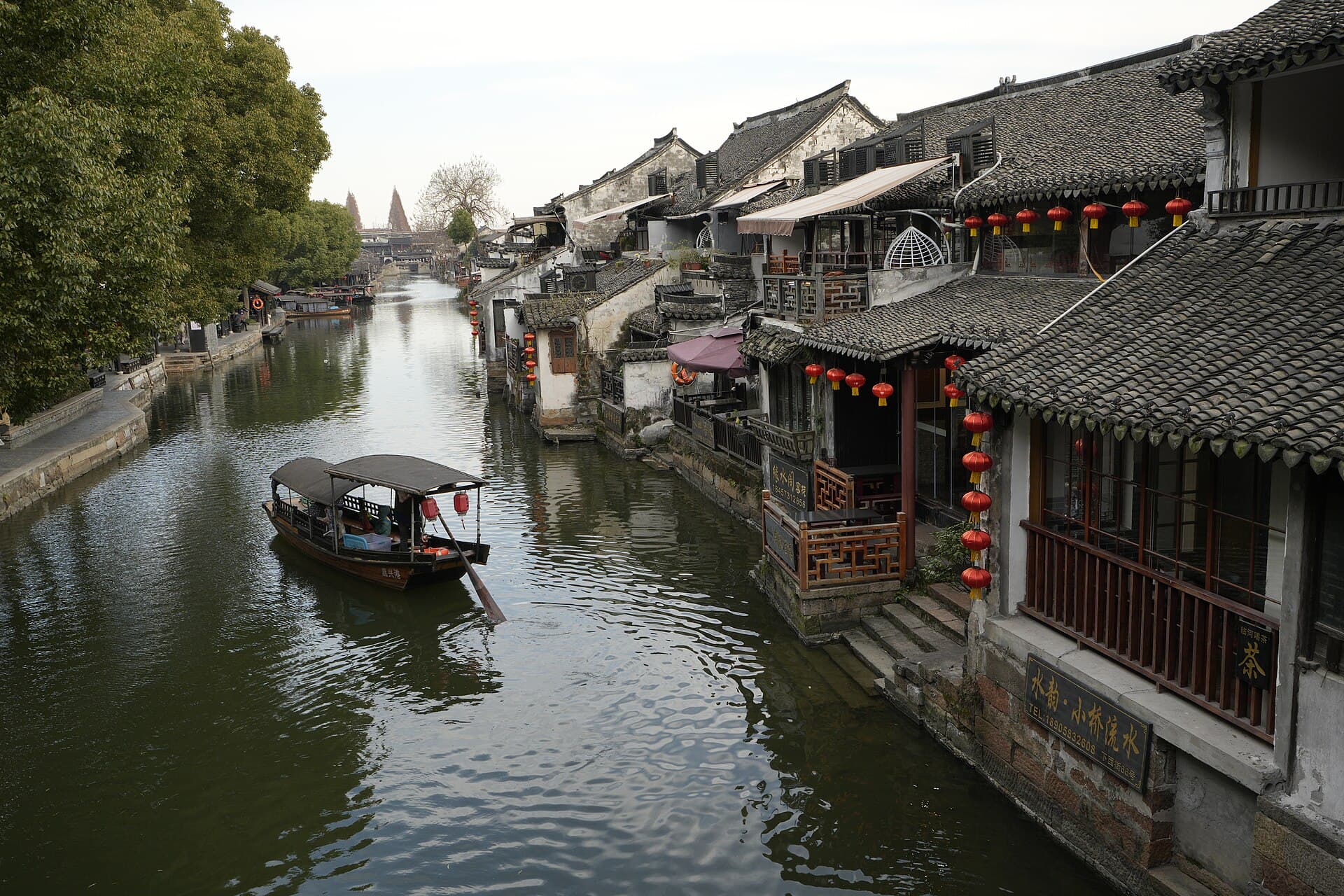 Chensiyuan / CC BY-SA 4.0, via Wikimedia Commons
Самостоятельная аудиопрогулка по Ситан — GPS-маршрут, офлайн-воспроизведение, увлекательное повествование на 32 языках.
“Где древние водные пути прокладывают тропы через живое полотно истории и повседневной жизни.”
Не открытки. Истории, которые не знают даже местные жители — шепотом в вашем ухе, прямо там, где они произошли.
Этот узкий проход раскрывает секрет древнего городского дизайна и личных границ.
Отличительные крытые проходы Ситана предлагают больше, чем просто укрытие от непогоды.
Один из самых старинных мостов Ситана носит имя, намекающее на небесную встречу.
Откройте для себя каждый секрет Ситан
Каждый адрес, каждое полное раскрытие — в вашем ухе, прямо там, где это произошло.
Вы выбираете остановки. Вы гуляете. Голос раскрывает то, что упускают другие.

Ваш самостоятельный аудиотур по Ситан готов — выберите свои достопримечательности, выберите свой язык и начните в момент прибытия.
КупитьВ Lume встроен гид дополненной реальности. Поднимите телефон: камера показывает улицу перед вами, а поверх реального изображения светится стрелка, всегда указывающая на вашу следующую остановку — не нужно разбираться с картой и сворачивать не туда. Как и всё в Lume, это работает полностью офлайн.
Ситан, древний водный город в провинции Чжэцзян, Китай, предлагает взглянуть на ушедшую эпоху, когда водные пути служили основными транспортными артериями. Город, пересеченный девятью реками и соединенный 104 каменными мостами, представляет собой увлекательное сочетание исторической архитектуры и спокойных каналов. Его характерные белые стены, крыши из черной черепицы и загнутые карнизы создают поразительный пейзаж, часто сравниваемый с традиционной китайской живописью тушью.
Помимо визуальной привлекательности, Ситан функционирует как живой музей, где многие жители по-прежнему обитают в старинных домах. Город приглашает посетителей замедлить шаг, исследовать его запутанные переулки и обрести чувство умиротворения вдали от суеты современной городской жизни. Это место, где нежное плескание воды, отдаленный говор местных жителей и аромат местных деликатесов составляют симфонию впечатлений.
Несмотря на популярность среди местных туристов, Ситан остается местом, где можно найти моменты тихого созерцания, особенно ранним утром или поздним вечером. Его хорошо сохранившиеся здания династий Мин и Цин, наряду с отличительными крытыми коридорами и узкими аллеями, представляют собой богатое культурное полотно, ожидающее своего исследования.
Истоки Ситана восходят к периоду Весны и Осени (770 г. до н.э. – 476 г. до н.э.), когда он занимал стратегическое положение на границе древних царств Юэ и У. Согласно легенде, У Цзысюй, известный ученый и военачальник, приказал вырыть многочисленные каналы и пруд для облегчения водного транспорта, из-за чего Ситан иногда называли "Сютан". Это раннее развитие заложило основу для сложной водной сети города.
Во времена династии Тан (618–907 гг. н.э.) Ситан начал развивать самобытную сельскохозяйственную культуру, а фермеры использовали город для бартера и обмена предметами первой необходимости. Эта деятельность постепенно превратила Ситан в процветающий рынок во времена династии Сун (960–1279 гг. н.э.). Город продолжал процветать, став важным центром ремесел и торговли во времена династии Юань (1271–1368 гг. н.э.).
Династии Мин (1368–1644 гг. н.э.) и Цин (1644–1911 гг. н.э.) ознаменовали собой значительный период расширения и архитектурного развития Ситана. Многие из хорошо сохранившихся сооружений, видимых сегодня, относятся к этим периодам и демонстрируют изысканное мастерство в резьбе по дереву, кирпичу и камню. Переселение купцов из Хуэйчжоу на восток в Ситан во времена династии Цин еще больше укрепило его коммерческое положение. Эти купцы привезли здания в стиле Хуэйчжоу, отличающиеся многоярусными фронтонами в форме лошадиной головы, и привили дух надежности и доброй воли в деловой практике.
В 2001 году Ситан участвовал в процессе отбора на получение статуса объекта Всемирного наследия ЮНЕСКО, признавая его историческое и культурное значение. В 2006 году его традиционная архитектура была официально включена в Национальный список нематериального культурного наследия Китая, что свидетельствует о его непреходящей ценности как культурной связи, соединяющей прошлое и настоящее.
Ситан предлагает множество достопримечательностей, которые переносят посетителей в более раннюю эпоху. Начните с неспешной лодочной прогулки на упэн по каналам, которая позволит вам увидеть архитектуру города с уникальной точки зрения и услышать традиционные песни от лодочников. Исследуйте 104 древних каменных моста, каждый со своим дизайном, соединяющих восемь районов города. Среди известных мостов – мост Волонг, мост Уфу, мост Хуаньсю, мост Юннин и мост Аньцзин.
Прогуляйтесь по 122 древним переулкам, некоторые из которых удивительно узкие, как знаменитый переулок Шиппи, ширина которого в самом узком месте составляет всего 80 см. Эти переулки соединяют улицы, водные пути и дома, открывая небольшие магазины и закусочные. Не пропустите крытые коридоры длиной почти 1000 метров, которые предлагают укрытие и место для отдыха у каналов. Эти крытые проходы являются отличительной чертой Ситана.
Посетите исторические дома и сады, такие как Западный сад (Си Юань), самый большой исторический частный сад, известный своей старой деревянной чайной и рокариями. Исследуйте Сад Зуй (Пьяный сад), небольшой, самобытный сад с пятью внутренними дворами и замысловатыми рокариями. Для более глубокого культурного исследования рассмотрите Музей пуговиц, Музей винной культуры и Музей резьбы по дереву династий Мин и Цин. Храм Семи Мастеров также является значимым культурным местом.
Наиболее приятное время для посещения Ситана – весна и осень, особенно с апреля по май или с сентября по ноябрь. В эти периоды погода приятная, а количество осадков минимальное. Апрель часто считается идеальным месяцем из-за комфортной температуры и цветущей флоры. Хотя Ситан доступен круглый год, лето (июнь-сентябрь) может быть жарким и влажным, а июль – самым теплым месяцем. Зимы (декабрь-март) довольно холодные, хотя редкий снег создает уникальный визуальный образ. Чтобы избежать большого скопления туристов, особенно во время китайских национальных праздников и выходных, рассмотрите возможность посещения в будние дни или вне часов с 10:00 до 15:00. Вечерняя жизнь города начинается около 17:30, предлагая другую атмосферу.
Ситан находится примерно в 1,5-2 часах езды на автобусе от Шанхая, Ханчжоу или Сучжоу. Прямые автобусы отправляются с крупных автовокзалов этих городов. Поезда предлагают вариант до железнодорожной станции Цзяшань-Южная, после чего требуется пересадка на автобус или такси до Ситана. Рекомендуется заранее бронировать билеты на автобус и проживание, особенно для поездок в выходные или праздничные дни.
Для входа в главную живописную зону, охватывающую мосты, крытые коридоры и традиционную архитектуру, требуется входной билет. Билеты можно приобрести на входных воротах или онлайн. Если вы остаетесь на ночь в пределах живописной зоны, повторный вход, как правило, не требует дополнительного билета, если вы не покидаете территорию и не возвращаетесь в часы работы касс. Наденьте удобную обувь, так как вам предстоит много ходить по каменным мостовым. Хотя многие магазины и закусочные принимают цифровые платежи, иметь при себе наличные для мелких торговцев практично.
Ситан: корейский, китайский, иврит и ещё 29 языков — каждую остановку озвучивает носитель языка. Самый широкий выбор языков среди аудиоэкскурсий без гида.
Доступные языки: