Каналы Хочимилько
Красочные *трахинеры* Хочимилько славятся своей праздничной атмосферой, но их яркий вид — относительно недавнее явление.
Полная история открывается в туре
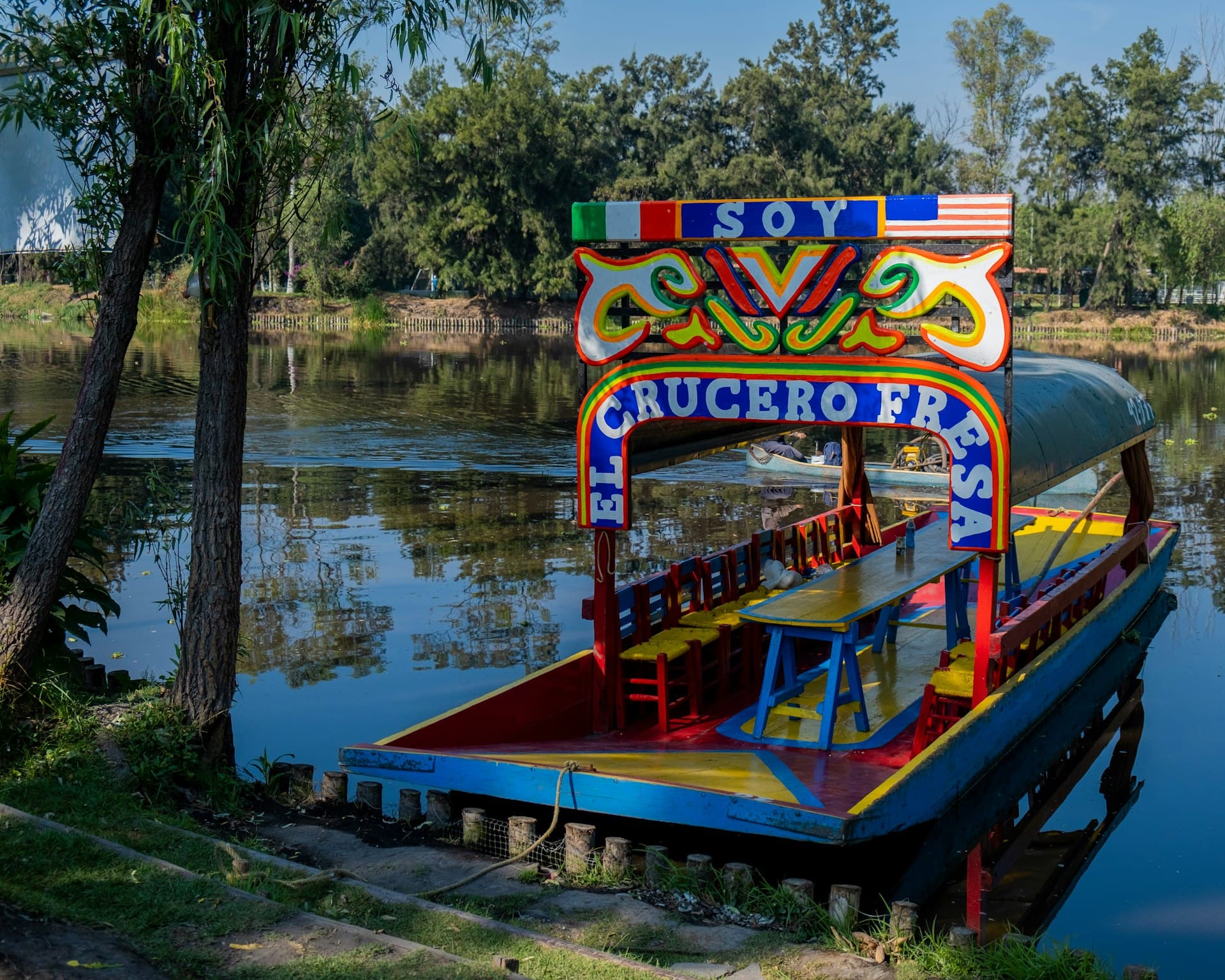 Photo: Vibe Adventures / Unsplash
Самостоятельная аудиопрогулка по Сочимилько — GPS-маршрут, офлайн-воспроизведение, увлекательное повествование на 32 языках.
“Где древние водные пути гудят современной фиестой, живое эхо цветочного прошлого.”
Не открытки. Истории, которые не знают даже местные жители — шепотом в вашем ухе, прямо там, где они произошли.
Красочные *трахинеры* Хочимилько славятся своей праздничной атмосферой, но их яркий вид — относительно недавнее явление.
Эти 'плавучие сады' кажутся нелогичными, поддерживая сельское хозяйство на протяжении веков, хотя на самом деле они не плавают.
Хочимилько — последнее естественное место обитания существа с необычайной способностью к регенерации.
Откройте для себя каждый секрет Сочимилько
Каждый адрес, каждое полное раскрытие — в вашем ухе, прямо там, где это произошло.
Вы выбираете остановки. Вы гуляете. Голос раскрывает то, что упускают другие.


Ваш самостоятельный аудиотур по Сочимилько готов — выберите свои достопримечательности, выберите свой язык и начните в момент прибытия.
КупитьВ Lume встроен гид дополненной реальности. Поднимите телефон: камера показывает улицу перед вами, а поверх реального изображения светится стрелка, всегда указывающая на вашу следующую остановку — не нужно разбираться с картой и сворачивать не туда. Как и всё в Lume, это работает полностью офлайн.
Хочимилько, южный район Мехико, предлагает живую атмосферу, погружающую в доиспанское прошлое, что резко контрастирует с раскинувшимся мегаполисом. Он известен своей обширной сетью древних каналов, наследием обширной озерной системы, которая когда-то покрывала долину Мехико. Здесь красочные трахинеры (плоскодонные лодки) скользят по водным путям, перевозя посетителей среди музыки, еды и радостной атмосферы.
Само название 'Хочимилько', происходящее от науатля, означает 'где растут цветы' или 'цветочные поля', что свидетельствует о его долгой истории как сельскохозяйственного региона, производящего цветы. Внесенный в список Всемирного наследия ЮНЕСКО в 1987 году, Хочимилько сохраняет уникальный культурный ландшафт, демонстрируя изобретательные чинампы (искусственные острова), которые поддерживали общины более тысячи лет.
История Хочимилько насчитывает более тысячелетия, первое присутствие человека в этом районе датируется общинами охотников-собирателей, которые в конечном итоге перешли к земледелию. Около 900 г. н.э. народ ксочимилька, одно из семи племен науа, установил здесь свое господство. Они были мастерами сельского хозяйства, разработав сложную систему чинамп — искусственных островов, построенных из грязи, тростника и растительности, закрепленных деревьями. Эти плодородные участки позволяли заниматься круглогодичным выращиванием, делая Хочимилько основным поставщиком продовольствия и цветов для столицы ацтеков Теночтитлана (современный Мехико).
Когда испанцы прибыли в XVI веке, они в значительной степени пощадили Хочимилько от разрушений, постигших Теночтитлан, признав его решающую роль в обеспечении продовольствием вновь основанного колониального города. Однако значительное наводнение в 1609 году привело к обширному осушению озерного бассейна, резко сократив первоначальные 750 км каналов до примерно 170 км, которые остались сегодня. Несмотря на эти изменения, Хочимилько продолжал свои сельскохозяйственные традиции на протяжении веков, доставляя свою продукцию в Мехико по каналам.
XX век принес изменение в идентичности Хочимилько. По мере расширения Мехико городская застройка начала вторгаться в систему чинамп. К 1930-м годам, когда традиционное сельское хозяйство стало менее жизнеспособным, фокус постепенно сместился на туризм. Улучшения в транспортной системе сделали Хочимилько более доступным, и традиция исследования каналов на лодке превратилась в оживленное, праздничное зрелище, которое мы видим сегодня, с красочными трахинерами, музыкой мариачи и плавучими торговцами. В 1987 году Хочимилько был признан за свое глубокое историческое и экологическое значение, получив статус объекта Всемирного наследия ЮНЕСКО. Сегодня предпринимаются усилия по сохранению его хрупкой экосистемы и восстановлению связи посетителей с его глубокими историческими и сельскохозяйственными корнями.
Главной достопримечательностью Хочимилько является неспешная прогулка на трахинере по его древним каналам. Эти ярко раскрашенные плоскодонные лодки предлагают уникальный взгляд на чинампы и оживленную культуру этого района. Вы можете нанять лодку на час, и многие посетители приносят свою еду и напитки или покупают их у плавучих торговцев, продающих тако, жареную кукурузу и мичелады. Группы мариачи часто плывут рядом, предлагая сыграть песни за плату, добавляя праздничной атмосферы.
Для тех, кто ищет более спокойный отдых, рассмотрите тур, посвященный экологическому заповеднику и традиционному сельскому хозяйству на чинампах. Помимо каналов, исследуйте исторический центр Хочимилько. Церковь Сан-Бернардино-де-Сьена, францисканский монастырь XVI века, отличается колониальной архитектурой и фресками. Местные рынки, включая Mercado de Xochimilco и различные цветочные рынки, дают представление о местной жизни и возможность приобрести ремесленные изделия и свежие продукты. Для искателей приключений поездка на Остров Кукол (Isla de las Muñecas), украшенный гниющими куклами, предлагает поистине жуткое зрелище, хотя до настоящего острова придется плыть дольше.
Хочимилько открыт ежедневно, трахинеры обычно работают с 9 утра до 6 или 7 вечера. Идеальное время для посещения зависит от ваших предпочтений. Для оживленной и праздничной атмосферы отлично подойдут выходные, особенно воскресные дни, когда многие мексиканские семьи приходят отпраздновать. Прибытие до 11 утра в выходные дни поможет избежать больших скоплений людей.
Если вы предпочитаете более спокойный и менее многолюдный отдых, рекомендуется посещать будние дни, особенно утренние часы (с 8 до 9 утра). Сухой сезон, с ноября по апрель, предлагает солнечную погоду и комфортную температуру, что делает его отличным временем для катания по каналам без опасений дождя. Март и апрель особенно красивы, так как чинампы в полном цвету.
Хочимилько находится примерно в 15 милях (24 км) к югу от центра Мехико. Самый удобный способ добраться — на такси (Uber или Didi), поездка займет около 45 минут до часа, в зависимости от трафика. Общественный транспорт — бюджетная альтернатива: сядьте на линию метро 2 (синяя линия) до станции Tasqueña, затем пересядьте на Tren Ligero (легкорельсовый транспорт) прямо до станции Xochimilco. Эта поездка обычно занимает около часа.
По прибытии направляйтесь к одному из основных эмбаркадеро (причалов), таких как Nuevo Nativitas или Las Flores Nativitas, для справедливых цен и удобств. Будьте готовы договариваться о цене аренды трахинеры, так как фиксированной ставки не всегда существует, хотя максимальная почасовая ставка есть (около 500 мексиканских песо в час или 25 долларов США в час за лодку). Рекомендуется иметь при себе песо мелкими купюрами для торговцев, туалетов и чаевых. Также рекомендуется солнцезащитный крем, головной убор и многоразовая бутылка для воды, особенно в солнечные часы. Хотя в целом безопасно, соблюдайте здравый смысл и следите за своими ценностями, особенно в общественном транспорте.
Сочимилько: корейский, китайский, иврит и ещё 29 языков — каждую остановку озвучивает носитель языка. Самый широкий выбор языков среди аудиоэкскурсий без гида.
Доступные языки: