Каналы Янагавы
Спокойные воды Янагавы, ныне мирное путешествие, когда-то служили гораздо более стратегической цели.
Полная история открывается в туре
 みんと at Japanese Wikipedia / Public domain, via Wikimedia Commons
Самостоятельная аудиопрогулка по Янагава — GPS-маршрут, офлайн-воспроизведение, увлекательное повествование на 32 языках.
“Плывите по вневременному пейзажу, где каналы гудят прошлым самураев и поэтов.”
Не открытки. Истории, которые не знают даже местные жители — шепотом в вашем ухе, прямо там, где они произошли.
Спокойные воды Янагавы, ныне мирное путешествие, когда-то служили гораздо более стратегической цели.
Это грандиозное поместье, когда-то принадлежавшее могущественному феодальному лорду, хранит секрет своего удивительного превращения.
Фирменное блюдо из угря Янагавы — это не просто местный деликатес; его уникальный метод приготовления имеет неожиданное происхождение.
Откройте для себя каждый секрет Янагава
Каждый адрес, каждое полное раскрытие — в вашем ухе, прямо там, где это произошло.
Вы выбираете остановки. Вы гуляете. Голос раскрывает то, что упускают другие.


Ваш самостоятельный аудиотур по Янагава готов — выберите свои достопримечательности, выберите свой язык и начните в момент прибытия.
КупитьВ Lume встроен гид дополненной реальности. Поднимите телефон: камера показывает улицу перед вами, а поверх реального изображения светится стрелка, всегда указывающая на вашу следующую остановку — не нужно разбираться с картой и сворачивать не туда. Как и всё в Lume, это работает полностью офлайн.
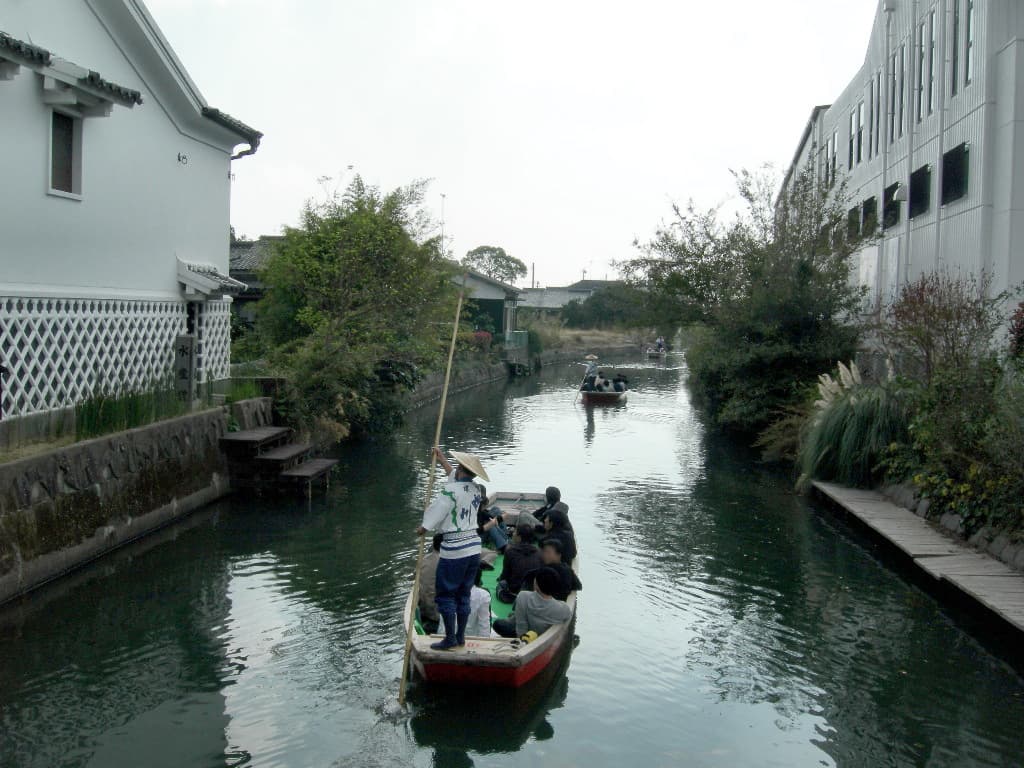
Янагава, часто называемый «Венецией Кюсю», — город в префектуре Фукуока, известный своей сложной сетью каналов. Имея около 930 километров водных путей, город предлагает спокойный отдых в ландшафте, где ивы нежно касаются воды, а традиционные плоскодонные лодки, известные как донкобунэ, бесшумно скользят. Эти лодочные прогулки, управляемые опытными лодочниками, которые часто делятся историями и поют местные песни, являются квинтэссенцией Янагавы, предлагая уникальный взгляд на очаровательные старые дома города, исторические мосты и сезонные пейзажи.
Помимо живописных каналов, Янагава — город, богатый культурным наследием и поэтической традицией. Это родина Хакусю Китахары, известного поэта эпохи Мэйдзи и автора детских песен, чье наследие отмечается по всему городу. Посетители могут осмотреть исторические места, такие как бывшая резиденция клана Татибана, Охана, которая включает виллу в западном стиле и традиционный японский сад. Янагава предлагает мирное погружение в аутентичную японскую культуру, что делает его идеальным местом для тех, кто ищет передышку от суеты больших городов.
## От укрепления до феодального владения Истоки Янагавы восходят к периоду Камакура (1185-1333), когда клан Камати основал укрепления в этом районе. Город действительно начал формироваться как дзёкамати, или замковый город, в середине 16 века с постройкой замка Янагава кланом Камати, который служил стратегическим центром провинции Тикуго.
## Клан Татибана и управление водными ресурсами Золотой век города начался в начале 17 века с прибытием клана Татибана. Татибана Мунсигэ, проницательный политик и военачальник, стал лордом замка Янагава в 1587 году по приказу Тоётоми Хидэёси. Мунсигэ изначально был лишен своих владений после того, как поддержал Западную армию в битве при Секигахаре в 1600 году, но был удивительно восстановлен в своем прежнем владении в Янагаве в 1620 году сёгунатом Токугава — редкое явное явление в японской истории. Клан Татибана правил Янагавским доменом веками, оказывая глубокое влияние на развитие города.
Отличительной чертой исторического развития Янагавы является его сложная система каналов. Эти водные пути, общей протяженностью около 930 километров, были первоначально задуманы в 16 веке как оборонительные рвы вокруг замка. Под руководством даймё Танаки Ёсимасы эта уникальная сеть была полностью создана, служа двойным целям: обороне и практическому применению, включая ирригацию рисовых полей и водоснабжение для повседневной жизни. Эффективное управление водными ресурсами позволило городу процветать экономически и культурно, способствуя развитию ремесел и традиций, которые сохраняются и по сей день.
Главной достопримечательностью Янагавы является его обширная сеть каналов. Традиционная лодочная прогулка на донкобунэ — это восхитительное путешествие, предлагающее неспешный проход по водным путям города продолжительностью 60-70 минут. Лодочники, или сэндо-сан, умело управляют плоскодонными лодками, часто делясь историческими анекдотами и исполняя местные народные песни. В холодные месяцы (с декабря по февраль) некоторые лодки даже оборудованы обогревателями котацу для комфорта пассажиров.
Еще одним значимым местом является Янагава Татибана-тэй Охана, бывшая резиденция клана Татибана. Это поместье включает в себя великолепный особняк в западном стиле Сэйёкан и изысканный традиционный японский сад Сёто-эн, признанный национальным памятником живописной красоты. Музей Татибана в поместье демонстрирует коллекцию антиквариата, охватывающую 400-летнюю историю семьи.
Для любителей литературы место рождения поэта Хакусю Китахары было преобразовано в музей, где выставлены его произведения и личные вещи. Помимо этих основных достопримечательностей, простое блуждание по переулкам вдоль каналов раскрывает очаровательную местную жизнь и предоставляет возможности для открытия небольших магазинов и закусочных.
В Янагаве влажный субтропический климат с отчетливыми сезонами. Весна (март и апрель) и осень (октябрь и ноябрь) обычно считаются наиболее приятным временем для посещения, предлагая комфортную температуру, идеальную для изучения. Весна особенно оживленная благодаря Янагавскому Хинамацури Сагэмон Тур (Фестиваль кукол) с 11 февраля по 3 апреля, с его изысканными экспозициями кукол и уникальными подвесными украшениями. Осенью в начале ноября проходит Фестиваль Хакусю, посвященный поэту, с чтением стихов, музыкой и вечерними лодочными прогулками. Лето (июнь-август) жаркое и влажное со значительным количеством осадков, а зима (декабрь-февраль) прохладная и сухая.
До Янагавы легко добраться из города Фукуока. Поездка на поезде от станции Nishitetsu Fukuoka до станции Nishitetsu-Yanagawa занимает около 45 минут. Находясь в Янагаве, основные причалы находятся в 5-10 минутах ходьбы от станции Nishitetsu Yanagawa. Хотя пешие прогулки — отличный способ исследования, велосипеды также доступны рядом с туристическими центрами или станцией для неспешного изучения каналов и старинных улиц.
Что касается проживания, традиционные рёканы (японские гостиницы) более распространены, чем крупные сетевые отели, предлагая уникальный опыт гостеприимства с традиционными ужинами и завтраками. Янагава считается очень безопасным местом, даже для вечерних прогулок. Удобная обувь для ходьбы необходима, а компактный зонт или легкий дождевик рекомендуется круглый год, особенно в сезон дождей летом.
Янагава: корейский, китайский, иврит и ещё 29 языков — каждую остановку озвучивает носитель языка. Самый широкий выбор языков среди аудиоэкскурсий без гида.
Доступные языки: