Bloedstad (Honmura Road)
Voordat het zijn moderne gloed kreeg, verdiende een bepaalde straat in Yokohama een nogal kleurrijke, zij het gewelddadige, bijnaam van vroege buitenlandse bewoners.
Volledig verhaal ontgrendeld in de tour
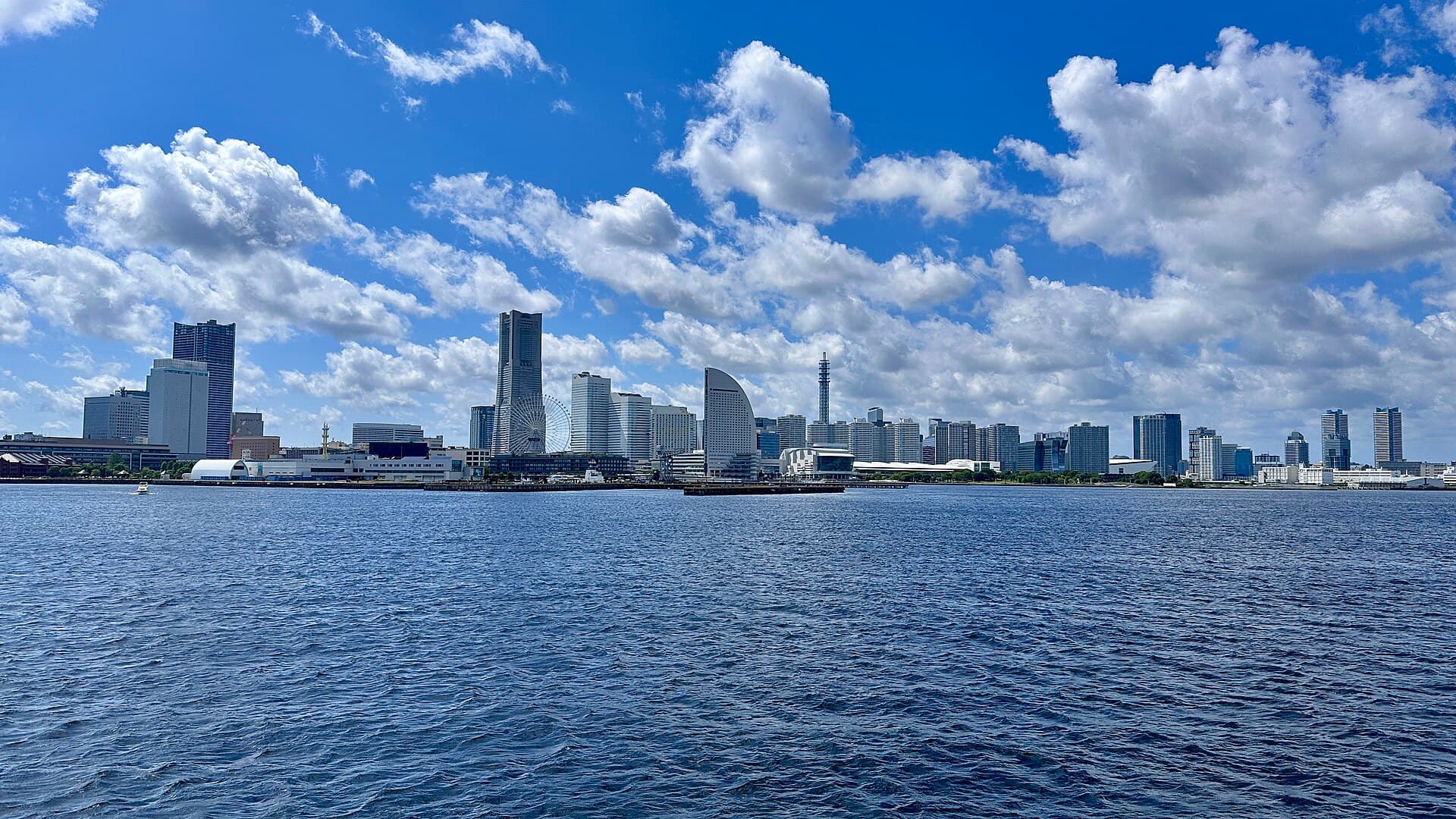 Akonnchiroll / CC BY-SA 4.0, via Wikimedia Commons
Zelfgeleide audiowandeling door Yokohama — GPS-route, offline afspelen, meeslepende vertelling in 32 talen.
“Waar Japan voor het eerst zijn deuren opende, combineert Yokohama internationale flair met een uitgesproken Japanse ziel.”
Niet de ansichtkaarten. De verhalen die zelfs locals niet kennen — gefluisterd in je oor, precies waar ze gebeurden.
Voordat het zijn moderne gloed kreeg, verdiende een bepaalde straat in Yokohama een nogal kleurrijke, zij het gewelddadige, bijnaam van vroege buitenlandse bewoners.
Dit kunstenaarsdistrict had ooit een heel andere, meer schimmige reputatie in het naoorlogse landschap van Yokohama.
Toen Yokohama voor het eerst zijn haven opende, stuitte de oprichting van een rosse buurt op een onverwachte uitdaging.
Ontdek elk geheim van Yokohama
Elk adres, elke onthulling volledig — in je oor, precies waar het gebeurde.
Jij kiest je stops. Jij wandelt. De stem onthult wat de anderen missen.
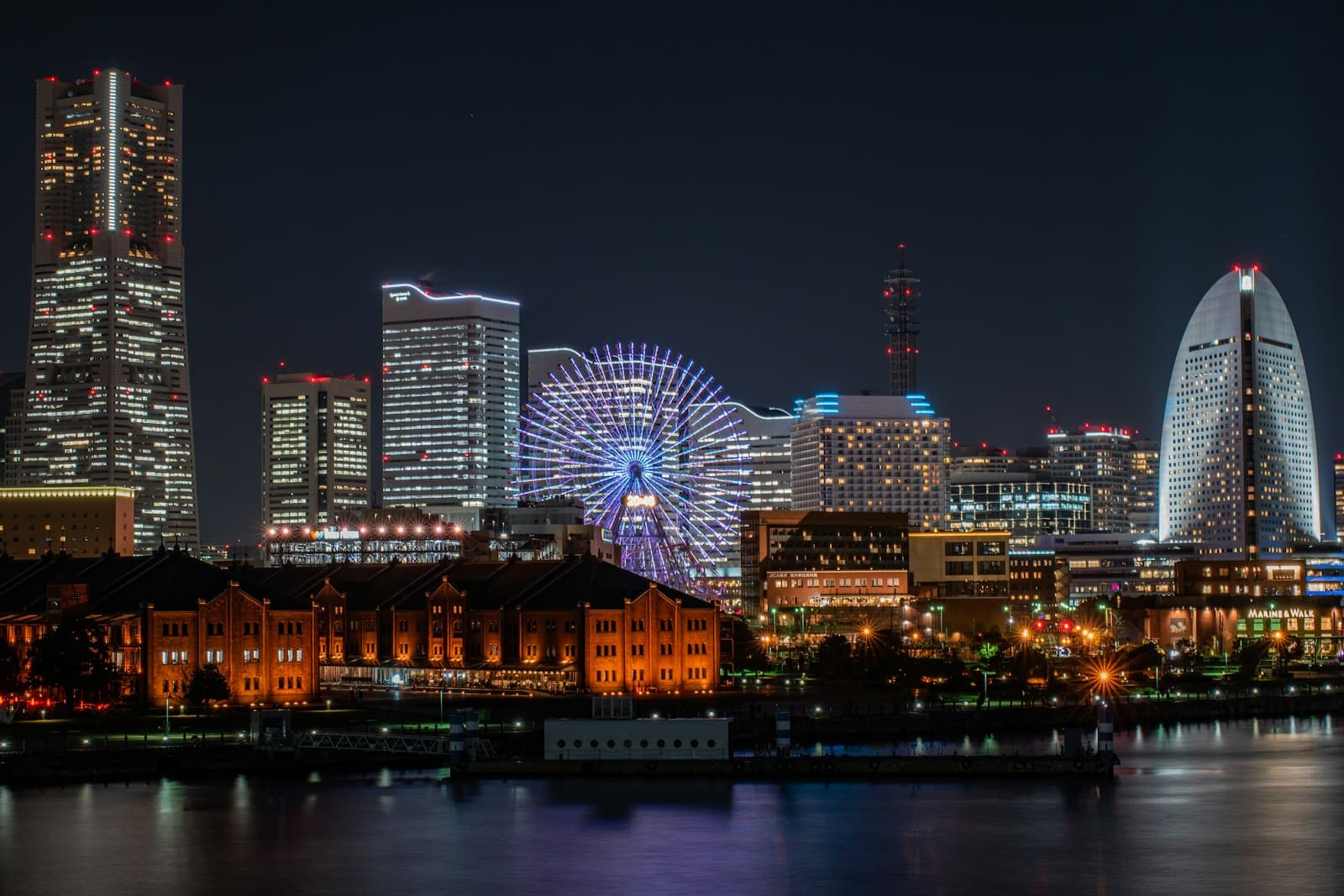
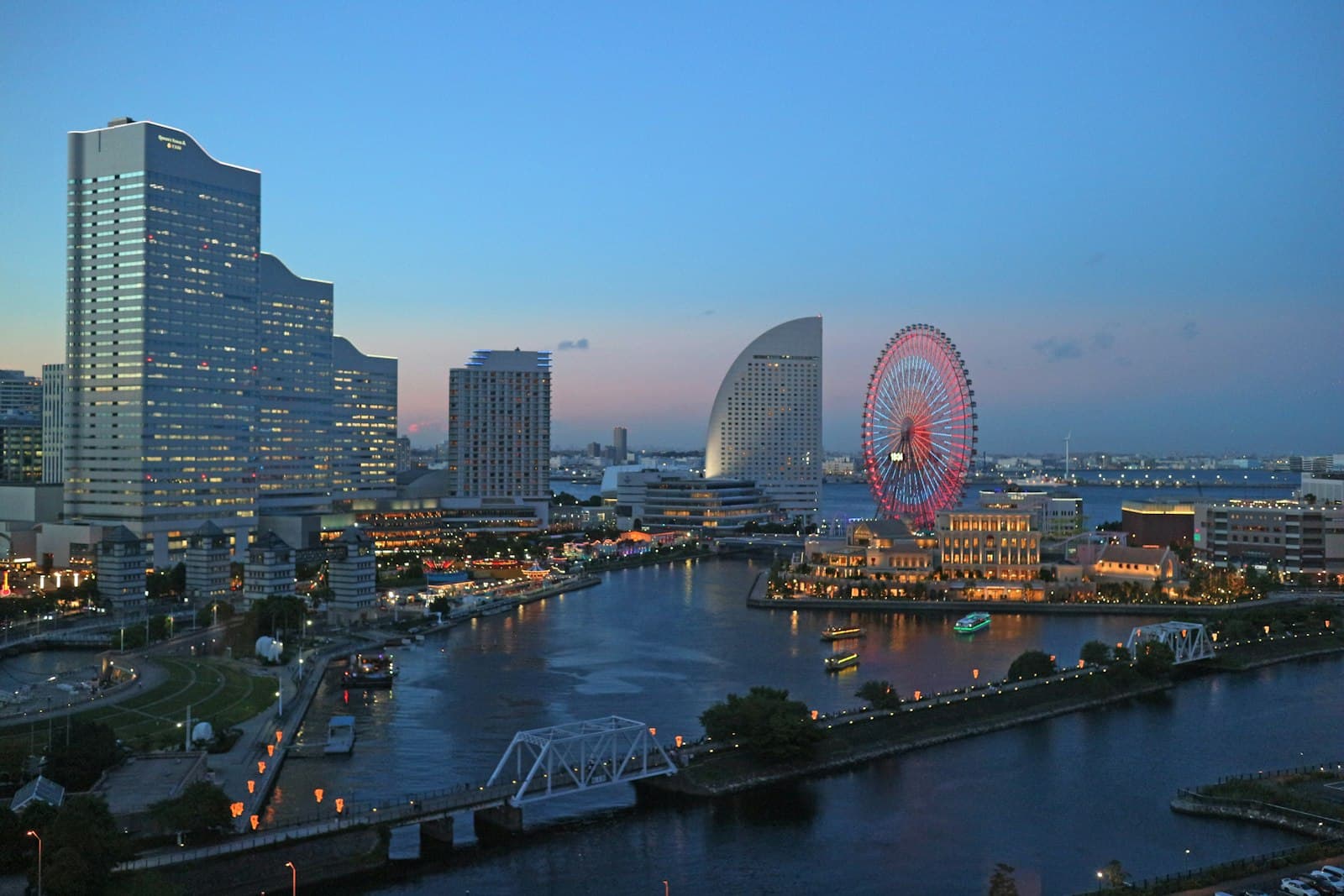
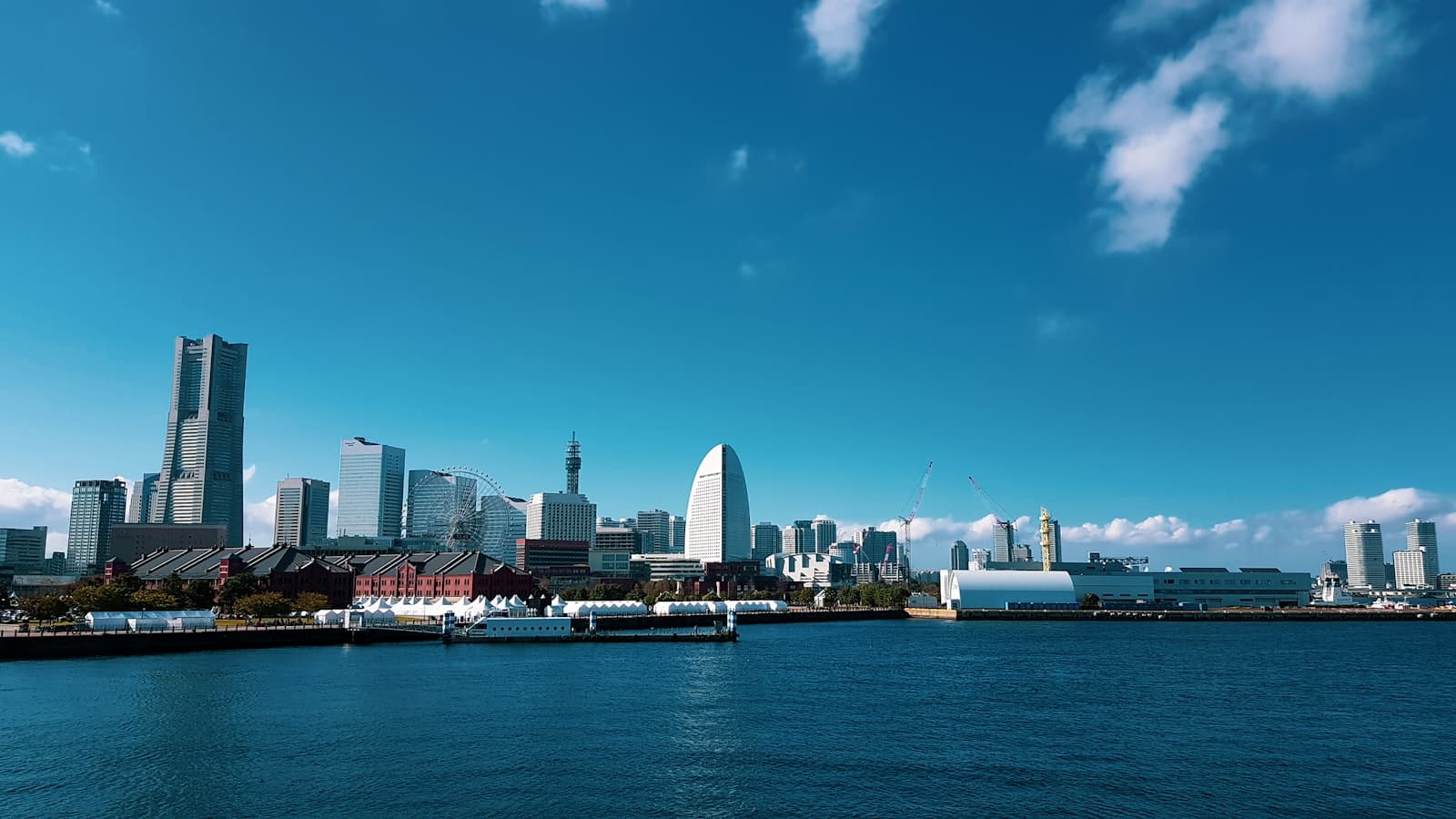
Je zelfgeleide audiotour van Yokohama is klaar — kies je bezienswaardigheden, kies je taal en start zodra je aankomt.
KopenLume heeft een ingebouwde augmented-reality-gids. Houd je telefoon omhoog: de camera toont de straat voor je, met een oplichtende pijl over het echte beeld die altijd naar je volgende stop wijst — geen kaart om uit te puzzelen, geen verkeerde afslagen. Zoals alles in Lume werkt het volledig offline.
Yokohama, de op één na grootste stad van Japan, biedt een boeiende mix van historische betekenis en moderne dynamiek. Op korte treinreis ten zuiden van Tokio ontwikkelde het zich van een klein vissersdorp tot een belangrijke internationale haven in 1859, wat de hernieuwde betrokkenheid van Japan met de wereld markeerde na eeuwen van isolatie. Deze havenstad werd al snel een toegangspoort voor nieuwe culturen en innovaties, wat haar de titel 'geboorteplaats van de moderne Japanse cultuur' opleverde.
Vandaag de dag is Yokohama een kosmopolitische hub, bekend om zijn opvallende skyline aan het water, diverse culinaire scene en een ontspannen tempo dat het onderscheidt van zijn drukke buurman, Tokio. Van de futuristische architectuur van Minato Mirai tot het historische karakter van de buitenlandse nederzettingsgebieden, Yokohama nodigt uit tot verkenning en onthult bij elke bocht lagen van zijn verleden en heden.
## Van Vissersdorp tot Internationale Poort Het verhaal van Yokohama begint als een bescheiden vissersdorp. Het traject veranderde dramatisch halverwege de 19e eeuw toen de vloot van Commodore Matthew C. Perry arriveerde, waardoor Japan gedwongen werd zijn havens te openen voor buitenlandse handel na eeuwen van isolatie. In 1859, onder het Harris-verdrag, werd Yokohama aangewezen als een van de eerste havens voor buitenlandse bewoning en handel in Japan. Deze beslissing was strategisch; Yokohama was geïsoleerder en gemakkelijker te reguleren dan Kanagawa-juku, een belangrijke poststation aan de hoofdroute Tōkaidō.
De opening van de haven stimuleerde snelle groei, waardoor Yokohama veranderde in een belangrijk handelscentrum. Het werd al snel een centrum voor innovatie, waar de eerste dagelijkse krant van Japan, gaslantaarns, ijs, een bierbrouwerij en een spoorlijn werden geïntroduceerd, die het in 1872 verbond met Shinbashi in Tokio. Tijdens de Meiji-periode vormden zijde-export de ruggengraat van de handel, met Groot-Brittannië als belangrijkste partner. Het internationale karakter van de stad verdiepte zich, met buitenlandse wijken die zich uitstrekten van Kannai tot de Bluff en de oprichting van de grootste Chinatown van Japan.
De groei van Yokohama kende echter ook uitdagingen. De stad werd in september 1923 bijna volledig verwoest door de Grote Kanto-aardbeving en daaropvolgende branden, die ongeveer 20.000 levens eisten. Ondanks deze verwoesting werd de stad met opmerkelijke snelheid herbouwd, grotendeels hersteld in 1929. Het leed verdere verwoesting tijdens geallieerde luchtaanvallen in 1945 tijdens de Tweede Wereldoorlog, waarbij de wederopbouw werd belemmerd door de naoorlogse Amerikaanse bezetting. Desalniettemin heeft Yokohama volgehouden en is het uitgegroeid tot een belangrijk economisch, cultureel en commercieel centrum, en een belangrijk onderdeel van het Groot-Tokio-gebied en de Keihin Industriële Zone.
Yokohama biedt een breed scala aan attracties. Verken Minato Mirai 21, het moderne havengebied van de stad, met attracties, winkels en schilderachtige uitzichten. Rijd in het reuzenrad Cosmo Clock 21 in Yokohama Cosmo World voor panoramische stadsgezichten, of bezoek het CupNoodles Museum om meer te leren over instantnoedels en zelfs je eigen creatie te maken. Op korte loopafstand bevinden zich de historische Rode Bakstenen Pakhuizen (Akarenga Soko), ooit douanegebouwen, nu met unieke winkels, restaurants en galerieën.
Dompel jezelf onder in de levendige sfeer van Yokohama Chinatown, de grootste van Japan, met zijn honderden Chinese restaurants en felgekleurde poorten. Voor een rustig uitje, wandel door Sankeien Garden, een traditionele Japanse tuin met historische gebouwen die uit heel Japan zijn verplaatst. Yamashita Park biedt een prachtige promenade aan het water met uitzicht op de haven en het historische schip Hikawa Maru, nu een museum. Voor een ander perspectief, ga naar het Yamate-district, ook wel 'de Bluff' genoemd, met zijn lommerrijke straten en landhuizen in westerse stijl die een glimp bieden van het internationale verleden van de stad. Ontdek het Shin-Yokohama Ramen Museum, een themapark over eten waar je verschillende regionale ramen kunt proeven in een nostalgische sfeer uit de jaren 50.
Yokohama is het hele jaar door een bestemming, maar de lente (maart-mei) en de herfst (eind september-november) bieden het meest aangename weer om te verkennen. In de lente sieren kersenbloesems parken zoals Yamashita Park en Sankeien Garden, wat schilderachtige landschappen creëert. De herfst brengt milde temperaturen, minder toeristen en kleurrijke herfstbladeren in de tuinen van de stad. Zomers (juni-augustus) zijn warm en vochtig, met festivals en levendige activiteiten aan de waterkant, hoewel airconditioning een weldaad is. Winters (december-februari) zijn koud maar over het algemeen mild, met schitterende verlichting, vooral bij de Rode Bakstenen Pakhuizen, en minder drukte.
Yokohama is gemakkelijk bereikbaar vanuit Tokio, minder dan 30 minuten verderop via verschillende treinen, waaronder de Tokaido Line, Yokosuka Line en Toyoko Line, vanaf grote stations zoals Shibuya en Shinagawa. Directe bussen en sneltreinen verbinden Haneda Airport in ongeveer 40 minuten, terwijl Narita International Airport ongeveer 90 minuten tot twee uur verderop ligt. Eenmaal in Yokohama zijn de meeste bezienswaardigheden rond het baaigebied binnen een korte straal, waardoor verkenning gemakkelijk is met de Minato Mirai Line, sightseeingbussen of te voet.
De lokale valuta is de Japanse Yen. Openbaar vervoer binnen Yokohama is uitgebreid, inclusief treinen, metro's, bussen en zelfs boten. Overweeg voor een unieke ervaring een ritje met een Cyclopolitain driewielertaxi in het Minato Mirai-gebied. Hoewel Yokohama over het algemeen veilig is, is het altijd verstandig om op je omgeving te letten. Toiletten in westerse stijl zijn gebruikelijk, vaak met geavanceerde functies, maar het is goed om op te merken dat toiletpapier niet altijd aanwezig is in openbare toiletten.
Yokohama — Koreaans, Chinees, Hebreeuws en nog 29 talen, elke stop verteld door een moedertaalspreker. Het grootste taalaanbod van alle zelfgeleide audiotours.
Beschikbaar in: