Менинские ворота
На Менинских воротах увековечены имена десятков тысяч солдат, но далеко не все, кто погиб в Ипрском выступе, перечислены там.
Полная история открывается в туре
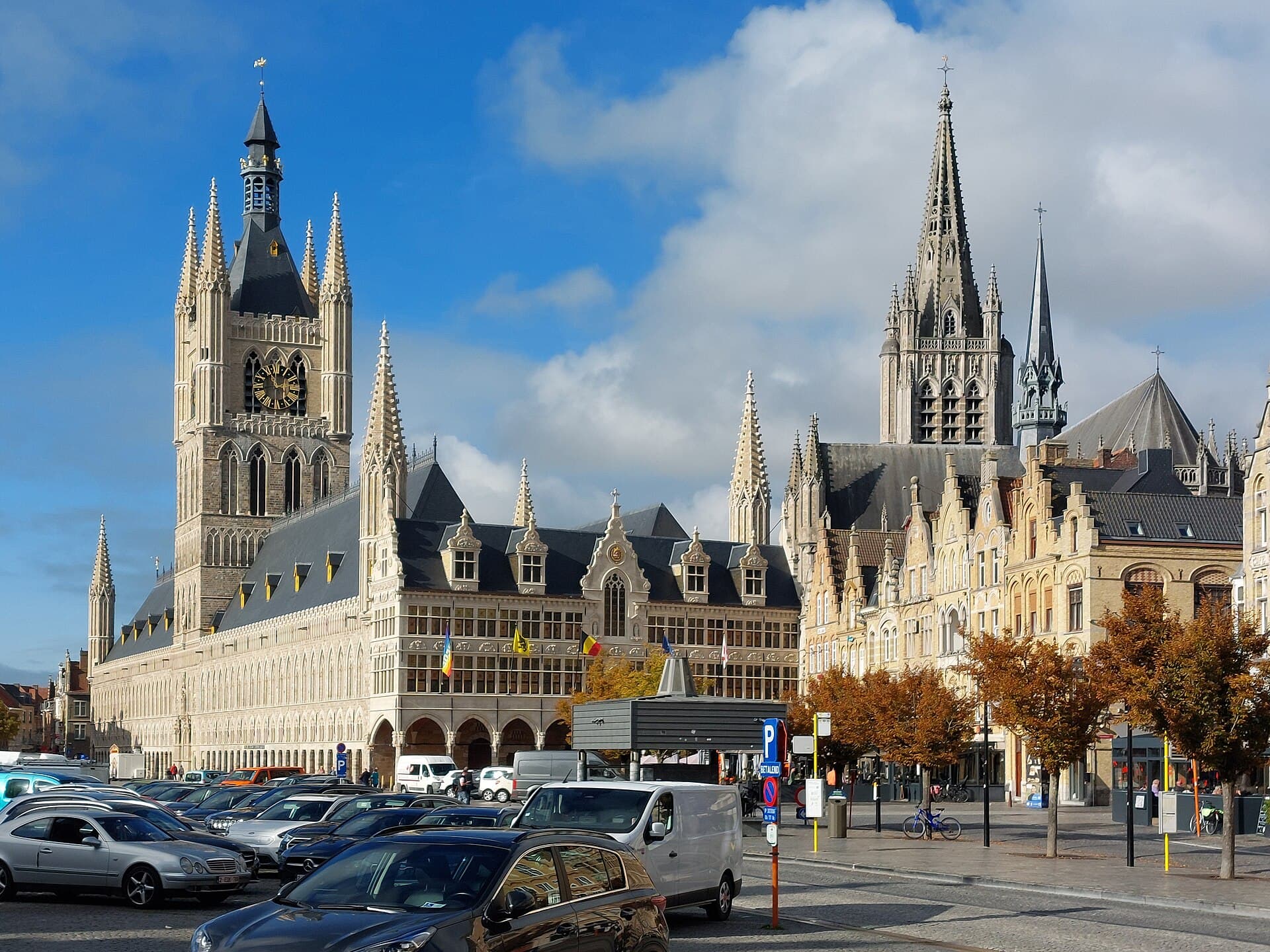 Marc Ryckaert / CC BY 4.0, via Wikimedia Commons
Самостоятельная аудиопрогулка по Ипр — GPS-маршрут, офлайн-воспроизведение, увлекательное повествование на 32 языках.
“Где отголоски истории встречаются с устойчивой красотой.”
Не открытки. Истории, которые не знают даже местные жители — шепотом в вашем ухе, прямо там, где они произошли.
На Менинских воротах увековечены имена десятков тысяч солдат, но далеко не все, кто погиб в Ипрском выступе, перечислены там.
До Первой мировой войны Суконные ряды были одним из крупнейших и наиболее хорошо сохранившихся готических коммерческих зданий Европы. Его реставрация после почти полного разрушения вызвала ожесточенные споры.
Каждые три года Ипр проводит причудливый парад, посвященный кошкам, который завершается тем, что шут бросает плюшевые игрушки с колокольни. Эта очаровательная традиция имеет удивительно мрачное происхождение.
Откройте для себя каждый секрет Ипр
Каждый адрес, каждое полное раскрытие — в вашем ухе, прямо там, где это произошло.
Вы выбираете остановки. Вы гуляете. Голос раскрывает то, что упускают другие.


Ваш самостоятельный аудиотур по Ипр готов — выберите свои достопримечательности, выберите свой язык и начните в момент прибытия.
КупитьВ Lume встроен гид дополненной реальности. Поднимите телефон: камера показывает улицу перед вами, а поверх реального изображения светится стрелка, всегда указывающая на вашу следующую остановку — не нужно разбираться с картой и сворачивать не туда. Как и всё в Lume, это работает полностью офлайн.
Ипр, или Ипер, как его называют по-голландски, — бельгийский город в провинции Западная Фландрия, признанный за его глубокое историческое значение. Несмотря на то, что это относительно небольшой город с населением около 35 000 человек, его название известно во всем мире благодаря его ключевой роли во время Первой мировой войны. Город был почти полностью разрушен во время конфликта, но затем тщательно восстановлен, причем многие его исторические сооружения были точно реконструированы в соответствии с их первоначальными средневековыми проектами.
Сегодня Ипр является трогательным живым мемориалом, прекрасно сочетающим отреставрированную фламандскую архитектуру с бесчисленными военными мемориалами, кладбищами и музеями. Посетителей привлекает его гостеприимная атмосфера, стремящихся понять огромные жертвы, принесенные в окрестностях, известных как Ипрский выступ. Помимо своего военного наследия, Ипр предлагает очаровательный отдых с его оживленной рыночной площадью, местной кухней и неизменной ежедневной церемонией «Последний пост» у Менинских ворот.
История Ипра уходит корнями в глубокую древность, а его название, вероятно, происходит от реки Иперле, на берегах которой он был основан. К XII и XIII векам Ипр процветал как богатый и могущественный город, став одним из трех крупнейших центров производства тканей в графстве Фландрия, наряду с Гентом и Брюгге. К 1260 году его население достигло примерно 40 000 человек, а его текстиль продавался даже в Новгороде. Колоссальные Суконные ряды, свидетельство этого процветания, были построены между 1200 и 1304 годами и служили центральным рынком и складом для процветающей текстильной промышленности.
Однако стратегическое расположение Ипра также делало его частой мишенью в конфликтах. Он подвергался осадам много раз, включая безуспешную, но разрушительную осаду англичанами в 1383 году во время Столетней войны, которая способствовала его упадку. В XVII и XVIII веках город также переходил из рук в руки французских, испанских и габсбургских войск, что привело к строительству мощных укреплений военными инженерами, такими как Вобан.
XX век принес Ипру его самую определяющую и разрушительную главу. Во время Первой мировой войны Ипр стал эпицентром ожесточенных боев на Западном фронте, известных британским войскам как «Wipers». Город находился в выступе, выступе на линии союзников, что означало, что он был окружен вражескими силами с трех сторон, которые занимали стратегически выгодное высокое положение. Это сделало Ипр и окружающий Ипрский выступ местом четырех крупных сражений между 1914 и 1918 годами.
Первая битва при Ипре (октябрь-ноябрь 1914 г.) установила выступ и остановила немецкое наступление. Во Второй битве (апрель-май 1915 г.) произошло первое крупномасштабное применение отравляющего газа в военной истории — хлора, примененного немцами. Третья битва при Ипре (июль-ноябрь 1917 г.), также известная как Пашендейль, стала синонимом огромных потерь: около 300 000 жизней союзников было потеряно при минимальных территориальных приобретениях. В течение этих четырех лет Ипр подвергался непрерывным обстрелам, превратив некогда величественный средневековый город в руины.
Несмотря на предложения оставить Ипр в качестве мавзолея, решимость его жителей привела к замечательной реконструкции. Используя немецкие репарации, город был тщательно восстановлен до своего довоенного облика, особенно главная площадь, Суконные ряды и ратуша. Эта приверженность исторической точности означает, что, хотя здания являются копиями, они служат мощными символами стойкости и памяти.
Сердце Ипра — это Grote Markt (Главная площадь), где доминируют величественные Суконные ряды (Lakenhalle). Этот готический шедевр, тщательно восстановленный после Первой мировой войны, вмещает Музей «Поля Фландрии», предлагающий погружение в историю войны.
Прямо за Суконными рядами находится Собор Святого Мартина, еще одно свидетельство реконструкции города, с его впечатляющим готическим интерьером. Короткая прогулка ведет к Мемориалу «Менинская ворота» без вести пропавшим, монументальной арке с именами более 54 000 британских и содружеских солдат, чья могила неизвестна. Каждый вечер в 20:00 здесь звучит Церемония «Последний пост», исполняемая добровольцами-горнистами из местной пожарной бригады, — трогательная дань, которая проводится почти непрерывно с 1928 года.
За пределами центра города Ипрский выступ включает в себя многочисленные военные кладбища и мемориалы. Среди примечательных мест — Кладбище Тьенкот, одно из крупнейших кладбищ Содружества в мире, и места сражений, такие как Холм 60, где до сих пор видны воронки и бункеры. Посетители также могут исследовать хорошо сохранившиеся окопы в Музее «Святилище леса» (Холм 62). Для более спокойного отдыха прогуляйтесь по крепостным валам Старого города, построенным Вобаном в XVII веке, которые образуют мирный зеленый пояс вокруг города.
Ипр предлагает увлекательное времяпрепровождение круглый год, хотя самая приятная погода для изучения окрестностей — весной и осенью. С мая по сентябрь обычно наблюдается самая благоприятная погода с температурой от 19°C до 24°C. Лето популярно, но может быть многолюдным. Зима обеспечивает более тихую, более задумчивую атмосферу, особенно для посещения военных мемориалов и кладбищ, а в декабре на Суконных рядах проводится рождественский рынок. С апреля по октябрь — лучшее время для сухой погоды для прогулок по полям сражений. Трехгодичный Парад кошек (Kattenstoet) — уникальное событие, обычно проводимое во второе воскресенье мая, следующее запланировано на 2025 год.
По Ипру легко передвигаться пешком, большинство основных достопримечательностей расположены на Главной площади или рядом с ней. Велосипеды можно взять напрокат, что особенно полезно для изучения окрестностей Ипрского выступа. В городе есть собственный железнодорожный вокзал, хотя для поездок в некоторые крупные города может потребоваться пересадка в Кортрейке. Автобусы доступны для местного передвижения. Если вы едете из Великобритании, воспользуйтесь паромом или Евротоннелем до Франции, а затем около часа езды. Варианты размещения варьируются от бутик-отелей до семейных B&B. Официальный язык — нидерландский (Ипер), хотя французское название (Ипр) часто используется в английском.
Ипр: корейский, китайский, иврит и ещё 29 языков — каждую остановку озвучивает носитель языка. Самый широкий выбор языков среди аудиоэкскурсий без гида.
Доступные языки: