Zaandam, NetherlandsMalis / Public domain, via Wikimedia Commons
NL

Zaandam

Where the turning sails of history meet the bold lines of contemporary design.

The secrets of Zaandam

Zaandam, as no one tells it.

Not the postcards. The stories even locals don't know — whispered in your ear, right where they happened.

3 secrets below. Many more wait inside the tour.
Inntel Hotels Amsterdam Zaandam

The striking facade of this hotel is more than a quirky design choice.

Full story unlocks in the tour
Czar Peter House

A modest wooden house holds a surprising secret about a powerful European ruler.

Full story unlocks in the tour
Zaandam's Zaan River

Beyond its scenic views, this waterway played a pivotal role in a global event.

Full story unlocks in the tour
The full tour

Discover every secret of Zaandam

Every address, every reveal in full — in your ear, right where it happened.

Get the key to Zaandam

You pick your stops. You walk. The voice reveals what the others miss.

Choose your time

How long do you have in Zaandam?

No tours available yet. Check back soon — we're preparing them.

About Zaandam

The story of Zaandam

A short train journey north of Amsterdam, Zaandam presents a distinct Dutch experience, weaving together industrial heritage with captivating architecture and tranquil landscapes. This city, the primary center of the Zaanstad municipality, is defined by its characteristic green wooden houses and the meandering Zaan River. Zaandam offers a quieter alternative to the capital's bustle, making it an excellent base for exploring the North Holland province.

The city's particular allure extends from its historical roots as an industrial powerhouse to its contemporary architectural statements. Visitors can immerse themselves in centuries of Dutch innovation, from the iconic windmills of Zaanse Schans to the modern "Neo-Zaan" style buildings that playfully reimagine traditional designs. Zaandam invites you to slow your pace, explore its walkable center, and uncover a different rhythm of Dutch life.

Zaandam is more than just a passage to the renowned Zaanse Schans open-air museum; it is a destination in its own right, offering a rich arrangement of culture, history, and natural splendor. Whether you are cycling through pastoral landscapes, browsing local markets, or simply enjoying a canalside view, Zaandam provides a memorable glimpse into the authentic Netherlands.

History

From Marshland to Industrial Might

Zaandam's narrative is deeply intertwined with the persistent Dutch endeavor against water. The city's beginnings trace back to a dam constructed around 1288 on the Zaan River, a crucial structure that protected the land from flooding and eventually led to the growth of two settlements: Oostzaandam and Westzaandam. These villages, initially developing independently, were officially united into the single city of Zaandam in 1811 by decree of Napoleon Bonaparte during French rule.

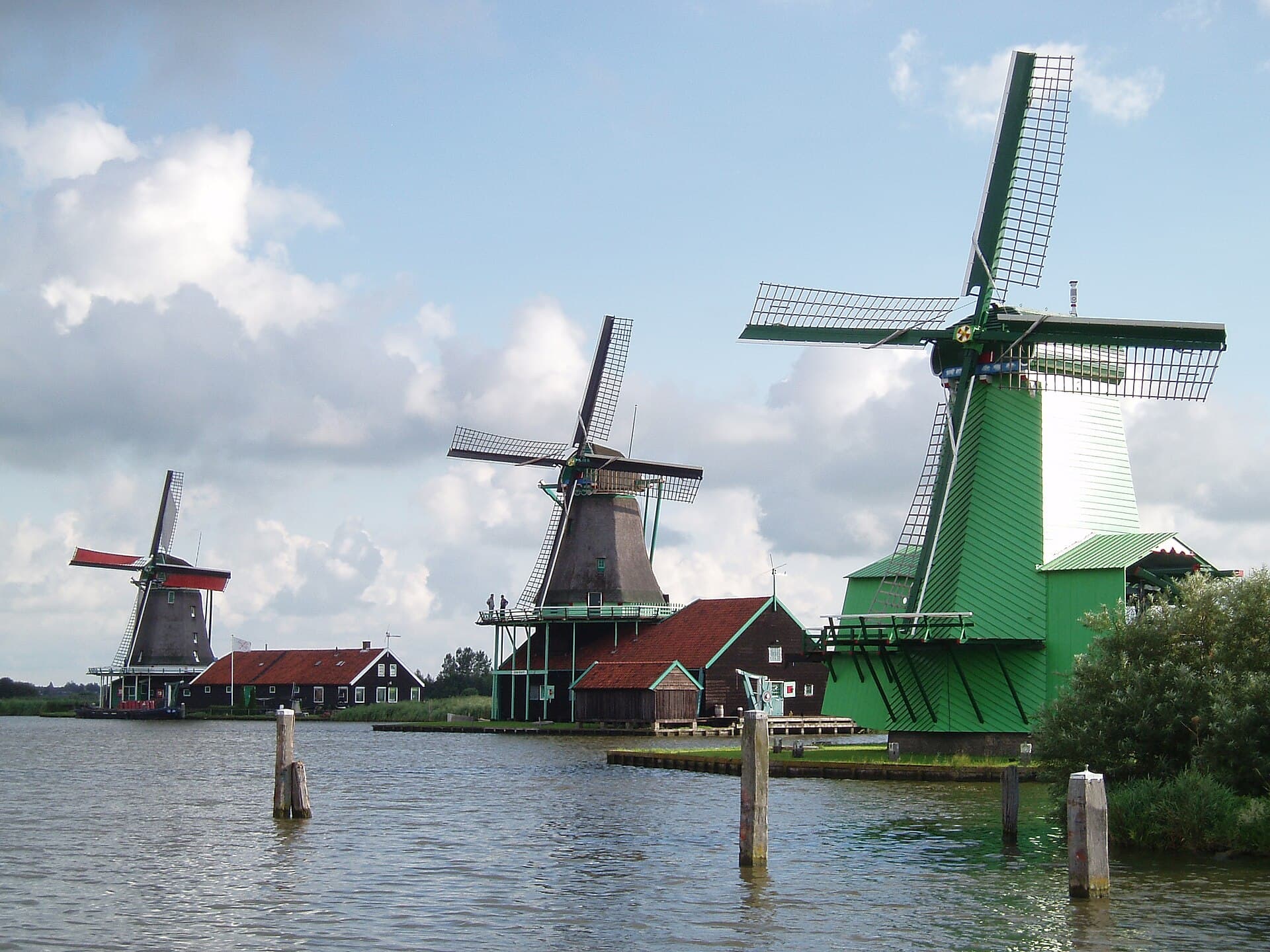
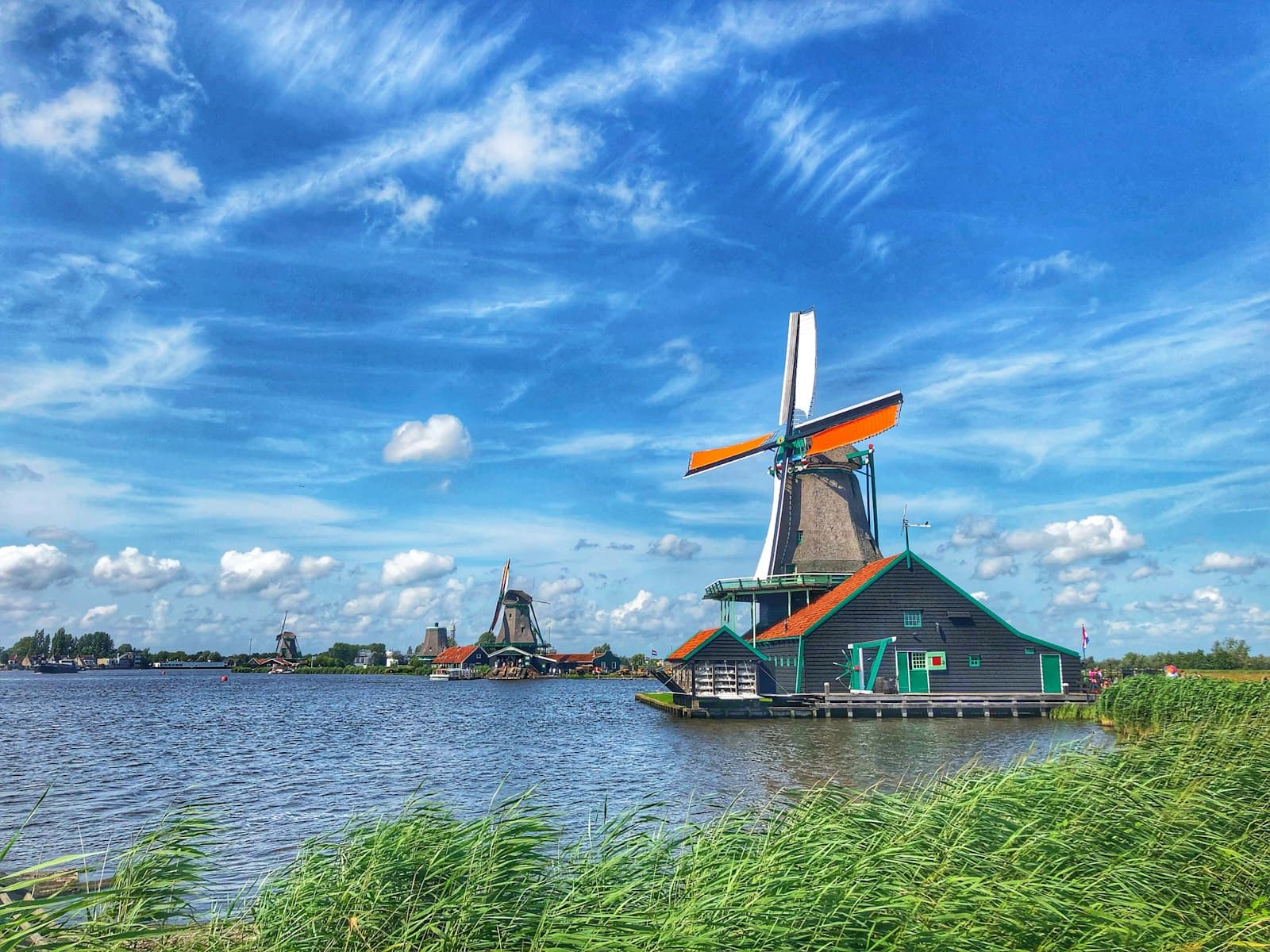
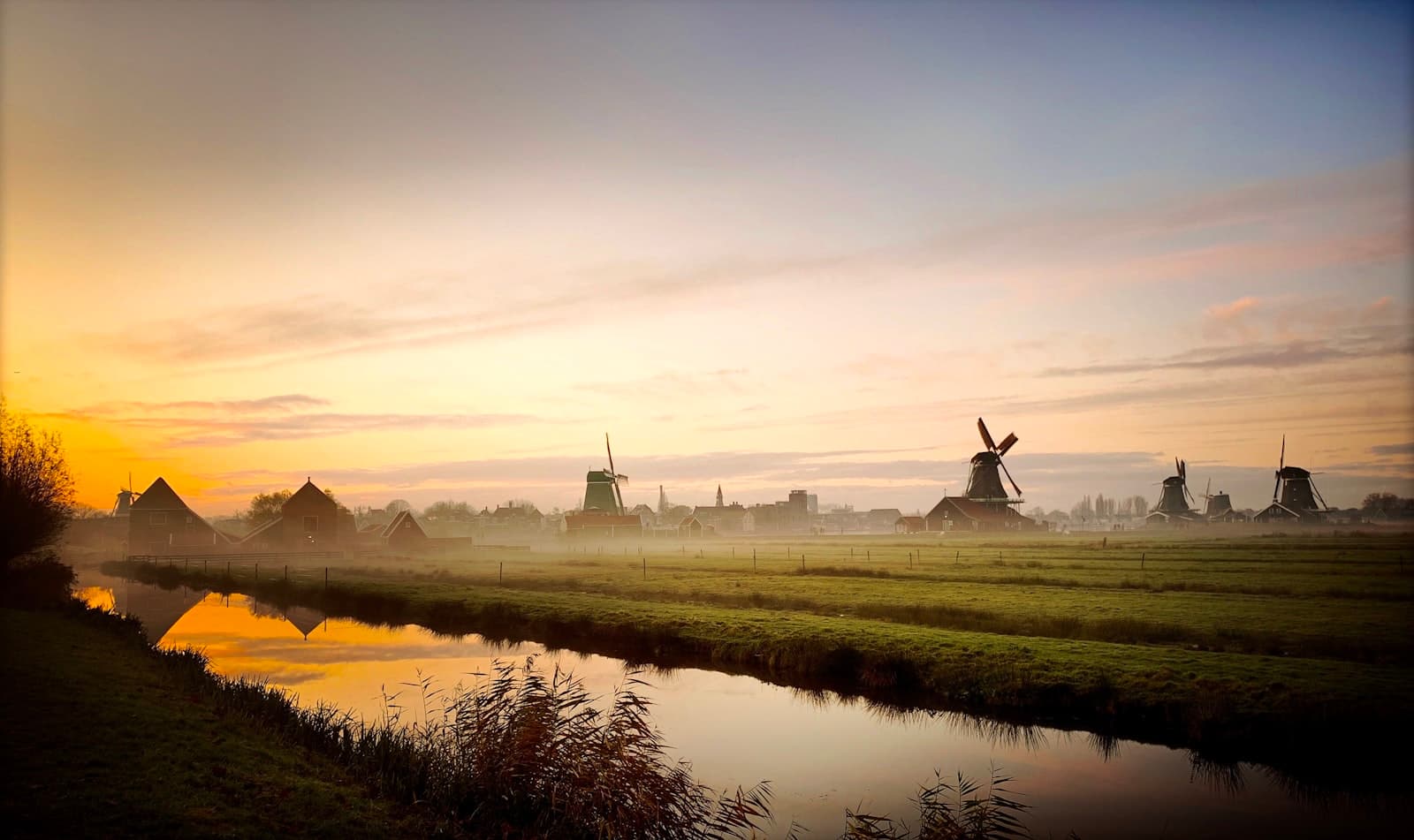
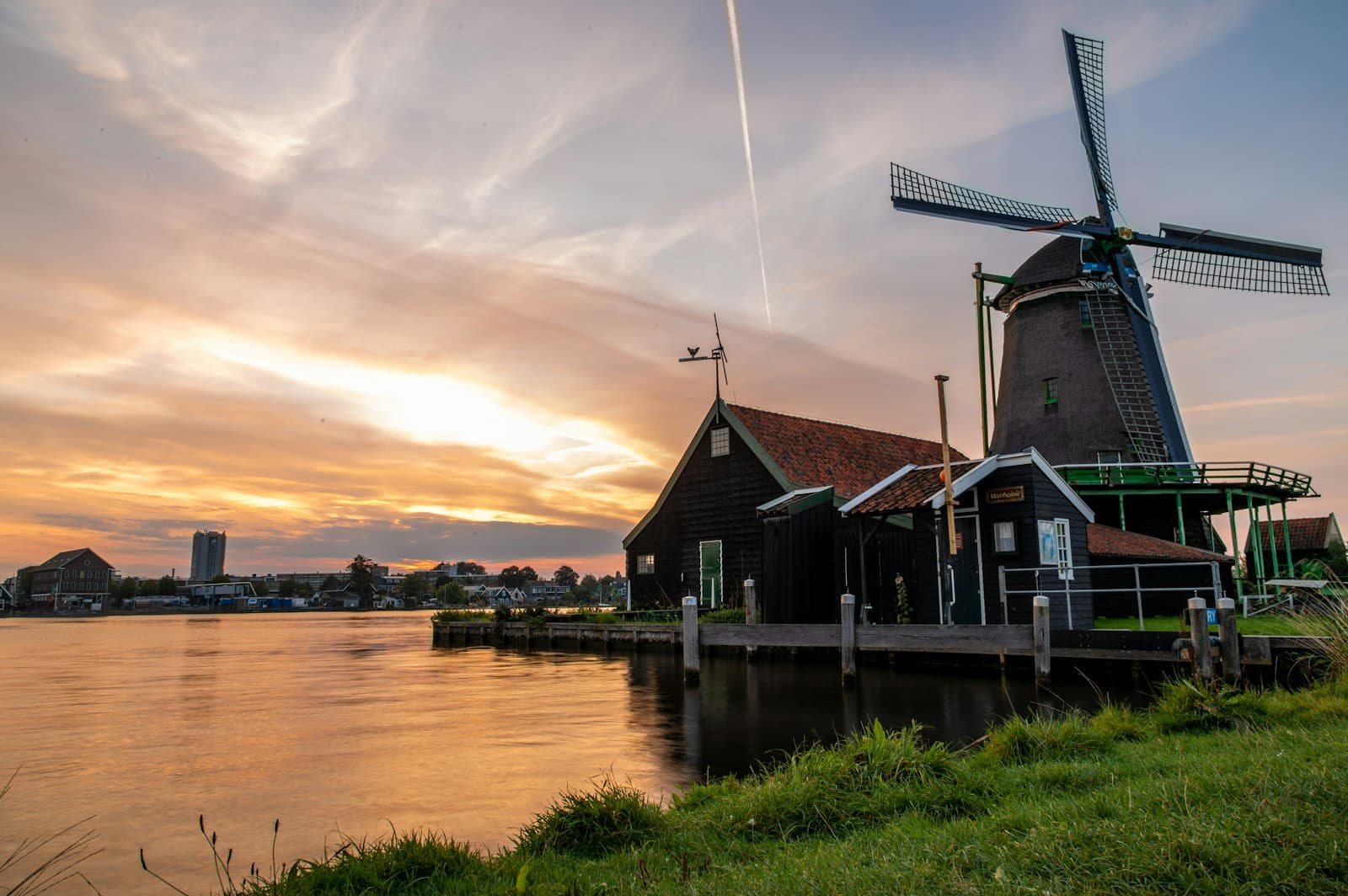
During the Dutch Golden Age in the 17th century, the Zaan region transformed into one of the world's first large-scale industrial areas. Hundreds of windmills, driven by the constant winds across the flat landscape, became the engines of this economic surge. These mills were not just for grinding grain; they powered sawmills, oil mills, and paper production, establishing Zaandam as a global center for shipbuilding and processing colonial goods. The Zaan River facilitated the transport of timber and other raw materials, connecting the region to Amsterdam, then the largest port in the world.

This industrial prominence drew notable figures. In 1697, Russian Czar Peter I famously visited Zaandam incognito to study Dutch shipbuilding techniques. His brief stay in a small wooden house, now preserved as the Czar Peter House museum, underscores the city's advanced technological development at the time. Centuries later, in 1871, the Impressionist painter Claude Monet resided in Zaandam for about half a year, captivated by the clear air, windmills, and wooden houses, producing 25 paintings and 9 sketches of the landscape.

In the 20th century, Zaandam became part of the larger Zaanstad municipality in 1974. The early 21st century witnessed a significant urban development program, the "Inverdan" renovation project, which revitalized the city center. This project introduced a distinctive "Neo-Zaan" architectural style, characterized by buildings that blend modern engineering with the aesthetics of traditional green wooden houses, such as the prominent Inntel Hotels Amsterdam Zaandam.

What to see

Begin your exploration at the Inntel Hotels Amsterdam Zaandam, an architectural marvel whose facade is a playful stack of nearly 70 traditional green Zaan houses. Nearby, the Czar Peter House (Czaar Peterhuisje) offers a glimpse into history, a modest wooden dwelling where Peter the Great once resided. Wander along the Gedempte Gracht, a lively street in the city center with shops and cafes.

A short journey from the city center leads you to Zaanse Schans, an open-air museum that stands as a living testament to the Zaan region's industrial past. Here, you can explore historic working windmills, observe traditional crafts like clog making and cheese production, and visit museums such as the Zaans Museum and the Museum Zaanse Tijd, dedicated to Dutch clocks. For a taste of local life, visit the Zaandam Market on Rozengracht Square every Thursday and Saturday, where you will find fresh produce, Dutch cheeses, baked goods, and local snacks like stroopwafels. Consider renting a bike to explore the surrounding countryside, with its polderland, dairy farms, and wildflower fields, or take a small boat tour on the Zaan River for a different perspective of the region's working waterways.

When to visit

Zaandam welcomes visitors year-round, but the most agreeable time for pleasant weather and verdant scenery is from April through October. Spring (March to May) offers comfortable temperatures for walking and cycling, with average daytime highs between 10°C and 18°C. While Zaandam itself does not feature tulip fields, it is a brief trip to Keukenhof during this season. Summer (June to August) is the warmest period, with average temperatures between 16.6°C and 18.5°C, and daily highs often reaching 20-21°C. This is the busiest tourist season, particularly at Zaanse Schans. Autumn (September to November) brings cooler air and fewer crowds, with September still offering pleasant late-summer sun. Winter (December to February) is cool and damp, with average temperatures around 5-6°C, offering a cozy atmosphere in local pubs and bakeries.

Practical

Zaandam is readily accessible from Amsterdam. Sprinter trains from Amsterdam Central Station depart frequently, taking approximately 15-18 minutes. If arriving by air, a direct train from Amsterdam's Schiphol Airport to Zaandam takes less than 20 minutes. The city center of Zaandam is compact and easily walked, with most attractions within a 5-15 minute stroll from the train station. To explore the Zaan region, including Zaanse Schans, cycling is highly recommended due to the flat terrain and extensive bike paths. You can rent bikes in central Zaandam or even transport one from Amsterdam via a free ferry. Public transport, including buses, is available for longer distances, though less frequent in rural areas. Consider purchasing the Zaanse Schans Card online for good value, as it includes museum access and windmill entry.

Good to know
What is Zaandam primarily known for?
Zaandam is primarily known as the gateway to Zaanse Schans, an open-air museum celebrated for its historic working windmills and traditional green wooden houses.
Is Zaandam worth visiting as a day trip from Amsterdam?
Yes, Zaandam is an excellent day trip from Amsterdam, providing a unique blend of industrial heritage, distinctive architecture, and a quieter, more authentic Dutch experience.
How do I travel to Zaandam from Amsterdam?
You can easily reach Zaandam from Amsterdam by taking a direct train from Amsterdam Central Station, which typically takes about 15-18 minutes.
What kind of architecture can I observe in Zaandam?
Zaandam features unique architecture, including traditional green wooden houses and modern buildings like the Inntel Hotels Amsterdam Zaandam, which resembles a stack of these traditional houses.
Are there markets in Zaandam?
Yes, the Zaandam Market takes place every Thursday and Saturday on Rozengracht Square, offering fresh produce, local delicacies, and a glimpse into local life.
Did Claude Monet paint in Zaandam?
Yes, Claude Monet resided in Zaandam for about half a year in 1871 and was so moved by the landscape that he created 25 paintings and 9 sketches of the area.
Zaandam
From€9.00
No booking · activate anytime · 12h to walk it
Get the key to Zaandam