Porto di Gongbei
L'attraversamento del confine tra Zhuhai e Macao è animato da un fiume costante di persone. Anche in questo vivace snodo, un piccolo e curioso dettaglio spesso sfugge all'attenzione.
La storia completa si sblocca nel tour
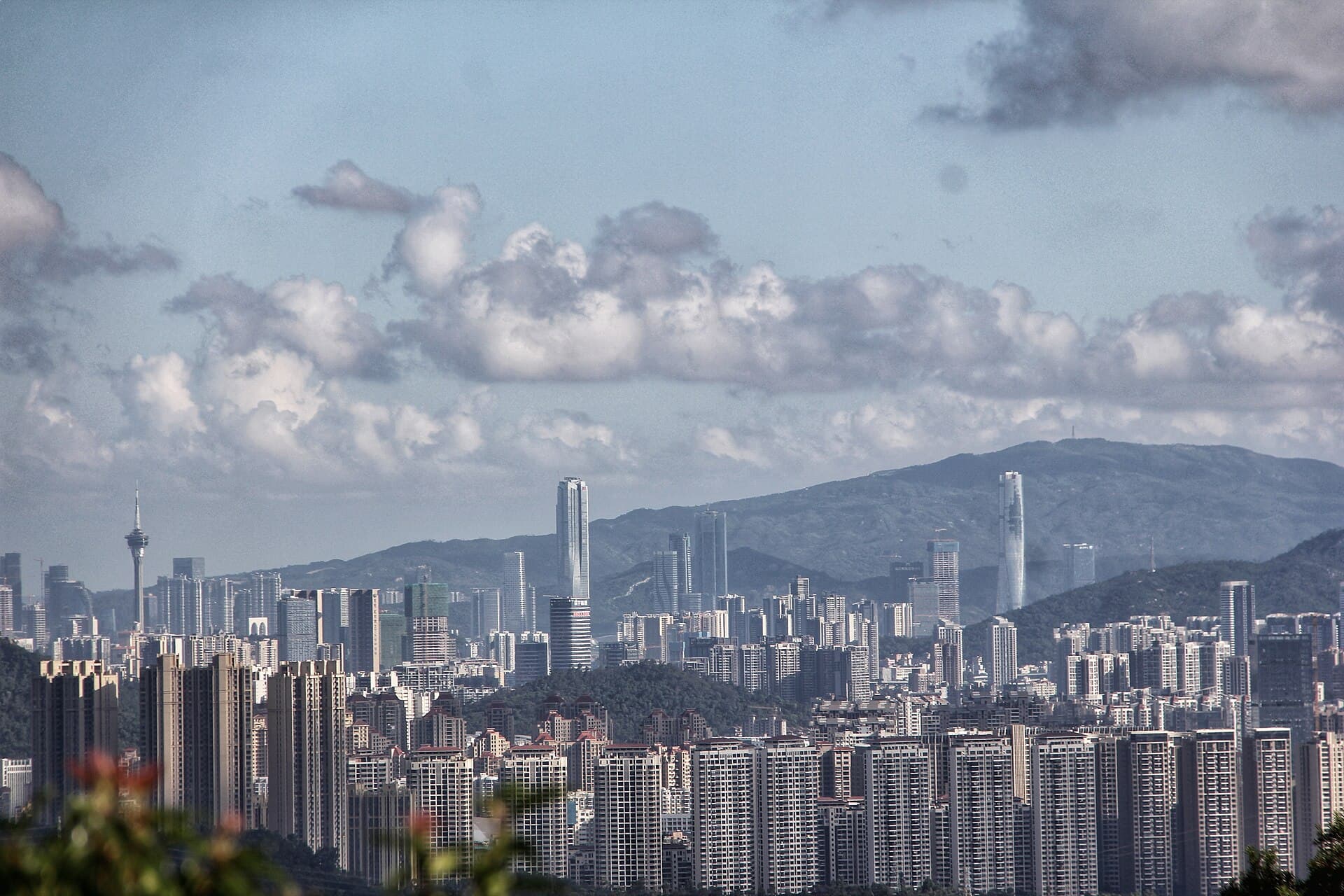 Chinyen Lu / CC BY-SA 4.0, via Wikimedia Commons
Tour audio autoguidato di Zhuhai — percorso GPS a piedi, riproduzione offline, narrazione coinvolgente in 32 lingue.
“Dove il Fiume delle Perle incontra il Mar Cinese Meridionale, una città di isole e innovazione.”
Non le cartoline. Le storie che nemmeno i locali conoscono — sussurrate nel tuo orecchio, proprio dove sono accadute.
L'attraversamento del confine tra Zhuhai e Macao è animato da un fiume costante di persone. Anche in questo vivace snodo, un piccolo e curioso dettaglio spesso sfugge all'attenzione.
Questa meraviglia architettonica, a forma di due immense conchiglie, si erge come un'icona della città, soprattutto quando è toccata dal bagliore del tramonto. Eppure, il suo design singolare racchiude un segreto oltre la mera estetica.
Questa ampia passeggiata costiera invita a tranquille passeggiate e offre ampie viste sull'oceano. Tuttavia, una particolare pratica locale qui rivela una sottile sfumatura culturale.
Scopri ogni segreto di Zhuhai
Ogni indirizzo, ogni rivelazione completa — nel tuo orecchio, proprio dove è accaduta.
Scegli le tue tappe. Cammini. La voce rivela ciò che gli altri perdono.

Il tuo tour audio autoguidato di Zhuhai è pronto — scegli i tuoi punti di interesse, seleziona la tua lingua e inizia nel momento in cui arrivi.
AcquistaLume include una guida in realtà aumentata. Alza il telefono: la fotocamera mostra la strada davanti a te, con una freccia luminosa sovrapposta all'immagine reale che punta sempre verso la tua prossima tappa — nessuna mappa da decifrare, nessuna svolta sbagliata. Come tutto in Lume, funziona completamente offline.
Zhuhai, a volte definita la "Riviera Cinese", è una città costiera nella provincia del Guangdong, Cina, celebrata per il suo clima gradevole, la ricca vegetazione e le numerose isole. Posizionata sulla sponda occidentale dell'estuario del Fiume delle Perle, funge da importante punto di ingresso confinante con Macao e si collega a Hong Kong tramite il ponte marittimo più lungo del mondo. Con una popolazione di circa 2,4 milioni di abitanti, Zhuhai bilancia attentamente il progresso economico con la conservazione ecologica, guadagnandosi riconoscimenti come "Città Giardino Ecologica Nazionale" e "Città Forestale Nazionale".
Questa metropoli contemporanea offre un'atmosfera rinfrescante, un netto contrasto con l'intensità di molti altri grandi centri urbani in Cina. È una città di romanticismo e una "Città delle Cento Isole", con 262 isole sotto la sua giurisdizione, 10 delle quali abitate. I visitatori possono esplorare spiagge subtropicali, passeggiare attraverso vasti giardini e scoprire un mix di architettura moderna e monumenti storici. Zhuhai attrae anche coloro che cercano intrattenimento vario, dai parchi a tema marini alle performance culturali.
Sebbene Zhuhai abbia sperimentato una rapida espansione come Zona Economica Speciale, ha anche salvaguardato il suo patrimonio culturale locale, presentando una fusione unica di tradizione e progresso. Il panorama culinario della città è profondamente radicato nelle tradizioni cantonesi, con enfasi su ingredienti freschi e frutti di mare, in particolare le acclamate Ostriche di Hengqin.
La storia di Zhuhai risale all'antichità, con scoperte archeologiche che indicano insediamenti nell'area già dal Neolitico, circa 4.000-5.000 anni fa. Per secoli, la regione alla foce del Fiume delle Perle era composta principalmente da piccoli villaggi di pescatori. Il nome "Zhuhai" stesso, che si traduce in "Mare di Perle", riflette questo profondo legame con i suoi dintorni marittimi.
Amministrativamente, il territorio rimase parte di contee vicine per un lungo periodo. Nel 1152, durante la dinastia Song, la contea di Xiangshan fu separata dalla contea di Dongguan, comprendendo le terre dell'odierna Zhuhai. La fortezza di Qianshan fu costruita alla fine della dinastia Ming, servendo come dipartimento militare che gestiva gli affari esteri con Macao. La contea di Zhuhai fu ufficialmente istituita nel 1953, segnando la prima volta che questo nome fu applicato a un'unità amministrativa.
Un momento cruciale nella storia di Zhuhai arrivò nel 1979, quando fu elevata allo status di città. L'anno successivo, nel 1980, Zhuhai fu designata come una delle prime quattro Zone Economiche Speciali (ZES) della Cina come parte delle riforme di Deng Xiaoping. Questa designazione diede inizio a un periodo di rapida espansione economica e industrializzazione, attirando ingenti investimenti esteri, in particolare da Hong Kong e Macao. Tra il 1980 e il 1984, l'economia di Zhuhai triplicò le sue dimensioni, crescendo a un tasso annuo medio del 34%.
Durante gli anni '60 e la Rivoluzione Culturale, Zhuhai era considerata un'"area di difesa di confine" a causa della sua vicinanza a Macao, con torri di guardia erette per scoraggiare l'emigrazione. Tuttavia, la sua trasformazione in una "città giardino" iniziò alla fine del XX secolo, dando priorità alla conservazione ecologica accanto allo sviluppo economico. Progetti infrastrutturali chiave, come l'aeroporto di Zhuhai Jinwan, aperto nel 1995, e il ponte Hong Kong-Zhuhai-Macao, completato nel 2018, hanno ulteriormente consolidato il suo ruolo di importante snodo dei trasporti e città moderna e interconnessa. Oggi, Zhuhai è riconosciuta per la sua elevata qualità della vita e la sua pianificazione urbana innovativa, aspirando ad essere una comunità ecologica sostenibile e diversificata.
Zhuhai presenta una gamma di attrazioni, che mescolano splendore naturale e meraviglie moderne. Inizia con una passeggiata lungo la Strada degli Amanti (Qinglv Lu), una passeggiata fiancheggiata da palme che si estende per 28 chilometri lungo la costa. Lungo questo pittoresco percorso, troverai la celebre statua della Pescatrice di Zhuhai, una graziosa scultura che tiene in alto una perla, simbolo del fascino della città. Più a sud lungo la Strada degli Amanti, il Faro dell'Amore e l'Ufficio Postale dell'Amore offrono incantevoli opportunità fotografiche.
Per un po' di cultura e architettura, visita il Teatro Grand Zhuhai sull'isola di Yeli, un imponente edificio che ricorda due conchiglie. Nelle vicinanze, il Parco Jingshan offre ampie viste sulla costa di Zhuhai dalla sua funivia, con l'opzione di una discesa in slittino. Esplora il Nuovo Palazzo d'Estate Imperiale (New Yuanming Palace), una ricreazione parziale del Vecchio Palazzo d'Estate di Pechino, con giardini classici della Cina meridionale, padiglioni intricati e spettacoli giornalieri. È particolarmente incantevole la sera, quando è illuminato.
Le famiglie apprezzeranno il Chimelong Ocean Kingdom sull'isola di Hengqin, un parco a tema marino di fama mondiale con uno degli acquari più grandi del globo e giostre emozionanti. Per uno sguardo al passato della città, gli Archi Commemorativi di Meixi onorano Chen Fang, il primo Console Generale della Cina alle Hawaii, con delicate incisioni in granito. Non trascurare il Museo di Zhuhai per ceramiche antiche e manufatti che illustrano la storia della città. Per una fuga più tranquilla, considera un viaggio in traghetto verso una delle numerose isole di Zhuhai, come l'Isola di Dong'ao o l'Isola di Hebao, note per le loro spiagge e l'atmosfera serena.
Il periodo più favorevole per visitare Zhuhai è durante l'autunno, da settembre a dicembre, quando il clima rimane fresco e le piogge sono minime. Le temperature medie si aggirano intorno ai 27°C (80,6°F) durante questo periodo, rendendolo ideale per le attività all'aperto. I mesi da ottobre a dicembre sono particolarmente gradevoli, con condizioni calde e soleggiate e bassa umidità, dopo la stagione dei tifoni. La primavera, da marzo a maggio, offre anche un clima mite adatto per esplorare le attrazioni della città. Le estati (maggio-settembre) sono calde, umide e piovose, con tifoni occasionali. Gli inverni (dicembre-febbraio) sono miti e secchi, con temperature medie tra i 16°C e i 18°C.
Muoversi a Zhuhai è relativamente semplice. Gli autobus pubblici offrono una copertura estesa e sono economici, anche se le rotte e la segnaletica sono principalmente in cinese. Per facilità, le applicazioni di ride-hailing come DiDi (la piattaforma dominante in Cina) sono altamente raccomandate; scaricala prima dell'arrivo e collega un metodo di pagamento come Alipay o WeChat Pay. I taxi sono tassati e convenienti, ma avere la destinazione scritta in cinese è utile. Dall'aeroporto di Zhuhai Jinwan (ZUH), gli autobus express e i taxi collegano al centro città, impiegando tipicamente 30-50 minuti.
Il mandarino è la lingua ufficiale, ma anche il cantonese è ampiamente parlato. La conoscenza dell'inglese varia, quindi un'applicazione di traduzione può essere utile. La mancia non è consuetudine. Zhuhai è considerata una delle città più sicure della Cina per i turisti, con rari crimini violenti. Tuttavia, fai attenzione a piccole truffe nei pressi dei snodi di trasporto e delle zone di confine, come commissioni non ufficiali o taxi senza tassametro. Bevi acqua in bottiglia piuttosto che acqua del rubinetto e porta un repellente per zanzare durante l'estate, specialmente per parchi e isole.
Zhuhai — coreano, cinese, ebraico e altre 29 lingue, ogni tappa narrata da una voce madrelingua. La più ampia scelta di lingue tra i tour audio autoguidati.
Disponibile in: