Mariánske Námestie
Dieser perfekt quadratische Marktplatz aus der Zeit vor 1300 birgt unter seinen charmanten Arkaden ein Geheimnis.
Die ganze Geschichte wird in der Tour freigeschaltet
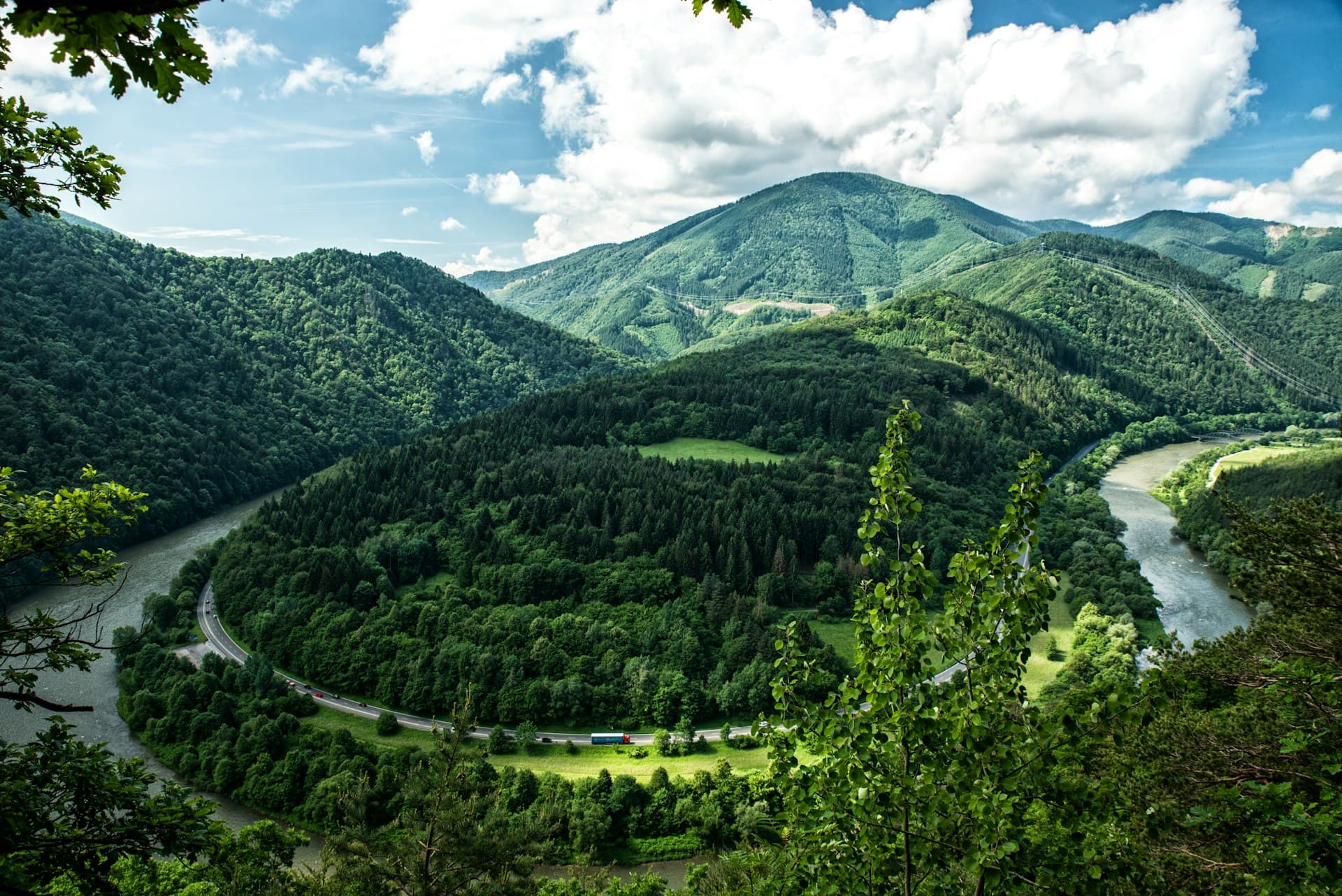 Photo: Branislav Knappek / Unsplash
Selbstgeführte Audio-Walking-Tour durch Žilina — GPS-Route, Offline-Wiedergabe, erzählerische Narration in 32 Sprachen.
“Wo mittelalterliche Arkaden auf modernistisches Design treffen, ist Žilina eine Stadt überraschender Kontraste.”
Nicht die Postkarten. Die Geschichten, die selbst Einheimische nicht kennen – dir ins Ohr geflüstert, genau dort, wo sie geschahen.
Dieser perfekt quadratische Marktplatz aus der Zeit vor 1300 birgt unter seinen charmanten Arkaden ein Geheimnis.
Während ihr imposanter Turm und das Museum für Drahtkunst bekannt sind, ist eine dramatische Familiensage mit ihren Mauern verwoben.
Dieses von einem weltberühmten Architekten entworfene modernistische Meisterwerk hat eine Vergangenheit, die fast in Vergessenheit geriet, da seine Originalpläne jahrzehntelang verschwunden waren.
Entdecke jedes Geheimnis von Žilina
Jede Adresse, jede Enthüllung vollständig – in deinem Ohr, genau dort, wo es geschah.
Du wählst deine Stationen. Du gehst. Die Stimme enthüllt, was andere übersehen.


Deine selbstgeführte Audio-Tour durch Žilina ist bereit – wähle deine Sehenswürdigkeiten, deine Sprache und starte, sobald du ankommst.
KaufenLume enthält einen integrierten Augmented-Reality-Guide. Halten Sie Ihr Handy hoch: Die Kamera zeigt die Straße vor Ihnen, mit einem leuchtenden Pfeil über dem echten Bild, der immer auf Ihren nächsten Stopp zeigt — keine Karte zum Rätseln, keine falschen Abzweigungen. Wie alles bei Lume funktioniert es komplett offline.
Sillein, die viertgrößte Stadt der Slowakei, ist ein wichtiges Zentrum im Nordwesten des Landes, wo die Flüsse Waag, Kysuca und Rajčanka zusammenfließen. Diese strategische Lage prägt seit über 700 Jahren seine Identität als wichtiges Handels- und Verkehrszentrum. Die Stadt bietet eine Mischung aus historischem Charme und moderner Energie, mit einem kompakten, begehbaren historischen Zentrum, das in nur wenigen Stunden erkundet werden kann.
Umgeben von den majestätischen Kleinen Fatra-Bergen bietet Sillein einen Zugang zu umfangreichen Outdoor-Aktivitäten, vom Wandern bis zum Skifahren. Trotz seiner industriellen Entwicklung, einschließlich eines bedeutenden Kia Motors-Werks und einer wachsenden koreanischen Gemeinschaft, hat Sillein seinen authentischen Charakter bewahrt, der sich in seiner gut erhaltenen mittelalterlichen Altstadt und seiner lebendigen Kulturszene zeigt. Es ist eine Stadt, die Besucher einlädt, ein fesselndes europäisches Erlebnis zu entdecken, wo Vergangenheit und Gegenwart harmonisch miteinander verschmelzen.
Das Gebiet des heutigen Sillein hat eine lange Besiedlungsgeschichte, die bis in die späte Steinzeit um 20.000 v. Chr. zurückreicht. Slawische Gemeinschaften begannen sich im 5. Jahrhundert in der Region niederzulassen. Die erste schriftliche Erwähnung von Sillein, als "terra de Selinan" bezeichnet, erschien 1208. Mitte des 13. Jahrhunderts gehörte es der Familie Cseszneky de Milvány. Die Stadt begann sich um 1300 zu entwickeln, und bis 1312 deuten Aufzeichnungen darauf hin, dass sie bereits eine Stadt war.
König Karl I. von Ungarn verlieh Sillein 1321 den Status einer freien Königsstadt, eine Bezeichnung, die seine wirtschaftliche Bedeutung erheblich steigerte. Ein entscheidender Moment in der Stadtgeschichte ereignete sich 1381, als König Ludwig I. das "Privilegium pro Slavis Solnensis" erließ. Dieses Dokument sicherte den slowakischen Bürgern eine gleichberechtigte Vertretung im Stadtrat, ein bedeutendes Recht angesichts der Bevölkerungsmehrheit der Slowaken.
Sillein sah sich im Laufe seiner Geschichte verschiedenen Herausforderungen gegenüber, darunter die Zerstörung durch die Hussiten im Jahr 1431 und mehrere Großbrände, wie einer im Jahr 1886, der zu architektonischen Veränderungen auf dem Mariánske Námestie führte. Trotz dieser Rückschläge entwickelte sich Sillein im 17. Jahrhundert zu einem Zentrum für Fertigung, Handel und Bildung, wobei viele Klöster und Kirchen im Barockstil erbaut wurden. Der Bau der Kaschau-Oderberger Bahn im Jahr 1872 und der Bahn nach Pressburg im Jahr 1883 förderten die weitere wirtschaftliche und industrielle Entwicklung und verwandelten Sillein in einen wichtigen Verkehrsknotenpunkt.
Im 20. Jahrhundert spielte Sillein eine bedeutende Rolle in der slowakischen Politik. Es war eine der ersten Gemeinden, die 1918 die Martinsdeklaration unterzeichneten, einen Aufruf zur Unabhängigkeit vom Königreich Ungarn, und diente kurzzeitig bis März 1919 als Sitz der slowakischen Regierung. 1938 wurde in Sillein die slowakische Autonomie innerhalb der Tschechoslowakei erklärt. Nach dem Zweiten Weltkrieg erlebte die Stadt ein rasantes Wachstum mit neuen Fabriken, Schulen und Wohnprojekten. Heute ist Sillein weiterhin ein bedeutendes Industriezentrum, Heimat der Universität Sillein und großer Unternehmen wie Kia Motors, die eine bemerkenswerte koreanische Gemeinschaft angezogen haben.
Beginnen Sie Ihre Erkundung im Herzen von Sillein auf dem Mariánske Námestie. Dieser perfekt quadratische Marktplatz, der aus der Zeit vor 1300 stammt, ist bekannt für seine architektonische Integrität mit historischen Bürgerhäusern mit durchgehenden Arkaden. Auf dem Platz finden Sie die barocke Immaculata, eine Säule mit einer Statue der Jungfrau Maria, die die Rekatholisierung der Stadt im Jahr 1738 gedenkt. Das Alte Rathaus, ein Gebäude, das mehrere Umbauten erfahren hat, steht in einer Ecke des Platzes und sein heutiges Aussehen stammt aus dem Jahr 1890.
Nur einen kurzen Spaziergang vom Platz entfernt befindet sich die Dreifaltigkeitskathedrale, die um 1400 auf dem Gelände einer Burg aus dem 13. Jahrhundert erbaut wurde. In der Nähe ist der Burianova Veža-Turm einer der ältesten Renaissance-Glockentürme der Slowakei und bietet einen weiten Blick über die Stadt. Für einen tieferen Einblick in die lokale Geschichte und einzigartiges Handwerk besuchen Sie die Burg von Budatín, die am Zusammenfluss von Waag und Kysuca liegt. Die Burg beherbergt das Považie-Museum mit einer weltberühmten Ausstellung über drotárstvo, das traditionelle slowakische Handwerk des Drahtwebens, mit über 5.000 kunstvollen Drahtornamenten.
Ein weiteres bedeutendes architektonisches Wahrzeichen ist die Neue Synagoge, entworfen vom deutschen modernistisch-architektonischen Peter Behrens und fertiggestellt 1931. Dieses würfelförmige Gebäude, das heute als Kunsthalle (ein Ausstellungsraum für zeitgenössische Kunst) dient, gilt als wichtiges Beispiel funktionalistischer Architektur. Für diejenigen, die sich für ältere religiöse Architektur interessieren, ist die Kirche des Heiligen Stephan des Königs in Dolné Rudiny, die aus dem 13. Jahrhundert stammt, das älteste erhaltene Baudenkmal in Sillein.
Die beste Zeit für einen Besuch in Sillein für angenehmes Wetter und Outdoor-Aktivitäten ist von Mai bis September. In diesen Monaten sind die Temperaturen mit 18–25 °C angenehm und eignen sich ideal für die Erkundung der Stadt und ihrer umliegenden Natur. Während der Sommer angenehme Wärme bringt, seien Sie auf gelegentliche Regenschauer vorbereitet, da die Niederschläge das ganze Jahr über recht gleichmäßig verteilt sind. Die Übergangszeiten im späten Frühling (Mai-Juni) und frühen Herbst (September-Oktober) bieten angenehmes Wetter mit weniger Andrang. Wenn Sie Wintersport mögen, sind die kälteren Monate zum Skifahren in den nahegelegenen Bergen der Kleinen Fatra geeignet.
Sillein ist gut angebunden und leicht erreichbar. Es ist ein wichtiger Eisenbahnknotenpunkt mit häufigen Zugverbindungen nach Pressburg (2–2,5 Stunden), Prag (4,5–6 Stunden) und Wien (3,5 Stunden). Der Hauptbahnhof ist nur einen kurzen Spaziergang vom Mariánske Námestie entfernt. Wenn Sie mit dem Auto anreisen, ist Sillein über das Autobahnnetz D1/D3 etwa 200 km von Pressburg entfernt. Die nächstgelegenen internationalen Flughäfen sind Pressburg (BTS) und Krakau (KRK), beide etwa 2–2,5 Autostunden entfernt.
Die lokale Währung ist der Euro. Slowakisch ist die Amtssprache. Im Vergleich zu vielen westeuropäischen Städten bietet Sillein ein ausgezeichnetes Preis-Leistungs-Verhältnis mit erschwinglichen Unterkünften, Speisen und Attraktionen. Das Stadtzentrum ist weitgehend eine autofreie Zone, die das Gehen fördert, obwohl für Autofahrer kostenpflichtige Parkplätze vorhanden sind. Der öffentliche Nahverkehr innerhalb der Stadt umfasst Oberleitungsbusse, mit laufenden Investitionen in die Modernisierung des Systems.
Žilina — Koreanisch, Chinesisch, Hebräisch und 29 weitere Sprachen, jede Station von einer muttersprachlichen Stimme erzählt. Die größte Sprachauswahl aller selbstgeführten Audiotouren.
Verfügbar auf: