Cabaret Voltaire
Questo edificio modesto nella Città Vecchia di Zurigo ha dato origine a un movimento artistico globale.
La storia completa si sblocca nel tour
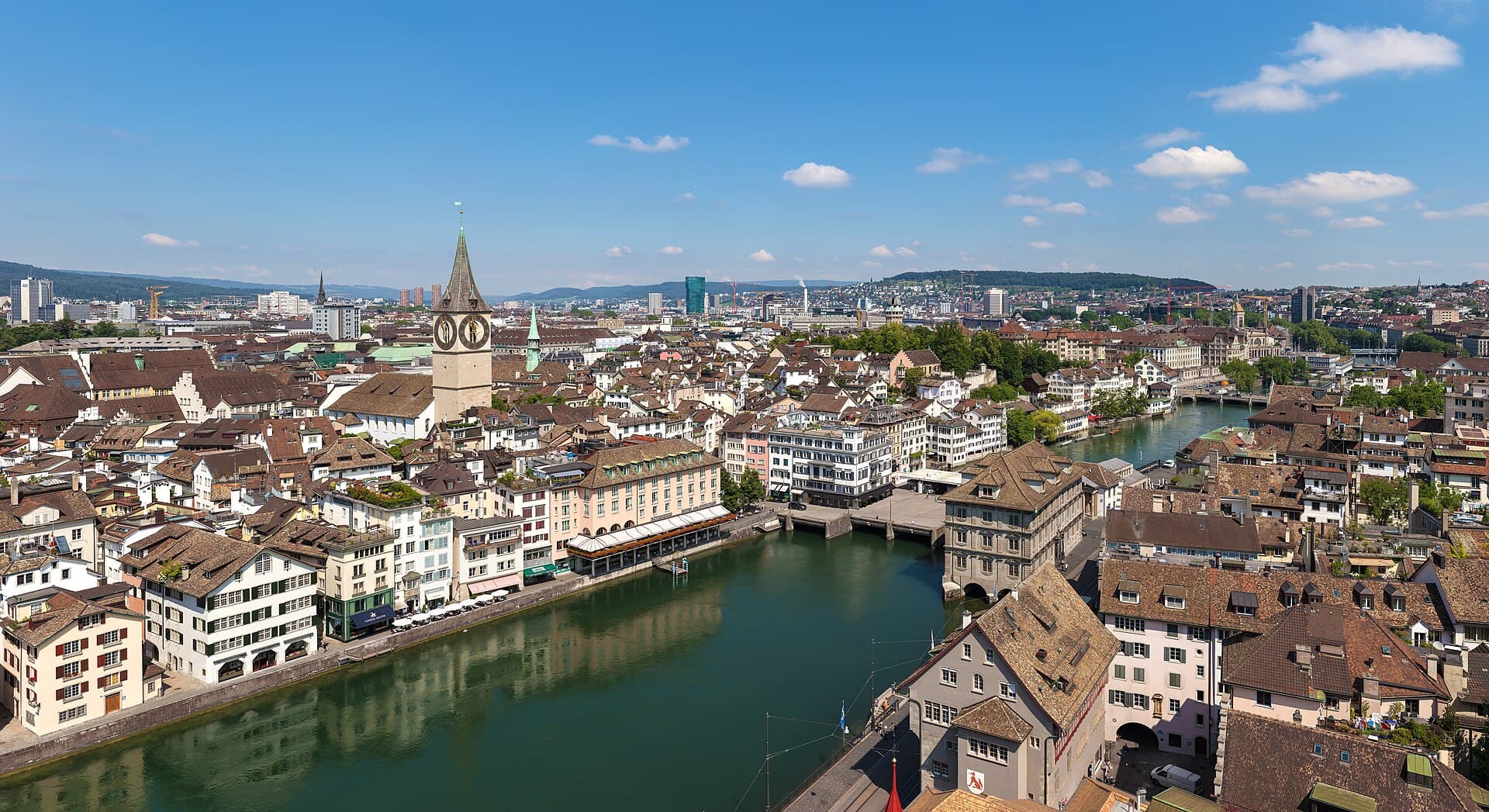 Thomas Wolf, www.foto-tw.de / CC BY-SA 3.0 de, via Wikimedia Commons
Tour audio autoguidato di Zurigo — percorso GPS a piedi, riproduzione offline, narrazione coinvolgente in 32 lingue.
“Oltre i banchieri e la precisione, prospera uno spirito ribelle.”
Non le cartoline. Le storie che nemmeno i locali conoscono — sussurrate nel tuo orecchio, proprio dove sono accadute.
Questo edificio modesto nella Città Vecchia di Zurigo ha dato origine a un movimento artistico globale.
Guarda il quadrante dell'orologio di questa chiesa e vedrai qualcosa di record.
Sotto uno stretto vicolo, la storia romana è letteralmente sotto i piedi.
Scopri ogni segreto di Zurigo
Ogni indirizzo, ogni rivelazione completa — nel tuo orecchio, proprio dove è accaduta.
Scegli le tue tappe. Cammini. La voce rivela ciò che gli altri perdono.


Il tuo tour audio autoguidato di Zurigo è pronto — scegli i tuoi punti di interesse, seleziona la tua lingua e inizia nel momento in cui arrivi.
AcquistaLume include una guida in realtà aumentata. Alza il telefono: la fotocamera mostra la strada davanti a te, con una freccia luminosa sovrapposta all'immagine reale che punta sempre verso la tua prossima tappa — nessuna mappa da decifrare, nessuna svolta sbagliata. Come tutto in Lume, funziona completamente offline.
Zurigo, la città più grande della Svizzera, è una metropoli dinamica all'estremità nord-occidentale del Lago di Zurigo, incorniciata dalle Alpi in lontananza. È una città spesso associata alla finanza e all'efficienza, che funge da snodo per ferrovie, strade e traffico aereo, con il suo aeroporto e la stazione ferroviaria principale che sono i più grandi e trafficati del paese. Eppure, al di là della sua reputazione di precisione, Zurigo offre un paesaggio culturale avvincente, una storia profonda e un lato sorprendente.
Dai suoi insediamenti preistorici al suo status attuale di centro di ricerca e istruzione innovativa, Zurigo si è evoluta significativamente nel corso dei millenni. Il fiume Limmat attraversa la città, collegando il Lago di Zurigo con vari monumenti architettonici, tra cui le chiese romaniche Grossmünster e Fraumünster. I diversi quartieri della città, dal centro storico Kreis 1 (Altstadt) al quartiere industriale-alla moda Kreis 5 (Zuri-West), rivelano un carattere sfaccettato che invita a un'esplorazione più approfondita.
Zurigo si classifica costantemente tra le migliori città al mondo per qualità della vita, offrendo a residenti e visitatori una miscela unica di bellezza naturale, ricchezza culturale e sofisticazione urbana. È un luogo dove si possono trovare musei e gallerie d'arte di livello mondiale, godere di attività all'aperto sul lago e scoprire una vivace vita notturna, dimostrando che questa città apparentemente semplice ha più da offrire di quanto sembri.
## Da avamposto romano a centro della Riforma La storia di Zurigo risale a oltre 6.400 anni fa, con prove di insediamenti del Neolitico e dell'età del Bronzo intorno al Lago di Zurigo. La storia più permanente della città iniziò con i Celti, che stabilirono un insediamento vicino alla collina di Lindenhof. Intorno al 15 a.C., arrivarono i Romani, fondando un posto di dogana chiamato Turicum in questo stesso luogo. Il Lindenhof, una collina morenica, divenne in seguito la sede di un castellum romano nel IV secolo, intorno al quale si espanse l'insediamento.
Durante il Medioevo, Zurigo fiorì, ottenendo lo status indipendente di immediatazza imperiale nel 1218, che le permise di governarsi direttamente sotto il Sacro Romano Imperatore. Il potere politico durante questo periodo risiedeva spesso nelle abbazie di Grossmünster e Fraumünster. Il convento di Fraumünster, fondato nell'853 da re Ludovico il Germanico, svolse un ruolo chiave nell'amministrazione della città per secoli. Il XIV secolo vide un significativo cambiamento di potere con la Rivoluzione delle Corporazioni nel 1336, guidata da Rudolf Brun, che diede alle corporazioni artigiane una notevole influenza nel consiglio cittadino.
Zurigo si unì alla Confederazione Svizzera nel 1351 come quinto membro. Un momento cruciale nella storia della città fu la Riforma protestante, iniziata a Zurigo nel 1519 sotto la guida di Huldrych Zwingli, predicatore del Grossmünster. Questa trasformazione religiosa ebbe un profondo impatto sulla città, portando alla conversione dei monasteri in scuole e ospedali, ponendo le basi per il futuro di Zurigo come centro finanziario e scientifico.
## Industrializzazione e modernità Tra la fine del XVIII e il XIX secolo, Zurigo passò da città di artigiani a capitale dell'industria meccanizzata. L'apertura della Stazione Centrale (Hauptbahnhof) nel 1847 fu un punto di svolta, trasformando Zurigo in un cruciale snodo ferroviario che collegava la Svizzera con altri paesi europei. Questo periodo vide anche la creazione di importanti banche e della Borsa Svizzera nel XIX secolo, consolidando la posizione di Zurigo come cuore finanziario del paese.
La neutralità della Svizzera durante entrambe le guerre mondiali rafforzò ulteriormente la posizione finanziaria di Zurigo, rendendola un rifugio sicuro per i capitali globali. La città offrì asilo anche a intellettuali come James Joyce e Vladimir Ilich Lenin durante la Prima Guerra Mondiale. Nel XXI secolo, Zurigo ha continuato a evolversi, con ex distretti industriali trasformati in quartieri vivaci pieni di ristoranti, bar, gallerie e negozi. La creazione della "Science City" da parte del Politecnico Federale Svizzero ha ulteriormente rafforzato la reputazione di Zurigo come centro di ricerca e istruzione innovativa.
Inizia la tua esplorazione nella Città Vecchia di Zurigo (Altstadt), il nucleo storico della città, caratterizzato da stretti vicoli e pittoreschi cortili. Qui troverai importanti monumenti come la chiesa Grossmünster con le sue torri gemelle, dove puoi salire sulla Karlsturm per ammirare ampie vedute della città. Nelle vicinanze si trova la chiesa Fraumünster, riconosciuta per le sue suggestive vetrate di Marc Chagall e Augusto Giacometti.
Per una prospettiva diversa, sali sulla collina di Lindenhof, una tranquilla piazza alberata che offre viste sul fiume Limmat, sul Grossmünster e sul Lago di Zurigo. A breve distanza in treno, la montagna Uetliberg offre ampie vedute della città, del lago e delle Alpi in lontananza. Di nuovo in città, concediti un po' di shopping lungo la Bahnhofstrasse, l'esclusiva via dello shopping di Zurigo, fiancheggiata da boutique, gioiellerie e grandi magazzini.
Gli appassionati d'arte dovrebbero visitare il Kunsthaus Zürich, che ospita un'impressionante collezione, e il Museo Nazionale Svizzero, un edificio simile a un castello che espone la storia culturale della Svizzera. Per un'esperienza unica, esplora il FIFA World Football Museum. Considera un giro in barca sul Lago di Zurigo per un piacevole giro turistico. Per un'esperienza veramente locale, cerca una delle oltre 1.200 fontanelle pubbliche della città; quasi tutte forniscono acqua potabile pulita e di alta qualità.
Il periodo ideale per visitare Zurigo va da aprile a ottobre, quando il clima è generalmente piacevole per le attività all'aperto. L'estate (da giugno ad agosto) offre giornate calde e soleggiate con temperature tra i 20 e i 25 gradi Celsius, rendendola perfetta per nuotare nel lago ed eventi all'aperto, anche se è anche la stagione più piovosa e affollata. Le stagioni intermedie, primavera (marzo-maggio) e autunno (settembre-novembre), offrono un buon compromesso con temperature miti, meno turisti e prezzi potenzialmente più bassi per voli e hotel. La primavera porta parchi in fiore, mentre l'autunno mostra pittoreschi colori autunnali, specialmente durante le escursioni sull'Uetliberg. L'inverno (da dicembre a febbraio) è freddo, con temperature che spesso scendono sotto lo zero, offrendo un'atmosfera festosa con mercatini di Natale e opportunità per sport invernali nelle vicine località alpine.
La valuta locale è il franco svizzero (CHF), diviso in 100 Rappen. Sebbene molti posti accettino Euro, il tasso di cambio è spesso sfavorevole, quindi è consigliabile utilizzare franchi svizzeri. Carte di credito e debito sono ampiamente accettate e opzioni di pagamento mobile come Apple Pay e Google Pay stanno diventando più comuni. I bancomat sono facilmente disponibili per prelevare contanti.
La lingua ufficiale di Zurigo è il tedesco, ma la lingua parlata principalmente è il tedesco di Zurigo, una variante locale del dialetto svizzero alemanno. Il tedesco standard è usato per la comunicazione scritta. L'inglese è ampiamente compreso nelle aree turistiche grazie alla natura internazionale di Zurigo.
Zurigo offre un sistema di trasporto pubblico efficiente e affidabile, integrato sotto l'Associazione dei Trasporti di Zurigo (ZVV). Un biglietto è valido per tutte le forme di trasporto all'interno di una zona, inclusi treni, tram, autobus e persino barche. I pass giornalieri sono spesso economici per i turisti che pianificano più corse. I biglietti devono sempre essere acquistati prima di salire a bordo, sia dalle macchinette automatiche, dall'app SBB o dall'app ZVV. La Zürich Card offre viaggi illimitati in 2a classe sull'intera rete cittadina, tra gli altri vantaggi.
L'etichetta svizzera valorizza la puntualità, ed è educato salutare quando si entra e si esce dai negozi. La domenica è generalmente tranquilla, con restrizioni su attività rumorose.
Zurigo — coreano, cinese, ebraico e altre 29 lingue, ogni tappa narrata da una voce madrelingua. La più ampia scelta di lingue tra i tour audio autoguidati.
Disponibile in: