Alcazaba de Béja
La formidable Alcazaba de Béja ha custodiado la ciudad durante siglos, pero sus orígenes son mucho más antiguos de lo que su apariencia actual sugiere.
La historia completa se desbloquea en el tour
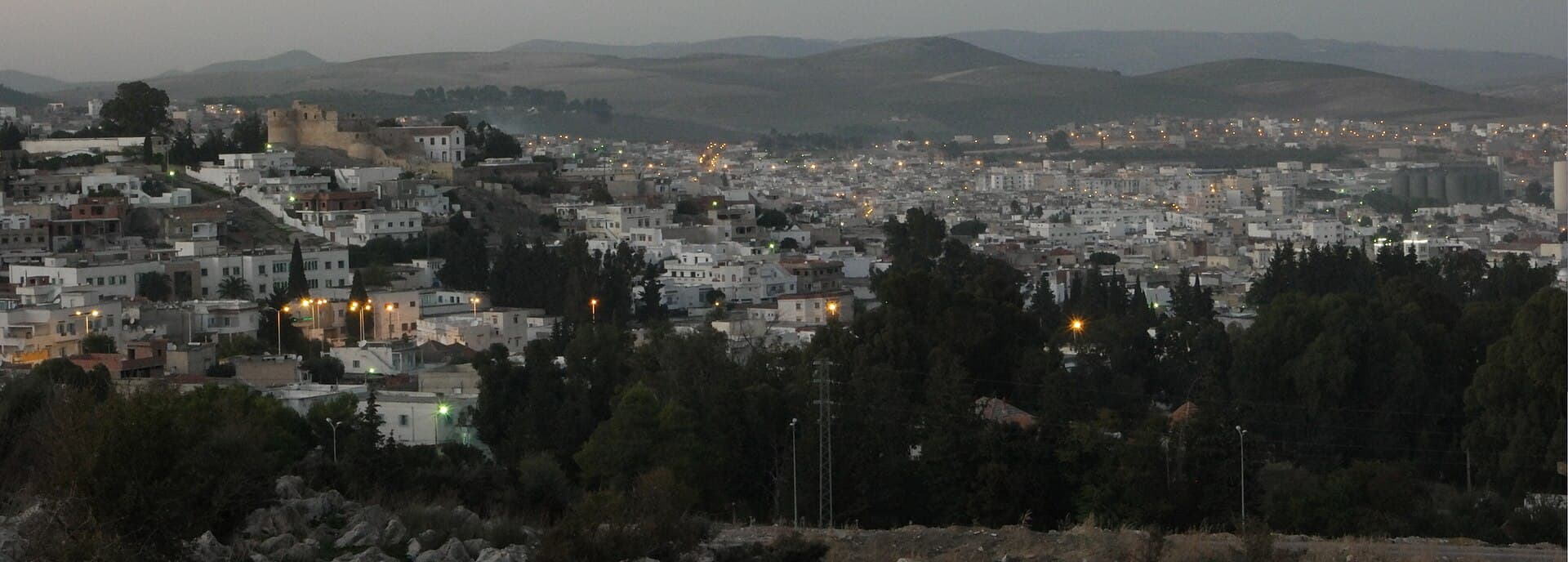 Nidhal Bechrifa / cc by-sa 4.0, via Wikimedia Commons
Tour de audio autoguiado de Béja — ruta GPS a pie, reproducción offline, narración en 32 idiomas.
“Donde los antiguos graneros se encuentran con verdes colinas e historias susurradas.”
No las postales. Las historias que ni los locales conocen — al oído, justo donde ocurrieron.
La formidable Alcazaba de Béja ha custodiado la ciudad durante siglos, pero sus orígenes son mucho más antiguos de lo que su apariencia actual sugiere.
El nombre 'Béja' suena distintivamente norteafricano, pero sus raíces cuentan una historia de los habitantes originales de la tierra y su forma de vida.
Más allá del famoso Museo del Bardo en Túnez, Béja tuvo una vez su propia residencia real, ahora una ruina olvidada.
Descubre todos los secretos de Béja
Cada dirección, cada revelación al completo — a tu oído, justo donde ocurrió.
Eliges tus paradas. Caminas. La voz te revela lo que los demás ignoran.

Tu tour de audioguía por Béja te espera — elige tus lugares, tu idioma y empieza al llegar.
ComprarBéja, una ciudad en el norte de Túnez, se erige como un testimonio de capas de historia, dramáticamente enclavada contra las verdes colinas del valle del Medjerda. A solo 105 kilómetros (65 millas) al oeste de Túnez capital, este centro administrativo y militar ha sido reconocido durante mucho tiempo por su ubicación estratégica y sus tierras fértiles. Sus terrazas blancas y distintivos tejados rojos trepan por las laderas del Djebel Acheb, a menudo coronadas por la imponente silueta de su antigua fortaleza.
Conocida históricamente como el 'granero de Túnez', la riqueza agrícola de Béja ha atraído a numerosas civilizaciones, desde los fenicios y cartagineses hasta los romanos, vándalos, bizantinos y árabes, cada uno dejando una huella indeleble en su cultura y arquitectura. Esta rica superposición de influencias es evidente en los sitios arqueológicos de la ciudad y su auténtica medina. Más allá de la ciudad misma, la gobernación circundante de Béja ofrece un paisaje diverso de bosques de alcornoques y robles, ondulantes campos de trigo y pintorescos sitios naturales, invitando a la exploración a aquellos que buscan tanto profundidad histórica como belleza natural.
## De Puesto Avanzado Púnico a Granero Romano La historia de Béja comienza mucho antes de su nombre actual. Originalmente una ciudad púnica conocida como Vacca o Vaga, rápidamente se convirtió en un importante mercado agrícola ya en el siglo I a.C. Su posición estratégica, controlando el acceso al fértil valle del Medjerda, la convirtió en un codiciado premio para varias potencias. El rey numidio Yugurta incluso hizo de Vaga su cuartel general durante la Guerra de Yugurta, un conflicto meticulosamente detallado por el historiador romano Salustio, quien destacó su inmensa riqueza y significado comercial.
Cuando los romanos finalmente prevalecieron, destruyeron la ciudadela cartaginesa existente y erigieron una nueva, completa con fortificaciones que, en parte, aún se mantienen hoy. Bajo el dominio romano, Vaga prosperó, convirtiéndose en el centro de una diócesis. Sin embargo, su prosperidad fue interrumpida en el siglo V d.C. cuando los vándalos conquistaron y destruyeron en gran parte la ciudad, demoliendo su ciudadela y sus murallas.
## Renacimiento Bizantino e Influencia Islámica Durante un siglo, Vaga permaneció abandonada hasta la llegada de los bizantinos en el siglo VI. Emprendieron un importante esfuerzo de reconstrucción, renovando la fortaleza y embelleciendo la ciudad, incluso renombrándola Theodoriana en honor a la esposa del emperador Justiniano. Este período de restauración sentó las bases para la siguiente gran transformación de la ciudad.
A partir del siglo VII, Béja quedó bajo dominación árabe tras la conquista omeya del norte de África. La ciudad, ahora conocida como Baja, continuó su papel como un centro agrícola vital. Un geógrafo árabe del siglo XI la llamó famosamente 'el granero de Túnez', un testimonio de su perdurable importancia en la producción de trigo. Los turcos solidificaron aún más la importancia administrativa y militar de Béja en el siglo XVI, estableciéndola como un centro clave.
## Era Moderna y Patrimonio Duradero En 1880, Francia ocupó Túnez, y Béja fue tomada en 1881. Durante este período, llegaron colonos europeos, lo que llevó a la construcción de nueva infraestructura, incluidas iglesias. Después de que Túnez obtuviera la independencia en 1956, muchos de estos edificios de la era colonial encontraron nuevos propósitos, reflejando la identidad en evolución del país. Hoy, la moderna Béja sigue siendo una próspera ciudad comercial, con molinos harineros y refinerías de azúcar, y su antigua alcazaba todavía cumple una función militar, fusionando su larga historia con la vida contemporánea.
Comience su exploración en la Alcazaba de Béja, una ciudadela histórica que ofrece vistas panorámicas de la ciudad y sus llanuras circundantes. Originalmente cartaginesa, esta fortaleza lleva las marcas de constructores romanos, bizantinos e islámicos.
Adéntrese en la Medina de Béja, un laberinto de calles bulliciosas repletas de tiendas y mezquitas, que ofrece una visión de la vida tradicional tunecina. Detrás de la mezquita de estilo islámico de la plaza central, encontrará uno de los mercados locales más auténticos de Túnez. Observe los restos de la antigua puerta, Bab el Ain, al final de la Rue Kheireddine, y la antigua fuente de agua cercana.
Para una inmersión más profunda en la historia romana, una visita a Dougga, un sitio declarado Patrimonio de la Humanidad por la UNESCO, es esencial. A solo una hora en coche de Béja, ofrece algunas de las ruinas romanas mejor conservadas del norte de África, incluyendo un teatro, capitolio y templos. Más cerca de Béja, los sitios arqueológicos de Ain Tounga y Djebba ofrecen más información sobre los asentamientos púnicos y romanos, aunque sus ruinas están más dispersas.
Los amantes de la naturaleza pueden explorar el Jardín Público de Béja para un escape relajante o aventurarse en la gobernación para descubrir sitios naturales como la Presa Sidi el Barrak y el Museo de la Reserva Natural de Khroufa.
La mejor época para visitar Béja es durante los meses de primavera (abril a junio) y otoño (septiembre a octubre). Durante estos períodos, puede esperar temperaturas agradables, que suelen oscilar entre 20°C y 26°C (68°F y 79°F), con un sol agradable y menos precipitaciones. La primavera trae flores silvestres y es ideal para tours culturales y senderismo, mientras que septiembre ofrece las temperaturas del mar más cálidas para excursiones costeras. Los veranos (julio y agosto) son calurosos y secos, con máximas diarias promedio alrededor de 33°C (91°F), lo que puede ser intenso para hacer turismo. Los inviernos (diciembre a febrero) son más frescos y húmedos, con mínimas promedio alrededor de 6°C (42°F), pero aún adecuados para explorar las ruinas romanas y el desierto más al sur.
Béja está bien conectada y es accesible. Se encuentra aproximadamente a 105 kilómetros (65 millas) de Túnez, la capital, y se puede llegar por carretera a través de la autopista Túnez-Oued Zargua o en tren. Para viajar en avión, el Aeropuerto Internacional de Tabarka está a unos 65 kilómetros (40 millas) de distancia. Dentro de la ciudad, a menudo hay guías locales disponibles en los principales sitios históricos como la Alcazaba para mejorar su visita. Al explorar, se recomiendan zapatos cómodos para caminar, especialmente para las subidas a la Alcazaba o a los sitios arqueológicos, y es aconsejable llevar agua debido a la limitada sombra. Túnez utiliza enchufes tipo C y tipo E, con un voltaje estándar de 230V. Las costumbres y leyes locales incluyen códigos de vestimenta modestos, particularmente al visitar sitios religiosos o barrios tradicionales, y restricciones sobre el consumo de alcohol. Un suave apretón de manos, a menudo seguido de colocar la mano sobre el corazón, es un saludo común.
Béja en coreano, en chino o en hebreo — y 29 idiomas más, cada parada narrada por una voz nativa. La mayor variedad de idiomas de cualquier audioguía autoguiada.
Disponible en: