Jardins d'Ain Asserdoun
Le nom « Ain Asserdoun » a une signification surprenante, évoquant le rôle historique de la source.
L'histoire complète se débloque dans le tour
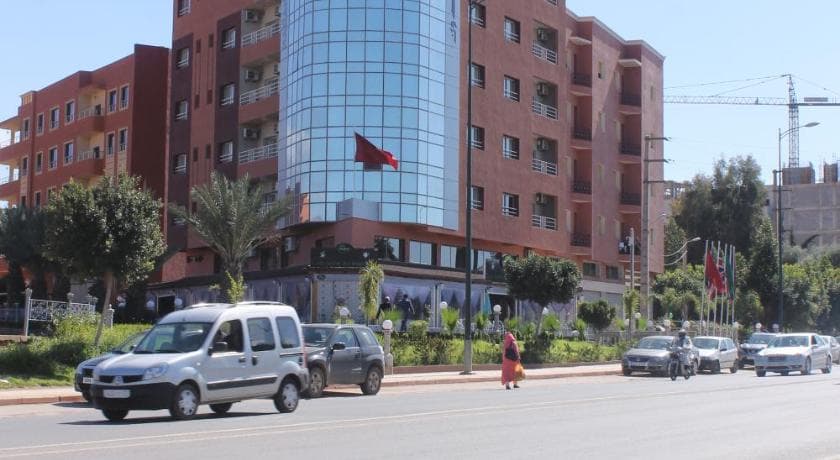 Mellali1999 / CC BY-SA 4.0, via Wikimedia Commons
Visite audio autoguidée de Béni Mellal — parcours GPS à pied, lecture hors ligne, narration en 32 langues.
“Là où les contreforts de l'Atlas rencontrent les plaines fertiles, révélant le cœur vert du Maroc.”
Pas les cartes postales. Les histoires que même les habitants ignorent — soufflées à l'oreille, là où elles se sont passées.
Le nom « Ain Asserdoun » a une signification surprenante, évoquant le rôle historique de la source.
Cette imposante forteresse, un repère majeur, a porté plusieurs noms au cours de son histoire.
Avant le départ d'une grande partie de la population juive au milieu du XXe siècle, un saint local vénéré était partagé par les communautés juive et musulmane.
Découvrez tous les secrets de Béni Mellal
Chaque adresse, chaque révélation en entier — dans ton oreille, là où elle s'est passée.
Tu choisis tes lieux. Tu marches. La voix te révèle ce que les autres ignorent.


Votre visite audioguidée de Béni Mellal vous attend — choisissez vos lieux, votre langue, et lancez-vous dès votre arrivée.
AcheterLume intègre un guide en réalité augmentée. Levez votre téléphone : sa caméra montre la rue devant vous, avec une flèche lumineuse posée sur l'image réelle qui pointe toujours vers votre prochain arrêt — aucune carte à déchiffrer, aucun mauvais virage. Comme tout dans Lume, ça fonctionne entièrement hors-ligne.
Béni Mellal, capitale de la région Béni Mellal-Khénifra, est située à un carrefour géographique spectaculaire au centre-nord du Maroc. À une altitude de 620 mètres (2 030 pieds), elle se trouve au pied du Jbel Tassemit et est bordée par les vastes et fertiles plaines de Beni Amir. Cette ville de près de 210 000 habitants offre une évasion rafraîchissante des destinations touristiques plus fréquentées, offrant un mélange de profondeur historique, d'authenticité culturelle et de beauté naturelle saisissante.
Souvent appelée le « cœur vert du Maroc », Béni Mellal est un centre agricole prospère, réputé pour ses récoltes abondantes d'oranges, d'olives et de figues de la plaine du Tadla. C'est un endroit où l'air frais de la montagne et les rues calmes invitent à un rythme d'exploration plus lent, révélant un côté du Maroc à la fois authentique et peu fréquenté. Des anciennes kasbahs aux sources en cascade, Béni Mellal présente une destination attrayante pour ceux qui recherchent un voyage marocain immersif.
Les origines de Béni Mellal remontent à l'Antiquité, avec des tribus berbères habitant les terres fertiles de la région du Tadla pendant des siècles. Les sources arabes historiques manquent de détails clairs sur le site pendant la période médiévale, bien qu'une ville du IXe siècle appelée Hiṣn Daī, dirigée par le prince idrisside Yahya ibn Idris, puisse correspondre à l'actuelle Béni Mellal. La zone fut ensuite capturée par les Almohades en 1141.
La fondation de la ville moderne est largement attribuée au sultan alaouite Moulay Isma'il, qui, en 1688, ordonna la construction d'une puissante forteresse ici. Cette fortification, connue sous le nom de Kasbah Bel-Kush ou Kasbah Ras el Ain, fut stratégiquement construite pour assurer la sécurité et le contrôle de cet important territoire du centre du Maroc. La kasbah, située sur un éperon rocheux au-dessus des sources d'Ain Asserdoun, offrait des vues imprenables sur la ville et la plaine du Tadla, et fut restaurée au XIXe siècle par Moulay Sliman et de nouveau en 1916 par l'administration du Protectorat français.
Le développement de Béni Mellal, d'un poste militaire à un centre urbain important, fut propulsé par son accès aux ressources en eau, en particulier la source d'Ain Asserdoun, qui transforma des terres arides en une oasis florissante. Sa position géographique au pied du Moyen Atlas, bordant une vaste plaine, en fit un carrefour naturel pour le commerce entre les montagnards et les habitants des vallées. De plus, l'emplacement de la ville sur une route cruciale reliant les villes impériales de Fès et Marrakech assura un flux constant de marchands et de voyageurs. Pendant le Protectorat français, des investissements substantiels dans les infrastructures agricoles consolidèrent davantage le rôle de Béni Mellal en tant que centre agricole et administratif majeur.
Béni Mellal offre une gamme de sites qui mettent en valeur sa beauté naturelle et son importance historique. Les Jardins d'Ain Asserdoun sont une oasis tranquille alimentée par une puissante source naturelle qui cascade des rochers, créant des chutes d'eau et des bassins sereins. C'est un endroit populaire pour les habitants pour pique-niquer et profiter du calme environnant.
Dominant la ville et la vaste plaine du Tadla se trouve la Kasbah Ras el Ain, également connue sous le nom de Kasbah Bel Kush. Cette forteresse du XVIIe siècle, construite par le sultan Moulay Isma'il, offre des vues imprenables, surtout au coucher du soleil, et est facilement accessible. À l'intérieur de Béni Mellal, l'ancienne médina avec ses rues sinueuses et son souk animé offre un aperçu authentique de la vie locale, où vous pouvez trouver des épices, de l'artisanat traditionnel et des produits locaux.
Pour ceux qui sont prêts à s'aventurer plus loin, l'impressionnant Barrage et Réservoir de Bin el-Ouidane est à environ une heure de route, offrant des eaux turquoise claires sur fond de sommets enneigés. Les grandes Cascades d'Ouzoud, l'une des plus hautes du Maroc, sont également une excursion d'une journée populaire, à environ 110 km de Béni Mellal, où vous pouvez faire de la randonnée, une excursion en bateau et même apercevoir des macaques de Barbarie.
Les périodes les plus agréables pour visiter Béni Mellal sont le printemps (mars à mai) et l'automne (septembre à novembre). Pendant ces saisons, les températures sont confortables, allant de 15 à 25 °C (59 à 77 °F) au printemps et de 18 à 28 °C (64 à 82 °F) en automne, ce qui est idéal pour les activités de plein air et l'exploration. Le printemps est particulièrement beau, avec des fleurs sauvages en pleine floraison et les sources d'Ain Asserdoun à leur maximum. Les étés (fin mai à fin septembre) peuvent être très chauds, avec des températures dépassant souvent les 35 °C (95 °F), tandis que les hivers peuvent être frais, surtout la nuit.
Béni Mellal est bien desservie par la route vers les grandes villes marocaines comme Fès, Marrakech et Casablanca, avec des grands taxis et des bus réguliers disponibles. Dans la ville, les petits taxis sont un mode de transport économique et principal. Pour les excursions vers des attractions proches comme les Cascades d'Ouzoud ou Bin el-Ouidane, organiser le transport via votre hébergement ou louer un grand taxi est pratique.
La monnaie locale est le Dirham marocain (MAD). Bien que certains grands établissements acceptent les cartes de crédit, l'argent liquide est essentiel pour les marchés locaux et les petits cafés. Les distributeurs automatiques de billets sont facilement disponibles dans le centre-ville. Il est d'usage de laisser un pourboire de 10 à 15 % au personnel de service. Béni Mellal est généralement considérée comme une ville sûre et accueillante pour les voyageurs. Quelques phrases de base en arabe ou en français sont utiles, car l'anglais est moins couramment parlé. Habillez-vous modestement, surtout dans les zones rurales et lors de la visite de sites religieux.
Béni Mellal en coréen, en chinois ou en hébreu — et dans 29 autres langues, chaque étape narrée par une voix native. La plus large gamme de langues de tous les audioguides autoguidés.
Disponible en :