Former Governors' Mansion
Die prächtige viktorianische Residenz, einst Heimat der First Families von North Dakota, barg ein überraschendes Geheimnis, um die rauen Präriewinter zu überstehen.
Die ganze Geschichte wird in der Tour freigeschaltet
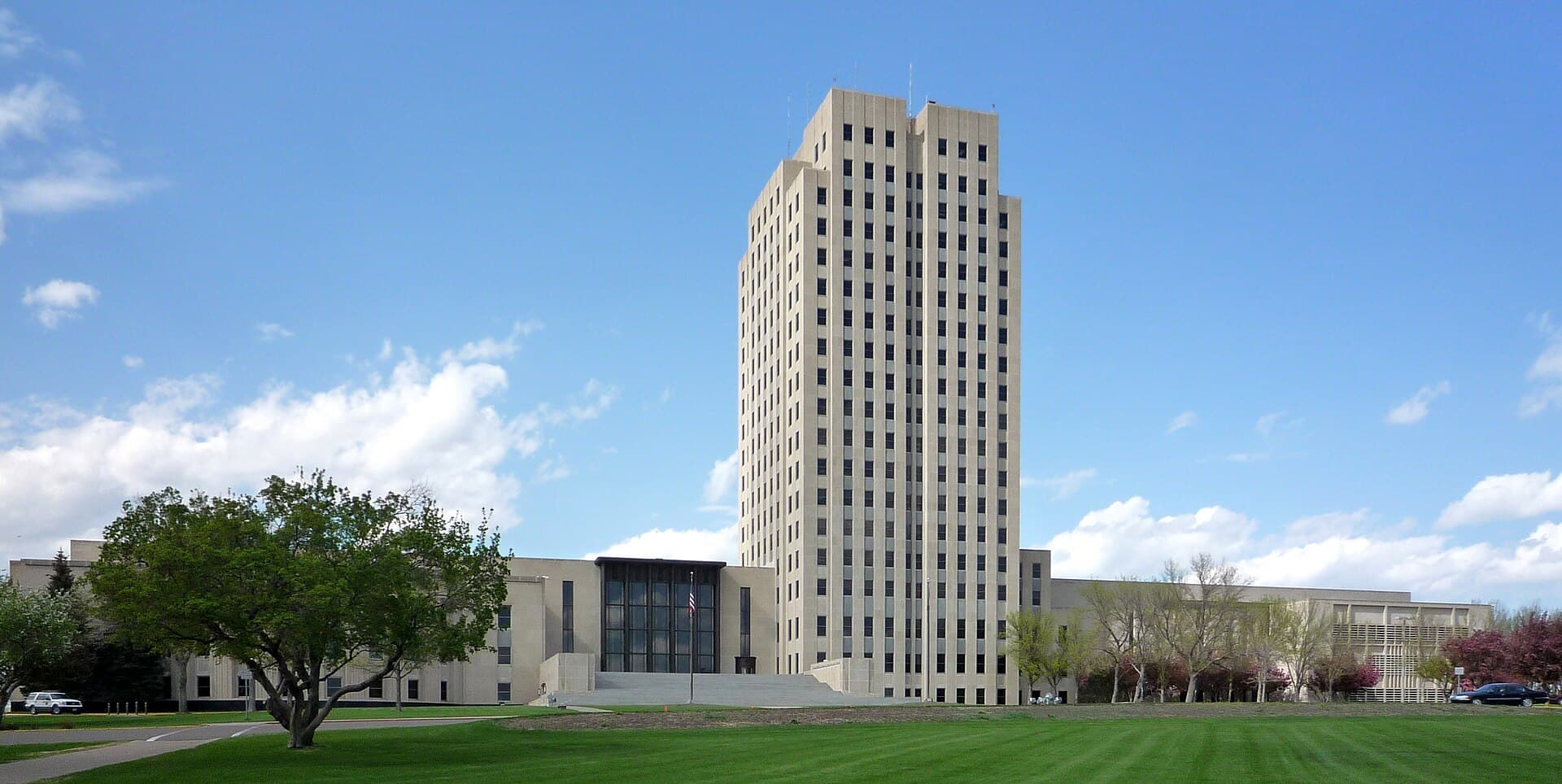 Bobak Ha'Eri / CC BY 3.0, via Wikimedia Commons
Selbstgeführte Audio-Walking-Tour durch Bismarck — GPS-Route, Offline-Wiedergabe, erzählerische Narration in 32 Sprachen.
“Wo die Präriewinde Echos der Geschichte und den Puls des Fortschritts tragen.”
Nicht die Postkarten. Die Geschichten, die selbst Einheimische nicht kennen – dir ins Ohr geflüstert, genau dort, wo sie geschahen.
Die prächtige viktorianische Residenz, einst Heimat der First Families von North Dakota, barg ein überraschendes Geheimnis, um die rauen Präriewinter zu überstehen.
Bevor Bismarck seinen heutigen Namen erhielt, der einen gefeierten deutschen Staatsmann ehrt, trug es eine andere, praktischere Bezeichnung.
Diese scheinbar gewöhnliche Brücke nimmt einen bedeutenden Platz in der Regionalgeschichte ein und reicht weit über ihren funktionalen Zweck hinaus.
Entdecke jedes Geheimnis von Bismarck
Jede Adresse, jede Enthüllung vollständig – in deinem Ohr, genau dort, wo es geschah.
Du wählst deine Stationen. Du gehst. Die Stimme enthüllt, was andere übersehen.
Deine selbstgeführte Audio-Tour durch Bismarck ist bereit – wähle deine Sehenswürdigkeiten, deine Sprache und starte, sobald du ankommst.
KaufenLume enthält einen integrierten Augmented-Reality-Guide. Halten Sie Ihr Handy hoch: Die Kamera zeigt die Straße vor Ihnen, mit einem leuchtenden Pfeil über dem echten Bild, der immer auf Ihren nächsten Stopp zeigt — keine Karte zum Rätseln, keine falschen Abzweigungen. Wie alles bei Lume funktioniert es komplett offline.
Bismarck, die Hauptstadt von North Dakota, entfaltet sich am Ostufer des Missouri River, einem Ort, an dem die Weite der Prärie auf ein dynamisches urbanes Zentrum trifft. Gegründet 1872 von europäischen Amerikanern, entwickelte es sich schnell von einem Eisenbahnendpunkt zu einem bedeutenden Knotenpunkt, insbesondere nachdem 1874 in den nahegelegenen Black Hills Gold entdeckt wurde. Heute ist Bismarck die zweitbevölkerungsreichste Stadt des Bundesstaates nach Fargo und fungiert als wirtschaftliches Herz von Süd-Zentral-North Dakota und Nord-Zentral-South Dakota.
Über seine Regierungsfunktion hinaus bietet Bismarck eine Mischung aus historischer Tiefe und natürlicher Anziehungskraft. Die Gründungsgeschichte der Stadt ist eng mit dem Mandan-Indianerstamm verbunden, der die Region Tausende von Jahren bewohnte, sowie mit der Lewis-und-Clark-Expedition, die die Region in den frühen 1800er Jahren durchquerte. Mit einer Metropolbevölkerung von über 133.000 Einwohnern wächst Bismarck weiter und wurde 2014 von Forbes Magazine als eine der am schnellsten wachsenden Kleinstädte der Vereinigten Staaten anerkannt.
Reisende nach Bismarck entdecken eine Stadt, die ihre Vergangenheit ehrt und gleichzeitig einen Kurs für die Zukunft einschlägt. Vom hoch aufragenden Art-Déco-State-Capitol-Gebäude bis zum ruhigen Missouri Riverfront Trail bietet die Stadt vielfältige Erlebnisse. Es ist ein Ort, an dem Geschichte widerhallt, Outdoor-Abenteuer locken und eine einladende Gemeinschaft inmitten der weitläufigen Landschaft von North Dakota gedeiht.
## Von der Missouri-Furt zur Hauptstadt Die Geschichte Bismarcks beginnt lange vor der europäischen Besiedlung, mit den Mandan-, Hidatsa- und Arikara-Indianerstämmen, die die Region Tausende von Jahren bewohnten. Die Lewis-und-Clark-Expedition passierte diesen wichtigen Missouri-River-Übergangspunkt 1804 und 1806.
Die Ursprünge der modernen Stadt reichen bis ins Jahr 1872 zurück, als europäische Amerikaner eine Siedlung am damaligen Missouri Crossing gründeten. Ursprünglich hieß sie Edwinton, benannt nach Edwin Ferry Johnson, dem Chefingenieur der Northern Pacific Railway. Die westwärts gerichtete Expansion der Eisenbahn war ein entscheidender Faktor für die Entwicklung der Stadt. 1873 benannte die Northern Pacific Railway die Stadt strategisch in Bismarck um, zu Ehren des deutschen Reichskanzlers Otto von Bismarck, in der Hoffnung, deutsche Einwanderer und Investitionen anzuziehen. Damit ist Bismarck die einzige US-Hauptstadt, die nach einem ausländischen Staatsmann benannt ist.
Die Entdeckung von Gold in den Black Hills im Jahr 1874 gab Bismarcks Wachstum einen bedeutenden Schub und verwandelte es in ein Ausrüstungszentrum für Prospektoren. Diese Zeit brachte Bismarck auch den Spitznamen „Wickedest City in the West“ ein, aufgrund des Zustroms von Eisenbahnarbeitern und Goldprospektoren, die Saloons und Spielhallen besuchten. 1883 wurde Bismarck zur Hauptstadt des Dakota-Territoriums, und als das Territorium geteilt wurde und North Dakota 1889 die Staatlichkeit erlangte, wurde Bismarck zu seiner Hauptstadt bestimmt.
Im Laufe der Jahrzehnte entwickelte sich Bismarck weiter. Der Bau der ersten Fahrzeugbrücke über den Missouri River in der Region, der Liberty Memorial Bridge, wurde 1922 abgeschlossen und festigte Bismarcks Rolle als Verkehrsknotenpunkt weiter. Die Einwohnerzahl der Stadt verdoppelte sich zwischen 1940 und 1960 fast, und sie hat sich seitdem zu einem wichtigen Geschäfts-, Finanz- und Kulturzentrum für die Region entwickelt. Heute sind die Sektoren Regierung, Gesundheitswesen, Einzelhandel und Energie wichtige Treiber der Bismarck-Wirtschaft.
## Gouverneurssitze und politische Umwälzungen Die offizielle Residenz der Gouverneure von North Dakota hat ihre eigene Geschichte. Die erste Gouverneursresidenz, ein viktorianisches Haus im Stick-Stil, wurde 1884 als Privathaus erbaut und 1893 für 5.000 US-Dollar vom Staat gekauft. Sie diente zwanzig Gouverneuren als Wohnsitz, bis 1960 ein neuer Wohnsitz auf dem Gelände des State Capitol errichtet wurde, da das alte Herrenhaus reparaturbedürftig und für den offiziellen Gebrauch unzureichend war. Das ursprüngliche Herrenhaus wurde später restauriert und 1984 als Hausmuseum eröffnet. Eine dritte, moderne Gouverneursresidenz wurde 2018 fertiggestellt und ersetzte das Haus aus den 1960er Jahren.
Beginnen Sie Ihre Erkundung am North Dakota State Capitol, einem Art-Déco-Wolkenkratzer, der von seiner Aussichtsplattform im 18. Stock einen weiten Blick über die Stadt bietet. Auf dem Capitol-Gelände tauchen Sie im North Dakota Heritage Center & State Museum in die natürliche und kulturelle Entwicklung des Staates ein, mit Exponaten von prähistorischen Fossilien bis zu modernen Innovationen.
Für einen Einblick in das Leben früher Staatsführer besuchen Sie die Former Governors' Mansion State Historic Site. Dieses restaurierte viktorianische Haus aus dem Jahr 1884 zeigt wechselnde Geschmäcker über 67 Jahre der First Families, mit originalen Möbeln und einer Kutschenhaus-Ausstellung zur Verkehrsgeschichte.
Am Missouri River gelegen, bietet der Keelboat Park malerische Ausblicke und die Möglichkeit, über die Lewis-und-Clark-Expedition nachzudenken. In der Nähe beherbergt der Dakota Zoo im Riverside Park über 600 Tiere aus aller Welt und bietet begehbare Wege und Bildungsausstellungen. Der Missouri Riverfront Trail bietet weite Ausblicke für Spaziergänger und Radfahrer.
Südwestlich der Stadt bietet der Fort Abraham Lincoln State Park Einblicke in die Geschichte der amerikanischen Ureinwohner im On-a-Slant Indian Village und in die militärische Vergangenheit von General Custers Infanterieposten.
Die beste Zeit für einen Besuch in Bismarck für Aktivitäten bei warmem Wetter erstreckt sich von Ende Juni bis Ende August, wenn die durchschnittlichen täglichen Höchsttemperaturen über 23 °C liegen. Juli ist der wärmste Monat mit einer Durchschnittstemperatur von 29 °C und angenehmer Luftfeuchtigkeit. Anfang Juni bietet angenehmes Wetter vor den Hauptbesucherströmen, und Festivals beginnen auf dem Kalender zu erscheinen. September bietet ebenfalls angenehme Temperaturen mit durchschnittlich 23 °C tagsüber und einer Frische am Abend. Die Winter sind kalt, wobei der Januar der kälteste Monat ist, mit durchschnittlichen Tiefstwerten von -16 °C und Höchstwerten von -6 °C, und erheblichem Schneefall von Oktober bis April.
Der Bismarck Municipal Airport (BIS) liegt drei Meilen südöstlich der Stadt und wird von großen Fluggesellschaften wie United, Delta, American und Allegiant angeflogen, mit Direktflügen zu Städten wie Denver, Minneapolis und Las Vegas. Der Flughafen bietet Kurzzeit-, Langzeit- und Economy-Parkplätze.
Innerhalb von Bismarck bietet Capital Area Transit (CAT) einen Linienbusverkehr von Montag bis Samstag. Bis-Man Transit bietet auch Paratransit-Dienste für Menschen mit Behinderungen und Senioren an. Taxidienste sind begrenzt und Fahrdienstoptionen sind rar, aber vorbestellte Limousinendienste sind verfügbar. Für regionale Reisen ist das Bismarck-Mandan Transit Center ein Jefferson Lines Busdepot, das Verbindungen zu Zielen wie Fargo, ND, und Billings, MT, bietet. Wenn Sie außerhalb der Stadtgrenzen unterwegs sind, bietet West River Transit öffentliche Verkehrsmittel in ländliche Gebiete rund um Bismarck und Mandan.
Bismarck — Koreanisch, Chinesisch, Hebräisch und 29 weitere Sprachen, jede Station von einer muttersprachlichen Stimme erzählt. Die größte Sprachauswahl aller selbstgeführten Audiotouren.
Verfügbar auf: