Pic de Champagne Castle
Le nom 'Champagne Castle' évoque la fête, mais son origine est liée à un incident plutôt maladroit en haute altitude.
L'histoire complète se débloque dans le tour
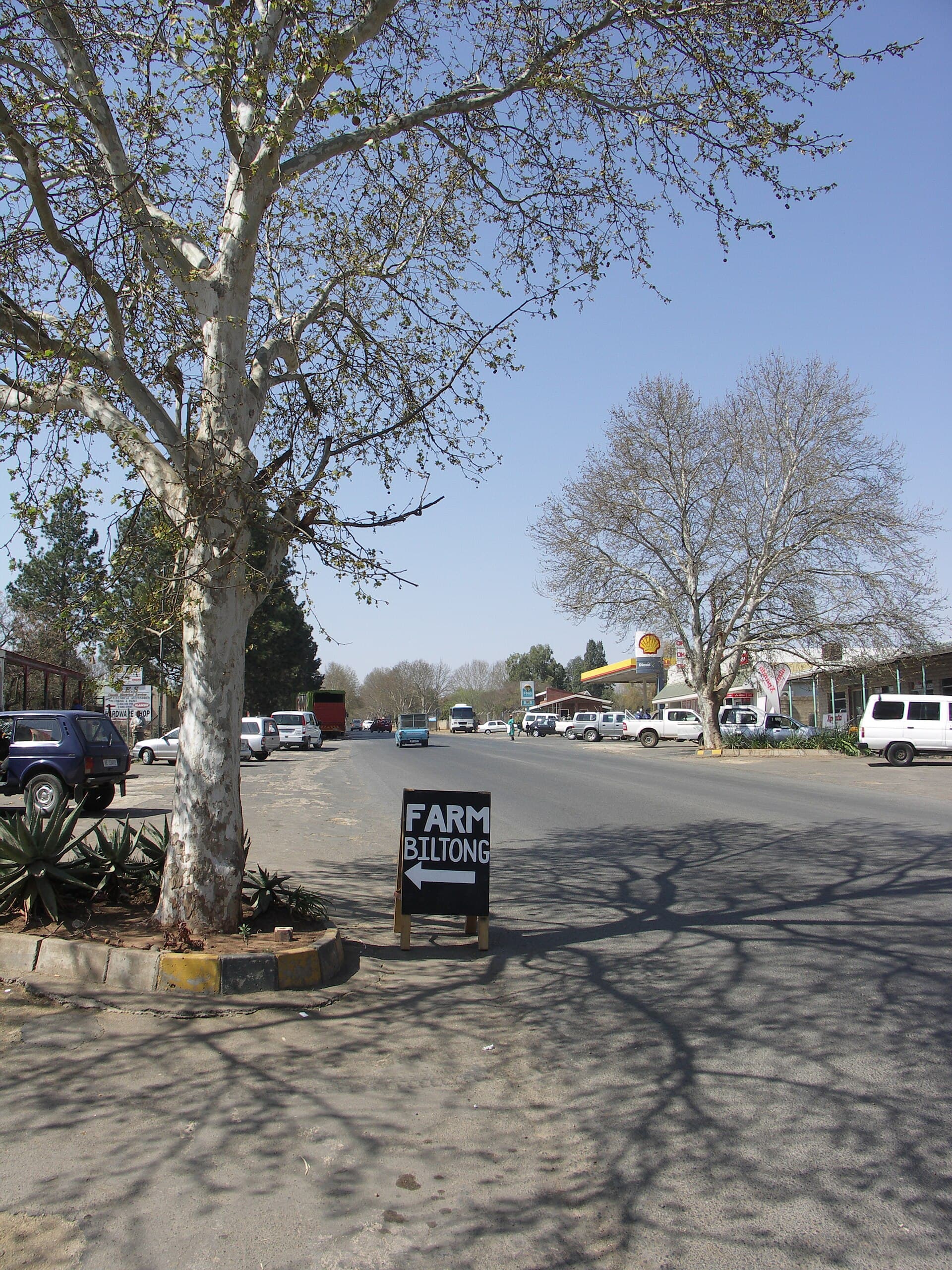 NJR ZA / CC BY-SA 3.0, via Wikimedia Commons
Visite audio autoguidée de Champagne Valley — parcours GPS à pied, lecture hors ligne, narration en 32 langues.
“Là où les montagnes ancestrales gardent des secrets et l'air résonne d'histoires inouïes.”
Pas les cartes postales. Les histoires que même les habitants ignorent — soufflées à l'oreille, là où elles se sont passées.
Le nom 'Champagne Castle' évoque la fête, mais son origine est liée à un incident plutôt maladroit en haute altitude.
Pendant la Seconde Guerre mondiale, un hôtel en apparence ordinaire abritait un secret extraordinaire.
L'art ancien recèle souvent des indices sur des modes de vie oubliés, mais certaines pièces sont plus insaisissables que d'autres.
Découvrez tous les secrets de Champagne Valley
Chaque adresse, chaque révélation en entier — dans ton oreille, là où elle s'est passée.
Tu choisis tes lieux. Tu marches. La voix te révèle ce que les autres ignorent.

Votre visite audioguidée de Champagne Valley vous attend — choisissez vos lieux, votre langue, et lancez-vous dès votre arrivée.
AcheterLa vallée de Champagne, au sein du parc uKhahlamba Drakensberg, est une région où des pics spectaculaires rencontrent des vallées tranquilles, offrant un mélange captivant de grandeur naturelle et de profondeur culturelle. Classé au patrimoine mondial de l'UNESCO, le site est célébré pour ses paysages à couper le souffle, qui incluent des montagnes imposantes comme Champagne Castle et Cathkin Peak, et son importance historique profonde. La vallée sert de porte d'entrée pour explorer la plus haute chaîne de montagnes d'Afrique australe, invitant aussi bien les aventuriers que ceux en quête de sérénité.
Au-delà de ses formations géologiques frappantes, la vallée de Champagne est un centre d'activités et de patrimoine. C'est un lieu où l'ancien peuple San a laissé son art rupestre complexe, où le Drakensberg Boys Choir, de renommée internationale, se produit, et où une gamme d'activités de plein air, des randonnées exigeantes aux promenades à cheval douces, vous attendent. L'attrait de la vallée réside dans sa capacité à offrir à la fois des expériences exaltantes et des moments de paix profonde, le tout dans un cadre d'une beauté naturelle inégalée.
Que vous soyez attiré par l'appel de la nature sauvage, les échos de l'histoire ou l'attrait de l'expression artistique, la vallée de Champagne offre un riche éventail d'expériences. C'est une destination qui encourage l'exploration, la contemplation et une connexion profonde avec la terre et ses histoires. L'air pur de la montagne et les vues panoramiques garantissent que chaque visite laisse une impression durable, en faisant un coin précieux de l'Afrique du Sud.
L'histoire de la vallée de Champagne est aussi stratifiée que les montagnes qui la définissent, remontant aux premiers habitants de l'Afrique australe. Les premiers peuples connus à vivre dans les vallées au pied de Mdedelelo dans le Drakensberg furent les Bochimans, suivis par les amaZizi, dispersés lors des turbulentes années 1820. Ces premières communautés ont laissé une empreinte indélébile sur le paysage, notamment à travers les milliers de peintures rupestres San disséminées dans l'uKhahlamba Drakensberg, témoignage de leurs croyances spirituelles et de leur vie quotidienne.
Le 19e siècle a apporté de nouveaux colons et des conflits dans la région. Les Voortrekkers ont établi des fermes dans la région, mais leur présence fut de courte durée à mesure que l'Empire britannique étendait son influence. Le premier colon britannique dans la vallée de Champagne fut David Gray, qui commença à cultiver Cathkin en 1858. Il fut suivi par des bûcherons, des chasseurs et divers reclus, chacun se taillant une vie dans le terrain accidenté.
Le tourisme dans le Drakensberg commença à prendre racine au début du 20e siècle. Le premier hôtel, Cathkin Park, commença comme une auberge en 1929 par W. Carter Robinson, qui introduisit également la truite fario dans les rivières locales et plaida pour la proclamation de la réserve forestière de Monk's Cowl. Le Champagne Castle Hotel lui-même commença comme une ferme en 1928, accueillant le Natal Mountain Club, et en 1934, il fut nommé Champagne Castle Hostel. Le milieu du 20e siècle a vu de nouveaux développements, avec des figures comme R.W. Tungay transformant la ferme de Dragon Peaks en un complexe de caravanes en 1954 et fondant ensuite la célèbre Drakensberg Boys Choir School sur un terrain adjacent en 1967. Ce mélange d'héritage ancien, d'influence coloniale et de croissance du tourisme a façonné la vallée de Champagne en la destination diverse et captivante qu'elle est aujourd'hui.
La vallée de Champagne offre un éventail diversifié d'attractions, mêlant merveilles naturelles et expériences culturelles. Le parc uKhahlamba Drakensberg, site du patrimoine mondial de l'UNESCO, est l'attraction principale, avec des pics spectaculaires comme Champagne Castle et Cathkin Peak. Les sentiers de randonnée abondent, adaptés à tous les niveaux de forme physique, des promenades douces le long de la rivière aux treks exigeants de plusieurs jours jusqu'à Gray's Pass. Le long de ces sentiers, vous rencontrerez des cascades, une avifaune endémique et des vues panoramiques imprenables.
Une visite au Falcon Ridge Bird of Prey Centre offre l'occasion d'observer des aigles, des hiboux et des vautours de près lors de démonstrations de vol quotidiennes. Pour une expérience culturelle unique, assistez à une représentation du Drakensberg Boys Choir, un groupe de renommée internationale qui se produit la plupart des mercredis après-midi pendant les périodes scolaires. Les amateurs d'art et d'artisanat peuvent explorer les ateliers locaux, tels que le Thokozisa Lifestyle Centre ou le Nest Pottery Studio, et assister au tissage traditionnel de tapis et à la fabrication de bougies chez KwaZulu Weavers.
Ceux qui s'intéressent à l'histoire peuvent organiser des visites de champs de bataille vers des sites comme Spion Kop, qui commémore le conflit Voortrekker-Zulu et la Seconde Guerre des Boers. Pour une perspective différente, envisagez un vol en montgolfière au lever du soleil pour des vues inégalées sur les collines ondulantes et les falaises escarpées. Le Didima Rock Art Centre, à environ une heure de route de Champagne Castle, est un centre d'interprétation Bushman de renommée internationale, offrant un aperçu plus approfondi des anciens habitants de la région.
La vallée de Champagne est une destination captivante toute l'année, chaque saison offrant une expérience distincte. Les mois d'été (décembre à février) sont chauds et luxuriants, idéaux pour la randonnée et la découverte des cascades, bien que des orages l'après-midi puissent survenir. L'automne (mars à mai) apporte des températures plus fraîches et un feuillage éclatant, ce qui en fait une excellente période pour les activités de plein air. L'hiver (juin à août) voit les sommets du Drakensberg saupoudrés de neige, créant un paysage dramatique et serein, parfait pour des escapades douillettes et profiter de l'air frais de la montagne. Le printemps (septembre à novembre) est caractérisé par des fleurs sauvages en pleine floraison et des températures agréables, ce qui en fait une autre période idéale pour la randonnée et l'exploration.
La vallée de Champagne est accessible par des routes bien entretenues. Si vous venez de Durban, prenez la R600 en direction de Winterton, un trajet d'environ deux heures. Depuis Johannesburg, prenez la N3, en passant par Harrismith, Bergville et Winterton, ce qui prend environ quatre heures. Bien que les routes principales soient généralement bonnes, sachez que certaines routes secondaires du Drakensberg peuvent avoir des nids-de-poule.
Les options d'hébergement dans la vallée de Champagne vont des complexes hôteliers luxueux avec terrains de golf et spas aux chalets indépendants, maisons d'hôtes et campings. De nombreux établissements proposent des équipements tels que des restaurants, des piscines et des activités organisées. Il est conseillé de réserver votre hébergement à l'avance, surtout pendant les hautes saisons. Pour la randonnée, emportez suffisamment d'eau et de collations, portez des chaussures appropriées et des vêtements superposés, et informez quelqu'un de votre itinéraire et de l'heure de retour prévue pour les treks plus éloignés. La crème solaire et un chapeau sont essentiels en raison du soleil plus fort en altitude. Plusieurs centres locaux, comme le Thokozisa Lifestyle Centre, offrent des informations et des produits artisanaux.
Champagne Valley en coréen, en chinois ou en hébreu — et dans 29 autres langues, chaque étape narrée par une voix native. La plus large gamme de langues de tous les audioguides autoguidés.
Disponible en :