Wild About Whisky
Dullstroom garde un secret pour les connaisseurs de whisky, une collection si vaste qu'elle rivalise avec les plus belles du monde.
L'histoire complète se débloque dans le tour
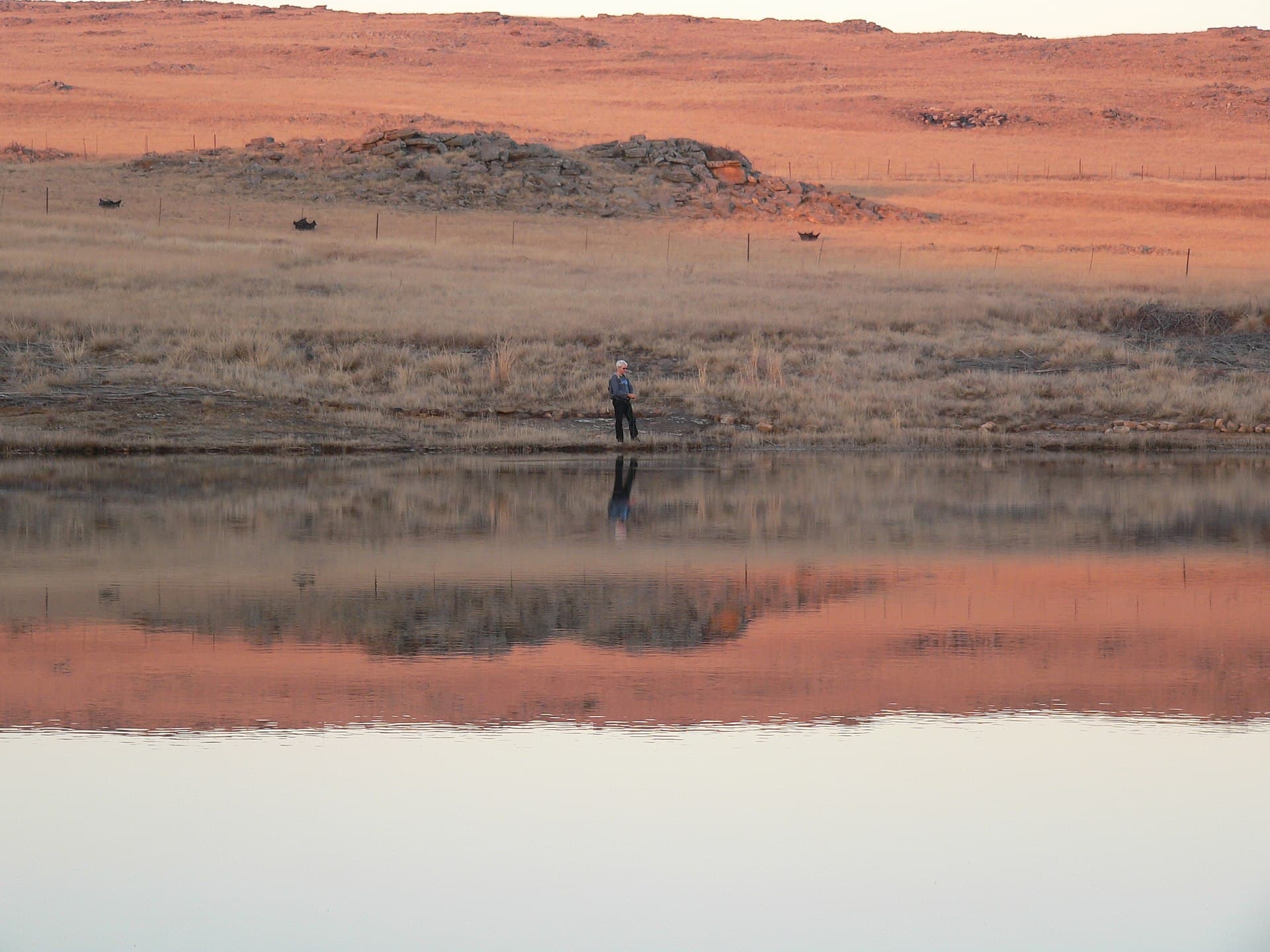 Bougnat87 / CC BY-SA 3.0, via Wikimedia Commons
Visite audio autoguidée de Dullstroom — parcours GPS à pied, lecture hors ligne, narration en 32 langues.
“Là où les collines enveloppées de brume rencontrent l'appel de la nature sauvage et la chaleur d'un verre de whisky.”
Pas les cartes postales. Les histoires que même les habitants ignorent — soufflées à l'oreille, là où elles se sont passées.
Dullstroom garde un secret pour les connaisseurs de whisky, une collection si vaste qu'elle rivalise avec les plus belles du monde.
La plus ancienne cheminée continuellement allumée d'Afrique du Sud raconte une histoire d'affection durable et d'une présence persistante.
Haut dans les Highlands du Mpumalanga, une gare se dresse comme une gardienne silencieuse d'une époque passée, détenant un record pour son altitude.
Découvrez tous les secrets de Dullstroom
Chaque adresse, chaque révélation en entier — dans ton oreille, là où elle s'est passée.
Tu choisis tes lieux. Tu marches. La voix te révèle ce que les autres ignorent.


Votre visite audioguidée de Dullstroom vous attend — choisissez vos lieux, votre langue, et lancez-vous dès votre arrivée.
AcheterDullstroom, souvent affectueusement surnommée 'Dullies', est un charmant village situé dans les montagnes de Steenkampsberg, dans le Mpumalanga, en Afrique du Sud. Positionnée à une altitude de plus de 2 000 mètres (6 500 pieds) au-dessus du niveau de la mer, elle a la particularité d'être la ville la plus haute d'Afrique du Sud, ce qui lui confère un climat distinct et vif rappelant les hautes terres européennes.
Cette évasion paisible, à environ 2,5 à 3 heures de Johannesburg et une étape pratique sur la route du parc national Kruger, a abandonné toute notion de se montrer à la hauteur de son nom 'ennuyeux' (dull en anglais). Au lieu de cela, elle s'est épanouie en un centre animé célébré pour sa pêche à la mouche, sa faune aviaire diversifiée et un paysage culinaire en pleine expansion. Que vous soyez attiré par la promesse d'eaux claires pour la truite, l'attrait d'observations rares de grues, ou simplement une retraite confortable au coin du feu, Dullstroom offre un mélange unique de splendeur naturelle et de charme de petite ville.
Au-delà de ses environs pittoresques, Dullstroom recèle une gamme surprenante de secrets et d'histoires, de son passé résilient à ses offres culturelles uniques. C'est un endroit où l'histoire s'entrelace avec les merveilles naturelles, invitant les visiteurs à approfondir la surface et à découvrir l'inattendu.
L'histoire de Dullstroom commence au début des années 1880 lorsque des colons hollandais, encouragés par le président Paul Kruger, sont arrivés dans la chaîne de montagnes de Steenkampsberg. Une compagnie dirigée par Wolterus Dull, un marchand d'Amsterdam, fut formée en 1883 pour faciliter l'immigration hollandaise et aider les familles touchées par la Première Guerre anglo-boer. La compagnie acquit deux fermes, Groot Suikerboschkop et Elandslaagte, pour établir une colonie, initialement dans le but de créer une industrie de production de laine. La ville fut officiellement proclamée par Paul Kruger le 9 octobre 1893, et nommée Dull's-stroom, d'après Wolterus Dull et la rivière Crocodile voisine ('stroom' étant le mot afrikaans pour ruisseau), plus tard simplifiée en Dullstroom.
Les premières années furent difficiles, marquées par un environnement rude et une pénurie de commodités, ce qui poussa certains colons à retourner en Hollande. La Seconde Guerre anglo-boer (1899-1902) apporta de nouvelles destructions, les soldats britanniques rasant presque entièrement la ville, ne laissant que deux bâtiments debout. Les femmes et les enfants furent transférés dans des camps de concentration à Belfast. Après le conflit, quelques personnes résilientes revinrent, reconstruisant le village, et Dullstroom obtint le statut de conseil municipal en 1921.
Un moment charnière dans l'histoire de Dullstroom survint en 1912 lorsqu'un maître de poste local, J. Gurr, attrapa un poisson ressemblant à une truite dans la rivière Dorps. Cette découverte conduisit à l'introduction d'alevins de truite provenant d'écloseries du Cap dans les cours d'eau locaux. En 1927, les truites prospéraient, et la construction de caisses à truites à l'ancien barrage municipal consolida l'avenir de Dullstroom en tant que première destination de pêche à la mouche d'Afrique du Sud. Aujourd'hui, le patrimoine de la ville se reflète également dans son architecture des XIXe et XXe siècles et un mémorial en pierre et un jardin du souvenir dédiés à ceux qui ont souffert pendant la guerre anglo-boer.
En février 2024, Dullstroom a officiellement adopté le double nom Dullstroom-Emnothweni, 'Emnothweni' signifiant 'lieu de prospérité'. Ce nom reflète l'expansion continue et l'attrait de la ville. Dullstroom est également remarquable pour son altitude considérable, étant la ville la plus haute d'Afrique du Sud à 2 100 mètres (6 900 pieds) au-dessus du niveau de la mer. Cette altitude contribue à son climat distinctif et à un certain nombre d'autres distinctions, notamment l'accueil de la gare la plus haute du pays à 2 077 mètres (6 814 pieds). La ville repose également au pied de De Berg, le point culminant de la province du Mpumalanga, à 2 332 mètres (7 651 pieds).
Commencez votre exploration de Dullstroom par une visite au Dullstroom Bird of Prey and Rehabilitation Centre. Fondée en 1997, cette organisation à but non lucratif propose des démonstrations de vol quotidiennes captivantes et des visites autoguidées, éduquant les visiteurs sur les rapaces et la faune indigène plus large dont ils s'occupent désormais. Pour les amateurs de whisky, Wild About Whisky est un arrêt essentiel, présentant la plus grande collection de whiskies de l'hémisphère sud avec plus de 1 100 bouteilles. Ils proposent des dégustations guidées et une large sélection de spiritueux.
Dullstroom est synonyme de pêche à la mouche, avec de nombreux barrages et rivières remplis de truites. De nombreux établissements locaux proposent des expériences de pêche, ce qui en fait une destination de choix pour les pêcheurs. Les amoureux de la nature devraient également rechercher les trois espèces de grues menacées — Grue bleue, Grue caronculée et Grue couronnée — toutes observables ici, un événement unique en Afrique du Sud.
Promenez-vous le long de la rue principale pour découvrir des boutiques distinctives, des galeries d'art comme la Dimitrov Art Gallery, et de charmants restaurants. Ne manquez pas le Dullstroom Inn, abritant un feu de bois qui brûle sans interruption depuis plus de 38 ans, et peut-être une ou deux histoires spectrales. L'importance historique de la ville est évidente dans son architecture et le mémorial et jardin du souvenir de la guerre anglo-boer. Pour une expérience de shopping unique, The Clock Shop prétend avoir la plus grande sélection d'horloges dans un seul magasin de l'hémisphère sud.
Dullstroom offre une expérience distincte à chaque saison. Le temps le plus agréable pour l'exploration générale s'étend généralement d'avril à octobre, avec des températures douces à fraîches. L'automne (mars à mai) et le printemps (septembre à novembre) offrent un temps équilibré, des températures confortables et moins de foules, idéal pour la marche et le vélo. Le printemps apporte également une vie aviaire active et des fleurs sauvages en floraison.
L'été (décembre à février) est chaud et verdoyant, avec des matins clairs et des pluies rafraîchissantes l'après-midi, ce qui le rend propice aux activités de plein air comme la randonnée et les voyages en famille. L'hiver (juin à août) est la période la plus froide, avec des matins glacials mais souvent des journées ensoleillées et lumineuses. C'est une période privilégiée pour les retraites confortables au coin du feu, les escapades romantiques et la pêche à la mouche dans des eaux claires et froides. L'altitude élevée de Dullstroom signifie qu'il peut même y avoir des chutes de neige en hiver.
Dullstroom est à environ 2,5 à 3 heures de route de Johannesburg, ce qui en fait une escapade de week-end accessible ou une escale pratique en route vers le parc national Kruger. L'altitude élevée de la ville signifie que le temps peut être imprévisible, il est donc conseillé de s'habiller en plusieurs couches, ainsi que d'apporter une protection solaire et des chaussures de marche confortables si vous prévoyez d'explorer les environs. Pour ceux qui s'intéressent à la pêche à la mouche, il est à noter que de nombreux établissements proposent du matériel.
Les options d'hébergement vont des lodges et hôtels de luxe aux gîtes et maisons d'hôtes indépendants, dont beaucoup acceptent les animaux de compagnie. Il est recommandé de réserver l'hébergement et les repas, surtout pour les grands groupes ou pendant les hautes saisons et les jours fériés. En explorant, vous trouverez une variété de restaurants, pubs et boutiques le long de la rue principale. Dullstroom est une ville relativement petite, ce qui la rend facile à parcourir à pied.
Dullstroom en coréen, en chinois ou en hébreu — et dans 29 autres langues, chaque étape narrée par une voix native. La plus large gamme de langues de tous les audioguides autoguidés.
Disponible en :