Municipio di Gmunden (Rathaus)
L'elaborata facciata del Municipio di Gmunden nasconde una delizia oraria, una colonna sonora più intricata del semplice rintocco di un orologio.
La storia completa si sblocca nel tour
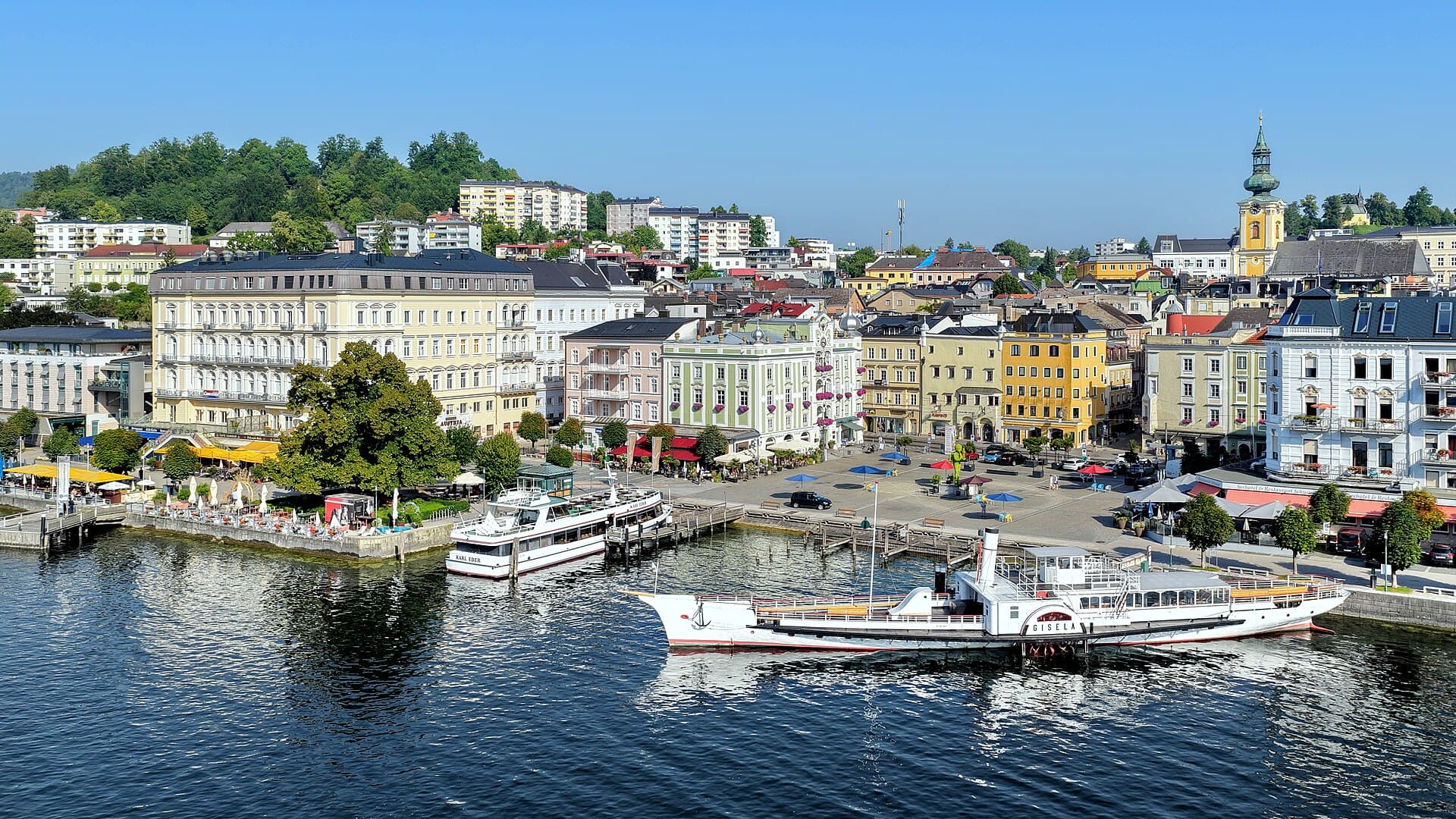 C.Stadler/Bwag / CC BY-SA 4.0, via Wikimedia Commons
Tour audio autoguidato di Gmunden — percorso GPS a piedi, riproduzione offline, narrazione coinvolgente in 32 lingue.
“Dove la grandezza alpina incontra le acque tranquille di un lago.”
Non le cartoline. Le storie che nemmeno i locali conoscono — sussurrate nel tuo orecchio, proprio dove sono accadute.
L'elaborata facciata del Municipio di Gmunden nasconde una delizia oraria, una colonna sonora più intricata del semplice rintocco di un orologio.
Questo celebrato castello sull'isola, una vista familiare sulle cartoline, serviva un tempo uno scopo pratico sorprendente, legato al passato industriale della città.
L'inconfondibile ceramica verde e bianca che si trova in tutta l'Austria possiede una storia d'origine meno conosciuta, nata dall'ingegnosità della città.
Scopri ogni segreto di Gmunden
Ogni indirizzo, ogni rivelazione completa — nel tuo orecchio, proprio dove è accaduta.
Scegli le tue tappe. Cammini. La voce rivela ciò che gli altri perdono.
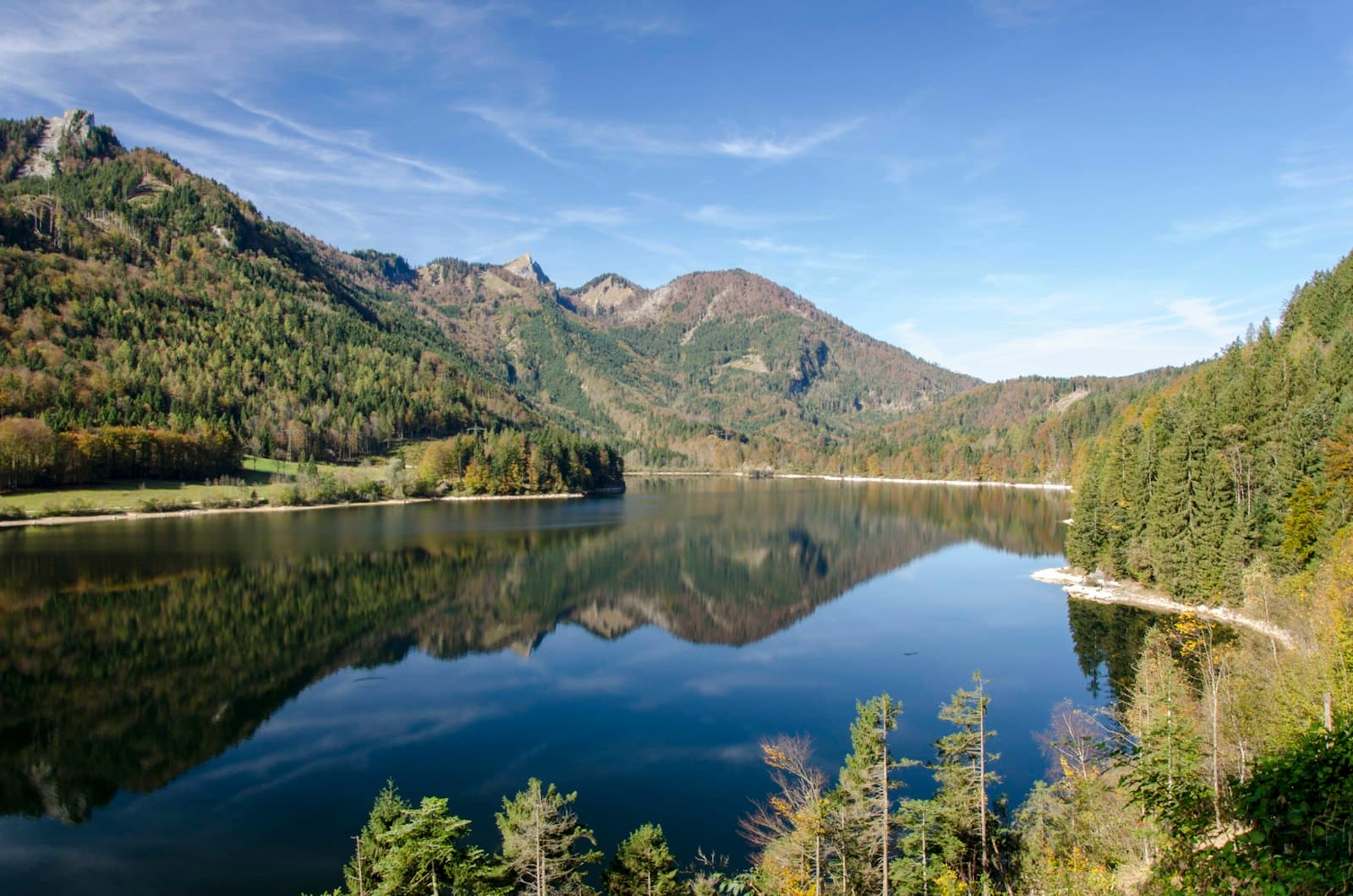
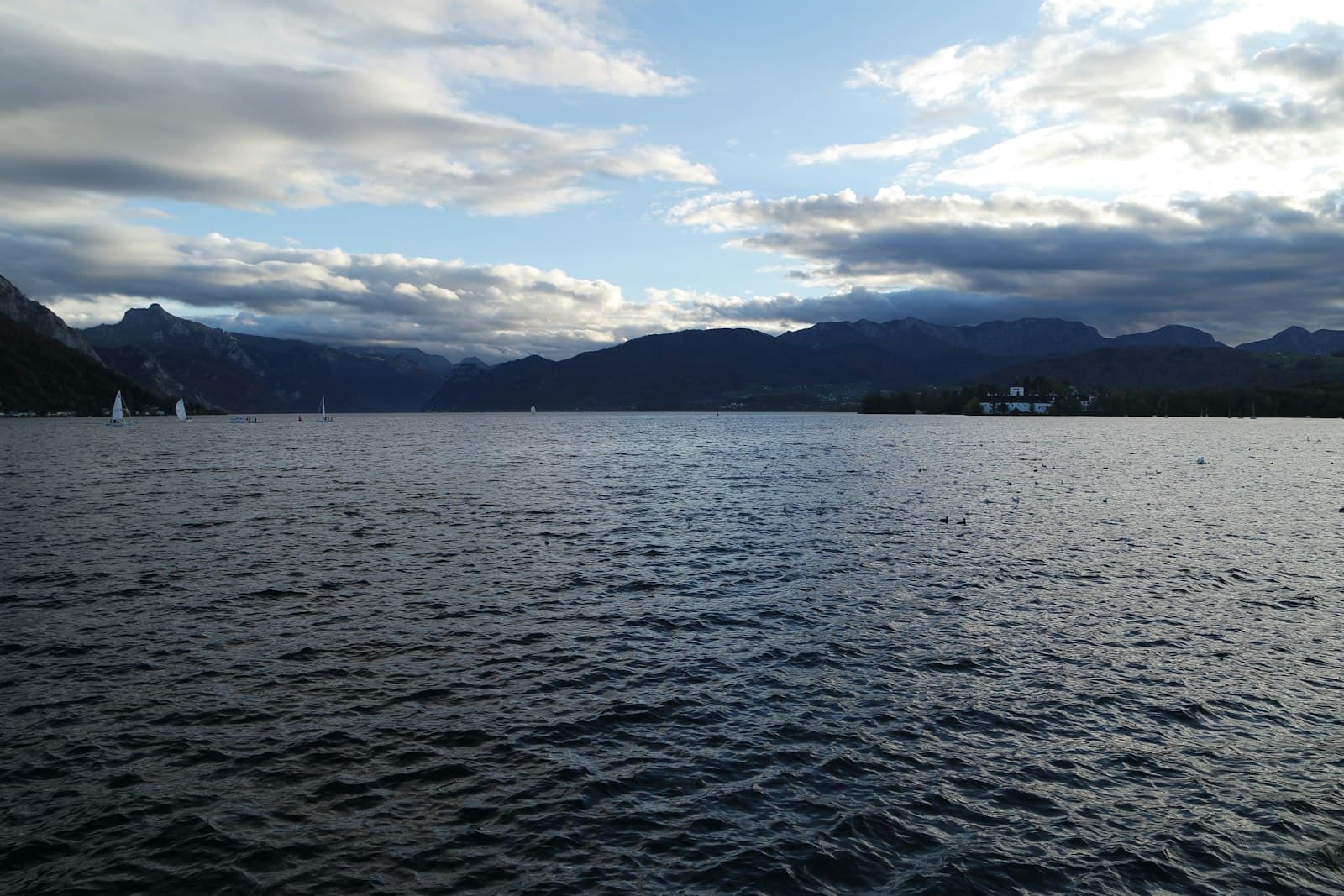
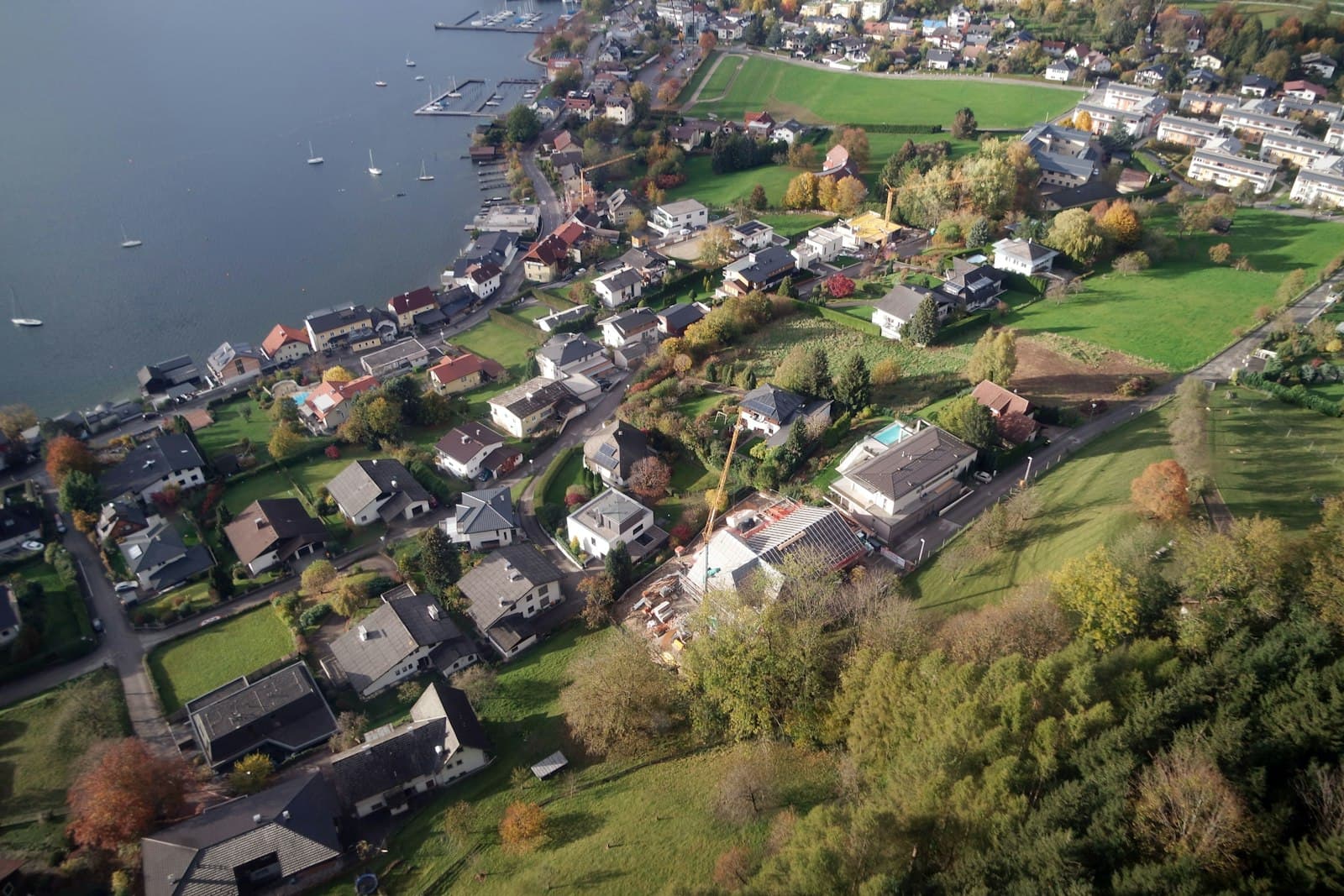
Il tuo tour audio autoguidato di Gmunden è pronto — scegli i tuoi punti di interesse, seleziona la tua lingua e inizia nel momento in cui arrivi.
AcquistaLume include una guida in realtà aumentata. Alza il telefono: la fotocamera mostra la strada davanti a te, con una freccia luminosa sovrapposta all'immagine reale che punta sempre verso la tua prossima tappa — nessuna mappa da decifrare, nessuna svolta sbagliata. Come tutto in Lume, funziona completamente offline.
Gmunden, una città dell'Alta Austria, si adagia sul bordo settentrionale del lago Traunsee, incorniciata dalle montagne del Salzkammergut. Offre una fusione di paesaggi alpini e pace lacustre, attirando visitatori verso le sue acque limpide e l'architettura duratura. La città, con circa 13.000 residenti, è nota per il suo ritmo tranquillo e l'ambientazione scenica.
Spesso definita il "Monte Carlo delle Alpi", Gmunden unisce patrimonio culturale e attività all'aria aperta. Dalle passeggiate tranquille lungo l'Esplanade alle escursioni in montagna più impegnative, la città funge da portale verso lo splendore naturale circostante. Il suo centro storico, con facciate colorate e la riconoscibile Gmundner Keramik, riflette un passato profondo.
Mentre luoghi come Hallstatt possono essere molto affollati, Gmunden mantiene un fascino più discreto, consentendo un incontro più tranquillo con il Distretto dei Laghi Austriaci. È un luogo dove l'aria è frizzante e i riflessi delle montagne sul lago creano uno sfondo accattivante per la scoperta e il riposo.
Le origini di Gmunden risalgono all'antichità, con gli Illiri che estraevano sale nella regione già nel 1000 a.C. Un insediamento esisteva già nel V secolo d.C. e nel 1186 Gmunden era un luogo fortificato e cinto da mura. Divenne ufficialmente città nel 1278. La sua posizione strategica alla foce del fiume Traun la rese un importante punto di trasbordo per il commercio del sale nell'Alto Medioevo.
Le difese della città erano considerevoli, tra cui una cinta muraria, torri e un fossato largo 20 metri aggiunto a metà del XIII secolo. Il lato affacciato sul lago di Gmunden era inoltre protetto da spessi pali di legno conficcati nel fondale lacustre a semicerchio, con un cancello per il passaggio delle navi saliniere. Nel XVII secolo, Gmunden fornì persino navi da guerra all'Austria e ospitò ospedali per soldati feriti durante la Prima Guerra Mondiale.
Oltre al sale, Gmunden guadagnò riconoscimenti per la sua distintiva ceramica cotta di verde, con sette maestri ceramisti registrati alla fine del XVI secolo. Poiché l'importanza del commercio del sale diminuì nel XIX secolo, Gmunden si adattò, trasformandosi in una località di cura e villeggiatura estiva. Divenne una stazione termale ufficialmente riconosciuta nel 1862, offrendo vari bagni e trattamenti. Questo periodo la vide frequentata anche dall'aristocrazia europea, inclusi arciduchi d'Austria, e da figure culturali come Franz Schubert e Johannes Brahms. La chiesa parrocchiale barocca, costruita su fondamenta del XIII secolo, fu consacrata nel 1723 e il municipio risale al 1659, riflettendo l'eredità architettonica duratura della città.
La struttura più riconoscibile è Schloss Ort, un castello medievale situato su una piccola isola nel lago Traunsee, raggiungibile tramite un lungo ponte di legno. I visitatori possono esplorare il cortile e il museo; il castello è una location prediletta per i matrimoni. L'Esplanade, una passeggiata lunga un miglio senza traffico ombreggiata da castagni, offre viste sul lago e sulle montagne, ideale per una passeggiata rilassante.
Nel centro della città, Rathausplatz presenta lo storico Municipio (Rathaus) con il suo distintivo carillon di campane in ceramica e un'architettura elaborata. Nelle vicinanze, lo showroom e i negozi della fabbrica Gmundner Keramik espongono la tradizione ceramica della città, nota per i suoi disegni in bianco e verde. Per ampie vedute, la funivia Grünberg Seilbahn sale sul monte Grünberg, offrendo accesso a sentieri escursionistici e a una passerella tra gli alberi. Dalla cima del Grünberg, un sentiero di un'ora conduce al Laudachsee, un tranquillo lago di montagna. Il lago Traunsee stesso offre varie attività, tra cui escursioni in battello sullo storico piroscafo "Gisela", nuoto, vela e kayak.
Il periodo più favorevole per visitare Gmunden per attività all'aria aperta con clima caldo va da fine giugno a fine agosto, quando le temperature medie giornaliere massime superano i 19°C (66°F). Le estati sono miti e piacevoli, con temperature intorno ai 20-25°C (68-77°F), adatte per attività sul lago e passeggiate. La primavera e l'inizio dell'autunno, con temperature intorno ai 10-15°C (50-59°F), offrono aria frizzante ideale per l'esplorazione senza caldo o freddo estremi. Sebbene gli inverni portino neve e temperature più fredde, intorno a -2-3°C (28-37°F), la città diventa un santuario tranquillo e innevato, offrendo attività invernali come il curling e il pattinaggio sul ghiaccio.
Gmunden è raggiungibile in auto, a circa 90 minuti di guida da Salisburgo sull'autostrada A1, o in treno, circa 2,5 ore direttamente dalla stazione centrale di Vienna. Il tram cittadino, il Traunseetram, collega la stazione ferroviaria principale al lungolago. I bagni pubblici sono disponibili in tutta la città, specialmente vicino a Rathausplatz, alla passeggiata sul lago e alle principali aree di parcheggio, con un costo solitamente di circa 0,50 €. Esistono molteplici opzioni di parcheggio, inclusi parcheggi centrali, garage e zone gratuite Park & Ride. Per informazioni locali, l'ufficio turistico, solitamente vicino a Rathausplatz, fornisce mappe, brochure e calendari di eventi. Gli ostelli costano tipicamente tra 25 € e 40 € a notte, e un pasto base può costare tra 8 € e 12 €.
Gmunden — coreano, cinese, ebraico e altre 29 lingue, ogni tappa narrata da una voce madrelingua. La più ampia scelta di lingue tra i tour audio autoguidati.
Disponibile in: