Das Haus der Sklaven
Die ikonische 'Tür ohne Wiederkehr' ist ein starkes Symbol, doch die genauen Umstände ihrer Nutzung könnten eine andere Perspektive eröffnen.
Die ganze Geschichte wird in der Tour freigeschaltet
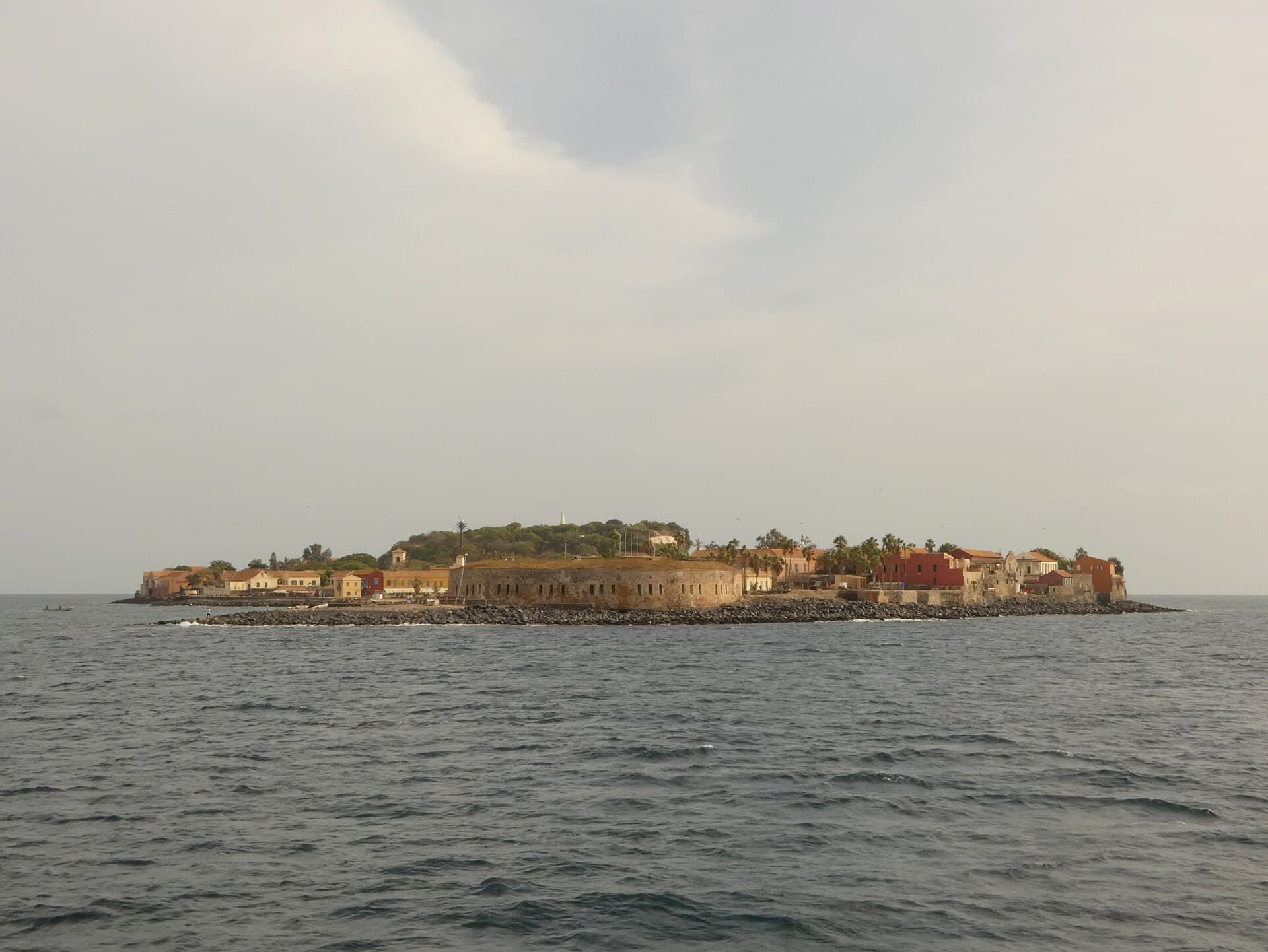 Gregor Rom / CC BY-SA 4.0, via Wikimedia Commons
Selbstgeführte Audio-Walking-Tour durch Gorée — GPS-Route, Offline-Wiedergabe, erzählerische Narration in 32 Sprachen.
“Wo sonnenverwöhnte Bougainvillea auf die tiefen Echos einer fernen Vergangenheit treffen.”
Nicht die Postkarten. Die Geschichten, die selbst Einheimische nicht kennen – dir ins Ohr geflüstert, genau dort, wo sie geschahen.
Die ikonische 'Tür ohne Wiederkehr' ist ein starkes Symbol, doch die genauen Umstände ihrer Nutzung könnten eine andere Perspektive eröffnen.
Die farbenfrohen Fassaden der Insel erzählen nicht nur von europäischem Einfluss, sondern auch von einer ausgeprägten lokalen sozialen Schicht.
Schon der Name 'Gorée' trägt eine subtile Resonanz seiner vielschichtigen Vergangenheit in sich.
Entdecke jedes Geheimnis von Gorée
Jede Adresse, jede Enthüllung vollständig – in deinem Ohr, genau dort, wo es geschah.
Du wählst deine Stationen. Du gehst. Die Stimme enthüllt, was andere übersehen.


Deine selbstgeführte Audio-Tour durch Gorée ist bereit – wähle deine Sehenswürdigkeiten, deine Sprache und starte, sobald du ankommst.
KaufenLume enthält einen integrierten Augmented-Reality-Guide. Halten Sie Ihr Handy hoch: Die Kamera zeigt die Straße vor Ihnen, mit einem leuchtenden Pfeil über dem echten Bild, der immer auf Ihren nächsten Stopp zeigt — keine Karte zum Rätseln, keine falschen Abzweigungen. Wie alles bei Lume funktioniert es komplett offline.
Nur drei Kilometer vor der energiegeladenen Küste Senegals, in Dakar, liegt die Insel Gorée, ein Ort von tiefem historischen Gewicht und bestürzender Anmut. Diese kleine Insel, etwa 900 Meter lang und 350 Meter breit, bietet eine einzigartige Mischung aus ergreifender Geschichte und ruhvoller Anziehungskraft. Gorée wurde 1978 zum UNESCO-Weltkulturerbe erklärt und ist eine Gedenkstätte für den transatlantischen Sklavenhandel, die Besucher aus aller Welt anzieht, die sich mit diesem düsteren Kapitel der menschlichen Erfahrung auseinandersetzen möchten.
Über seine eindrucksvollen historischen Stätten hinaus besticht Gorée durch seine autofreien Gassen, die sonnenbeschienene Kolonialarchitektur und eine friedliche Atmosphäre, die sich von der Hauptinsel meilenweit entfernt anfühlt. Die Insel fungiert als lebendiges Museum, in dem pastellfarbene, mit Bougainvilleen geschmückte Wohnhäuser schmale Wege säumen und zur stillen Entdeckung einladen. Es ist ein Ort, an dem die Echos der Vergangenheit auf den täglichen Rhythmus seiner rund 1.000 Einwohner treffen und ein Erlebnis schaffen, das sowohl bezaubernd als auch tief bewegend ist.
Die Reise der Insel Gorée als europäische Siedlung begann 1444, als portugiesische Seefahrer erstmals ankamen und später eine Präsenz etablierten. Die strategische Lage der Insel machte sie zu einem begehrten Handelsposten, was zu Jahrhunderten wechselnder Kontrolle durch europäische Mächte führte. Den Portugiesen folgten die Niederländer im späten 16. Jahrhundert, die dann mehrmals die Herrschaft verloren und zurückgewannen. Auch die Briten hielten die Insel während verschiedener Konflikte mit Frankreich kurzzeitig, insbesondere zwischen 1758 und 1763 und erneut von 1779 bis 1783. Schließlich sicherten sich die Franzosen 1677 die Kontrolle und behielten sie bis zur Unabhängigkeit Senegals im Jahr 1960.
Von 1536 bis zur Abschaffung der Sklaverei in französischen Gebieten im Jahr 1848 spielte Gorée eine bedeutende, wenn auch umstrittene Rolle im transatlantischen Sklavenhandel. Sie diente als Sammel- und Verschiffungszentrum für versklavte Afrikaner, die gewaltsam aus Westafrika verschleppt und in engen, dunklen Zellen eingesperrt wurden, während sie auf den Transport über den Atlantik nach Amerika warteten. Während Historiker die genaue Zahl der versklavten Menschen diskutieren, die Gorée durchliefen, bieten die erhaltenen Strukturen, insbesondere das Haus der Sklaven, eine greifbare und feierliche Verbindung zu dieser dunklen Periode. Die Insel diente sowohl als Wohn- und Handelszentrum für europäische Händler als auch als Haftort für gefangene Afrikaner. Die Bedingungen für die Versklavten waren entsetzlich; viele starben, bevor sie die Schiffe erreichten, und Familien wurden oft auseinandergerissen.
1978 erhielt die Insel Gorée den Status eines UNESCO-Weltkulturerbes, der ihre historische Bedeutung im Sklavenhandel und ihre gut erhaltene Kolonialarchitektur würdigt. Heute ist sie ein mächtiges Mahnmal und ein Pilgerort, insbesondere für Menschen afrikanischer Abstammung, die sich mit ihrem Erbe verbinden möchten. Die Vergangenheit der Insel wird offen gelehrt, diskutiert und erinnert, um sicherzustellen, dass das Erbe des Kolonialismus und des Sklavenhandels nicht vergessen wird.
Beginnen Sie Ihre Erkundung im Haus der Sklaven (Maison des Esclaves), einem ergreifenden Museum aus dem Jahr 1776, das als Mahnmal für die Opfer des transatlantischen Sklavenhandels dient. Hier können Sie durch die Zellen gehen, in denen versklavte Afrikaner gefangen gehalten wurden, und die ernüchternde 'Tür ohne Wiederkehr' sehen.
Jenseits des Hauses der Sklaven sollten Sie sich Zeit nehmen, durch die autofreien, sonnenbeschienenen Gassen der Insel zu schlendern. Bewundern Sie die farbenfrohe Kolonialarchitektur mit ihren pastellfarbenen Fassaden und bougainvilleenbewachsenen Mauern. Diese einladenden Gassen führen zu ruhigen Innenhöfen und geben einen Einblick in die einzigartige Mischung aus Geschichte und Alltagsleben der Insel.
Steigen Sie hinauf zum Castel, einer ehemaligen Militärfestung auf der höchsten Erhebung der Insel, von der aus Sie einen weiten Blick über Gorée, Dakar und den Atlantischen Ozean genießen können. Dort entdecken Sie alte französische Kanonen, die einst die Insel verteidigten. Das Historische Museum von Senegal, untergebracht im ehemaligen Fort d'Estrées, bietet einen breiteren Kontext zur Geschichte Senegals, vom Paläolithikum bis zur Unabhängigkeit, einschließlich der spezifischen Rolle von Gorée.
Unterstützen Sie lokale Talente, indem Sie eine der Freiluft-Kunstgalerien besuchen oder an einem Sandmalerei-Workshop teilnehmen. Für einen Moment der Ruhe besuchen Sie die Kirche Saint-Charles-Borromée, die 1830 gegründet wurde und die kulturelle Vielfalt der Insel widerspiegelt. Vergessen Sie nicht, ein Bad am Plage de Gorée, einer sichelförmigen Sandbucht mit flachem Wasser, zu nehmen.
Die angenehmste Zeit für einen Besuch der Insel Gorée ist während der Trockenzeit, die von November bis Mai dauert. In diesen Monaten sind die Temperaturen mild und liegen zwischen 24°C und 26°C, mit geringer Luftfeuchtigkeit und minimalen Niederschlägen. Januar und Februar bieten besonders kühle und angenehme Bedingungen für Rundgänge. Um größere Gruppen zu vermeiden, sollten Sie einen Wochentag (Dienstag, Mittwoch oder Donnerstag) wählen, der nicht mit einem Feiertag oder Schulferien zusammenfällt. Es wird auch empfohlen, mit einer frühen Fähre anzukommen, um das Haus der Sklaven vor der Mittagsaktivität zu erleben.
Die Insel Gorée ist ausschließlich per Fähre vom Passagierterminal in Dakar aus erreichbar, eine Fahrt, die etwa 25-30 Minuten dauert. Fähren verkehren täglich alle zwei Stunden von 7 bis 24 Uhr, Tickets sind am Terminal erhältlich. Ein Reisepass ist erforderlich, um ein Ticket zu kaufen und die Fähre zu besteigen. Rückfahrkarten für nicht-afrikanische Einwohner kosten etwa 6.000 CFA, zuzüglich einer Gebühr von 500 CFA für die lokale Gemeinschaft. Es ist ratsam, frühzeitig anzukommen, insbesondere an Wochenenden oder Feiertagen, da die Tickets nach dem Prinzip 'Wer zuerst kommt, mahlt zuerst' vergeben werden.
Die Insel ist autofrei, daher sind bequeme Wanderschuhe unerlässlich, um ihre sonnenbeschienenen Gassen zu erkunden. Obwohl Führer nicht obligatorisch sind, sind offiziell lizenzierte Führer (erkennbar an Westen) sachkundig und können bereichernde Einblicke in die Geschichte der Insel geben. Vereinbaren Sie den Preis für einen Führer vor Ort. Das Haus der Sklaven ist montags geschlossen, aber private Besuche können gegen eine zusätzliche Gebühr arrangiert werden.
Gorée — Koreanisch, Chinesisch, Hebräisch und 29 weitere Sprachen, jede Station von einer muttersprachlichen Stimme erzählt. Die größte Sprachauswahl aller selbstgeführten Audiotouren.
Verfügbar auf: