Île de Fadiouth
Vous marchez sur un chemin qui craque sous vos pieds, non pas à cause du gravier, mais de quelque chose de bien plus inhabituel. De quoi est-il fait ?
L'histoire complète se débloque dans le tour
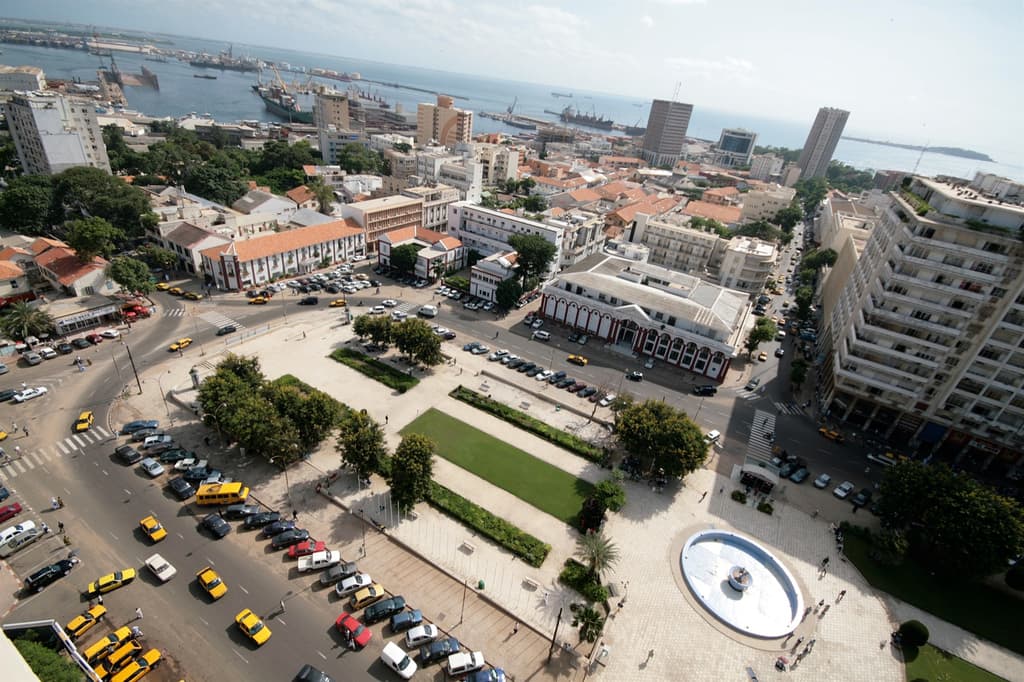 mostroneddo / cc by 2.0, via Wikimedia Commons
Visite audio autoguidée de Joal-Fadiouth — parcours GPS à pied, lecture hors ligne, narration en 32 langues.
“Là où la terre rencontre la mer, et une mosaïque de coquillages ouvre la voie à une profonde harmonie.”
Pas les cartes postales. Les histoires que même les habitants ignorent — soufflées à l'oreille, là où elles se sont passées.
Vous marchez sur un chemin qui craque sous vos pieds, non pas à cause du gravier, mais de quelque chose de bien plus inhabituel. De quoi est-il fait ?
Imaginez un cimetière où les symboles de différentes confessions se côtoient, témoignage d'une profonde coexistence. Qu'est-ce qui rend ce lieu de sépulture si remarquable ?
Dans une nation majoritairement musulmane, vous pourriez être surpris de voir certains animaux errer librement. Quelle vue inattendue accueille les visiteurs à Joal ?
Découvrez tous les secrets de Joal-Fadiouth
Chaque adresse, chaque révélation en entier — dans ton oreille, là où elle s'est passée.
Tu choisis tes lieux. Tu marches. La voix te révèle ce que les autres ignorent.
Votre visite audioguidée de Joal-Fadiouth vous attend — choisissez vos lieux, votre langue, et lancez-vous dès votre arrivée.
AcheterLume intègre un guide en réalité augmentée. Levez votre téléphone : sa caméra montre la rue devant vous, avec une flèche lumineuse posée sur l'image réelle qui pointe toujours vers votre prochain arrêt — aucune carte à déchiffrer, aucun mauvais virage. Comme tout dans Lume, ça fonctionne entièrement hors-ligne.
Joal-Fadiouth, une ville côtière captivante de la Petite Côte du Sénégal, offre un mélange singulier de richesse culturelle et de merveille naturelle. Composée de deux parties distinctes – Joal sur le continent et Fadiouth, une île remarquable entièrement construite de coquillages – cette destination offre un aperçu profond de la vie sénégalaise. Reliée par une longue passerelle en bois, Fadiouth est un havre de paix piétonnier où le doux craquement des coquillages sous les pieds accompagne chaque pas, vous guidant à travers un village pas comme les autres.
Au-delà de sa géologie extraordinaire, Joal-Fadiouth est célébrée pour son accord religieux exemplaire. Ici, les communautés chrétienne et musulmane vivent côte à côte, partageant des traditions et même un cimetière commun où les tombes de différentes confessions reposent en coexistence pacifique. Cet esprit de tolérance, associé à une culture de pêche animée et à l'héritage du premier président du Sénégal, Léopold Sédar Senghor, fait de Joal-Fadiouth une étape inoubliable de tout itinéraire sénégalais.
L'histoire de Joal-Fadiouth est profondément liée au peuple Sérère, l'un des plus anciens groupes ethniques du Sénégal, qui se serait installé dans la région bien avant le XVIe siècle. L'île de coquillages distinctive de Fadiouth elle-même est habitée depuis des siècles, se développant organiquement à partir des coquilles accumulées de mollusques récoltés par ses habitants. Les origines exactes de Fadiouth sont débattues, certaines théories suggérant une habitation dès le XIIe siècle.
À la fin du XVIe siècle, Joal est devenu un important comptoir commercial sur la côte ouest du Sénégal. Sa position stratégique a attiré les commerçants européens, avec des marchands hollandais et portugais y établissant une présence. Notamment, une communauté de commerçants juifs portugais a également prospéré à Joal jusqu'en 1635 environ, bénéficiant de la protection des chefs locaux qui leur permettait de pratiquer ouvertement leur religion, une occurrence rare à l'époque. Cette période précoce a également vu la pénétration initiale des missionnaires chrétiens, bien que l'évangélisation généralisée n'ait pris de l'ampleur qu'au XIXe siècle.
Le statut administratif de Joal-Fadiouth a évolué au fil du temps, passant de canton à chef-lieu de comté avant d'être élevé au rang de commune le 1er février 1966. Aujourd'hui, elle fait partie du département de M'bour dans la région de Thiès. La ville est immensément fière d'être le lieu de naissance de Léopold Sédar Senghor, premier président du Sénégal, poète, écrivain et homme politique de renom qui a mené la nation à l'indépendance en 1960. Son héritage est profondément ancré dans le tissu de Joal, où sa maison d'enfance peut encore être visitée.
Plus récemment, Joal-Fadiouth a été reconnue pour son importance écologique. En 2004, une Aire Marine Protégée a été établie, couvrant environ 174 kilomètres carrés d'habitat côtier, d'estuaires de mangroves et d'eaux proches du rivage. Cette initiative a été motivée par des préoccupations concernant le déclin des prises de poisson et la dégradation des habitats, soulignant l'engagement de la communauté locale envers une gestion durable des ressources.
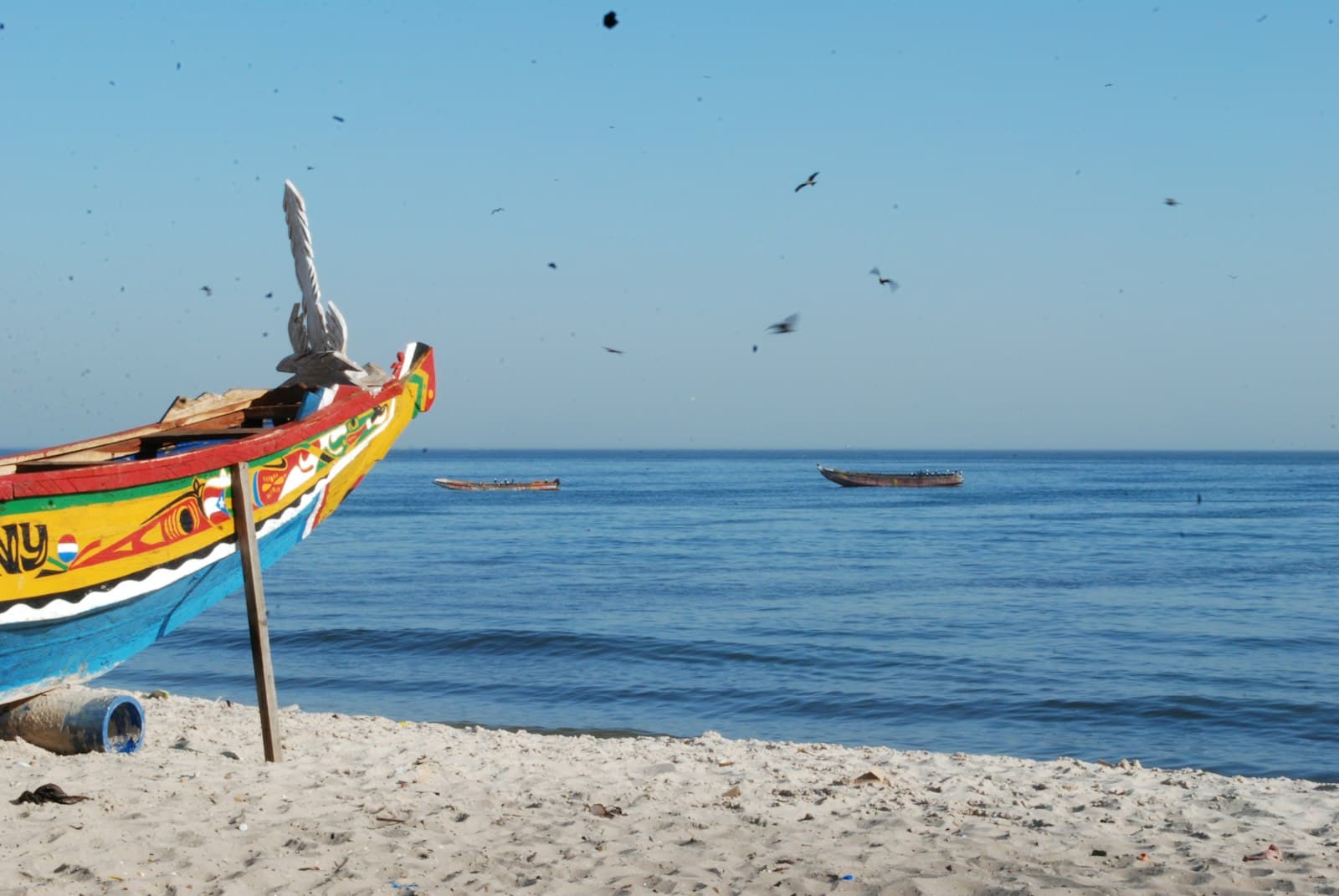
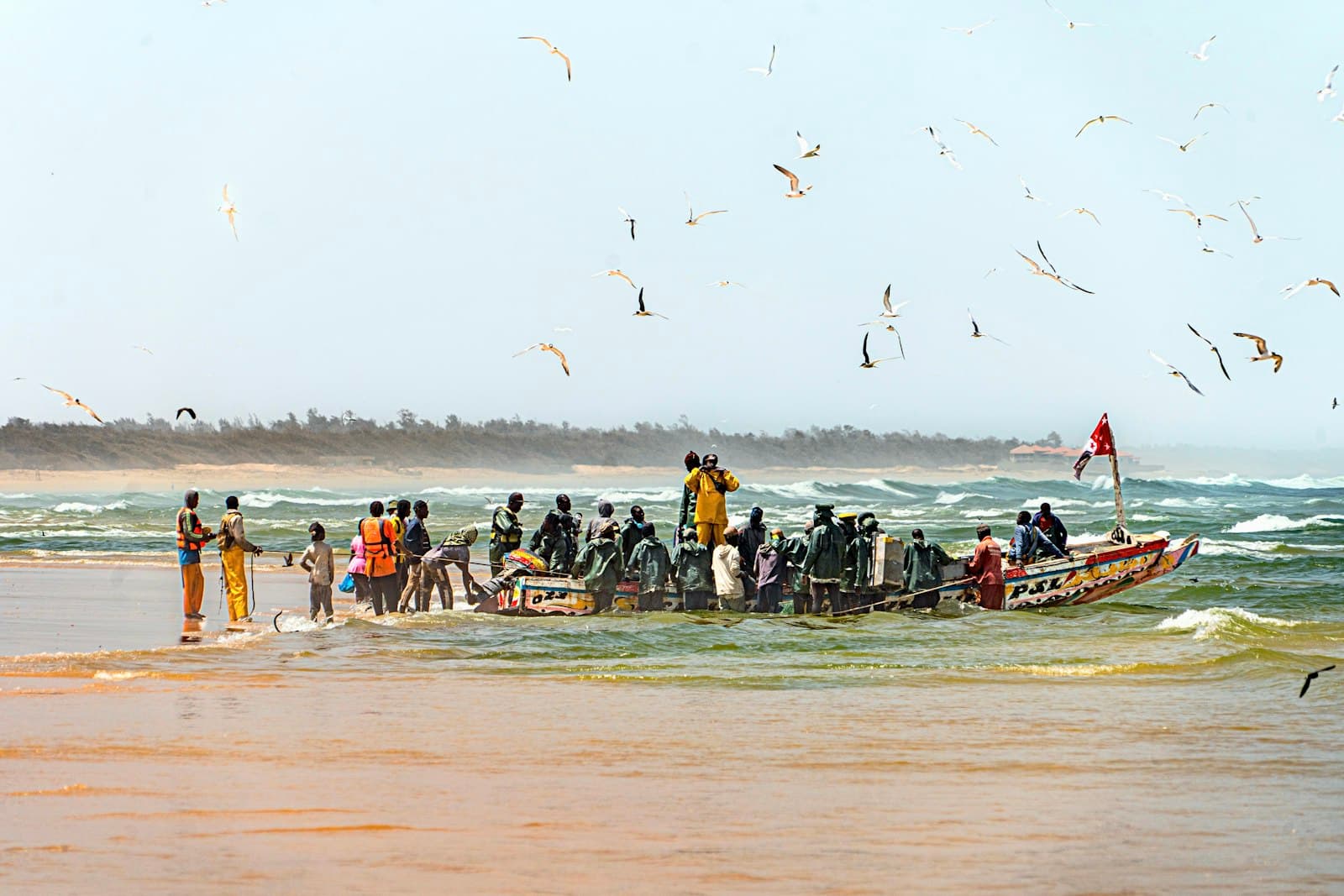
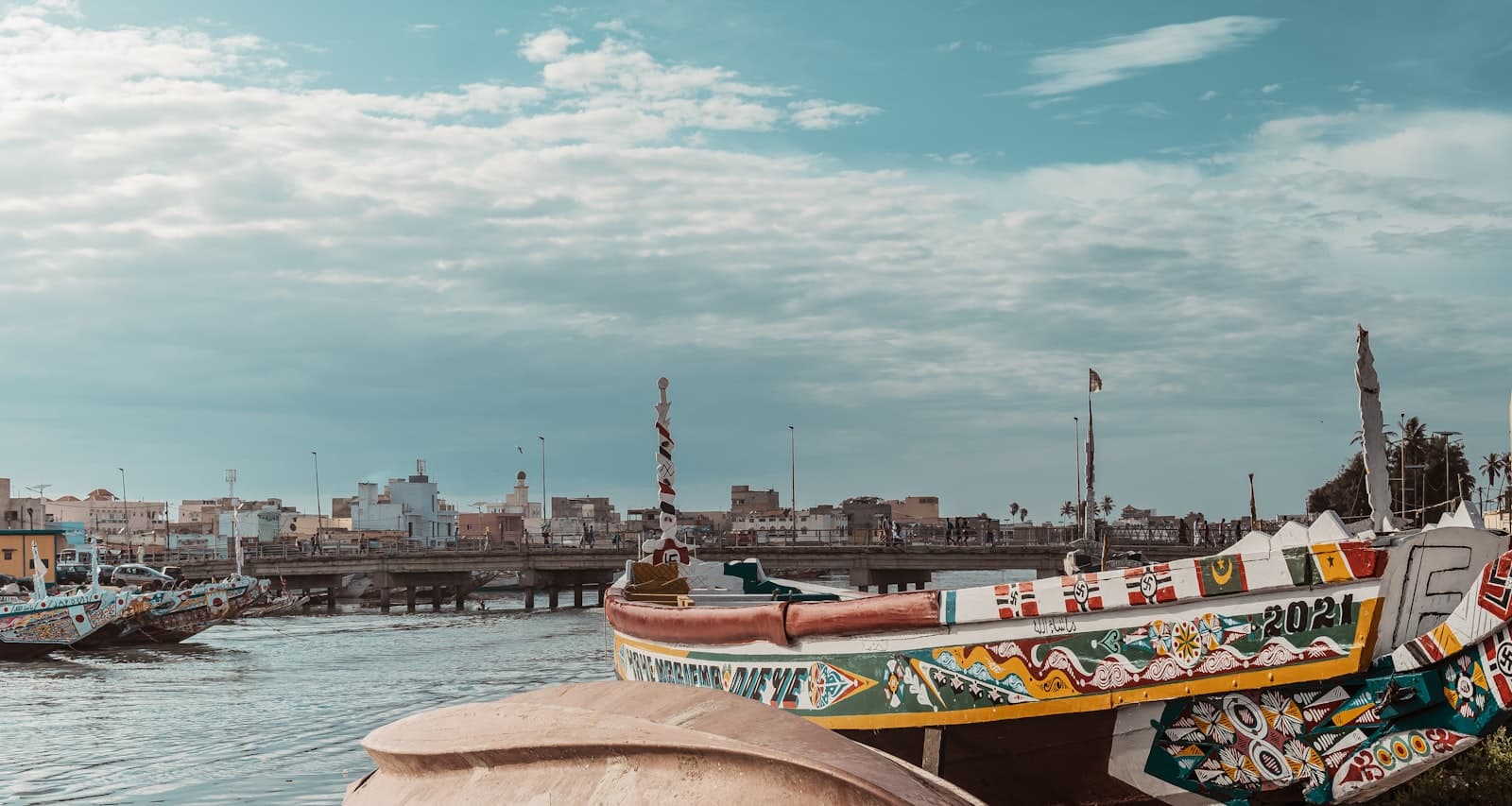
Commencez votre exploration à Joal en visitant le port de pêche artisanale, un centre animé où les pirogues colorées reviennent avec leurs prises quotidiennes, particulièrement animé le matin et le soir. Vous pouvez observer les méthodes de pêche traditionnelles et même acheter des fruits de mer frais. Ne manquez pas le lieu de naissance de Léopold Sédar Senghor, premier président du Sénégal, qui offre un aperçu de sa vie et de l'histoire de la ville.
Traversez la passerelle en bois de 800 mètres jusqu'à Fadiouth, l'île emblématique de coquillages où chaque pas craque sur un tapis de coquilles de mollusques. L'île est une zone piétonne, ce qui ajoute à son charme tranquille. Promenez-vous dans ses rues bordées de coquillages, admirant l'architecture unique. Un point culminant est le cimetière mixte de Fadiouth, également construit de coquillages, où les tombes chrétiennes et musulmanes reposent côte à côte, un témoignage puissant de l'accord religieux de l'île. Gardez un œil sur les greniers sur pilotis au-dessus de l'eau, une caractéristique distinctive de l'architecture Sérère. Envisagez une promenade en pirogue à travers les mangroves environnantes pour observer la faune aviaire locale et les fermes ostréicoles. Pour une autre merveille naturelle, juste à l'extérieur de Joal en direction de Palmarin, vous pouvez trouver un grand baobab, réputé être l'un des plus grands du Sénégal, assez vaste pour être exploré à l'intérieur.
La meilleure période pour visiter Joal-Fadiouth est pendant la saison sèche, qui s'étend de novembre à avril. Pendant ces mois, le temps est sec et agréable, avec des températures diurnes moyennes confortables de 28-32°C (82-90°F) et des soirées plus fraîches. Cette période offre des conditions idéales pour explorer l'île, faire des excursions en pirogue et profiter des activités de plein air sans l'humidité élevée et les fortes pluies de la saison humide (juillet à octobre).
Joal-Fadiouth est située à environ 110-120 km au sud-est de Dakar, à l'extrémité de la Petite Côte. Si vous venez de Dakar, prenez la route nationale jusqu'à Mbour, puis continuez jusqu'à Joal sur des routes bien entretenues. Les options de transport public incluent un 'sept-places' (taxi partagé) depuis le Garage Pompière de Dakar, coûtant environ 2 100 CFA. De Mbour, un sept-places coûte environ 750 CFA. Soyez prêt à négocier les coûts des bagages.
Une fois à Joal, les taxis appelés 'klandos' peuvent vous transporter le long de la route principale pour environ 100 CFA. Cependant, l'île de Fadiouth est sans voiture, vous l'explorerez donc à pied. Respectez les coutumes locales : saluez toujours les gens, évitez d'utiliser votre main gauche pour les poignées de main ou les échanges, et demandez la permission avant de prendre des photos. Bien qu'il n'y ait pas d'hôtels sur Fadiouth, des hébergements peuvent être trouvés à Joal.
Joal-Fadiouth en coréen, en chinois ou en hébreu — et dans 29 autres langues, chaque étape narrée par une voix native. La plus large gamme de langues de tous les audioguides autoguidés.
Disponible en :