This iconic spaceman isn't just floating in the urban sky; his very existence here is a subtle nod to a forgotten Cold War rivalry playing out on Berlin's streets.
Photo: Florian Wehde / UnsplashKreuzberg Street Art
Self-guided audio walking tour of Kreuzberg Street Art — GPS route, offline playback, story-driven narration in 32 languages.
“Kreuzberg's walls: where art isn't just paint, it's protest.”
Kreuzberg Street Art, as no one tells it.
Not the postcards. The stories even locals don't know — whispered in your ear, right where they happened.
Once a towering critique of capitalism, this mural was deliberately erased by its own creator, leaving behind a stark black void. The reason for its disappearance is a powerful statement about art and ownership.
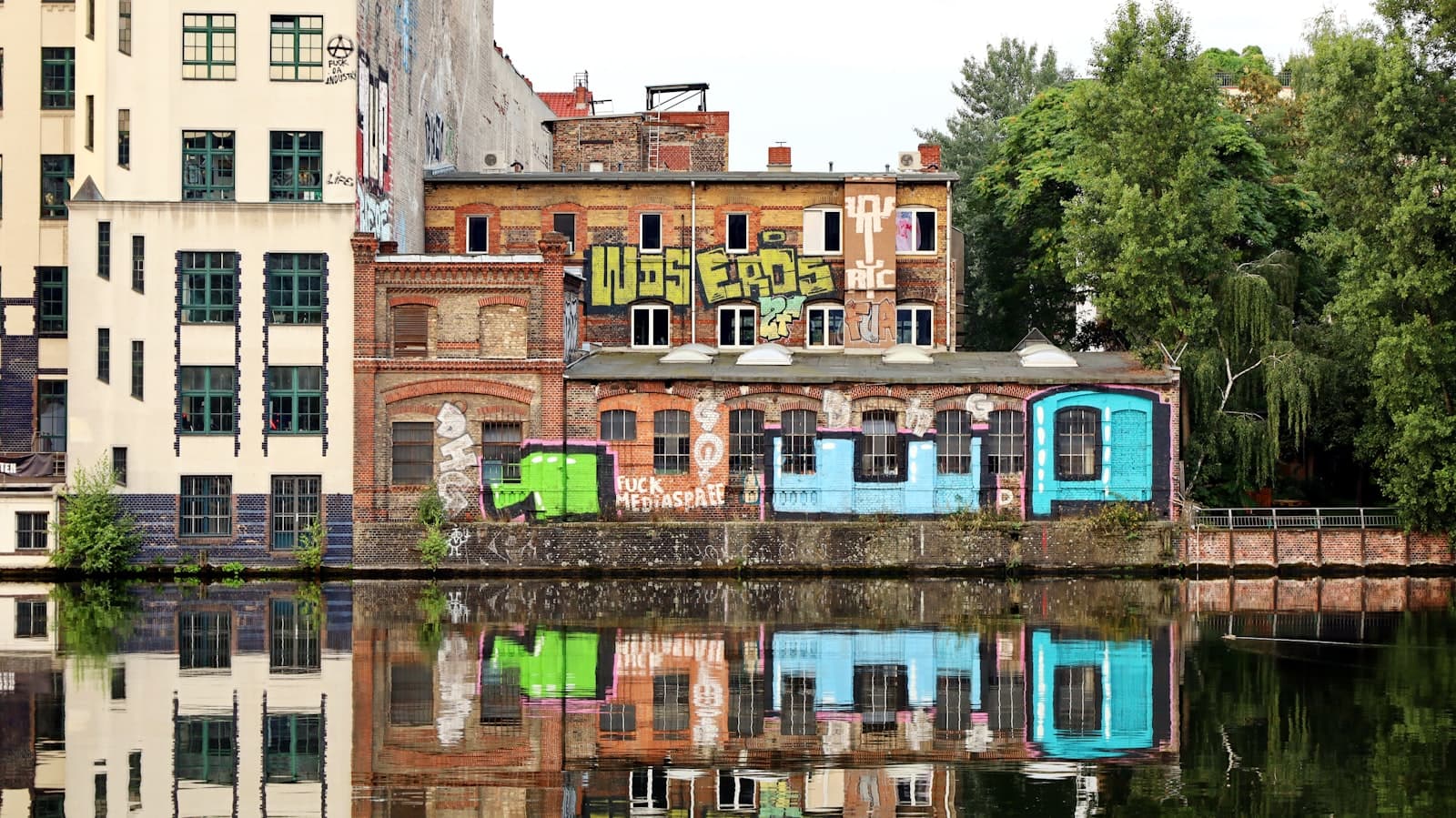
The murals covering this building tell a story not just of art, but of a decades-long struggle for alternative living and social justice.
Discover every secret of Kreuzberg Street Art
Every address, every reveal in full — in your ear, right where it happened.
You pick your stops. You walk. The voice reveals what the others miss.
How long do you have in Kreuzberg Street Art?
Your self-guided audio tour of Kreuzberg Street Art is ready — pick your landmarks, choose your language, and start the moment you arrive.
BuyThe story of Kreuzberg Street Art
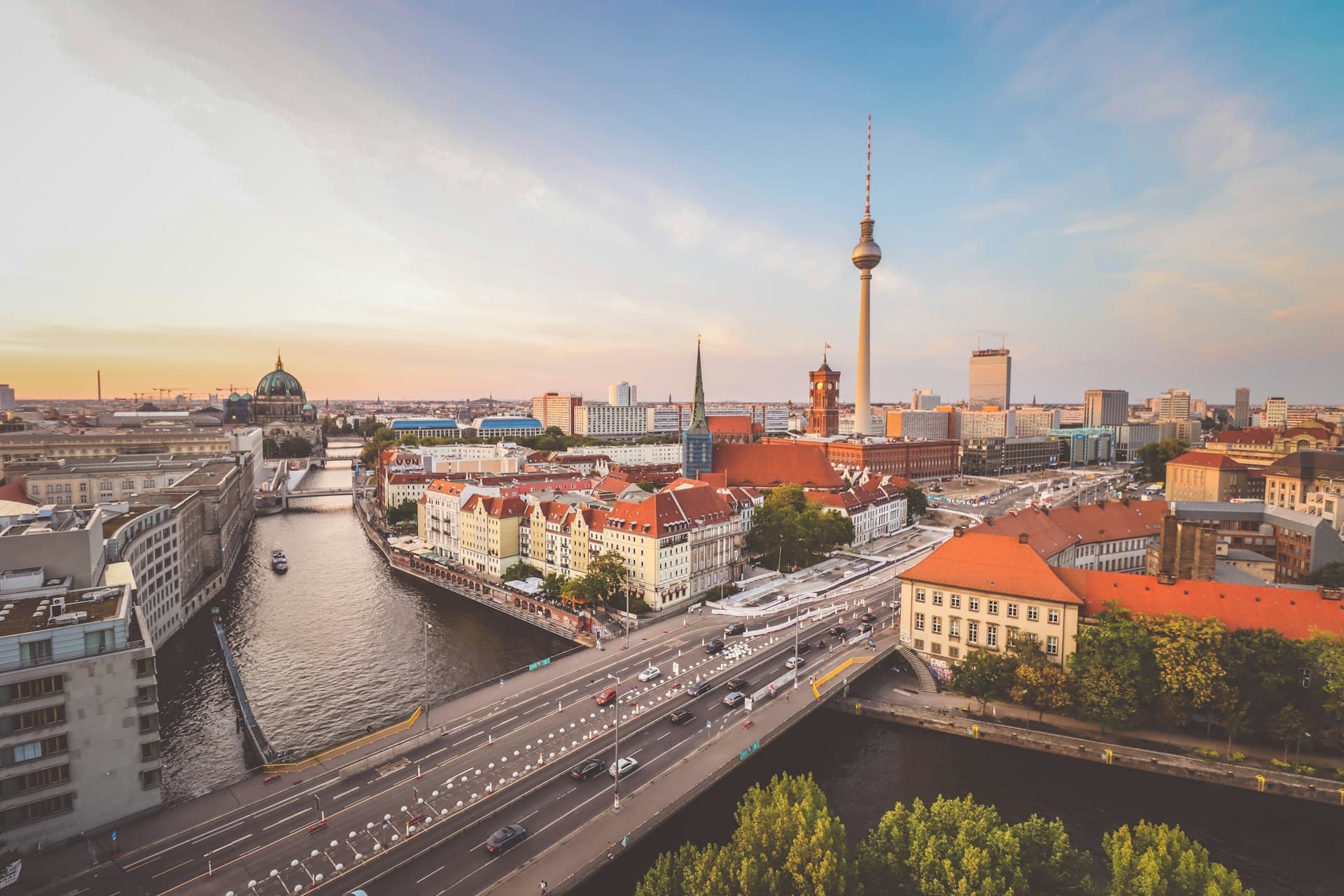
Berlin's Kreuzberg district is a living canvas, where every wall, alleyway, and underpass tells a story through street art. This self-guided audio walk plunges you into the core of this urban gallery, revealing monumental murals, intricate stencils, and politically charged paste-ups that define Kreuzberg's rebellious spirit. More than just visual spectacle, the art here is a direct reflection of the neighborhood's past, its counter-cultural movements, and ongoing social and political dialogues.
Kreuzberg's street art scene is in constant flux, a dynamic interplay between established masterpieces and ephemeral tags, reflecting the city's unique blend of freedom and grit. This walk is for those who seek to understand Berlin beyond its historical monuments, to experience the raw, evolving narratives etched onto its urban fabric. It's an invitation to engage with art that is not confined to museums, but lives and breathes on the streets, challenging, provoking, and adorning in equal measure.
The Walls Speak: A Brief History of Kreuzberg Street Art
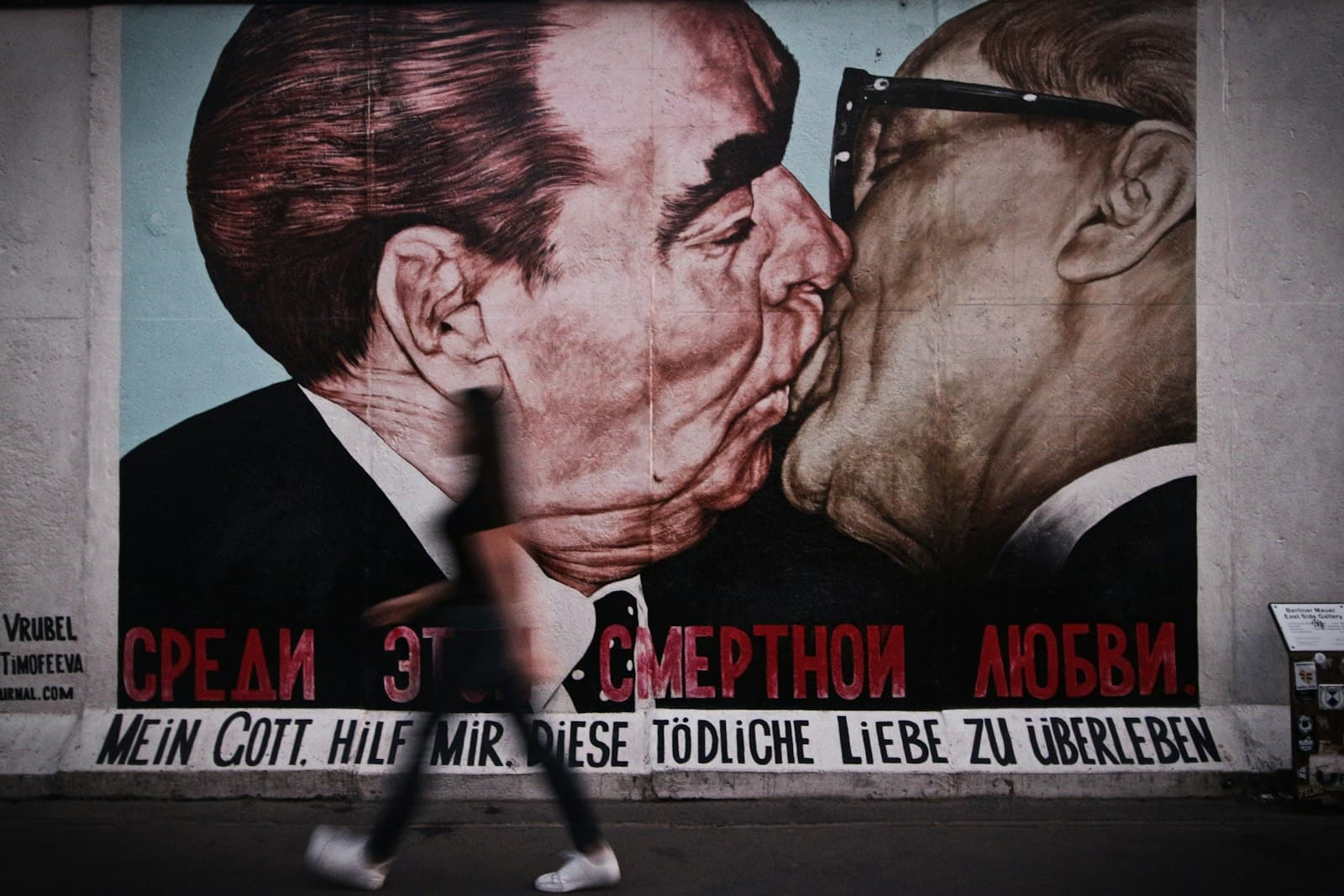
Kreuzberg's identity as a hub for street art is deeply intertwined with its unique history, particularly its position during the Cold War. As a district bordering the Berlin Wall in West Berlin, Kreuzberg became a "dead end" – a place of relative isolation that fostered alternative cultures and a strong sense of community. The Wall itself became an early canvas, with Western citizens expressing their frustrations and political statements through graffiti, a practice seen as "overcoming the wall by painting on the wall."
After the fall of the Berlin Wall, Kreuzberg, along with the neighboring East Berlin district of Friedrichshain, formed a new district that continued to be fertile ground for artists, anarchists, and punks. The neglected buildings and abandoned spaces of the post-Wall era provided ample surfaces for artistic expression, attracting international artists and fostering a local scene. Early influences from the New York hip-hop and graffiti scene in the 1970s led to the formation of local graffiti crews, some of whose members are still active today, now running break-dance studios, graffiti shops, and graphic agencies.
Crucially, Kreuzberg's street art has always maintained a strong political edge. The murals often reflect local and global geopolitical events, serving as a platform for social commentary, protest, and expressions of solidarity. This tradition of public intervention, with its clear political messages, links to the leftist protest slogans of the late 1960s and the Latin American tradition of "Muralismo." The art frequently addresses themes like gentrification, capitalism, and freedom of expression, making the walls of Kreuzberg a constant dialogue with the city's evolving landscape and its ongoing struggles.
Begin your exploration near Moritzplatz, a lively starting point for a two-to-three-hour walk. Here, you'll find an array of murals, including pieces by artists like Herakut and ROA. Head towards Oranienstraße, a corridor known for significant pieces from the early 2010s, including more of ROA's monochrome animal imagery. At Oranienstraße 195, you'll encounter Victor Ash's colossal 'Astronaut/Cosmonaut' mural, a black-and-white figure floating dramatically over Kreuzberg. This iconic artwork, painted in 2007, symbolizes themes of escape and exploration, reflecting Berlin's Cold War history.
Continue to Kottbusser Tor, an area rich in street art, and then towards Mariannenplatz. The vicinity of Schlesisches Tor is another key area, featuring paste-ups, stencils, and spray murals. At Oppelner Straße 3, look for the 'Yellow Man' by the Brazilian duo Os Gêmeos, a figure painted in 2005. While the original 'Pink Man' by BLU near Cuvrystraße has been painted over, the site itself remains a poignant reminder of the ephemeral nature and political statements within street art. Do not miss the Tommy Weissbecker Haus, a building covered in murals that recall leftist protest symbols from the late 1960s. The walls along the Landwehrkanal also offer a visual accumulation of two decades of art.
The best time to experience Kreuzberg's outdoor street art is during daylight hours, ideally on a weekday morning to avoid larger crowds. Street art is accessible year-round, but spring and autumn offer pleasant walking temperatures. Berlin's weather can be unpredictable, so check the forecast and dress in layers. The art is constantly evolving, so what you see one day might be painted over the next—a feature, not a drawback, of this dynamic urban gallery.
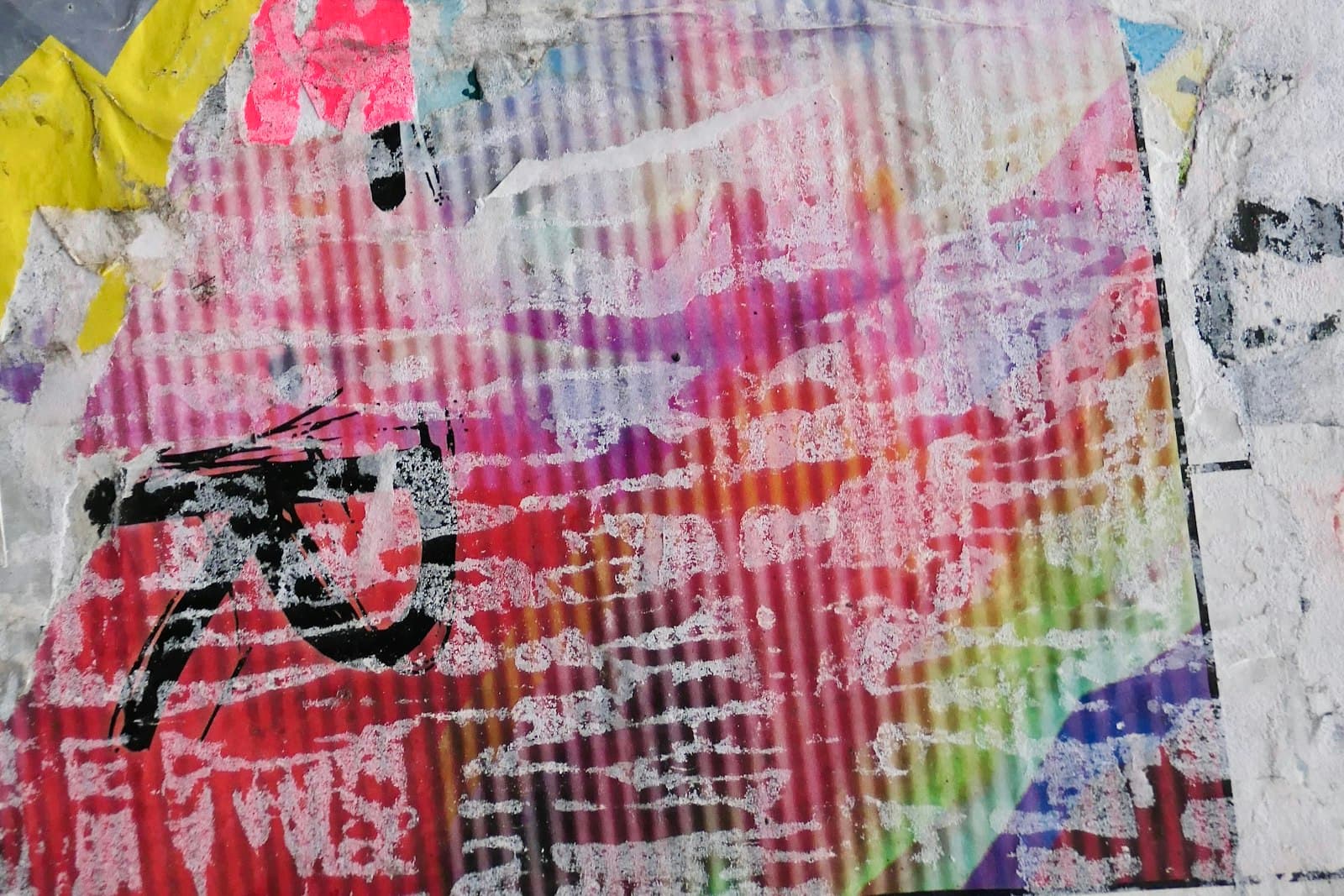
This self-guided walk is best done on foot, allowing you to fully appreciate the details and discover unexpected pieces. Wear comfortable shoes, as you'll be covering several kilometers. Public transport (U-Bahn) is easily accessible throughout Kreuzberg, making it simple to reach your starting point and navigate between areas if needed. Consider downloading an offline map of the area, as some smaller alleys and courtyards might have limited connectivity. While most outdoor street art is free to view, some areas might have cafes or shops where you can purchase refreshments. Keep an eye out for smaller, less obvious pieces – stickers, stencils, and tags often hold as much significance as the large murals.
- Is all street art in Kreuzberg legal?
- Not all street art in Berlin is legal. While some large murals are commissioned, much of the graffiti and street art is created without permission and is technically illegal under German law. This interplay between sanctioned and unsanctioned work is part of what makes Berlin's street art scene so dynamic.
- Why is Kreuzberg such a significant area for street art?
- Kreuzberg's past as a border district during the Cold War, its reputation as a hub for alternative cultures, and its ongoing social and political movements have made it a fertile ground for street art. The district's walls have long served as a platform for protest and expression.
- Do street art pieces in Kreuzberg change frequently?
- Yes, street art in Kreuzberg is constantly evolving. Pieces can appear, be painted over, or change over time. This ephemeral nature is a characteristic of urban art and reflects the ongoing dialogue within the scene.
- Are there specific themes or political messages in Kreuzberg's street art?
- Many street art pieces in Kreuzberg carry strong political and social messages. Themes often include anti-gentrification, anti-capitalism, social justice, and critiques of mass media, reflecting the district's rebellious history.
- Can I take photographs of the street art?
- Yes, you are generally free to photograph street art in public spaces. Many visitors come specifically to document the lively murals and graffiti. Early morning or late afternoon light can be best for photography.
- Is it safe to explore Kreuzberg for street art on my own?
- Yes, Kreuzberg is generally safe for exploring on foot. As with any urban area, it's always wise to be aware of your surroundings, especially in less-trafficked areas or at night. The recommended route focuses on well-known and accessible locations.