Molino de Lautoka
El molino de azúcar más grande del hemisferio sur impulsa a Lautoka, su influencia va mucho más allá de las cifras de producción.
La historia completa se desbloquea en el tour
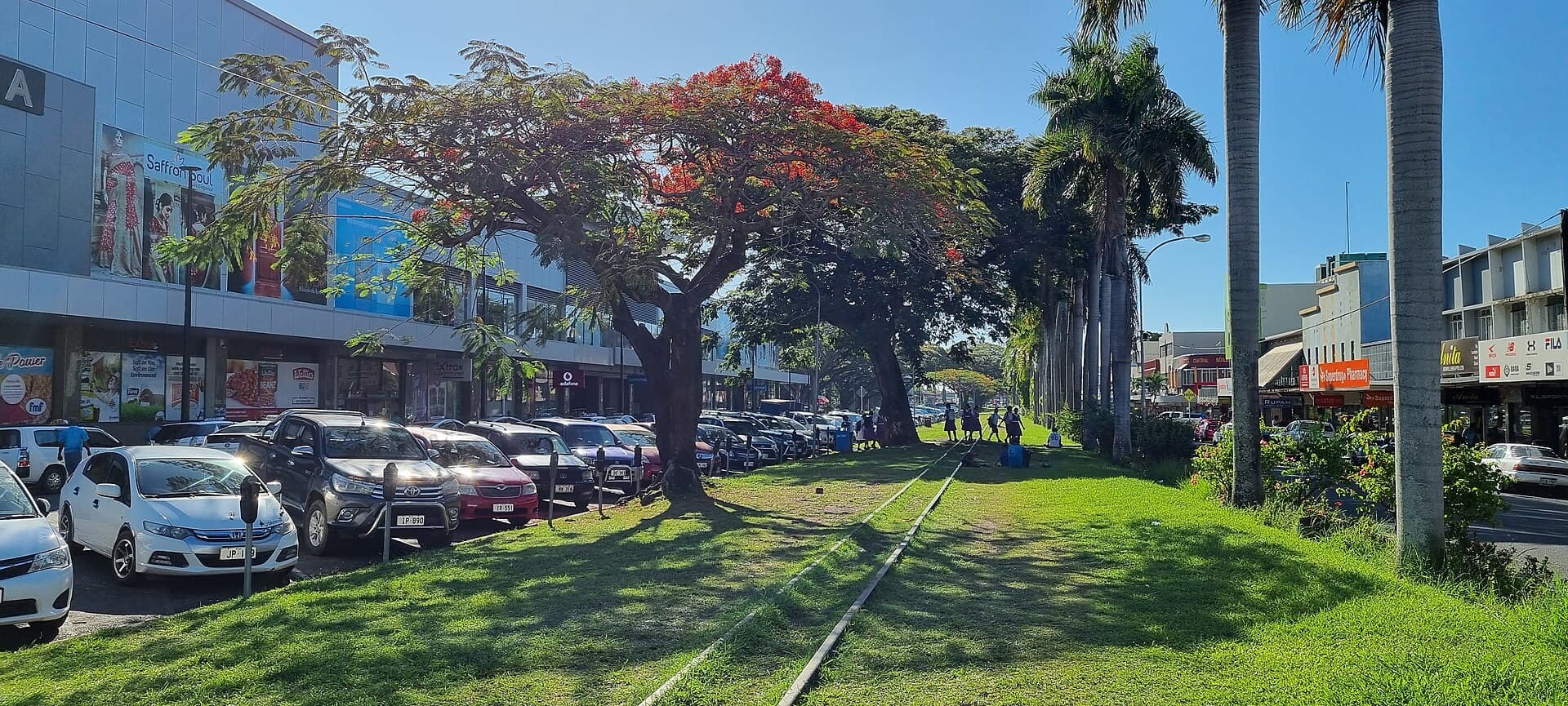 Kgx / CC BY-SA 4.0, via Wikimedia Commons
Tour de audio autoguiado de Lautoka — ruta GPS a pie, reproducción offline, narración en 32 idiomas.
“Más allá de los resorts, Lautoka late con el auténtico ritmo de la 'Ciudad del Azúcar' de Fiyi.”
No las postales. Las historias que ni los locales conocen — al oído, justo donde ocurrieron.
El molino de azúcar más grande del hemisferio sur impulsa a Lautoka, su influencia va mucho más allá de las cifras de producción.
Según la leyenda fiyiana, este modesto tramo de tierra tiene un profundo significado histórico.
En medio de la incesante actividad de una ciudad trabajadora, florece un centro espiritual animado e inesperado.
Descubre todos los secretos de Lautoka
Cada dirección, cada revelación al completo — a tu oído, justo donde ocurrió.
Eliges tus paradas. Caminas. La voz te revela lo que los demás ignoran.


Tu tour de audioguía por Lautoka te espera — elige tus lugares, tu idioma y empieza al llegar.
ComprarLume incluye una guía de realidad aumentada. Levanta el móvil y su cámara muestra la calle que tienes delante, con una flecha luminosa sobre la imagen real que siempre apunta a tu próxima parada — sin mapas que descifrar, sin giros equivocados. Como todo en Lume, funciona completamente sin conexión.
Lautoka, la segunda ciudad más grande de Fiyi, ofrece una experiencia distinta de las zonas de Viti Levu centradas en los resorts. Conocida como la 'Ciudad del Azúcar', su identidad está profundamente entrelazada con los extensos campos de caña de azúcar que la rodean y el Molino de Azúcar de Lautoka, el más grande del hemisferio sur. Este núcleo industrial proporciona una visión genuina de la vida urbana, el comercio y la historia agrícola de Fiyi, lo que la convierte en un destino gratificante para quienes buscan autenticidad.
Aunque puede que no cuente con los lujosos resorts de su vecina Nadi, Lautoka sirve como un puerto crucial para cruceros y una base práctica para explorar las regiones del norte de Viti Levu y las cercanas Islas Mamanuca. La ciudad se caracteriza por amplias avenidas, bordeadas de palmeras reales, y un bullicioso mercado municipal, lo que refleja su papel como centro comercial y cultural.
El nombre Lautoka en sí mismo tiene un origen dramático, derivado de una tradición oral fiyiana que significa 'golpe de lanza'. La leyenda cuenta que el nombre se originó en un duelo entre dos jefes, donde uno exclamó '¡Lau-toka!' al ensartar al otro. La primera observación europea registrada de la zona ocurrió el 7 de mayo de 1789, cuando el Capitán William Bligh, tras el motín del Bounty, cartografió las costas de Lautoka durante su viaje a Timor.
Antes de 1936, Lautoka era conocida como el municipio de Namoli, llamado así por el pueblo de Namoli. El desarrollo moderno de la ciudad comenzó realmente en 1899 con la decisión de la Colonial Sugar Refining Company (CSR) de construir un molino de azúcar y un muelle para la exportación de azúcar. Completado en 1903, el Molino de Azúcar de Lautoka se convirtió, y sigue siendo, el molino de azúcar más grande del hemisferio sur. El establecimiento del molino provocó una importante afluencia de trabajadores contratados de la India y las Islas Salomón a finales del siglo XIX y principios del XX, contribuyendo a la singular identidad multicultural de Lautoka y a una orgullosa tradición musical vinculada al desarrollo temprano del jazz. Durante la Segunda Guerra Mundial, la Marina de los EE. UU. estableció una base en Lautoka como parte de la Base Naval de Fiyi. Incorporada como ciudad en 1929, Lautoka fue proclamada oficialmente ciudad el 25 de febrero de 1977, y en 2012, fue designada capital administrativa de la división occidental.
Las actividades económicas de Lautoka todavía se centran en gran medida en la industria azucarera, lo que le valió el apodo de 'Ciudad del Azúcar' y 'Mercado de la Caña'. El Molino de Azúcar de Lautoka sigue siendo el mayor empleador de la ciudad, con otras industrias que incluyen la molienda de madera, la fabricación de prendas de vestir, la destilación, la elaboración de cerveza y la producción de joyas. La Fiji Sugar Corporation (FSC) opera el molino, y la industria es un importante contribuyente al Producto Interno Bruto de Fiyi y una fuente significativa de divisas. La infraestructura de la ciudad, incluidas sus subdivisiones bien planificadas y su extensa red de carreteras, refleja su importancia industrial. La influencia de la industria azucarera es evidente en la arquitectura, la comunidad y el carácter general de la ciudad, mezclando un profundo pasado industrial con su realidad actual como una floreciente ciudad fiyiana.
Lautoka ofrece una mezcla de inmersión cultural y esplendor natural. Comience su exploración en el Mercado de Lautoka, un animado centro donde puede experimentar la vida local y probar productos tropicales, mariscos frescos y especias. También es un buen lugar para encontrar artesanías y recuerdos. Para una parada cultural, visite el Templo Shri Krishna Kaliya, conocido por su colorida arquitectura. Si está allí un domingo, es posible que lo inviten a quedarse a almorzar.
Dé un paseo por Vitogo Parade, la calle principal de la ciudad, adornada con palmeras reales, que ofrece un elemento visual único. Los Jardines Botánicos de Lautoka ofrecen un refugio tranquilo con una variedad de plantas tropicales, muchas de ellas etiquetadas con sus nombres botánicos y comunes. Junto a los jardines hay un parque infantil.
Para aquellos que buscan aventura, el Parque Nacional del Patrimonio Koroyanitu ofrece senderos forestales verdes, miradores panorámicos y la oportunidad de conectarse con las comunidades locales y ver cascadas. Las atracciones cercanas, a menudo accesibles a través de visitas guiadas, incluyen el tranquilo Jardín del Gigante Dormido, conocido por su colección de orquídeas, y la Piscina de Barro y Aguas Termales de Sabeto para una experiencia relajante. Otro sitio cultural significativo es el Pueblo de Viseisei, considerado uno de los asentamientos históricamente importantes de Fiyi. También puede visitar las Destilerías del Pacífico Sur para un recorrido gratuito para ver cómo se elaboran el ron y otros licores a partir de la melaza.
La mejor época para visitar Lautoka para actividades de clima cálido es generalmente durante la estación seca, de mayo a octubre. Este período ofrece menor humedad, mínimas precipitaciones y sol constante, ideal para explorar la ciudad y acceder a las islas cercanas. Si bien las temperaturas se mantienen cálidas durante todo el año, con un promedio de alrededor de 25 °C, la estación seca proporciona condiciones más cómodas. Agosto a menudo se destaca por su clima cálido y soleado. La estación más húmeda suele ir de noviembre a abril, siendo febrero el mes con más precipitaciones.
Lautoka es de fácil acceso, aproximadamente a 45 minutos del Aeropuerto Internacional de Nadi (NAN) en taxi o autobús. Los autobuses locales económicos son una forma conveniente de viajar entre Lautoka, la ciudad de Nadi y los pueblos circundantes. Los taxis también están fácilmente disponibles. La moneda oficial es el dólar fiyiano (FJD). Si bien se aceptan tarjetas de crédito en las principales tiendas y bancos, el efectivo es esencial para las transacciones en el mercado, los restaurantes locales y los taxis.
Los idiomas oficiales incluyen el fiyiano, el hindi fiyiano y el inglés, siendo el inglés ampliamente hablado en las zonas comerciales. Fiyi utiliza enchufes eléctricos Tipo I (tres clavijas planas) con un voltaje estándar de 240 V y una frecuencia de 50 Hz. El agua del grifo en Lautoka generalmente se considera segura para beber. Si bien Lautoka es generalmente segura durante el día, es aconsejable tomar precauciones urbanas estándar, especialmente en áreas concurridas como la estación de autobuses y el mercado. Como ciudad trabajadora, es común una vestimenta más conservadora en comparación con los resorts de playa.
Lautoka en coreano, en chino o en hebreo — y 29 idiomas más, cada parada narrada por una voz nativa. La mayor variedad de idiomas de cualquier audioguía autoguiada.
Disponible en: