Bahía de Maumere
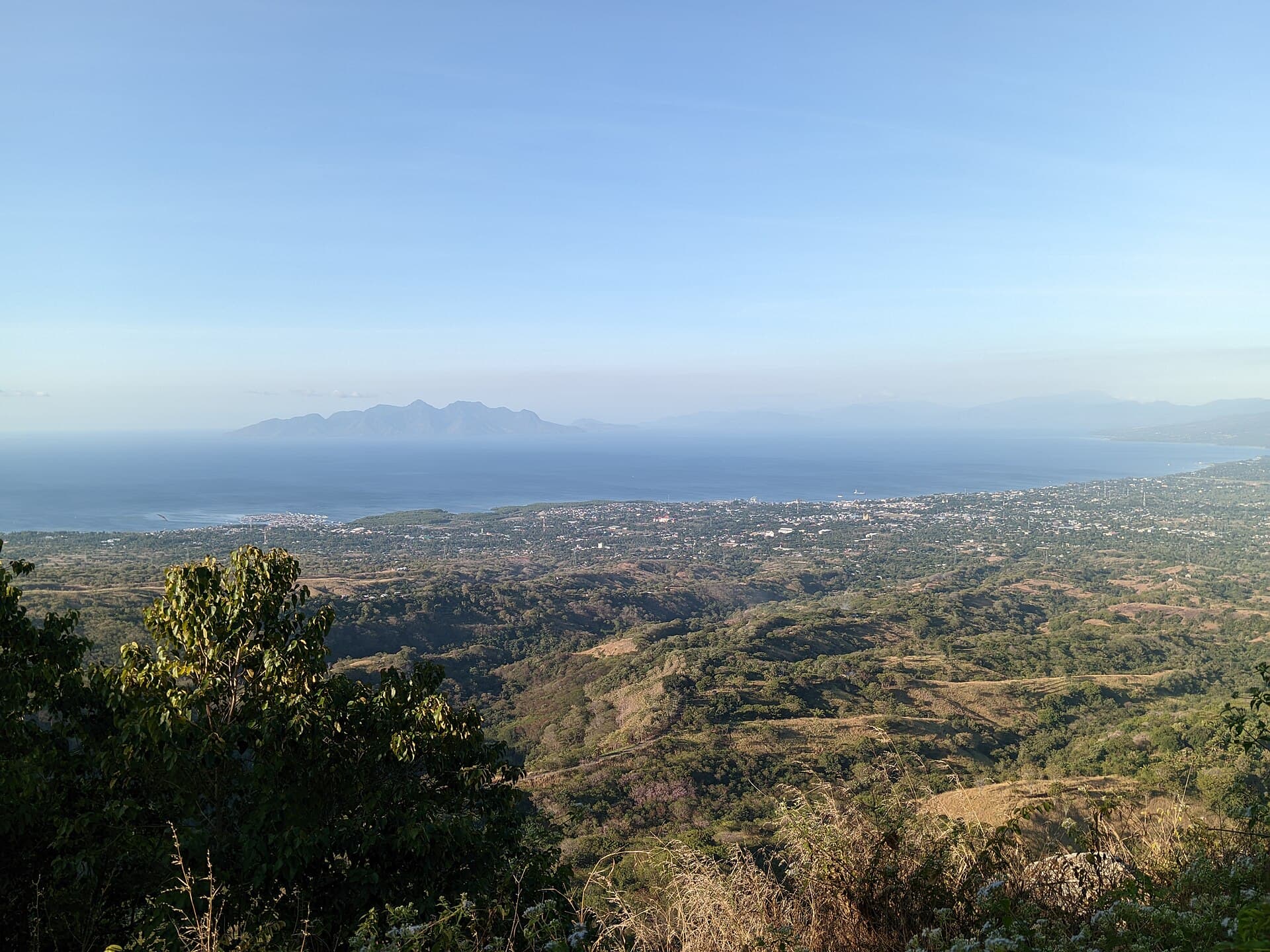
Los vibrantes arrecifes de coral de la Bahía de Maumere invitan a los buceadores hoy, pero llevan las marcas de un evento sísmico.
La historia completa se desbloquea en el tour
 AlexShalit / CC BY-SA 4.0, via Wikimedia Commons
Tour de audio autoguiado de Maumere — ruta GPS a pie, reproducción offline, narración en 32 idiomas.
“Donde las antiguas tradiciones se encuentran con costas resilientes y un océano ilimitado.”
No las postales. Las historias que ni los locales conocen — al oído, justo donde ocurrieron.
Los vibrantes arrecifes de coral de la Bahía de Maumere invitan a los buceadores hoy, pero llevan las marcas de un evento sísmico.
El intrincado tejido Ikat del pueblo Sikka transmite un significado más profundo que meros patrones.
El aeropuerto de Maumere es más que un moderno punto de entrada; posee un pasado sorprendente conectado a un conflicto global.
Descubre todos los secretos de Maumere
Cada dirección, cada revelación al completo — a tu oído, justo donde ocurrió.
Eliges tus paradas. Caminas. La voz te revela lo que los demás ignoran.

Tu tour de audioguía por Maumere te espera — elige tus lugares, tu idioma y empieza al llegar.
ComprarLume incluye una guía de realidad aumentada. Levanta el móvil y su cámara muestra la calle que tienes delante, con una flecha luminosa sobre la imagen real que siempre apunta a tu próxima parada — sin mapas que descifrar, sin giros equivocados. Como todo en Lume, funciona completamente sin conexión.
Maumere, la ciudad más grande de la Isla de Flores, sirve como una entrada dinámica a la región de Nusa Tenggara Oriental en Indonesia. Situada en la costa norte, esta activa ciudad portuaria presenta una combinación convincente de cultura tradicional y el ritmo diario de la vida costera. Aunque a menudo se percibe como un punto de tránsito, Maumere posee un encanto distintivo y una profundidad cultural que recompensa a quienes se quedan.
El atractivo de la ciudad se extiende desde sus bulliciosos mercados locales y el intrincado arte del tejido Ikat en los pueblos cercanos hasta los serenos paisajes submarinos de la Bahía de Maumere. Aquí, los entusiastas de la naturaleza y los buceadores pueden explorar coloridos jardines de coral y diversa vida marina, un testimonio de la recuperación ambiental en curso de la región. Más allá de su esplendor natural, Maumere ofrece una visión auténtica de las costumbres locales y la cálida hospitalidad del pueblo Sikka.
Maumere también actúa como un punto de partida estratégico para una mayor exploración de Flores, proporcionando un acceso conveniente a otras maravillas de la isla. Ya sea que esté comenzando un viaje por tierra hacia el interior de la isla o buscando sumergirse en experiencias auténticas de la isla, Maumere extiende una invitación abierta, prometiendo encuentros memorables y paisajes impactantes.
La historia de Maumere está profundamente entrelazada con el antiguo Reino de Sikka, que dominó el centro de Flores durante siglos. La ciudad en sí no surgió como un centro administrativo planificado, sino que evolucionó orgánicamente como un puerto comercial natural. Su desarrollo activo comenzó en el siglo XVI, impulsado por su estratégica ubicación costera y el floreciente comercio marítimo, la pesca y la agricultura.
El pasado colonial de Maumere está marcado por la influencia portuguesa, que dejó un impacto duradero en la cultura local, incluida la presencia de una lengua criolla de base portuguesa hablada hasta finales del siglo XX. La Diócesis Católica Romana de Maumere, establecida en 2005, subraya aún más la perdurable herencia religiosa en la región.
Durante la Segunda Guerra Mundial, Maumere jugó un papel estratégico, ocupada por fuerzas japonesas y transformada en una base militar. Sin embargo, este período también trajo devastación, con masivos bombardeos aliados en 1944 que destruyeron casi por completo la ciudad y una histórica estatua de Cristo.
Quizás el evento más definitorio en la historia reciente de Maumere ocurrió el 12 de diciembre de 1992, cuando un poderoso terremoto de 7.8 en la escala de Richter, seguido de un devastador tsunami, azotó la región. La catástrofe destruyó aproximadamente el 90% de los edificios de la ciudad y dañó significativamente el medio ambiente marino. El gobierno indonesio lo declaró un desastre nacional, iniciando extensas misiones de rescate y socorro. Los posteriores esfuerzos de reconstrucción de la ciudad han moldeado su apariencia moderna, mezclando elementos tradicionales Sikka con funcionalismo contemporáneo.
Hoy, Maumere se erige como un testimonio de resiliencia, habiéndose recuperado notablemente del desastre de 1992. Se ha restablecido como una puerta de entrada vital a Flores, continuando su papel como un puerto significativo y un centro de actividad cultural y económica. Un momento notable en su historia espiritual fue la visita del Papa Juan Pablo II el 11 de octubre de 1989, quien celebró misa para miles y bendijo la restauración de santuarios.
Maumere y sus alrededores ofrecen una mezcla de conocimientos culturales y belleza natural. Comience con una visita a la Antigua Iglesia de Sikka, situada a unos 20 kilómetros al sur de la ciudad. Esta iglesia de finales del siglo XIX ofrece una ventana al pasado colonial y religioso de la región.
Para vistas expansivas, ascienda la Colina Nilo para ver la imponente estatua de la Virgen María, conocida como la Madre de Todas las Naciones (Bunda Segala Bangsa), que mira hacia la ciudad y el mar. Este sitio también alberga servicios religiosos en ocasiones especiales.
Sumérjase en la artesanía local visitando los pueblos de tejido Ikat en la región de Sikka. Aquí, podrá observar a los artesanos creando meticulosamente intrincados textiles utilizando técnicas ancestrales y tintes naturales, un proceso que puede llevar años para una sola pieza.
Para una tranquila escapada a la playa, la Playa Koka está a poca distancia en coche, ofreciendo arenas blancas prístinas y una atmósfera pacífica. La Bahía de Maumere es reconocida por sus oportunidades de buceo y snorkel, con coloridos jardines de coral y diversa vida marina, un testimonio de la recuperación del ecosistema desde el tsunami de 1992.
Dentro de la ciudad, el Parque de la Ciudad de Maumere (Taman Kota Maumere) ofrece un espacio verde central donde los lugareños se reúnen para relajarse y socializar, con una estatua en honor a Frans Seda, una figura nacional prominente.
El momento ideal para visitar Maumere es durante la estación seca, que generalmente se extiende de abril a octubre. Durante estos meses, puede esperar cielos soleados, menor humedad y mares en calma, creando condiciones perfectas para actividades al aire libre como buceo, snorkel y exploración de las islas. Mayo y junio son particularmente favorables para el buceo, con excelente visibilidad. Julio y agosto son temporada alta para el buceo, ofreciendo la mejor visibilidad y temperaturas estables del agua. La estación húmeda, de noviembre a marzo, trae lluvias más intensas y puede provocar aguas más agitadas y retrasos ocasionales en los viajes, aunque ofrece paisajes verdes exuberantes y menos visitantes.
Maumere es servida por el Aeropuerto Frans Seda (MOF), también conocido como Aeropuerto Wai Oti, ubicado a solo 3.1 km del centro de la ciudad, con vuelos diarios desde importantes centros indonesios como Kupang y Denpasar (Bali). Taxis o transporte local pueden llevarlo al pueblo en 10-15 minutos. Para viajes interurbanos en Flores, los autobuses y los coches compartidos (kijangs) son comunes, aunque se recomienda contratar un coche privado con conductor para mayor comodidad y seguridad en las carreteras sinuosas.
La moneda oficial de Indonesia es la Rupia (IDR). Si bien hay cajeros automáticos disponibles en el centro de Maumere, el efectivo es esencial en los mercados locales y las zonas rurales, así que lleve billetes de menor denominación. Las propinas no son obligatorias pero se agradecen. El bahasa indonesio es el idioma principal, y aunque se habla inglés en los principales hoteles y centros de buceo, aprender algunas frases básicas mejorará sus interacciones.
Empaque ropa ligera y transpirable para el calor tropical. La vestimenta modesta, que cubra hombros y rodillas, es esencial al visitar pueblos o sitios religiosos. Evite beber agua del grifo; opte por agua embotellada sellada. Hay mosquitos, así que lleve repelente.
Maumere en coreano, en chino o en hebreo — y 29 idiomas más, cada parada narrada por una voz nativa. La mayor variedad de idiomas de cualquier audioguía autoguiada.
Disponible en: