Península de Pakri
Durante décadas, Paldiski fue un pueblo que literalmente desapareció de los mapas.
La historia completa se desbloquea en el tour
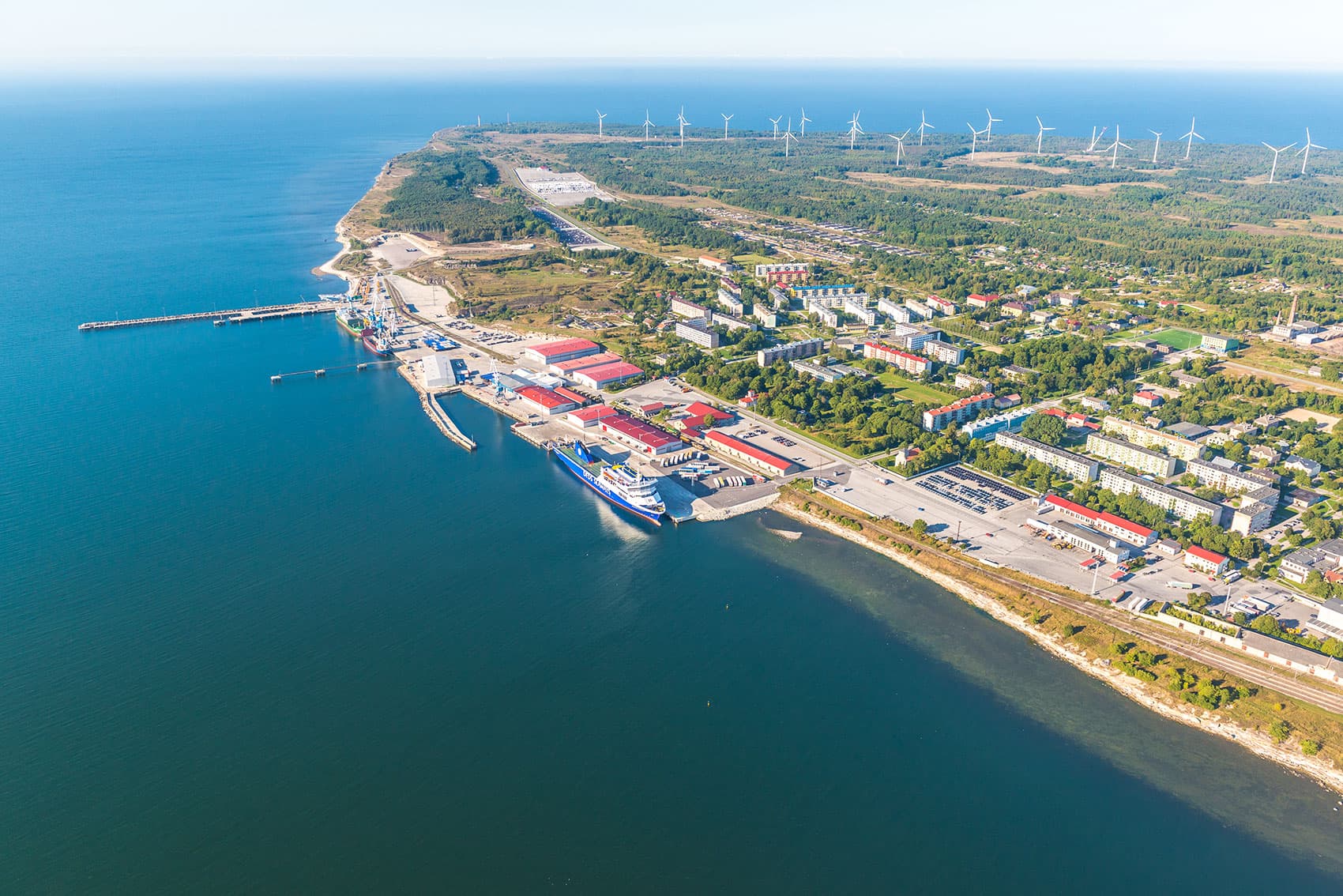 Paldiskinp / CC BY-SA 4.0, via Wikimedia Commons
Tour de audio autoguiado de Paldiski — ruta GPS a pie, reproducción offline, narración en 32 idiomas.
“Donde los enigmas soviéticos se encuentran con el borde azotado por el viento del Báltico.”
No las postales. Las historias que ni los locales conocen — al oído, justo donde ocurrieron.
Durante décadas, Paldiski fue un pueblo que literalmente desapareció de los mapas.
Pedro el Grande concibió una base naval colosal aquí, pero el mar tenía otros planes.
El faro actual no es el único faro que una vez vigiló estas aguas.
Descubre todos los secretos de Paldiski
Cada dirección, cada revelación al completo — a tu oído, justo donde ocurrió.
Eliges tus paradas. Caminas. La voz te revela lo que los demás ignoran.

Tu tour de audioguía por Paldiski te espera — elige tus lugares, tu idioma y empieza al llegar.
ComprarLume incluye una guía de realidad aumentada. Levanta el móvil y su cámara muestra la calle que tienes delante, con una flecha luminosa sobre la imagen real que siempre apunta a tu próxima parada — sin mapas que descifrar, sin giros equivocados. Como todo en Lume, funciona completamente sin conexión.
Paldiski, una ciudad costera en la península de Pakri, en el noroeste de Estonia, ofrece un viaje fascinante a través de capas de tiempo, desde sus orígenes como un puerto estratégico bajo el dominio sueco y ruso hasta su pasado más reciente como una base militar soviética de alto secreto. Hoy en día, la ciudad, con una población de alrededor de 4.000 habitantes, es conocida por sus dramáticos acantilados de piedra caliza, sus faros históricos y una sensación tangible de su compleja herencia.
Antiguamente un lugar borrado de los mapas y envuelto en secreto, Paldiski ahora da la bienvenida a los visitantes para explorar sus paisajes azotados por el viento y descubrir los ecos de imperios. El carácter único de la ciudad está moldeado por su puerto libre de hielo, una característica que ha atraído el interés estratégico durante siglos, y su posición en el extremo de la línea ferroviaria Tallin-Paldiski.
Más allá de su importancia histórica, Paldiski sirve como puerta de entrada al esplendor natural de la península de Pakri, donde escarpados acantilados se encuentran con el mar Báltico. La yuxtaposición de cuarteles abandonados de la era soviética con modernos parques eólicos y áreas naturales vírgenes crea una atmósfera distintiva, haciendo de Paldiski un destino para aquellos que buscan tanto intriga histórica como tranquilidad costera.
## De Rågervik a Baltiyskiy Port La historia de Paldiski comienza con el nombre sueco Rågervik, que significa 'bahía de la isla de centeno', refiriéndose a las cercanas islas Pakri. Un pequeño puerto existió aquí en el siglo XVII. Sin embargo, su importancia estratégica surgió verdaderamente a principios del siglo XVIII durante la Gran Guerra del Norte, cuando Pedro el Grande de Rusia buscó asegurar el acceso al Mar Báltico. En 1718, inició la construcción de una importante base naval y fortaleza marítima en Rågervik, concibiéndola como una instalación colosal.
A pesar de los esfuerzos de miles de convictos, los ambiciosos planes de Pedro el Grande para un puerto fortificado de 2 kilómetros de largo nunca se realizaron por completo, y las secciones terminadas fueron finalmente dañadas por las tormentas. En 1762, la emperatriz Catalina la Grande renombró Rågervik a Baltiyskiy Port (Puerto Báltico), un nombre del que finalmente evolucionó el moderno 'Paldiski' estonio y se hizo oficial en 1933.
## Un enlace ferroviario vital y el período de entreguerras La finalización de la línea ferroviaria San Petersburgo-Tallin-Paldiski en 1870 impulsó significativamente el desarrollo del puerto, facilitando el transporte de mercancías y aumentando la población de la ciudad. Durante el período de entreguerras de la independencia de Estonia, Paldiski sirvió como lugar de entrenamiento para trenes blindados. Sin embargo, este período de relativa apertura fue de corta duración.
## La ciudad cerrada soviética En 1939, bajo el Tratado de Bases, la Unión Soviética estableció una base naval en Paldiski, reubicando por la fuerza a toda la población de Paldiski y las islas Pakri en 1940 para dar paso al personal militar soviético. La ciudad se convirtió en una ciudad cerrada, un estatus que mantendría durante décadas.
De 1962 a 1994, Paldiski fue una de las instalaciones militares más importantes y secretas de la Unión Soviética, albergando un centro de entrenamiento de submarinos nucleares. Esta instalación, conocida localmente como "el Pentágono", incluía dos reactores nucleares terrestres y empleaba aproximadamente a 16.000 personas, lo que la convertía en la más grande de su tipo en la Unión Soviética. Toda la ciudad estaba cercada con alambre de púas y no aparecía en los mapas convencionales.
## Renacimiento post-soviético Después de que Estonia recuperara su independencia en 1991, el ejército soviético comenzó su retirada. Las últimas tropas rusas partieron en 1994, y los reactores nucleares fueron cerrados y su material nuclear transportado de regreso a Rusia. Los reactores fueron posteriormente desmantelados y protegidos con sarcófagos, completados en 2006. Paldiski fue entonces reabierto al público, marcando un nuevo capítulo para la ciudad.
Comience su exploración en el Faro de Pakri, el más alto de Estonia con 52 metros, que ofrece amplias vistas del Mar Báltico, Paldiski y las islas Pakri. Puede subir sus 275 escalones para una vista panorámica. Cerca, encontrará los dramáticos acantilados de Pakri, una formación de piedra caliza que se extiende por unos 2 kilómetros a lo largo de la península de Pakri, alcanzando alturas de hasta 25 metros. Estos acantilados forman parte del Klint Báltico y revelan capas de sedimentos que contienen fósiles marinos del Ordovícico.
Adéntrese en el pasado militar de Paldiski explorando los restos de la Fortaleza Naval de Pedro el Grande, incluidos sus bastiones. Aunque el centro de entrenamiento de submarinos nucleares soviético, conocido como "el Pentágono", fue demolido en gran parte en 2007, los característicos bloques de hormigón y una gran estructura de cúpula de la antigua instalación nuclear aún son visibles a lo largo de la costa. También puede visitar el Museo Estudio Amandus Adamson, dedicado al renombrado escultor estonio.
Para echar un vistazo al patrimonio religioso de la ciudad, visite la Iglesia Ortodoxa de San Jorge, una iglesia de piedra clásica con elementos barrocos, establecida en el siglo XVIII. Otro sitio religioso significativo es la Iglesia de San Nicolás, terminada en 1842 y consagrada en honor al santo patrón de los marineros. La más moderna Iglesia de San Sergio de Radonezh es una exquisita estructura ortodoxa de madera. No se pierda la Taberna Peetri Toll, ubicada en una histórica aduana, que ahora sirve comida de inspiración rusa y alberga un pequeño museo de historia local.
La mejor época para experimentar la belleza costera y las atracciones al aire libre de Paldiski es durante los meses más cálidos, de junio a agosto. Durante este período, las temperaturas diurnas son agradables, promediando entre 16°C y 21°C (61°F y 70°F), y hay más horas de sol, alcanzando su punto máximo en julio. Esta temporada es ideal para explorar los acantilados y las islas de Pakri, y para actividades como el senderismo. Mientras que octubre es el mes más húmedo, marzo es el más seco. Las temperaturas del agua son más cálidas de julio a mediados de septiembre, lo que lo hace adecuado para nadar en áreas cercanas como la cantera de Rummu.
Paldiski es fácilmente accesible desde Tallin, ubicada a unos 50 kilómetros al oeste. Se puede llegar en coche en aproximadamente 45 minutos a una hora, o en autobús desde Keila. La ciudad también es el término de la línea ferroviaria Tallin-Paldiski, con la histórica estación de tren de Paldiski que data de 1870. Hay servicios de ferry de pasajeros a Kapellskär, Suecia, disponibles desde el puerto libre de hielo de Paldiski.
Aunque Paldiski es una ciudad pequeña y se puede explorar a pie, especialmente sus áreas centrales, se recomienda un coche para llegar a atracciones más lejanas, como el Faro de Pakri y los acantilados. Hay visitas guiadas disponibles que pueden proporcionar una visión más profunda de la historia y los lugares de interés únicos de la ciudad; se recomienda reservar con antelación, especialmente durante las temporadas altas de turismo. Para comer, la Taberna Peetri Toll ofrece cocina europea y local.
Paldiski en coreano, en chino o en hebreo — y 29 idiomas más, cada parada narrada por una voz nativa. La mayor variedad de idiomas de cualquier audioguía autoguiada.
Disponible en: