Palacio de Guasch (Museo de Ciencias Naturales Sandalio de Noda)
El Museo de Ciencias Naturales Sandalio de Noda ocupa un edificio que parece sacado de un cuento de hadas, con grifos de piedra tallada.
La historia completa se desbloquea en el tour
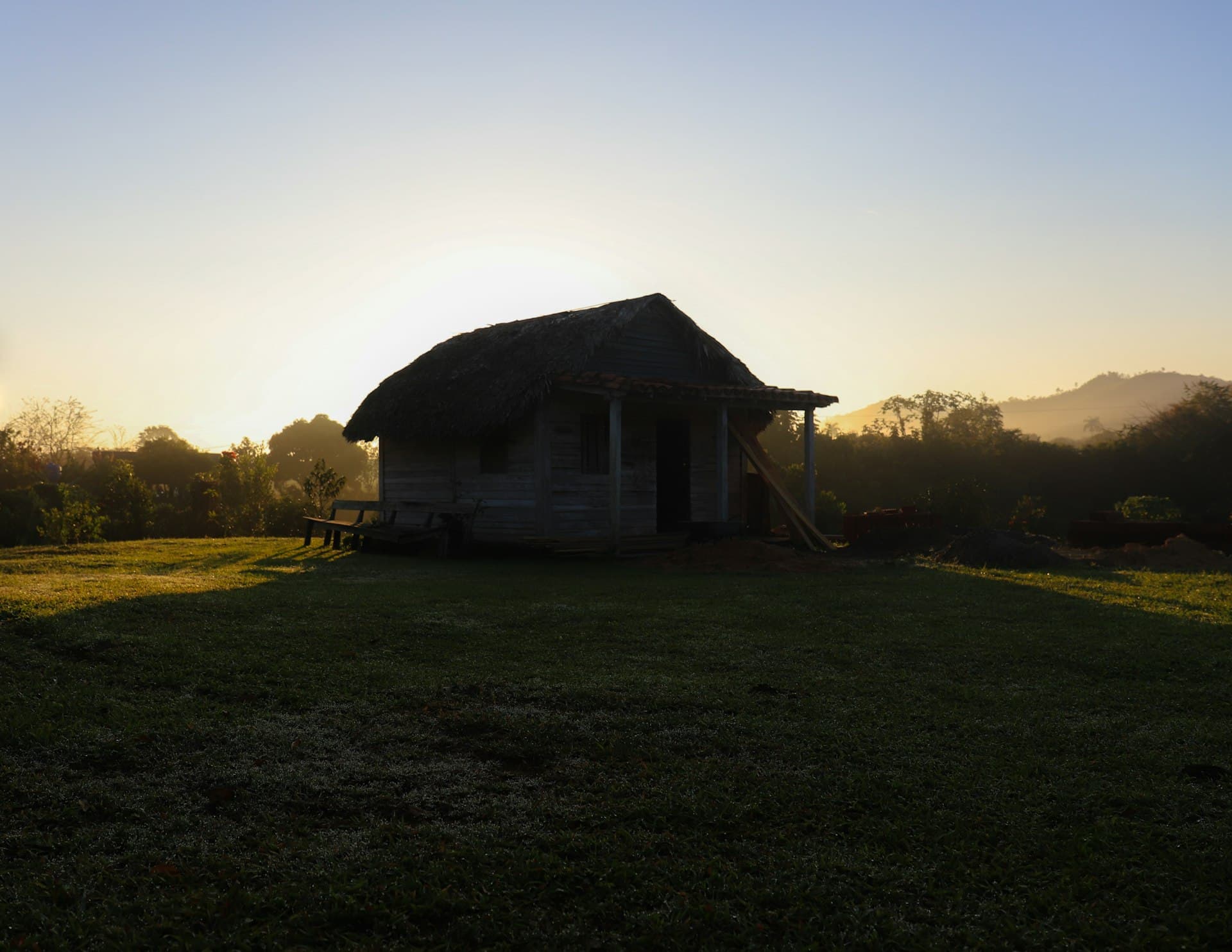 Photo: Otto Gonzalez / Unsplash
Tour de audio autoguiado de Pinar del Río — ruta GPS a pie, reproducción offline, narración en 32 idiomas.
“Donde el aroma a pino se encuentra con el alma del tabaco.”
No las postales. Las historias que ni los locales conocen — al oído, justo donde ocurrieron.
El Museo de Ciencias Naturales Sandalio de Noda ocupa un edificio que parece sacado de un cuento de hadas, con grifos de piedra tallada.
Uno de los hoteles más céntricos de Pinar del Río remonta sus orígenes a una modesta posada de principios del siglo XIX.
La mundialmente famosa plantación de tabaco Alejandro Robaina, a menudo llamada simplemente Finca Robaina, en realidad no lleva el nombre 'Robaina'.
Descubre todos los secretos de Pinar del Río
Cada dirección, cada revelación al completo — a tu oído, justo donde ocurrió.
Eliges tus paradas. Caminas. La voz te revela lo que los demás ignoran.

Tu tour de audioguía por Pinar del Río te espera — elige tus lugares, tu idioma y empieza al llegar.
ComprarLume incluye una guía de realidad aumentada. Levanta el móvil y su cámara muestra la calle que tienes delante, con una flecha luminosa sobre la imagen real que siempre apunta a tu próxima parada — sin mapas que descifrar, sin giros equivocados. Como todo en Lume, funciona completamente sin conexión.
Pinar del Río, la capital de la provincia más occidental de Cuba, ofrece un ritmo de vida distinto y pausado, un marcado contraste con el pulso enérgico de La Habana. Aproximadamente a 160 kilómetros de la capital, esta región se define por sus extensas y verdes llanuras, incluyendo las espectaculares formaciones calizas conocidas como mogotes en el Valle de Viñales, declarado Patrimonio de la Humanidad por la UNESCO. La ciudad misma, con una población de alrededor de 190,000 habitantes, mantiene una atmósfera acogedora donde edificios de estilo colonial con altas columnas bordean las avenidas, creando un escenario atractivo para una exploración tranquila.
La provincia de Pinar del Río es a menudo llamada la "Meca del tabaco" debido a sus fértiles suelos rojos y su clima ideal, que producen algunas de las mejores hojas de tabaco del mundo para los puros cubanos. Los visitantes pueden sumergirse en la tradición centenaria del cultivo del tabaco, desde recorrer plantaciones hasta observar el meticuloso proceso de elaboración de puros. Más allá del tabaco, la región incluye dos Reservas de la Biosfera —Sierra del Rosario y Península de Guanahacabibes— que presentan una diversa belleza natural, desde extensos sistemas de cuevas hasta playas vírgenes y célebres lugares de buceo.
La historia de Pinar del Río está íntimamente conectada con el desarrollo del occidente de Cuba, emergiendo mucho más tarde que muchas de las primeras ciudades coloniales de la isla. La zona fue inicialmente hogar de operaciones ganaderas dispersas y pequeñas fincas de tabaco. Grupos indígenas como los Guanahatabey y Siboneyes fueron los primeros habitantes, siendo los Guanahatabey un pueblo nómada que habitaba en cuevas y dependía del mar. La región fue mencionada por primera vez en censos en 1774 bajo el nombre de Nueva Filipina, un tributo a un gobernador de Filipinas, reflejando una afluencia de trabajadores asiáticos que llegaron para trabajar en las fincas de tabaco. Para 1778, el asentamiento fue oficialmente renombrado Pinar del Río, un nombre inspirado en los densos pinares que bordeaban las orillas del río Guamá donde se construyeron las primeras viviendas.
La transformación de Pinar del Río de un modesto pueblo a un importante centro regional fue impulsada en gran medida por las singulares condiciones naturales de la región de Vuelta Abajo, particularmente sus suelos rojos, que resultaron ideales para el cultivo del tabaco. Este "oro verde" atrajo rápidamente a comerciantes y terratenientes, y la ubicación central de la ciudad en la provincia occidental la convirtió en un centro natural para la recolección y el transporte de la cosecha. La importancia económica de Pinar del Río comenzó a florecer alrededor de 1830 con el crecimiento de la industria tabacalera. En 1867, la Reina Isabel II otorgó a Pinar del Río el título oficial de "Ciudad", reconociendo su creciente importancia económica. La llegada del ferrocarril en 1894 agilizó aún más el transporte de tabaco al puerto de La Habana.
Como capital agrícola, la apariencia de Pinar del Río fue moldeada por magnates tabacaleros adinerados que construyeron mansiones de estilos ecléctico y neoclásico, distinguidas por altas columnas y amplias galerías cubiertas (portales) que ofrecían refugio del sol y la lluvia. En 1909, comenzó la construcción del Palacio de Guasch, un emblema arquitectónico de la ciudad conocido por su fusión de estilos. La Carretera Central, completada en 1931, conectó aún más la provincia occidental con la capital y el resto de la isla. La Universidad de Pinar del Río fue fundada en 1972, estableciendo el principal centro educativo y científico de la región. En 1999, el cercano Valle de Viñales fue declarado Patrimonio de la Humanidad por la UNESCO, transformando Pinar del Río en un punto de tránsito clave para el turismo internacional.
Pinar del Río presenta una fusión de maravillas naturales y conocimientos culturales. Una visita al Parque Nacional Valle de Viñales, declarado Patrimonio de la Humanidad por la UNESCO, es esencial. Aquí encontrará los espectaculares mogotes —colinas de piedra caliza cubiertas de vegetación que ascienden verticalmente, formando un paisaje singular. Explore los extensos sistemas de cuevas del valle, como la Cueva del Indio, donde puede dar un paseo en bote por un río subterráneo, o la Cueva de Santo Tomás, uno de los sistemas de cuevas cartografiados más grandes del hemisferio.
Adéntrese en el mundo del tabaco cubano con una visita a una plantación de tabaco, como la célebre Plantación de Tabaco Alejandro Robaina (Finca Cuchillas de Barbacoa) cerca de San Luis. Estas fincas ofrecen una vista directa del cultivo tradicional y el procesamiento de las hojas de tabaco. En la ciudad, el Museo de Ciencias Naturales Sandalio de Noda, ubicado en el elaborado Palacio de Guasch, exhibe colecciones de historia natural dentro de un fantástico edificio de estilo morisco. El Teatro José Jacinto Milanés, un edificio neoclásico de principios del siglo XIX, es uno de los teatros más antiguos de Cuba y un hito cultural. Para probar licores locales, recorra la Fábrica de Bebidas Casa Garay y pruebe la Guayabita del Pinar, un ron local. El Mural de la Prehistoria en Viñales, una vívida pintura en el lateral de un mogote, ilustra la evolución de la vida en Cuba.
El momento ideal para experimentar Pinar del Río es durante la estación seca de Cuba, que se extiende de noviembre a abril. Durante estos meses, el clima es suave, típicamente seco y soleado, con temperaturas cálidas generalmente entre 24°C y 27°C (75°F-80°F). Este período ofrece condiciones perfectas para actividades al aire libre y para explorar los paisajes verdes. Si bien enero y febrero pueden traer frentes fríos ocasionales, el clima general sigue siendo agradable. La temporada turística más concurrida es generalmente de diciembre a marzo, así que anticipe más gente y precios más altos para el alojamiento. Si está interesado en observar la cosecha de tabaco, el mejor momento para visitar los campos es de enero a marzo, cuando las plantas están completamente desarrolladas. Es aconsejable evitar la temporada de huracanes, que suele ir de agosto a principios de octubre.
Pinar del Río se encuentra aproximadamente a 160 kilómetros (alrededor de dos horas en coche) al oeste de La Habana. La forma más común de llegar a la ciudad es en taxi privado o compartido, o contratando una excursión desde La Habana. Si bien las carreteras de Cuba suelen tener menos tráfico, es aconsejable emplear un conductor familiarizado con las condiciones de las carreteras locales. Para una exploración más profunda de la provincia y sus atracciones como Cayo Jutías o Cayo Levisa, considere pasar una o dos noches en la zona. La ciudad misma posee un ambiente más provincial en comparación con los centros turísticos más grandes. Los alojamientos y la infraestructura turística, aunque presentes, pueden estar menos desarrollados que en otras partes de Cuba. Muchas fincas y casas de huéspedes locales ofrecen experiencias auténticas, incluyendo comidas e incluso estancias nocturnas. Al visitar fincas de tabaco, a menudo es más gratificante visitarlas de forma independiente en lugar de a través de tours en autobús organizados, ya que los cultivadores suelen ser acogedores con los visitantes individuales. La moneda local es el Peso Cubano (CUP).
Pinar del Río en coreano, en chino o en hebreo — y 29 idiomas más, cada parada narrada por una voz nativa. La mayor variedad de idiomas de cualquier audioguía autoguiada.
Disponible en: