La calle principal de Pomaire
Los pequeños cerdos de arcilla elaborados en Pomaire son más que simples figuras para la mesa.
La historia completa se desbloquea en el tour
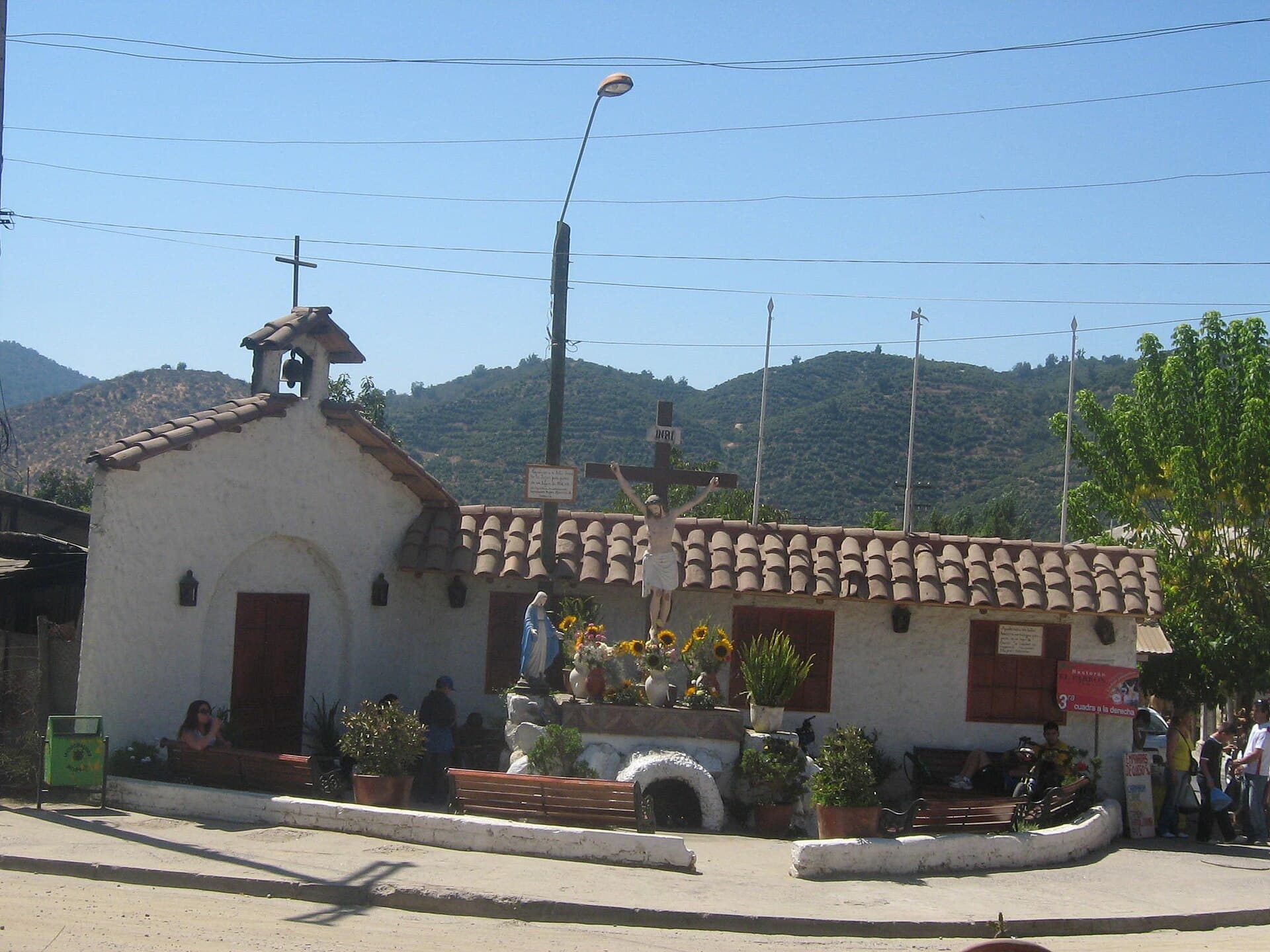 Penarc / CC BY-SA 3.0, via Wikimedia Commons
Tour de audio autoguiado de Pomaire — ruta GPS a pie, reproducción offline, narración en 32 idiomas.
“Donde el abrazo de la tierra da forma a la artesanía perdurable.”
No las postales. Las historias que ni los locales conocen — al oído, justo donde ocurrieron.
Los pequeños cerdos de arcilla elaborados en Pomaire son más que simples figuras para la mesa.
El distintivo acabado oscuro de algunas piezas de alfarería de Pomaire no es simplemente una capa de pintura.
Las empanadas de Pomaire son famosas, pero su tamaño sustancial tiene un propósito particular.
Descubre todos los secretos de Pomaire
Cada dirección, cada revelación al completo — a tu oído, justo donde ocurrió.
Eliges tus paradas. Caminas. La voz te revela lo que los demás ignoran.


Tu tour de audioguía por Pomaire te espera — elige tus lugares, tu idioma y empieza al llegar.
ComprarLume incluye una guía de realidad aumentada. Levanta el móvil y su cámara muestra la calle que tienes delante, con una flecha luminosa sobre la imagen real que siempre apunta a tu próxima parada — sin mapas que descifrar, sin giros equivocados. Como todo en Lume, funciona completamente sin conexión.
Pomaire, una comunidad en el Valle del Maipo en Chile, es un lugar donde la tierra misma parece narrar historias. Situado a solo una hora en coche al suroeste de Santiago, se erige como un punto central para la alfarería tradicional chilena y las delicias culinarias. El aire aquí a menudo lleva el aroma de la arcilla horneada y los hornos de leña, invitando a quienes lo visitan a bajar el ritmo y explorar sus caminos centrados en el arte.
Este no es un pueblo definido por grandes estructuras o vistas panorámicas, sino uno que cautiva a través de sus íntimos lazos con la artesanía y la herencia. Cada vuelta revela talleres repletos de cerámica hecha a mano, desde prácticos artículos de cocina hasta imaginativas piezas decorativas, cada una con la marca distintiva de los hábiles artesanos de Pomaire. Funciona como un archivo viviente del arte folclórico chileno, donde los métodos ancestrales se transmiten de generación en generación, asegurando que el carácter singular del pueblo persista.
La narrativa de Pomaire está profundamente entrelazada con sus abundantes depósitos de arcilla, un recurso que ha moldeado la identidad de la comunidad durante siglos. La tradición de la alfarería en esta área se remonta a épocas precolombinas, con los habitantes indígenas utilizando la tierra local para elaborar vasijas funcionales y ceremoniales. La llegada de los españoles trajo nuevas técnicas e influencias, pero la práctica fundamental de trabajar con arcilla siguió siendo central en la vida de la comunidad.
Durante el período colonial y más allá, la alfarería de Pomaire ganó reconocimiento por su excelencia y resistencia. El pueblo se convirtió en un proveedor esencial de loza para hogares y granjas en todo el centro de Chile. Las familias cultivaron estilos y métodos distintos, a menudo transmitidos oralmente y a través del aprendizaje directo de padres a hijos. Esta transferencia intergeneracional de conocimientos aseguró la continuación de las tradiciones cerámicas únicas de Pomaire.
El siglo XX vio a Pomaire desarrollarse como un centro reconocido de artesanía y turismo chileno. El característico color marrón rojizo de gran parte de su alfarería tradicional, derivado de la arcilla local, se convirtió en una firma. Si bien las formas tradicionales como las 'ollas' (recipientes para cocinar) y las 'fuentes' (bandejas) siguen siendo muy buscadas, los artesanos también comenzaron a elaborar artículos más decorativos y caprichosos, incluidos los famosos 'chanchitos' (cerdos de tres patas) que se han convertido en un emblema de buena fortuna. Hoy, Pomaire sigue floreciendo como un testimonio de la fuerza perdurable de la herencia artesanal, atrayendo a visitantes ansiosos por observar y adquirir una pieza de esta historia viva.
El corazón de Pomaire es su calle principal, bordeada por una colección de talleres de alfarería y tiendas de artesanos. Aquí, puedes observar a los alfareros dedicados a su oficio, dando forma a la arcilla en tornos tradicionales y cociendo sus creaciones en grandes hornos. Muchos establecimientos ofrecen demostraciones, brindando una visión del intrincado proceso de producción de cerámica. Busca la característica alfarería de color marrón rojizo, a menudo adornada con diseños simples y rústicos, así como la singular alfarería negra lograda mediante una técnica de cocción especializada.
Más allá de su alfarería, Pomaire es célebre por su cocina tradicional chilena. Numerosos establecimientos ofrecen comidas abundantes y generosas, siendo las empanadas de gran tamaño un punto culminante particular. Estas sabrosas empanadas, frecuentemente rellenas de Pino (una mezcla de carne molida, cebolla, aceitunas y huevo duro), constituyen una comida en sí mismas. Asegúrate de probar otras especialidades locales como el Pastel de Choclo y la Cazuela.
Mientras paseas, mantente atento a los 'chanchitos', las pequeñas figuras de cerdo de tres patas. Estos atractivos amuletos de buena suerte se encuentran por todas partes y son un recuerdo por excelencia de Pomaire.
Pomaire recibe visitantes durante todo el año, pero los meses de primavera (septiembre a noviembre) y otoño (marzo a mayo) ofrecen el clima más agradable para la exploración. Las temperaturas son suaves, lo que hace que sea cómodo pasear por las calles y examinar las exhibiciones al aire libre. Los fines de semana suelen ser más concurridos, con más artesanos y vendedores presentes, lo que fomenta un ambiente animado. Para una experiencia más tranquila, se recomienda una visita entre semana.
Pomaire es fácilmente accesible desde Santiago en coche, con un viaje que suele durar aproximadamente una hora. Por lo general, hay amplio estacionamiento disponible a lo largo de la calle principal o en áreas designadas. Las opciones de transporte público incluyen autobuses desde las principales terminales de Santiago hasta Melipilla, con conexiones locales a Pomaire. La mayoría de las tiendas y restaurantes aceptan Pesos Chilenos (CLP), y algunos pueden aceptar tarjetas de crédito, pero es aconsejable llevar algo de efectivo para compras más pequeñas o vendedores ambulantes. Muchos artesanos están encantados de empaquetar artículos para viajar.
Pomaire en coreano, en chino o en hebreo — y 29 idiomas más, cada parada narrada por una voz nativa. La mayor variedad de idiomas de cualquier audioguía autoguiada.
Disponible en: