Fransie Pienaar Museum
A book sent by Queen Victoria herself resides in Prince Albert.
Full story unlocks in the tour
 Charlesall (talk) / CC BY-SA 3.0, via Wikimedia Commons
Self-guided audio walking tour of Prince Albert — GPS route, offline playback, story-driven narration in 32 languages.
“Where Karoo quietude meets Victorian charm.”
Not the postcards. The stories even locals don't know — whispered in your ear, right where they happened.
A book sent by Queen Victoria herself resides in Prince Albert.
The original farmer of Prince Albert was quite the character, even parading his entire settlement for visitors.
The Swartberg Pass, an engineering marvel, almost had a different name.
Discover every secret of Prince Albert
Every address, every reveal in full — in your ear, right where it happened.
You pick your stops. You walk. The voice reveals what the others miss.
Your self-guided audio tour of Prince Albert is ready — pick your landmarks, choose your language, and start the moment you arrive.
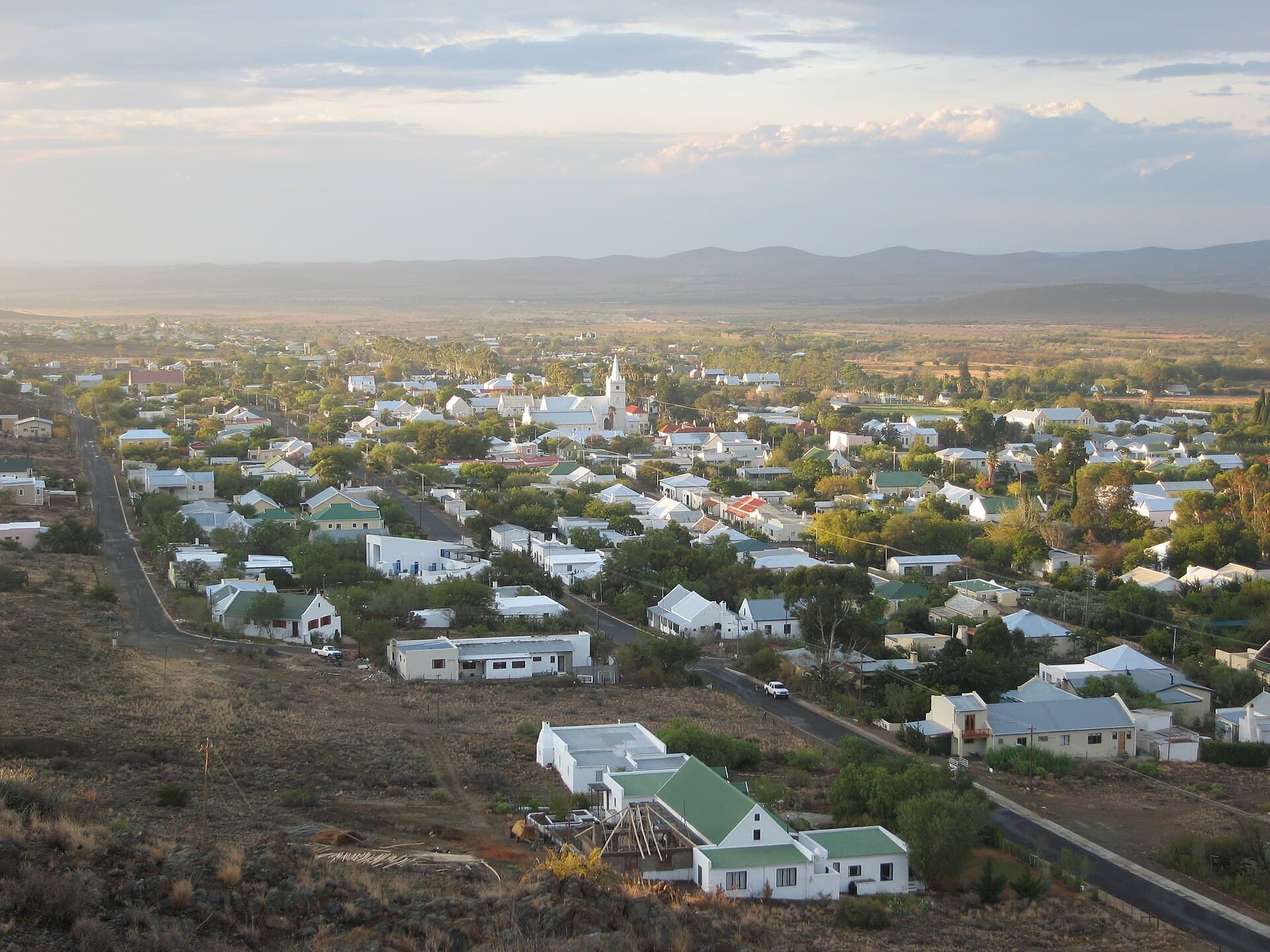
BuyPrince Albert, a village in South Africa's Western Cape, rests at the foot of the Swartberg Mountains. This fertile expanse in the semi-arid Karoo desert receives a constant water supply from upstream gorges, allowing olive groves and other crops to thrive. The village is known for its carefully preserved Cape Dutch, Karoo, and Victorian architecture, with thirteen buildings and five district sites, including the Swartberg Pass and Gamkaskloof (also known as 'The Hell'), recognized as National Monuments.
Often likened to the 'Franschhoek of the Karoo' due to its draw for the art community and wealthier South Africans, Prince Albert has experienced considerable tourism growth over the past two decades. It offers a slower rhythm of life, encircled by dramatic rock formations and expansive spaces, creating a sanctuary for artists, food enthusiasts, and those who cherish the natural world. The village's serene atmosphere fosters a flourishing community of artists and craftspeople, with galleries and studios displaying local talent.
The story of Prince Albert begins in 1762, when Zacharias and Dina de Beer established the loan farm Queeckvalleij, meaning 'valley of cultivation and plenty'. The fertile valley, fed by streams flowing from the northern slopes of the Swartberg Mountains, drew other farmers to the district. In 1842, the Dutch Reformed Church was established, and the settlement was initially known as Albertsburg. By 1845, the village was officially renamed Prince Albert in honor of Queen Victoria's consort, Prince Albert of Saxe-Coburg and Gotha.
Prince Albert experienced a fleeting 'mini gold rush' in 1891 after a gold nugget was found on the farm Klein Waterval. This led to a rush of excited miners and the registration of over a thousand claims, but the gold yield was small, and the prospectors soon moved on. Around the same period, the ostrich feather boom in Europe greatly influenced Prince Albert and its surroundings, with the area playing a vital role in supplying feathers.
During the Anglo-Boer War (1899-1902), Prince Albert saw minimal direct impact as it lay on the edge of the operational zone. A British garrison was stationed in the village to safeguard the district, and the Dutch Reformed Church was fortified. The railway line connecting Cape Town to the interior reached Prince Albert Road in 1879, further stimulating the village's development. Over the years, the town continued to expand, with a post office opening in 1849, a school in 1852, a reading room in 1857, and a library in 1862 (though the library was lost in a fire in 1949).
Prince Albert holds a rich heritage of Later Stone Age sites, including stone tools and rock paintings dating back 25,000 years, with evidence of Middle Stone Age people found at Boomplaas Cave on the Swartberg Pass. The village has also become recognized for its storytellers, who use personal narratives to share the allure of Prince Albert with visitors. Notable figures include the late 'Outa Lappies' (Jan Schoeman), an outsider artist who worked with discarded glass and tin, and Helena Marincowitz, a local farmer's wife who compiled over 40 historical and cultural booklets about the town. Today, tour guides like Ailsa Tudhope, known as the 'Story Weaver,' carry on this tradition, offering ghost walks and historical tours.
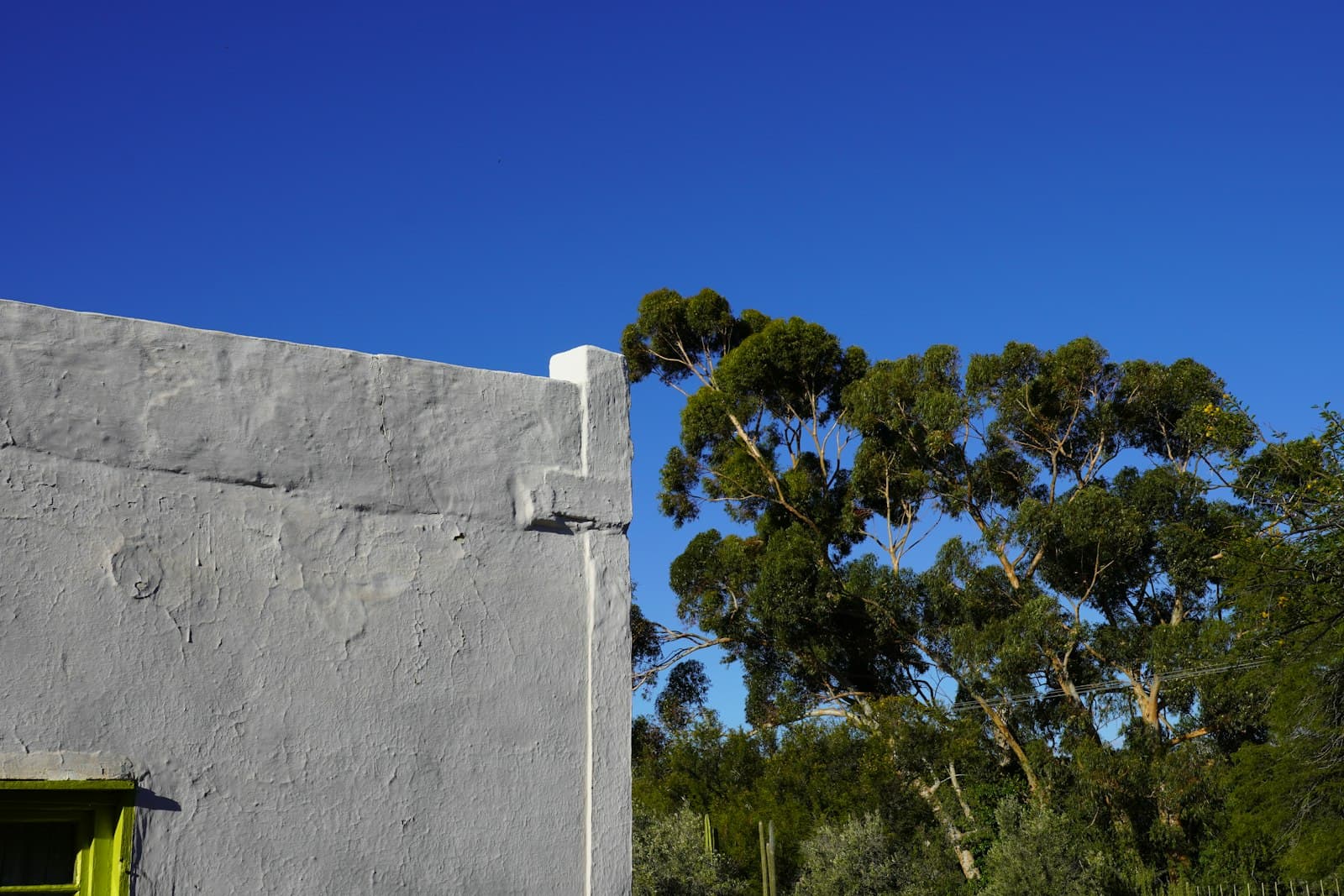
Prince Albert's main thoroughfare, Church Street, serves as a central point for exploring the village's distinct character. Here, you will discover most eateries, shops, and places of interest, making it straightforward to navigate on foot. The village's well-preserved architecture, encompassing Georgian, Victorian, and Cape Dutch styles, is a key attraction.
One essential stop is the Fransie Pienaar Museum, which provides a detailed look into the village's past, featuring old fossils, Victoriana, local artwork, community archives, and even a gun room and a witblitz (moonshine) distillery.
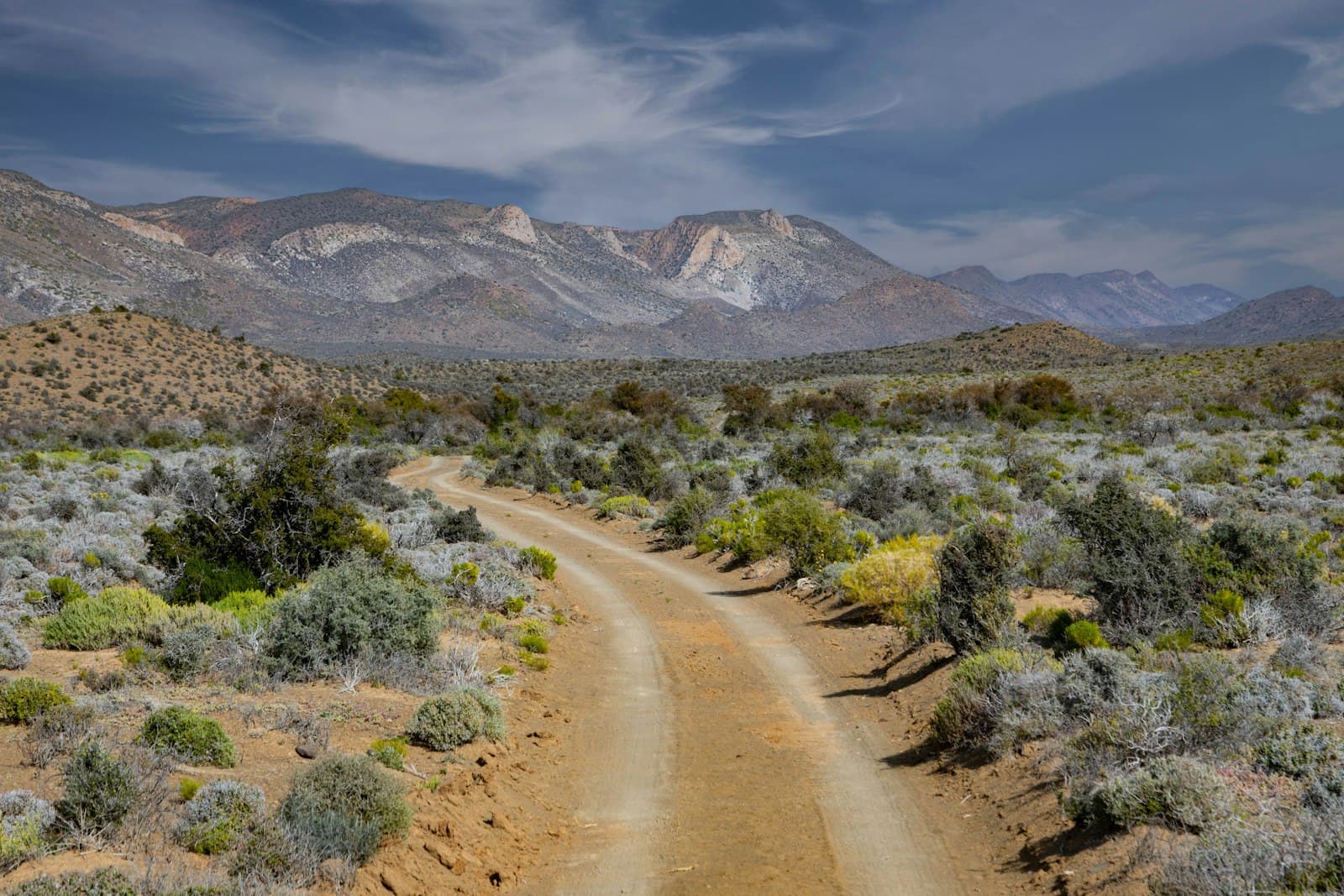
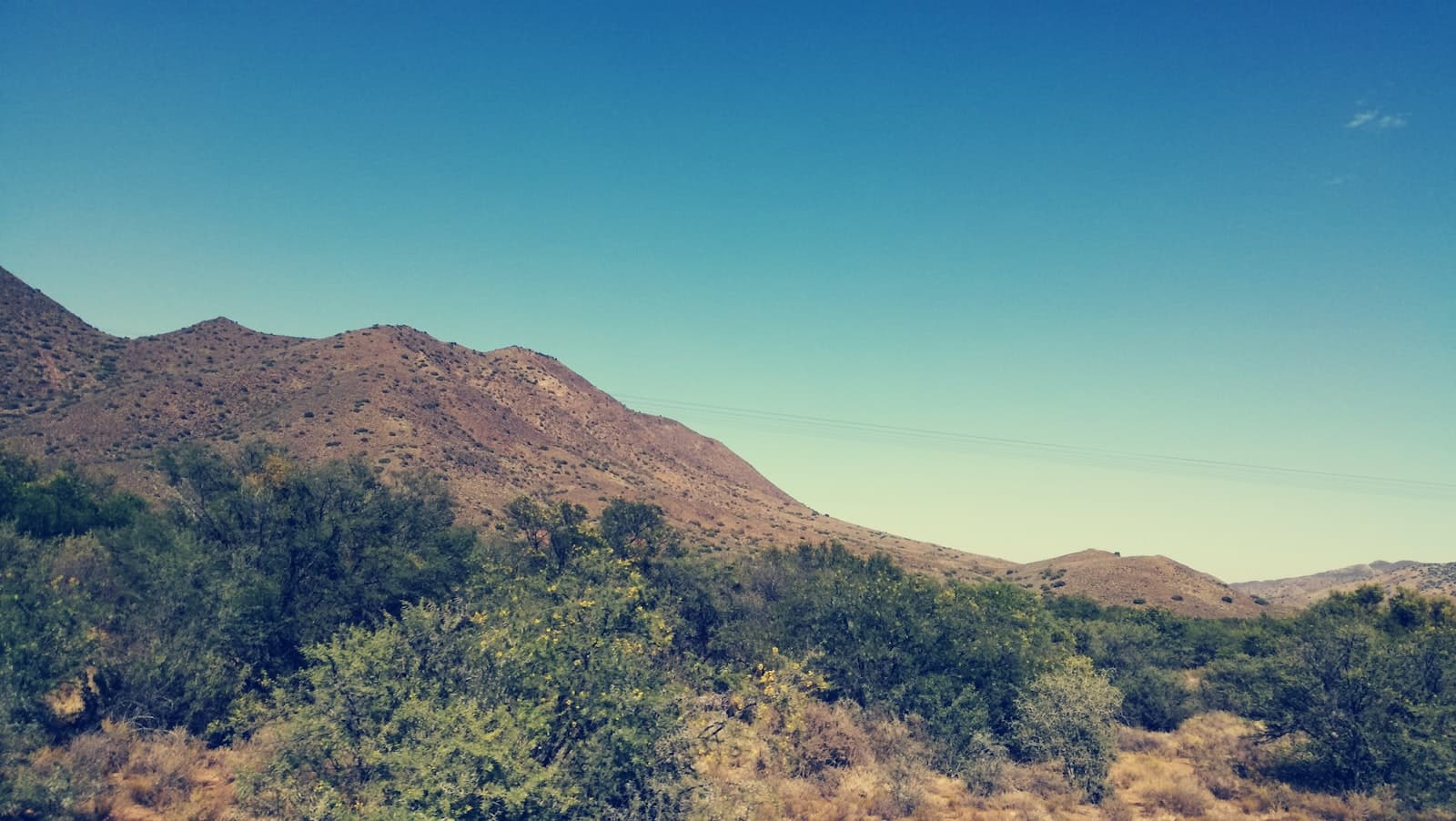
The remarkable Swartberg Pass, a UNESCO World Heritage Site, begins just outside the village and is considered one of South Africa's most dramatic and visually striking mountain passes. Driving this 27-kilometer gravel pass, an engineering feat by Thomas Bain, offers expansive views and takes approximately 90 minutes in a standard vehicle. For a more challenging journey, consider a 4x4 trip to Gamkaskloof, also known as 'The Hell,' a secluded valley within the Swartberg Nature Reserve with a compelling history of isolation.
Do not miss the Prince Albert Saturday Morning Market, held beside the Fransie Pienaar Museum, where you can find fresh produce, homemade goods, and local crafts. The village is also celebrated for its culinary offerings, especially locally produced olives, olive oil, and cheese, with local farms and wineries providing tours and tastings. For art enthusiasts, galleries and studios are scattered throughout the village, displaying the work of local artists and textiles. You can also explore the Karoo Labyrinth in the garden of St John the Baptist Church for a moment of quiet contemplation.
Prince Albert offers a distinct experience in every season. Spring (August to October) transforms the Karoo landscape with indigenous wildflowers, making it ideal for nature walks. Summer (December to February) brings warm, sunny days, perfect for stargazing under the clear night skies, as Prince Albert has minimal light pollution. Autumn (March to May) offers comfortable temperatures for hiking and exploring the dramatic Meiringspoort Pass. Winter (June to July) provides a peaceful retreat with cooler temperatures and mild, sunny days. The annual Olive Festival typically takes place in late April or early May. For general outdoor activities, early November to early April is recommended.
Prince Albert is approximately a 4-hour drive northeast of Cape Town. You can arrive via the N1 and R407, or take the scenic Route 62 through the Klein Karoo, which adds about 30 minutes to the journey. If coming from Oudtshoorn, the Swartberg Pass is a visually striking route, though you can also use the R407 from Klaarstroom. The village itself is compact and easily explored on foot. On-street parking is readily available, but local public transport is limited, so having your own car is suggested for exploring the surrounding area. Fuel stations can be scarce in the Karoo, so it is wise to fill up before arriving. Accommodation options range from the historic Swartberg Hotel to guesthouses and self-catering cottages.
Prince Albert in Korean, in Chinese or in Hebrew — and 29 more languages, every stop narrated by a native voice. The widest language range of any self-guided audio tour.
Available in: