Dinosaur Park
Die hoch aufragenden Beton-Dinosaurier von Rapid City stehen seit fast einem Jahrhundert Wache, aber der Kamm, den sie bewohnen, birgt eine dunklere, fast vergessene Vergangenheit.
Die ganze Geschichte wird in der Tour freigeschaltet
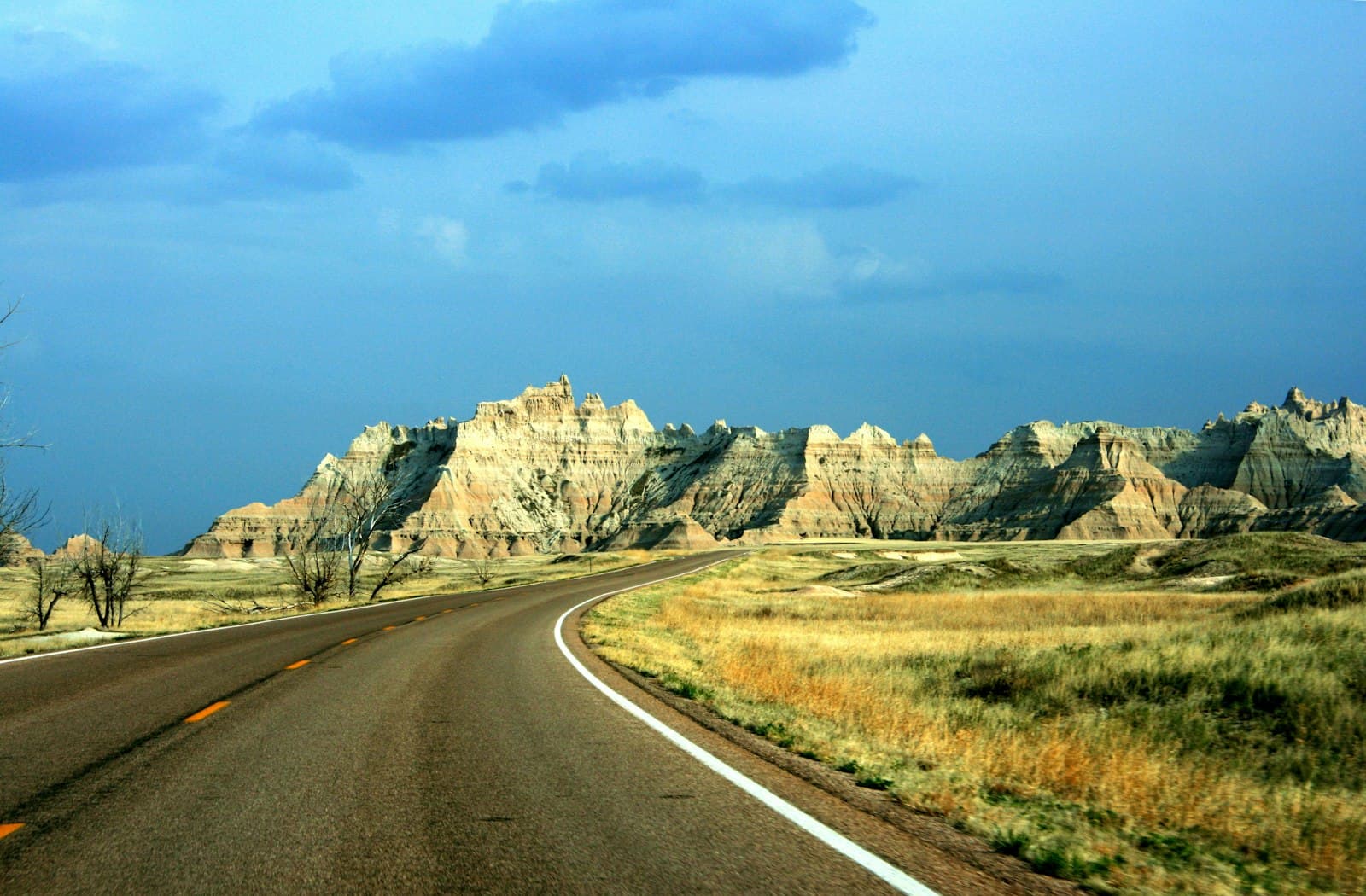 Photo: Matan Levanon / Unsplash
Selbstgeführte Audio-Walking-Tour durch Rapid City — GPS-Route, Offline-Wiedergabe, erzählerische Narration in 32 Sprachen.
“Wo die Black Hills auf die Badlands treffen, findet das Abenteuer sein Herz.”
Nicht die Postkarten. Die Geschichten, die selbst Einheimische nicht kennen – dir ins Ohr geflüstert, genau dort, wo sie geschahen.
Die hoch aufragenden Beton-Dinosaurier von Rapid City stehen seit fast einem Jahrhundert Wache, aber der Kamm, den sie bewohnen, birgt eine dunklere, fast vergessene Vergangenheit.
Dieses historische Hotel, seit 1928 ein Wahrzeichen der Skyline von Rapid City, hat Präsidenten und Berühmtheiten empfangen. Doch einige Gäste, so wird gemunkelt, haben es nie verlassen.
Wenn Sie durch die Innenstadt spazieren, bemerken Sie vielleicht etwas, das mit einer der Präsidentenstatuen nicht ganz stimmt.
Entdecke jedes Geheimnis von Rapid City
Jede Adresse, jede Enthüllung vollständig – in deinem Ohr, genau dort, wo es geschah.
Du wählst deine Stationen. Du gehst. Die Stimme enthüllt, was andere übersehen.

Deine selbstgeführte Audio-Tour durch Rapid City ist bereit – wähle deine Sehenswürdigkeiten, deine Sprache und starte, sobald du ankommst.
KaufenLume enthält einen integrierten Augmented-Reality-Guide. Halten Sie Ihr Handy hoch: Die Kamera zeigt die Straße vor Ihnen, mit einem leuchtenden Pfeil über dem echten Bild, der immer auf Ihren nächsten Stopp zeigt — keine Karte zum Rätseln, keine falschen Abzweigungen. Wie alles bei Lume funktioniert es komplett offline.
Rapid City, South Dakota, oft als "Tor zu den Black Hills" bezeichnet, ist ein lebendiges Zentrum, wo die weiten Ebenen auf die rauen Gipfel treffen. Dies ist ein Ort, an dem natürliche Erhabenheit und amerikanische Geschichte zusammenlaufen und eine Mischung aus Erkundung im Freien und kulturellem Eintauchen bieten. Die Stadt selbst, die zweitgrößte in South Dakota, bietet eine komfortable Basis für die Entdeckung ikonischer Sehenswürdigkeiten, während sie gleichzeitig einen ausgeprägten lokalen Charakter bewahrt.
Über ihre Rolle als Ausgangspunkt für Reisen zum Mount Rushmore, zum Badlands-Nationalpark und zum Custer State Park hinaus hat Rapid City mit seiner lebendigen Innenstadt einiges zu bieten. Hier vermischen sich Kunst, Geschichte und lokale Geschmäcker und laden Besucher ein zu verweilen und unerwartete Schätze zu entdecken. Von Freiluftkunstgalerien bis hin zu einzigartigen gastronomischen Erlebnissen offenbart die Stadt Schichten von Reizen, die weit über ihre berühmte Umgebung hinausgehen.
Die Anfänge von Rapid City reichen bis Februar 1876 zurück, als eine Gruppe von Prospektoren, entmutigt von ihrer Goldsucherei in den Black Hills, beschloss, eine neue Siedlung zu gründen. Unter der Führung von John Brennan und Samuel Scott legten sie einen Meile langen Geschäftsviertel am Ufer des Rapid Creek an. Ursprünglich "Hay Camp" genannt, erhielt die Gemeinde schnell ihren beständigeren Namen vom schnell fließenden Bach, der sie teilt.
Innerhalb von sechs Monaten nach ihrer Gründung nannten über 100 Menschen Rapid City ihr Zuhause. Die Stadt wurde schnell zu einem wichtigen Sammelpunkt für Wagen, die Vorräte zu den Minen in den Black Hills transportierten, und entwickelte sich bis Ende der 1880er Jahre zu einem wachsenden Eisenbahnzentrum. Bis 1900 hatte Rapid City seinen Ruf als regionales Handelszentrum für den oberen Mittelwesten gefestigt, eine Rolle, die heute mit einer vielfältigen Wirtschaft fortbesteht, die Landwirtschaft, Forstwirtschaft, Regierung, Tourismus, Gesundheitswesen und Fertigung umfasst.
Die Expansion der Stadt verlief nicht ohne Schwierigkeiten; zwischen 1880 und 1920 gab es mehrere Perioden intensiven Wachstums und Niedergangs. Die Gründung der South Dakota School of Mines im Jahr 1889 bot jedoch einen Schwerpunkt für die Hochschulbildung und trug nach 1920 zu einem stetigen Bevölkerungsanstieg bei. Rapid City erlebte am 9. Juni 1972 auch eine verheerende Sturzflut, verursacht durch starke Regenfälle am Rapid Creek, die tragischerweise über 250 Menschenleben forderte und Millionen an Sachschäden verursachte.
Trotz ihrer turbulenten Vergangenheit hat sich Rapid City stets angepasst und erweitert. Heute ist sie die zweitgrößte Stadt in South Dakota, ein wirtschaftliches und kulturelles Zentrum für den westlichen Teil des Staates. Ihre historische Reise von einer Prospektorenstation zu einem modernen städtischen Zentrum ist ein Beweis für den beständigen Geist des amerikanischen Westens.
Beginnen Sie Ihre Erkundung in Downtown Rapid City, wo die City of Presidents-Walking-Tour lebensgroße Bronzestatuen von US-Präsidenten präsentiert, die jeweils einen Einblick in ihre Persönlichkeiten und Epochen geben. In der Nähe verwandelt die Art Alley einen gewöhnlichen Innenstadtbereich in eine sich ständig verändernde Leinwand aus Wandgemälden und Straßenkunst.
Für weite Ausblicke auf die Stadt und die fernen Badlands besuchen Sie den Dinosaur Park, wo seit den 1930er Jahren sieben große Beton-Dinosaurier stehen. Ein weiteres architektonisches Wunder ist die Chapel in the Hills, eine Nachbildung einer norwegischen Stabkirche aus dem 12. Jahrhundert, die eine ruhige Zuflucht bietet. Das Journey Museum & Learning Center bietet eine eingehende Untersuchung der Natur- und Kulturgeschichte der Black Hills, von alten geologischen Formationen bis zum Erbe der amerikanischen Ureinwohner.
Outdoor-Enthusiasten können den Leonard Swanson Memorial Pathway erkunden, einen Wander- und Radweg entlang des Rapid Creek. Für ein besonderes Erlebnis ist Reptile Gardens als einer der Top-Reptilienzoos Amerikas anerkannt und beherbergt eine vielfältige Sammlung von Reptilien, Vögeln und über 40.000 Blumen. Verpassen Sie nicht die Berlin Wall Exhibit im Memorial Park, eine der größten Sammlungen tatsächlicher Abschnitte der Berliner Mauer in der Nation.
Rapid City bietet zu jeder der vier Jahreszeiten besondere Erlebnisse. Für Aktivitäten bei warmem Wetter und vollen Zugang zu Attraktionen wie Storybook Island und Bear Country USA ist das späte Frühjahr bis zum frühen Herbst (Juni bis Anfang September) ideal, obwohl es auch die geschäftigste Zeit ist. Der Herbst bringt klare Luft, bunte Blätter und weniger Menschenmassen mit sich, was ihn hervorragend für malerische Fahrten und Erkundungen im Freien macht. Die Winter sind kalt und schneereich, bieten aber Möglichkeiten für neue Outdoor-Aktivitäten und ein ruhigeres Erlebnis, wobei viele Geschäfte in der Nähe großer Parks geschlossen sind. Der Frühling ist eine erfrischende Zeit mit blühenden Wildblumen und Jungtieren, und es gibt auch weniger Menschenmassen.
Der Rapid City Regional Airport (RAP) bietet Direktflüge von wichtigen Drehkreuzen an, aber ein Auto ist unerlässlich, um die Stadtgrenzen zu erkunden. Während die öffentlichen Verkehrsmittel begrenzt sind, ist die Innenstadt von Rapid City gut zu Fuß erreichbar. Die Lebenshaltungskosten in Rapid City sind im Allgemeinen erschwinglich, wobei die Wohnkosten unter dem nationalen Durchschnitt liegen. Die Lebensmittelkosten können jedoch aufgrund der Entfernung der Stadt zu großen Lieferanten etwas höher sein. Die Stadt erlebt alle vier Jahreszeiten, mit Temperaturen von heißen Sommern bis zu eisigen, schneereichen Wintern. Das Packen von Schichten wird für das Bergwetter empfohlen, das sich im Laufe des Tages ändern kann. South Dakota hat keine Einkommensteuer, was für Einwohner ein finanzieller Vorteil sein kann.
Rapid City — Koreanisch, Chinesisch, Hebräisch und 29 weitere Sprachen, jede Station von einer muttersprachlichen Stimme erzählt. Die größte Sprachauswahl aller selbstgeführten Audiotouren.
Verfügbar auf: