El Malecón
Las animadas mochilas Wayuu que se ofrecen a lo largo del paseo marítimo de Riohacha llevan más que solo pertenencias.
La historia completa se desbloquea en el tour
 Zero Gravity at English Wikipedia / Public domain, via Wikimedia Commons
Tour de audio autoguiado de Riohacha — ruta GPS a pie, reproducción offline, narración en 32 idiomas.
“Donde el desierto árido se encuentra con el abrazo del Caribe, y las tradiciones Wayuu colorean la orilla.”
No las postales. Las historias que ni los locales conocen — al oído, justo donde ocurrieron.
Las animadas mochilas Wayuu que se ofrecen a lo largo del paseo marítimo de Riohacha llevan más que solo pertenencias.
Esta perdurable catedral no solo es un lugar de devoción, sino también un testimonio de un escape milagroso de un desastre natural.
El nombre de la ciudad, Riohacha, no es meramente una etiqueta geográfica; tiene sus raíces en una narrativa de un hacha y un acto de generosidad.
Descubre todos los secretos de Riohacha
Cada dirección, cada revelación al completo — a tu oído, justo donde ocurrió.
Eliges tus paradas. Caminas. La voz te revela lo que los demás ignoran.
Tu tour de audioguía por Riohacha te espera — elige tus lugares, tu idioma y empieza al llegar.
ComprarLume incluye una guía de realidad aumentada. Levanta el móvil y su cámara muestra la calle que tienes delante, con una flecha luminosa sobre la imagen real que siempre apunta a tu próxima parada — sin mapas que descifrar, sin giros equivocados. Como todo en Lume, funciona completamente sin conexión.
Riohacha, la capital del departamento de La Guajira en la costa caribeña oriental de Colombia, es una ciudad donde el reseco paisaje desértico converge dramáticamente con la extensión turquesa del Mar Caribe. Sirve como un importante punto de entrada a la península de La Guajira, una región distinguida por su singular cultura indígena Wayuu y su cautivadora belleza natural. Si bien algunos viajeros la consideran principalmente un punto de partida para expediciones al desierto, Riohacha en sí misma ofrece una mezcla de playas tranquilas, vibrantes artesanías locales y un palpable sentido de su pasado.
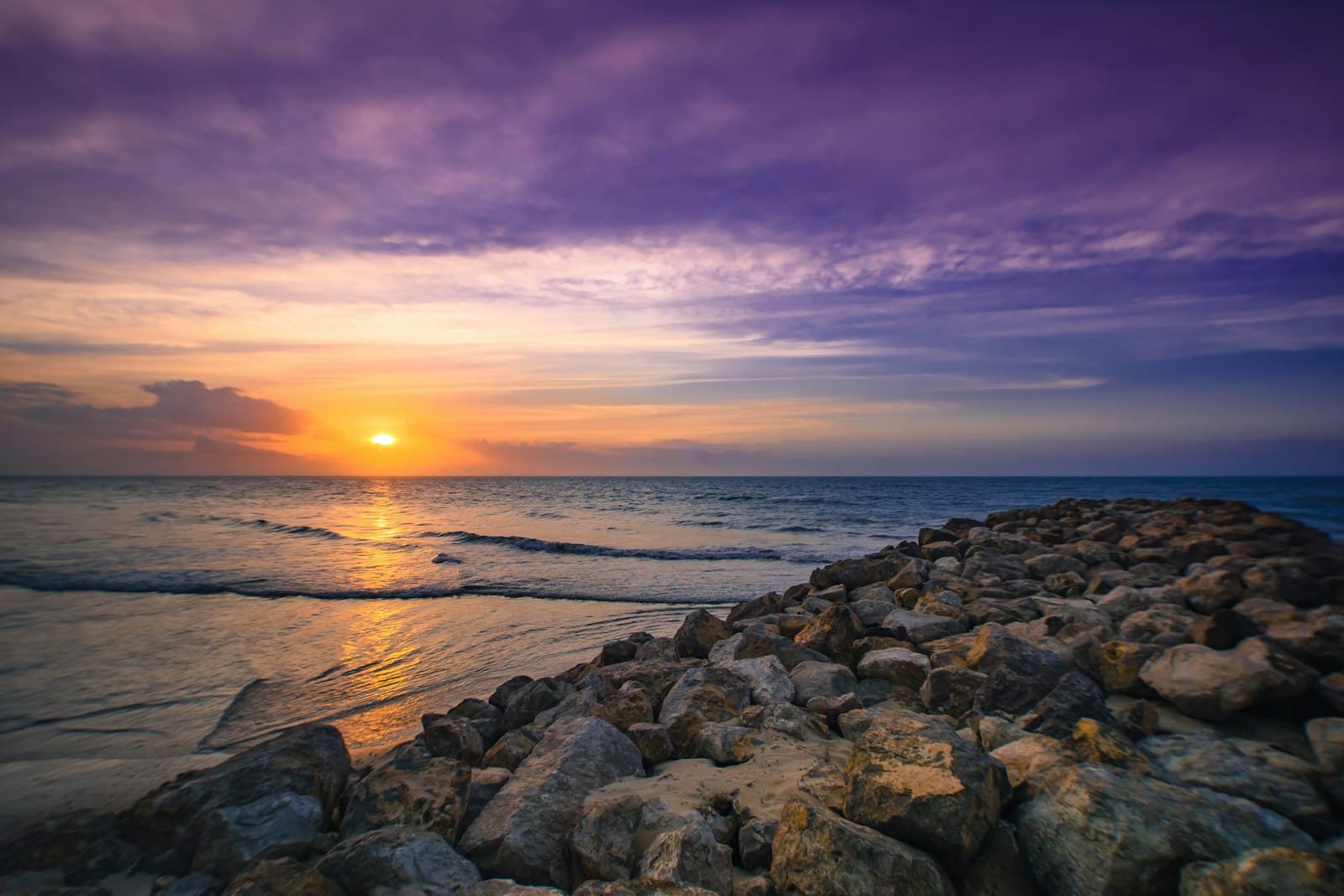
La esencia de la ciudad reside en su conexión con el pueblo Wayuu, el grupo indígena más grande de Colombia, cuya presencia está profundamente entrelazada con la cultura y economía local. Los visitantes pueden explorar el paseo marítimo bordeado de palmeras, conocido como el Malecón, donde los artesanos Wayuu exhiben sus intrincadas artesanías tejidas, incluyendo las distintivas mochilas. Más allá de las artesanías, Riohacha invita a un ritmo más lento, fomentando paseos por su muelle para presenciar los atardeceres caribeños y ofreciendo una muestra de la auténtica vida costera colombiana.
Riohacha tiene la distinción de ser una de las primeras ciudades establecidas por europeos en América, con sus orígenes que se remontan a 1535, cuando el explorador alemán Nikolaus Federmann fundó un asentamiento en Cabo de la Vela. La prosperidad inicial de la ciudad estuvo intrínsecamente ligada a los abundantes bancos de perlas descubiertos frente a su costa, transformándola en un centro económico crucial en la región. Esta riqueza, sin embargo, también convirtió a Riohacha en un objetivo frecuente para los bucaneros, incluido el infame Francis Drake, quien asaltó, saqueó e incendió la ciudad en 1596 en busca de sus valiosas perlas. Tras un asalto destructivo, la ciudad fue reubicada estratégicamente a su posición actual en la desembocadura del río Ranchería alrededor de 1545, un movimiento destinado a confundir a los atacantes y facilitar la reconstrucción. Fue oficialmente nombrada "Nuestra Señora de los Remedios del Río de la Hacha".
A lo largo de la era colonial, Riohacha siguió siendo un puerto importante, aunque a menudo lidiaba con el aislamiento y las amenazas de contrabandistas y grupos indígenas. En el siglo XVIII, fue incorporada al Virreinato de Nueva Granada. La ciudad desempeñó un papel estratégico durante la lucha de Colombia por la independencia de España, con su puerto sirviendo a numerosas embarcaciones y muchos riohacheros, como el Almirante José Prudencio Padilla, luchando en la armada revolucionaria. El triunfo de Padilla en la Batalla de Laguna Salada en 1820 fue fundamental para liberar la ciudad del dominio español y abrir su puerto al libre comercio internacional.
Riohacha obtuvo oficialmente el estatus de municipio en 1954 y fue declarada capital del recién formado Departamento de La Guajira en 1964. En 2015, la ciudad fue reconocida como "Distrito Especial, Turístico y Cultural", una designación que ha apoyado inversiones en su centro histórico, frente marítimo e infraestructura turística. Hoy, Riohacha sigue siendo un centro multicultural, profundamente influenciado por el pueblo Wayuu, cuyas singulares tradiciones y artesanías contribuyen significativamente a la identidad de la región. La ciudad incluso ha obtenido reconocimiento literario, siendo mencionada varias veces en las novelas del premio Nobel Gabriel García Márquez, incluida Cien años de soledad.
Comience su exploración de Riohacha con un paseo por el Malecón, también conocido como 'Paseo de la Marina'. Este largo paseo marítimo corre junto a la playa y es un lugar principal para encontrar artesanos Wayuu que ofrecen sus coloridas mochilas tejidas a mano y otras artesanías. Camine hasta el final del Muelle Almirante Padilla para disfrutar de amplias vistas del Mar Caribe y atardeceres memorables.
En el centro de la ciudad, visite la Catedral Nuestra Señora de los Remedios, un elegante edificio con un rico pasado y una estatua asociada con un milagro local. Cerca, la Plaza José Prudencio Padilla es un punto de encuentro donde puede descubrir vendedores que ofrecen frutas y jugos frescos. La Casa de la Cultura, un edificio circular de color amarillo brillante a lo largo de la playa, funciona como museo y centro de arte, exhibiendo frecuentemente artistas locales y regionales y enfatizando la cultura Wayuu.
Para un toque de homenaje literario, busque la escultura amarilla brillante de Las Mariposas Amarillas de Mauricio Babilonia, un tributo a Cien años de soledad de Gabriel García Márquez. Riohacha también es el principal punto de partida para excursiones de varios días al desierto de La Guajira, incluyendo viajes a Cabo de la Vela y Punta Gallinas, donde podrá experimentar impresionantes paisajes de desierto que se encuentra con el océano y relacionarse más con las comunidades Wayuu. A poca distancia en coche, el Santuario de Fauna y Flora Los Flamencos ofrece la oportunidad de observar magníficos flamencos rosados y otras aves migratorias en su entorno natural de humedal.
El momento ideal para visitar Riohacha es durante la estación seca, que se extiende de diciembre a marzo. Durante estos meses, el clima es constantemente cálido y soleado, con temperaturas promedio de alrededor de 28 °C (82 °F), creando excelentes condiciones para disfrutar de las playas y las actividades al aire libre. Si bien la lluvia es mínima, la humedad permanece elevada durante todo el año. Los meses intermedios de abril y noviembre también pueden ser agradables, ofreciendo menos multitudes y lluvias ocasionales. Es aconsejable evitar la temporada más concurrida desde mediados de diciembre hasta mediados de enero, Semana Santa y los fines de semana largos nacionales si prefiere menos multitudes.
Riohacha se considera generalmente segura para los visitantes durante el día, particularmente en áreas concurridas como el Malecón y el centro de la ciudad. Sin embargo, es aconsejable estar atento a su entorno, evitar exhibir objetos de valor y ejercer prudencia al salir por la noche, manteniéndose en áreas bien iluminadas. Debido a su proximidad con la frontera venezolana, la región puede experimentar problemas como el contrabando.
En cuanto a la moneda, se recomienda llevar efectivo, ya que no todos los establecimientos aceptan tarjetas de crédito. Para el alojamiento, muchos hoteles están situados cerca de la costa, ofreciendo una variedad de opciones económicas y de gama media. La hidratación es crucial, especialmente durante los meses más cálidos, y empacar protector solar y un sombrero es esencial para protegerse del sol intenso. Respetar las costumbres y tradiciones locales, particularmente al interactuar con la comunidad Wayuu, mejorará su experiencia.
Riohacha en coreano, en chino o en hebreo — y 29 idiomas más, cada parada narrada por una voz nativa. La mayor variedad de idiomas de cualquier audioguía autoguiada.
Disponible en: