Iglesia de Nuestra Señora del Ó
Esta iglesia guarda un secreto único en su estilo artístico, a diferencia de cualquier otra en el Brasil colonial.
La historia completa se desbloquea en el tour
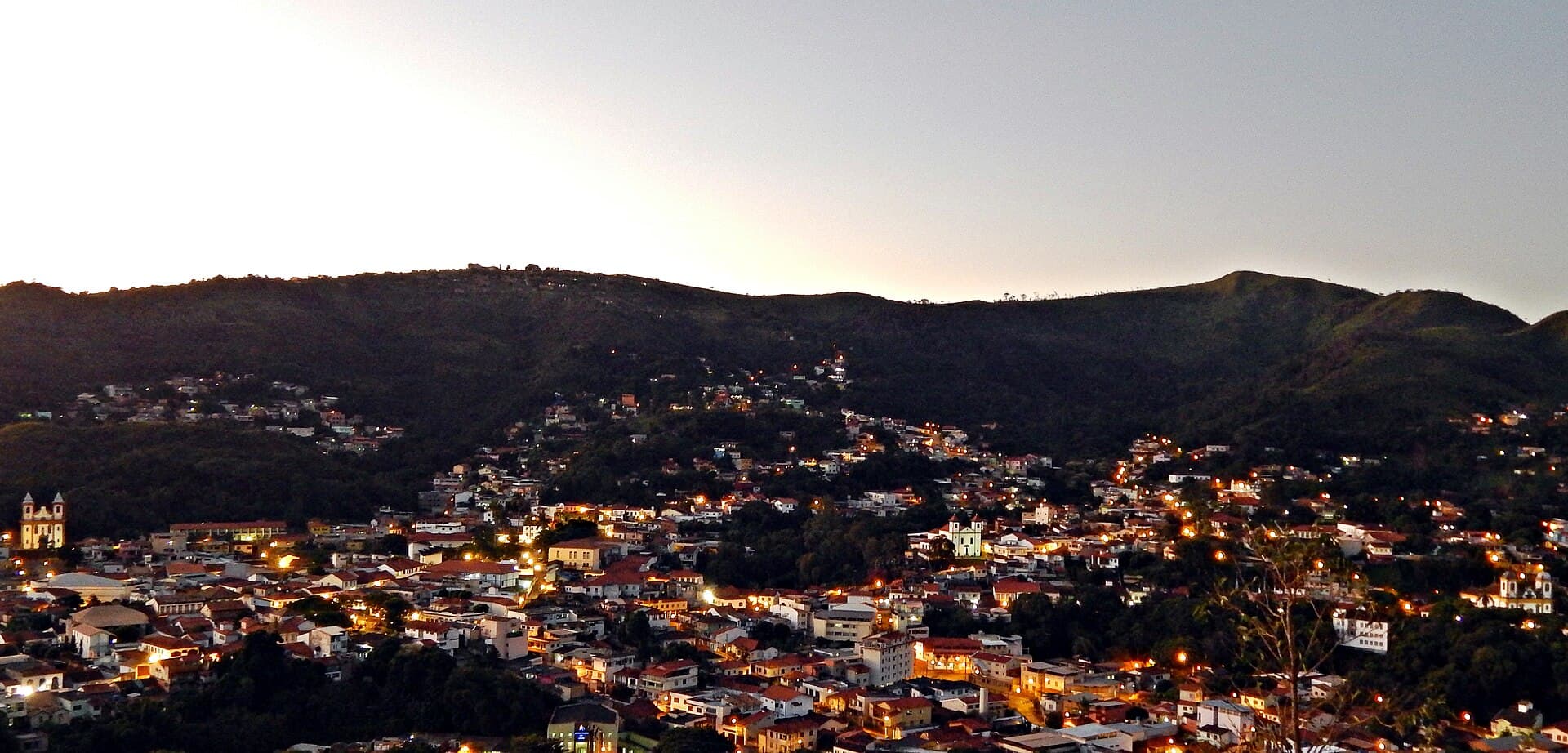 GMVR92 / CC BY-SA 4.0, via Wikimedia Commons
Tour de audio autoguiado de Sabará — ruta GPS a pie, reproducción offline, narración en 32 idiomas.
“Sabará: Donde los ecos del oro aún brillan en las fachadas barrocas.”
No las postales. Las historias que ni los locales conocen — al oído, justo donde ocurrieron.
Esta iglesia guarda un secreto único en su estilo artístico, a diferencia de cualquier otra en el Brasil colonial.
Más allá de su grandiosa fachada, este teatro ostenta una sorprendente fama en la historia de Brasil.
El edificio del Museo del Oro en sí mismo guarda un secreto sobre el verdadero costo de la riqueza colonial.
Descubre todos los secretos de Sabará
Cada dirección, cada revelación al completo — a tu oído, justo donde ocurrió.
Eliges tus paradas. Caminas. La voz te revela lo que los demás ignoran.
Tu tour de audioguía por Sabará te espera — elige tus lugares, tu idioma y empieza al llegar.
ComprarLume incluye una guía de realidad aumentada. Levanta el móvil y su cámara muestra la calle que tienes delante, con una flecha luminosa sobre la imagen real que siempre apunta a tu próxima parada — sin mapas que descifrar, sin giros equivocados. Como todo en Lume, funciona completamente sin conexión.
Sabará, una ciudad histórica en el estado de Minas Gerais, Brasil, ofrece un vínculo tangible con el opulento pasado colonial del país. Como parte del área metropolitana de Belo Horizonte, se erige como un testimonio de la Fiebre del Oro brasileña del siglo XVIII. Su arquitectura barroca bien conservada, sus calles empedradas y sus numerosas iglesias y edificios históricos cuentan historias de una época pasada en la que la extracción de oro hizo de esta región una de las más ricas del Brasil colonial.
Más allá de su grandeza arquitectónica, Sabará ofrece una ventana al patrimonio cultural de Minas Gerais. Los visitantes pueden explorar museos, disfrutar de festivales locales y saborear las comidas regionales tradicionales. La atmósfera auténtica e íntima de la ciudad contrasta notablemente con el bullicio de las grandes metrópolis, invitando a una inmersión más profunda en las capas culturales que dieron forma a este rincón único de Brasil.
La historia de Sabará está inextricablemente ligada a la fiebre del oro que se extendió por la región de Minas Gerais a finales del siglo XVII. Bandas de aventureros de los asentamientos de São Paulo descubrieron oro entre 1692 y 1695, lo que provocó una frenética carrera por las nuevas minas. El asentamiento, fundado por buscadores de oro, se transformó rápidamente en un importante centro de extracción de oro. Se cree que el nombre "Sabará" significa "gran alegría" o "gran placer" en tupí, una lengua indígena, posiblemente dado por los pueblos nativos que habitaban la región antes de la colonización portuguesa.
El siglo XVIII marcó el apogeo de la prosperidad de Sabará. La inmensa riqueza generada por la minería de oro impulsó la construcción de magníficas iglesias barrocas y elaboradas mansiones, destinadas a mostrar la opulencia y el estatus de la ciudad. Minas Gerais, inicialmente parte de la capitanía de São Paulo, se estableció como capitanía general separada en 1720, lo que la puso más directamente bajo la corona portuguesa. Sabará fue designada sede de un municipio en 1711 y alcanzó el estatus de ciudad en 1838.
Irónicamente, el eventual agotamiento de las reservas de oro provocó una disminución significativa de la actividad económica. Esta recesión jugó un papel crucial en la preservación de la apariencia original de la ciudad, ya que las autoridades locales carecían de fondos para una extensa reconstrucción moderna. Como resultado, las calles y edificios coloniales de Sabará han permanecido en gran parte intactos, ofreciendo a los visitantes una visión notablemente auténtica del pasado imperial de Brasil. Hoy en día, el centro histórico es reconocido como un importante sitio de patrimonio cultural y un monumento viviente de esta era.
El centro histórico de Sabará se explora mejor a pie, lo que le permite pasear por sus calles empedradas y admirar las casas coloniales con sus distintivas ventanas y balcones. La ciudad es famosa por su arquitectura barroca bien conservada, particularmente sus iglesias, que son austeras por fuera pero a menudo lujosamente ornamentadas por dentro.
Los lugares de interés clave incluyen la Iglesia de Nuestra Señora del Ó, notable por su singular arte barroco de influencia china. La Iglesia de Nuestra Señora del Carmen a menudo se la conoce como la "pequeña princesa del barroco" debido a sus elegantes líneas y su elaborado interior. La Matriz de Nossa Senhora da Conceição es otra estructura religiosa importante. Para una inmersión más profunda en el pasado de la ciudad, visite el Museo del Oro, ubicado en el histórico edificio de la Intendencia y Fundición, que exhibe más de 300 artefactos de la era de la minería de oro. El Teatro Municipal de Sabará, uno de los teatros en funcionamiento más antiguos de Brasil, también es una atracción destacada.
Más allá de los principales puntos de referencia, Sabará es conocida por sus tradiciones artesanales y sus deliciosos dulces locales. Asegúrese de probar la cocina tradicional de Minas Gerais, especialmente los dulces locales como las 'rosquinhas' y los 'biscoitos'.
La mejor época para visitar Sabará es durante los meses de abril a junio y de septiembre a noviembre, cuando el clima es agradable con temperaturas suaves. Específicamente, mayo, junio, julio y agosto ofrecen temperaturas agradables entre 25 °C y 27 °C con mínimas precipitaciones, lo que lo hace ideal para explorar los sitios históricos. Los inviernos también son suaves y una buena época para disfrutar de las atracciones culturales sin grandes multitudes. Sabará experimenta distintas estaciones secas de mayo a agosto y estaciones húmedas de noviembre a enero.
Sabará es fácilmente accesible desde Belo Horizonte, la capital del estado, lo que la convierte en una excursión de un día factible o una base para explorar la región más amplia. El viaje desde Belo Horizonte dura aproximadamente 30-45 minutos en coche o autobús local. Hay transporte público disponible, pero alquilar un coche ofrece más flexibilidad para explorar. Si conduce, tenga en cuenta que el estacionamiento puede ser un desafío en las estrechas calles del centro histórico; a menudo es mejor estacionar un poco más lejos y caminar.
Aunque el portugués es el idioma principal, algunos lugareños pueden hablar inglés básico. La moneda local es el Real brasileño (BRL). La mayoría de las iglesias y museos históricos están cerrados los lunes, así que planifique su visita en consecuencia. Dejar una propina de alrededor del 10% para la mayoría de los servicios es habitual y apreciado. Las tarjetas de crédito son ampliamente aceptadas, pero es recomendable llevar algo de efectivo en billetes pequeños.
Sabará en coreano, en chino o en hebreo — y 29 idiomas más, cada parada narrada por una voz nativa. La mayor variedad de idiomas de cualquier audioguía autoguiada.
Disponible en: