Pirámide de Teti
La pirámide del faraón Teti, de la Sexta Dinastía, se presenta como una modesta colina desmoronada. Sin embargo, su apariencia exterior oculta un secreto dramático en su larga historia.
La historia completa se desbloquea en el tour
 Charles J. Sharp / CC BY-SA 3.0, via Wikimedia Commons
Tour de audio autoguiado de Saqqara — ruta GPS a pie, reproducción offline, narración en 32 idiomas.
“Donde las arenas susurran el génesis de las pirámides.”
No las postales. Las historias que ni los locales conocen — al oído, justo donde ocurrieron.
La pirámide del faraón Teti, de la Sexta Dinastía, se presenta como una modesta colina desmoronada. Sin embargo, su apariencia exterior oculta un secreto dramático en su larga historia.
En las profundidades del desierto, inmensos sarcófagos de granito, cada uno con un peso de hasta 60 toneladas, reposan en cámaras individuales. Muchos no tienen marcas, pero el verdadero propósito de estos colosales contenedores de piedra es bastante notable.
Esta sección de Saqqara, consagrada a la diosa felina Bastet, guarda una revelación que ilumina la activa vida económica y espiritual de la necrópolis, extendiéndose más allá de los entierros humanos.
Descubre todos los secretos de Saqqara
Cada dirección, cada revelación al completo — a tu oído, justo donde ocurrió.
Eliges tus paradas. Caminas. La voz te revela lo que los demás ignoran.


Lume incluye una guía de realidad aumentada. Levanta el móvil y su cámara muestra la calle que tienes delante, con una flecha luminosa sobre la imagen real que siempre apunta a tu próxima parada — sin mapas que descifrar, sin giros equivocados. Como todo en Lume, funciona completamente sin conexión.
Saqqara, situada aproximadamente a 30 kilómetros al suroeste de El Cairo, es un extenso y antiguo cementerio que sirvió como la principal necrópolis para la antigua capital egipcia de Menfis. Esta inmensa extensión arqueológica abarca 7 por 1.5 kilómetros de meseta desértica y es célebre por albergar el complejo de edificios de piedra completo más antiguo de la historia registrada, la Pirámide Escalonada de Djoser. Mucho más que una mera colección de tumbas, Saqqara proporciona una crónica ininterrumpida de prácticas funerarias y evolución arquitectónica que abarca más de 3,000 años, desde las primeras dinastías hasta las épocas ptolemaica y romana.
A menudo eclipsada por las más conocidas Pirámides de Giza, Saqqara ofrece un encuentro más íntimo y variado con el antiguo Egipto, mostrando los orígenes mismos de la construcción de pirámides. Es un lugar donde las antiguas piedras y arenas resuenan con las historias de faraones, altos funcionarios y plebeyos, proporcionando una lente cronológica singular a través de la cual observar el desarrollo de la civilización egipcia. Los continuos esfuerzos arqueológicos constantemente revelan nuevos descubrimientos, refinando continuamente nuestra comprensión de esta ubicación histórica fundamental.
La historia de Saqqara como un cementerio sagrado se extiende por más de tres milenios, comenzando con el período Dinástico Temprano (c. 3040–2686 a.C.), cuando reyes y nobles de las dos primeras dinastías encontraron su descanso final aquí. Los primeros enterramientos incluían grandes cámaras subterráneas y mastabas de adobe. Un momento decisivo llegó en la Tercera Dinastía (c. 2686–2667 a.C.) con el faraón Djoser, quien encargó a su visir y arquitecto jefe, Imhotep, la construcción del primer edificio monumental de piedra del mundo: la Pirámide Escalonada. Esta estructura innovadora marcó una profunda desviación de las tumbas anteriores de techo plano hacia el distintivo diseño escalonado, estableciendo las bases para todas las pirámides posteriores, incluidas las de Giza.
Saqqara mantuvo su estatus como una importante necrópolis real durante el Reino Antiguo, con pirámides erigidas para reyes de las dinastías Quinta (c. 2494–2345 a.C.) y Sexta (c. 2345–2181 a.C.), como Userkaf, Unas y Teti. La Pirámide de Unas es particularmente notable por contener la cámara funeraria piramidal más antigua adornada con los 'Textos de las Pirámides', antiguos hechizos destinados a salvaguardar al rey difunto en el más allá. Más allá de los enterramientos reales, la necrópolis abunda en tumbas elegantemente decoradas de nobles de este período, ofreciendo vislumbres de la existencia diaria y las creencias espirituales.
Aunque la prominencia de Saqqara disminuyó durante el Reino Medio y el comienzo del Reino Nuevo a medida que la capital se reubicaba, experimentó un resurgimiento alrededor de mediados de la XVIII Dinastía (c. 1480 a.C.). Altos funcionarios, incluido Horemheb antes de su ascenso al trono, eligieron Saqqara para sus elaboradas tumbas-templo. El sitio también se convirtió en un importante centro para los cultos animales, especialmente para los sagrados Toros Apis, que fueron momificados e inhumados en las extensas galerías subterráneas del Serapeum desde la XVIII Dinastía hasta el Período Ptolemaico. Saqqara siguió siendo un complejo importante para entierros no reales y ceremonias de culto hasta bien entrados los tiempos ptolemaicos (332–30 a.C.) y romanos, con descubrimientos que aún se realizan hoy y que continúan enriqueciendo su larga y legendaria crónica.
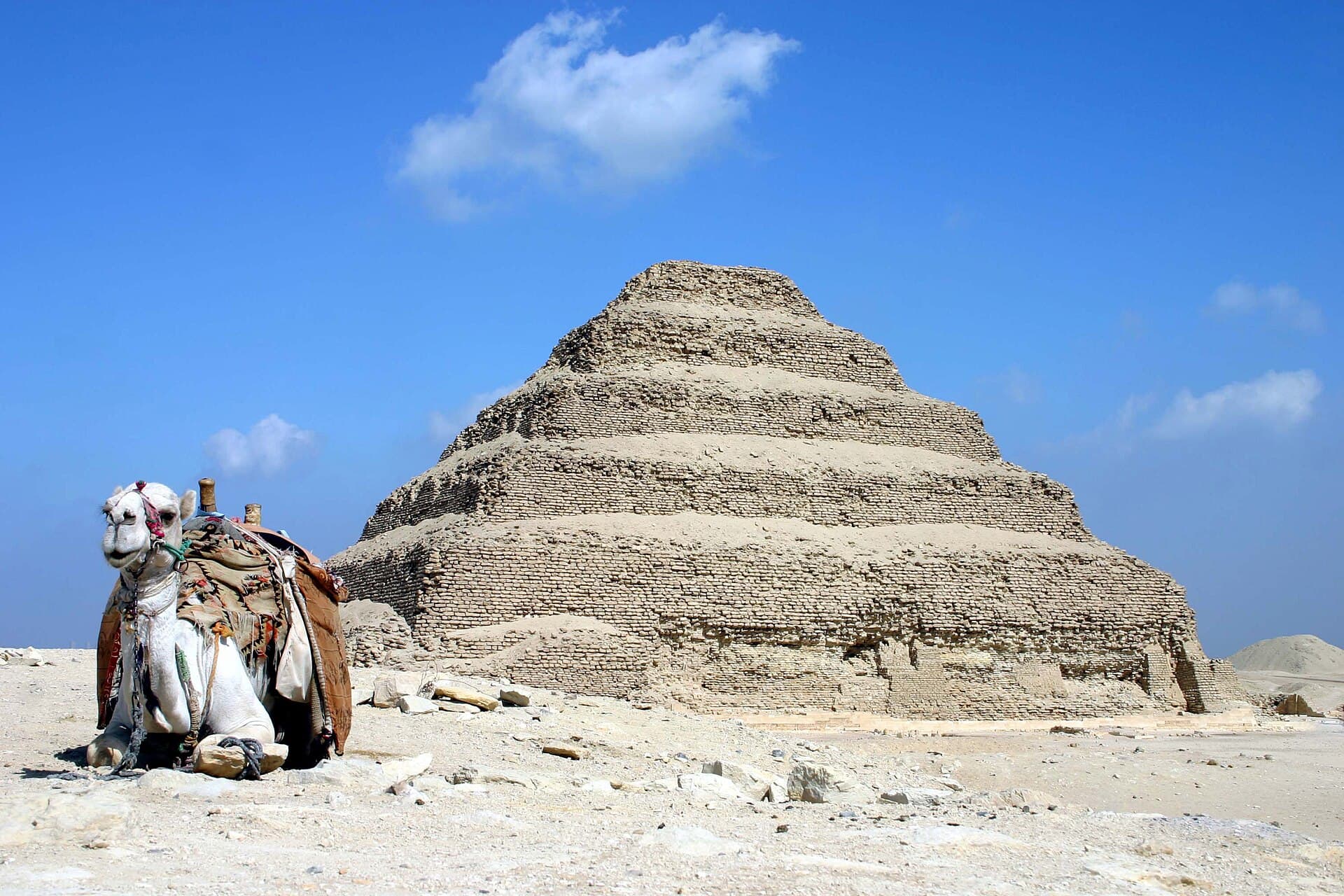
Saqqara funciona como un museo al aire libre, presentando una diversa colección de monumentos antiguos. La Pirámide Escalonada de Djoser se erige como el punto focal innegable, siendo la primera pirámide del mundo y un testimonio de la brillantez arquitectónica antigua. Los visitantes ahora pueden entrar en su interior, descendiendo al pozo funerario para observar el enorme sarcófago de granito.
Cerca, la Pirámide de Unas es un sitio fascinante por sus Textos de las Pirámides exquisitamente conservados, los escritos religiosos más antiguos descubiertos dentro de una pirámide. La Pirámide de Teti, aunque exteriormente erosionada, también alberga impresionantes Textos de las Pirámides. Explore el Serapeum, un cautivador complejo subterráneo donde los sagrados Toros Apis fueron sepultados en colosales sarcófagos. Se recomienda una linterna potente para apreciar plenamente la precisión de la mampostería.
Más allá de las pirámides principales, numerosas tumbas Mastaba de nobles del Reino Antiguo exhiben vívidos relieves que representan la vida cotidiana en el antiguo Egipto. Ejemplos notables incluyen la Tumba de Mereruka y la Mastaba de Ti, reconocidas por sus detallados relieves policromados. Para contextualizar y descansar del sol, visite el Museo Imhotep, que exhibe artefactos del sitio y ofrece información sobre el genio de Imhotep. Las excavaciones recientes continúan revelando nuevos tesoros, incluidas tumbas intactas y talleres de momificación, haciendo que cada visita sea potencialmente única.
El momento ideal para experimentar Saqqara es durante los meses más frescos, de octubre a abril. En este período, las temperaturas diurnas son suaves y agradables, oscilando entre 15-25°C (59-77°F), creando condiciones perfectas para explorar los sitios al aire libre. Se aconseja encarecidamente visitar temprano por la mañana (8-11 a.m.) para evitar el calor del mediodía y las mayores aglomeraciones que suelen llegar alrededor de las 10:30 a.m. Los días de semana suelen ser más tranquilos que los fines de semana. Evite los meses de verano (mayo-septiembre) cuando las temperaturas pueden superar los 40°C (104°F), haciendo que la exploración sea incómoda. Puede haber horarios de apertura reducidos durante el Ramadán.
Saqqara está situada aproximadamente a 30 kilómetros al suroeste de El Cairo y se llega mejor en coche privado, taxi o como parte de un tour organizado. No se recomiendan los autobuses públicos a menos que hable árabe con fluidez. El sitio está abierto todos los días, generalmente de 8:00 AM a 5:00 PM, aunque los horarios pueden variar según la temporada.
A partir de 2026, el Ministerio de Turismo y Antigüedades de Egipto emplea un sistema de pago solo con tarjeta en la taquilla principal; no se acepta efectivo. Un boleto de admisión general cubre el área principal y el Museo Imhotep. Se necesitan boletos separados para entrar a la Pirámide Escalonada y al Serapeum. Planifique una visita de medio día a día completo (3-5 horas) para explorar adecuadamente las principales atracciones. Use zapatos cómodos para caminar, protección solar y lleve abundante agua, ya que las instalaciones son limitadas y gran parte del sitio está expuesto. La fotografía con flash generalmente está prohibida dentro de las tumbas y el museo. Se recomienda encarecidamente contratar un guía local experto para proporcionar contexto histórico e interpretar los intrincados grabados.
Saqqara en coreano, en chino o en hebreo — y 29 idiomas más, cada parada narrada por una voz nativa. La mayor variedad de idiomas de cualquier audioguía autoguiada.
Disponible en: