Sololá's Central Plaza
On market days, the main plaza transforms into a kaleidoscope of textiles and traditions.
Full story unlocks in the tour
 Geoff Gallice from Gainesville, FL, USA / CC BY 2.0, via Wikimedia Commons
Self-guided audio walking tour of Sololá — GPS route, offline playback, story-driven narration in 32 languages.
“Where the Kaqchikel heartbeat echoes above Lake Atitlán.”
Not the postcards. The stories even locals don't know — whispered in your ear, right where they happened.
On market days, the main plaza transforms into a kaleidoscope of textiles and traditions.
Even in remembrance, Sololá expresses itself in vivid hues.
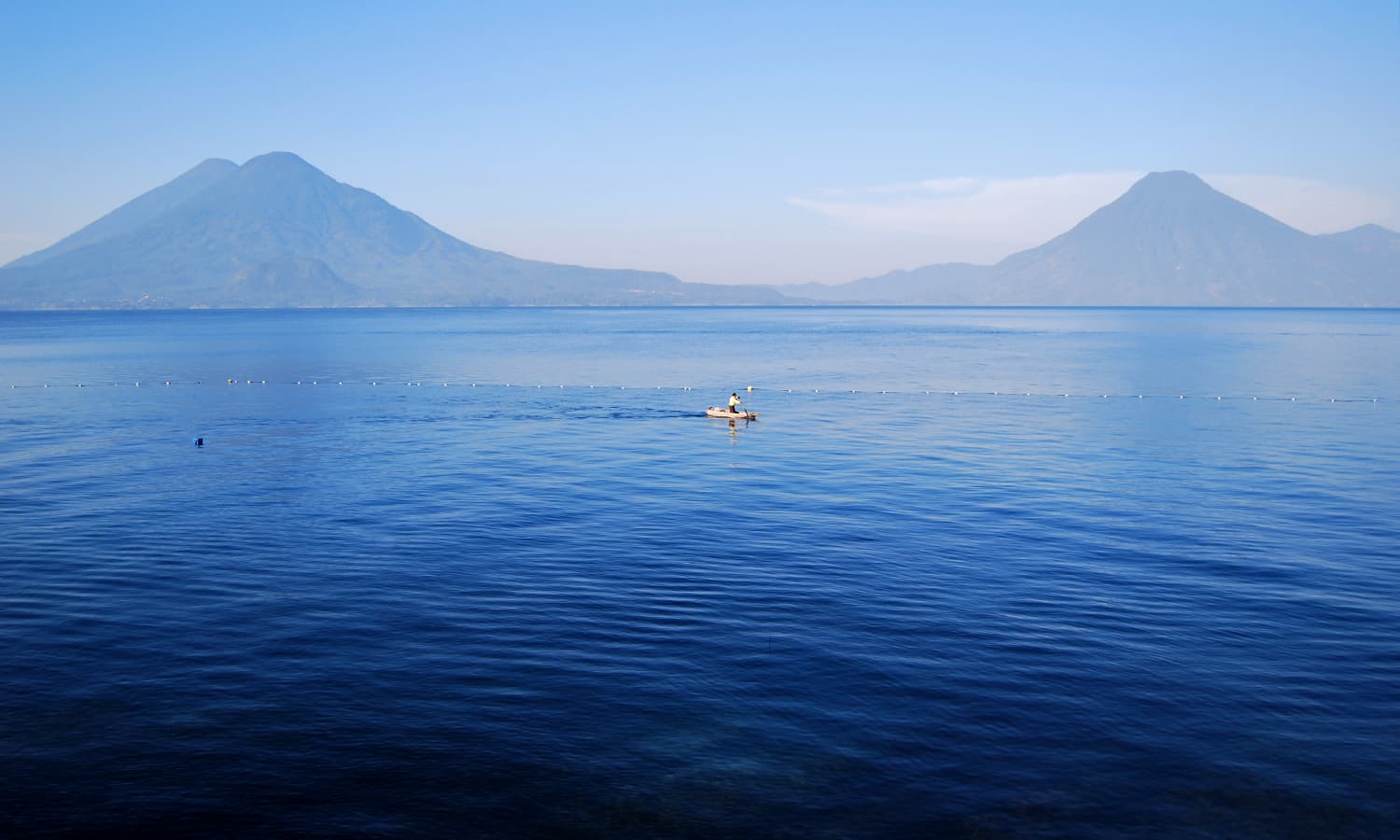
A short hike can reveal a perspective of Lake Atitlán that feels both ancient and awe-inspiring.
Discover every secret of Sololá
Every address, every reveal in full — in your ear, right where it happened.
You pick your stops. You walk. The voice reveals what the others miss.


Your self-guided audio tour of Sololá is ready — pick your landmarks, choose your language, and start the moment you arrive.
BuyLume has a built-in augmented-reality guide. Hold your phone up and its camera shows the street ahead of you, with a glowing arrow laid over the real view that always points to your next stop — no map to puzzle over, no wrong turns. Like everything in Lume, it works fully offline.
Sololá, a city positioned at an elevation of 2,114 meters (about 6,936 feet) above Lake Atitlán, serves as the capital of its department and a central cultural point in Guatemala's Western Highlands. This city provides a window into the enduring customs of the Kaqchikel Maya people, who comprise the majority of its population. Sololá is not merely a stopping point but a destination where the rhythm of daily life is deeply intertwined with indigenous heritage, making it a compelling experience for those seeking an authentic encounter with Guatemalan culture.
The city's elevated location provides cooler, thinner air compared to the lakeside towns below, and its position affords expansive views of Lake Atitlán and the surrounding volcanic peaks. While many travelers use Sololá as a gateway to the more frequented lakeside villages, the city itself holds a distinct appeal, particularly evident in its bustling market days and the prevalence of traditional Mayan clothing worn by its residents.
The name Sololá is a Hispanicized form of its pre-Columbian name, Tz'olojya, which in the Kaqchikel Maya language means "place of the hollow reeds," likely referencing the reeds found near Lake Atitlán. The city was founded in 1547 under the Spanish as Asunción de Nuestra Señora, also known as Tecpán Atitlán, consolidating people from an older settlement. The original cathedral was built in 1541.
Sololá was established as one of the original departments of the new Republic of Guatemala on October 11, 1825. It briefly formed part of the short-lived Estado de Los Altos, a highland breakaway state, between 1838 and 1840. The department's modern boundaries were solidified in 1877 when it was administratively separated from Suchitepéquez.
Throughout its history, Sololá has maintained a strong indigenous identity. Today, it remains a center for the Kaqchikel Maya, with a significant K'iche' Maya population in areas like Argueta. The city is notable for being one of the few places in Guatemala where parallel indigenous and Ladino governments coexist, reflecting the deep-rooted Mayan life and governance structures that predate Spanish arrival. The traditional clothing worn by a large percentage of both men and women continues to be a visible testament to this enduring cultural heritage.
Sololá offers a profound cultural experience, particularly centered around its lively market and sweeping views. The Mercado Municipal de Sololá is a focal point, especially on Tuesdays and Fridays, when it expands to include the wholesale Mercado de Mayoreo. Here, vendors from across the department and neighboring regions gather, creating a lively spectacle of commerce and tradition. You'll find a wide array of goods, including handwoven textiles with distinct patterns from various villages, fresh produce, medicinal plants, and traditional foods. Observing the Kaqchikel Maya people in their traditional dress, with women in huipiles and men in embroidered trousers and distinctive hats, is a highlight of the market experience.
For expansive vistas of Lake Atitlán and its surrounding volcanoes—San Pedro, Atitlán, and Tolimán—several viewpoints are accessible. The Mirador de Sololá (also known as Mirador Kaqasiiwaan or Mirador Roxo) provides sweeping panoramic views of the lake from 2,113 meters (6,932 feet) above sea level. Another option is the Mirador Ixchel in Santa Lucía Utatlán, which also offers impressive views of Lake Atitlán. Beyond the market and viewpoints, exploring the city's colonial architecture, such as the Torre Centroamericana, and witnessing the colorful hillside cemetery, where graves are painted in bright hues, provide further insight into Sololá's unique character.
The ideal time to visit Sololá for outdoor activities is during the dry season, from late February to late April, with a peak in the last week of March. This period offers clear, rainless days and comfortable temperatures between 65°F and 80°F. The dry season in Guatemala generally runs from November to April, characterized by clear skies and mild temperatures, making it suitable for exploring outdoor attractions. Market days in Sololá are Tuesdays and Fridays, when the city is most active. Visiting early morning on these days is recommended for maximum activity and cooler temperatures.
Sololá is situated approximately 135 kilometers (about 85 miles) from Guatemala City. The city rests at an elevation of 2,114 meters (about 6,936 feet), which means the air is cooler and thinner than at lower elevations. While Spanish is the official language of Guatemala, Kaqchikel Maya is widely spoken in Sololá, with K'iche' also common among traders. Learning a few basic phrases in Kaqchikel or Spanish can enhance your experience. The local currency is the Guatemalan Quetzal (GTQ). Public buses, often referred to as "chicken buses," and private shuttles are frequent, especially from Panajachel, a journey of about 30 minutes. Taxis are also available for a more direct, though pricier, option. While Sololá is generally safe for visitors, exercising standard travel precautions is always advisable.
Sololá in Korean, in Chinese or in Hebrew — and 29 more languages, every stop narrated by a native voice. The widest language range of any self-guided audio tour.
Available in: