Pont de fer de Boon Soong
Ce pont de fer d'apparence modeste révèle un secret sur l'ingéniosité industrielle de Takua Pa.
L'histoire complète se débloque dans le tour
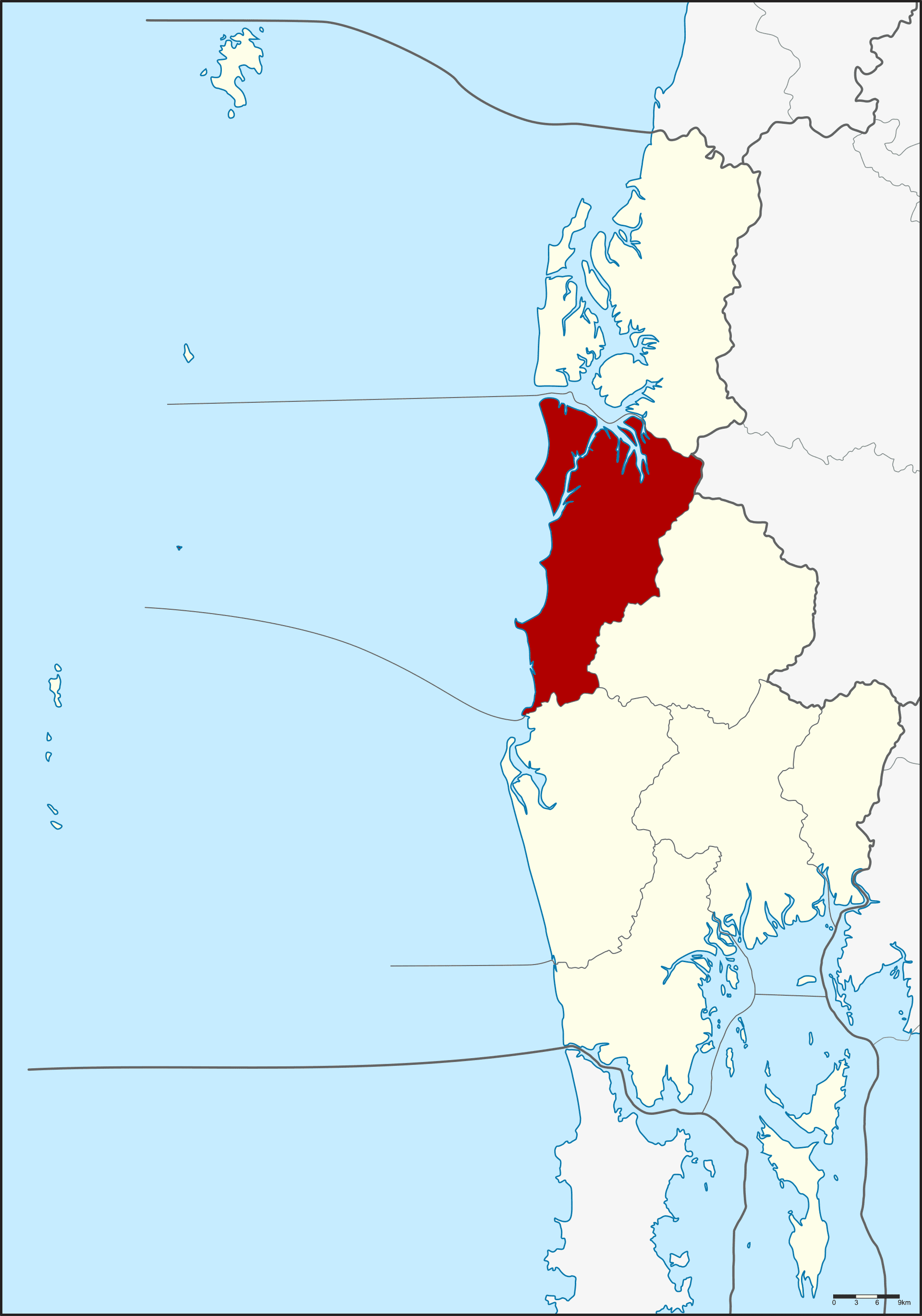 Hdamm based on Amphoe Phang Nga.svg / CC BY-SA 4.0, via Wikimedia Commons
Visite audio autoguidée de Takua Pa — parcours GPS à pied, lecture hors ligne, narration en 32 langues.
“Là où les routes commerciales ancestrales et les fortunes de l'étain ont forgé une âme thaï-chinoise unique.”
Pas les cartes postales. Les histoires que même les habitants ignorent — soufflées à l'oreille, là où elles se sont passées.
Ce pont de fer d'apparence modeste révèle un secret sur l'ingéniosité industrielle de Takua Pa.
Une demeure sino-portugaise particulière de la vieille ville de Takua Pa arborait autrefois une caractéristique architecturale distinctive, aujourd'hui disparue.
Le nom même de la ville fait allusion à deux époques et ressources historiques distinctes.
Découvrez tous les secrets de Takua Pa
Chaque adresse, chaque révélation en entier — dans ton oreille, là où elle s'est passée.
Tu choisis tes lieux. Tu marches. La voix te révèle ce que les autres ignorent.

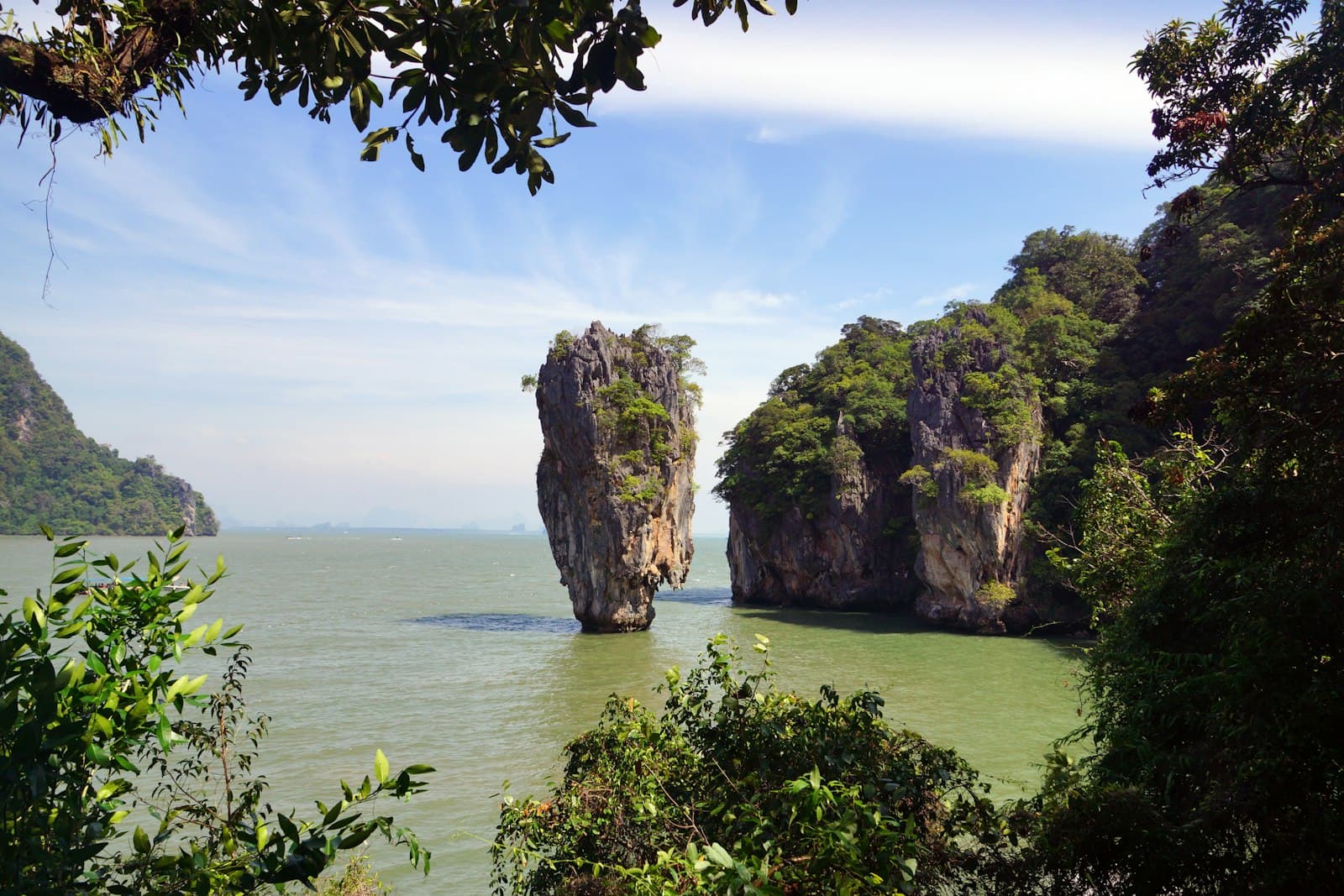

Votre visite audioguidée de Takua Pa vous attend — choisissez vos lieux, votre langue, et lancez-vous dès votre arrivée.
AcheterLume intègre un guide en réalité augmentée. Levez votre téléphone : sa caméra montre la rue devant vous, avec une flèche lumineuse posée sur l'image réelle qui pointe toujours vers votre prochain arrêt — aucune carte à déchiffrer, aucun mauvais virage. Comme tout dans Lume, ça fonctionne entièrement hors-ligne.
Takua Pa, un district de la province de Phang Nga en Thaïlande, offre un voyage captivant dans un passé riche en commerce international et en exploitation minière de l'étain. Située à environ 60 kilomètres au nord de la ville de Phang Nga et à environ 120 kilomètres au nord de Phuket, cette charmante destination se distingue par un mélange unique de patrimoine culturel et de beauté naturelle sereine. Loin des centres touristiques plus animés, Takua Pa offre un aperçu authentique de la vie du sud de la Thaïlande, où l'histoire n'est pas seulement préservée dans les musées, mais gravée dans le tissu même de sa vieille ville et les histoires de ses habitants.
Ancien port pivot et centre florissant d'extraction d'étain pendant des siècles, Takua Pa a attiré des commerçants et des immigrants du monde entier, notamment des Grecs, des Arabes, des Perses et une importante population chinoise de Penang. Cet afflux diversifié a façonné son architecture sino-portugaise distinctive, ses traditions culinaires et ses coutumes locales animées. Aujourd'hui, les visiteurs peuvent se promener dans les rues bordées d'échoppes magnifiquement restaurées, explorer les marchés traditionnels et découvrir les échos d'un passé cosmopolite qui a jadis fait de Takua Pa l'une des villes les plus importantes du sud de la Thaïlande.
## D'ancien port à empire de l'étain Les origines de Takua Pa remontent au XIIIe siècle, lorsqu'elle était connue sous le nom de 'Takola' (ou 'Takkolam' en tamoul), une ville portuaire importante qui facilitait le commerce entre le royaume de Srivijaya et les premiers royaumes tamouls. Sa situation stratégique sur la côte d'Andaman en a fait un raccourci crucial pour le transport de marchandises à travers la péninsule malaise jusqu'au golfe de Thaïlande, attirant un large éventail de commerçants étrangers, y compris des colons chinois, indiens et arabes. La prospérité initiale de la ville était liée aux épices, en particulier la cardamome, qui serait à l'origine de son ancien nom, 'Tok Klo'.
À la fin du XIXe siècle, Takua Pa a connu un essor monumental avec la découverte et l'exploitation d'abondants gisements d'étain. L'industrie minière de l'étain a transformé la région en un centre économique animé, attirant encore plus d'immigrants chinois, ainsi que des commerçants néerlandais, portugais et britanniques. Des entreprises anglaises et australiennes ont établi d'importantes opérations de dragage d'étain, et l'infrastructure de la ville, y compris les routes, les ports et les entrepôts, s'est rapidement développée pour soutenir l'industrie florissante. L'afflux de migrants chinois, en particulier, a laissé une marque indélébile sur la culture de Takua Pa, évidente dans son architecture, sa cuisine et ses traditions locales.
Cependant, l'âge d'or de l'exploitation minière de l'étain a commencé à décliner dans les années 1960 à mesure que les prix mondiaux de l'étain chutaient, entraînant un déclin de l'industrie. En 1932, en raison de facteurs économiques et politiques, Takua Pa a été rétrogradée de province et fusionnée avec la province de Phang Nga. Le gouvernement thaïlandais a finalement interdit complètement l'exploitation minière en 1993 en raison de préoccupations environnementales. Malgré ce changement, l'héritage de son passé reste une caractéristique déterminante de Takua Pa, de nombreuses anciennes zones minières étant désormais réaffectées à des plantations de palmiers et d'hévéas. Aujourd'hui, la ville a embrassé sa longue histoire, se tournant vers le tourisme et offrant aux visiteurs une fenêtre unique sur son passé multiculturel.
Commencez votre exploration dans la vieille ville de Takua Pa, où les bâtiments commerciaux et résidentiels sino-portugais bordent les rues étroites, beaucoup étant toujours la propriété de familles qui y vivent depuis des générations. Cherchez le bâtiment Khun Intra, un exemple notable de ce style architectural. Promenez-vous dans le quartier de Talad Yai (grand marché), où vous trouverez des boutiques comme 'Thai Watana Shop' et 'Hua Long Shop', un atelier de réparation de montres anciennes, aux côtés de sanctuaires chinois tels que le sanctuaire de Guan Yu et le sanctuaire de l'Association Hokkien.
Ne manquez pas le pont de fer de Boon Soong, un monument historique qui symbolise l'héritage minier d'étain de la ville. Pour une plongée plus profonde dans le passé de la région, visitez le musée du tsunami de Ban Nam Khem, qui offre un regard poignant sur le tsunami de 2004 et la résilience de la communauté. Les amoureux de la nature devraient s'embarquer pour une sereine excursion en bateau à travers la forêt de mangroves de la 'Petite Amazonie', où vous pourrez observer une faune diverse et admirer d'anciens banians.
Takua Pa offre également une scène de temples animée, reflétant son riche mélange culturel de sanctuaires chinois et de temples bouddhistes thaïlandais. Cherchez l'école Tao Ming, un témoignage de l'influence chinoise durable. Si votre visite a lieu un dimanche entre novembre et mai, la rue piétonne de Sri Takua Pa Road se transforme en un marché animé avec de la nourriture locale, de l'artisanat et de l'art de rue.
La meilleure période pour visiter Takua Pa est pendant la saison sèche, qui s'étend de novembre à avril. Pendant ces mois, le temps est agréable avec des températures plus fraîches (moyenne de 23°C à 33°C) et une humidité plus faible, ce qui est idéal pour explorer la ville et profiter des activités de plein air. Janvier est souvent considéré comme le mois le plus clair. La rue piétonne du dimanche dans la vieille ville de Takua Pa fonctionne de novembre à mai.
Takua Pa est à environ deux heures de route de l'aéroport international de Phuket (HKT), qui est l'aéroport le plus proche. Vous pouvez vous rendre à Takua Pa en taxi ou en bus depuis Phuket. Les bus locaux de la gare routière de Phuket 2 à Takua Pa circulent toutes les quatre heures et coûtent environ 90 THB. Si vous venez de Khao Lak, un taxi pour la vieille ville de Takua Pa coûte environ 500 THB. À Takua Pa, les transports locaux impliquent principalement des songthaews et des taxis-motos. Lors de la visite des temples, n'oubliez pas de vous habiller modestement et d'enlever vos chaussures avant d'entrer. La monnaie locale est le baht thaïlandais (THB), et bien que les cartes de crédit soient acceptées dans les grands établissements, il est conseillé d'avoir de l'argent liquide pour les petits magasins et les marchés.
Takua Pa en coréen, en chinois ou en hébreu — et dans 29 autres langues, chaque étape narrée par une voix native. La plus large gamme de langues de tous les audioguides autoguidés.
Disponible en :