The Tejona Wind Farm
Tilarán is known as the 'City of Eternal Winds,' and for good reason. But did you know this constant breeze powers more than just kitesurfers?
Full story unlocks in the tour
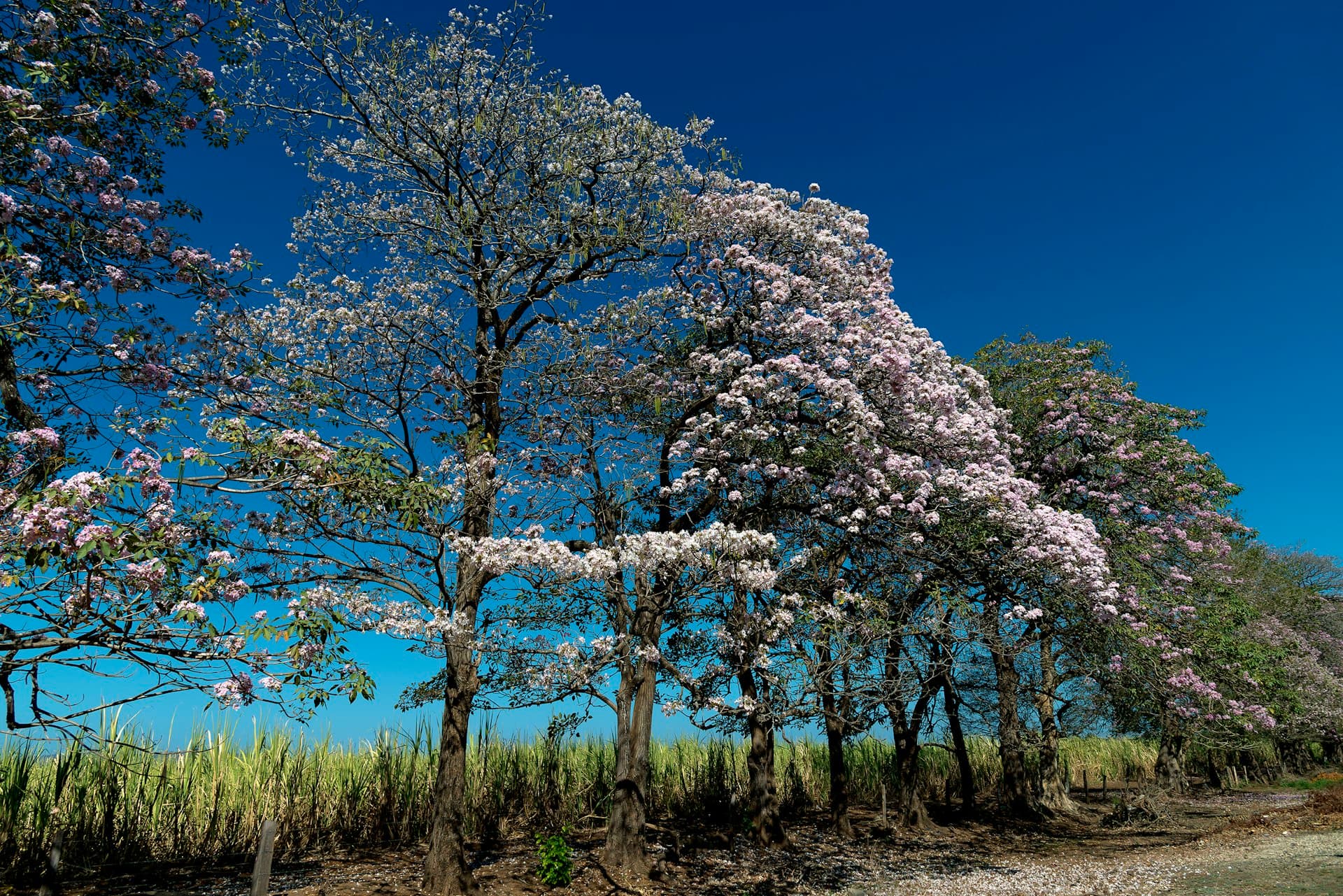 Photo of Liberia, via Wikimedia Commons
Self-guided audio walking tour of Tilarán — GPS route, offline playback, story-driven narration in 32 languages.
“Where the constant breeze shapes both the land and the spirit of its people.”
Not the postcards. The stories even locals don't know — whispered in your ear, right where they happened.
Tilarán is known as the 'City of Eternal Winds,' and for good reason. But did you know this constant breeze powers more than just kitesurfers?
Lake Arenal is a hub for watersports and offers expansive views, but its current form is relatively new.
Long before Tilarán was a lively town, a small community thrived by a different, smaller Lake Arenal.
Discover every secret of Tilarán
Every address, every reveal in full — in your ear, right where it happened.
You pick your stops. You walk. The voice reveals what the others miss.


Your self-guided audio tour of Tilarán is ready — pick your landmarks, choose your language, and start the moment you arrive.
BuyLume has a built-in augmented-reality guide. Hold your phone up and its camera shows the street ahead of you, with a glowing arrow laid over the real view that always points to your next stop — no map to puzzle over, no wrong turns. Like everything in Lume, it works fully offline.
Tilarán, a welcoming town in the Guanacaste province of Costa Rica, offers a blend of natural splendor, adventure, and local hospitality. Positioned in the hills overlooking the western shore of Lake Arenal, it serves as a gateway to the region's diverse landscapes, from volcanic expanses to verdant cloud forests.
Known for its comfortable climate, Tilarán rests at an elevation of approximately 500 meters (1,640 feet) above sea level, providing cooler temperatures than the coastal areas. The town's clean, wide, and peaceful streets invite leisurely exploration, and its friendly residents embody the 'Pura Vida' lifestyle. Tilarán is a destination for travelers seeking an authentic Costa Rican experience away from more crowded tourist centers.
The history of Tilarán stretches back centuries, with indigenous traditions forming its earliest roots. Archaeological evidence in Tronadora Vieja, within the Cordillera de Tilarán, points to a small, nucleated village existing nearly 4,000 years ago, making it the oldest known such settlement in Costa Rica. This early community cooked maize in large clay pots with subtle decorations, living near a smaller, ancient Lake Arenal.
Following the arrival of colonizers, Tilarán began to take on a new identity. The region developed into a significant agricultural zone, with coffee, macadamia, and peanuts becoming important crops. Cattle and horse ranching also became, and remain, a prevalent and important part of the local economy.
Tilarán was officially established as a canton on August 21, 1923. Educational infrastructure began to develop, with the first small school built in 1910, and a larger building constructed in 1927 to accommodate a growing student body. The town's religious center, the Catedral de San Antonio de Padua, was erected as a parish in 1931, and the Diocese of Tilarán was established in 1961.
A pivotal moment in the region's modern history was the expansion of Lake Arenal in 1979 for a hydroelectric project. This transformed the landscape, creating the largest inland body of water in Costa Rica and significantly impacting the local environment and economy. Today, Tilarán is also recognized for its contribution to renewable energy, with numerous wind farms and hydroelectric plants in the area generating a substantial portion of Costa Rica's electricity.
Tilarán offers a variety of attractions that highlight its natural splendor and local culture. The Catedral de San Antonio de Padua stands as the largest church in Guanacaste, showcasing beautiful architecture and a serene atmosphere. For outdoor enthusiasts, the proximity to Lake Arenal (just 4 km away) makes it a prime location for water sports such as windsurfing and kitesurfing, especially from November to April when strong winds are common.
Hiking opportunities abound, with trails leading to hilltops that provide expansive views of Tilarán, Lake Arenal, and a chain of volcanoes including Tenorio and Rincon de la Vieja. A short drive from town, Viento Fresco Waterfall offers a family-friendly experience with lush forests, cascades, and ancient indigenous petroglyphs. The Corobicí River provides a more relaxed adventure with floating tours, ideal for spotting wildlife like birds and monkeys. The area is also known for its prominent wind farms, with turbines visible across the landscape between Tilarán and Tejona. For those interested in local art, Leona's Art Studio offers a unique artistic flair, and even rooms for rent.
Tilarán experiences a stable climate with comfortable temperatures year-round, generally hovering around 24°C (75°F). The driest months are from December to April, offering minimal rainfall and abundant sunshine, which is ideal for outdoor activities. The windier part of the year, perfect for windsurfing and kitesurfing on Lake Arenal, lasts from November to April. The green season, from May to November, typically features sunny mornings followed by afternoon showers, offering lush landscapes and often lower hotel prices. For budget travelers, June to August may offer lower hotel prices.
Tilarán, while a smaller town, provides essential conveniences for a comfortable visit. It's easily accessible, located along the Pan-American Highway, about an hour's drive from Liberia International Airport (LIR). The town offers a range of accommodations, from budget-friendly hostels to family-run hotels, many staffed by friendly locals. Dining options include traditional Costa Rican dishes like casado, as well as international cuisine. Supermarkets and pharmacies are readily available. While Tilarán's streets are peaceful and walkable, car rentals are recommended for day trips, especially for exploring the rugged terrains around Lake Arenal. Local tour operators can also arrange personalized tours and transfers. The town's elevation keeps temperatures comfortable, generally around 75ºF (24ºC).
Tilarán in Korean, in Chinese or in Hebrew — and 29 more languages, every stop narrated by a native voice. The widest language range of any self-guided audio tour.
Available in: