The Baumgarten Bridge
A bridge in Werder once became a symbol of a construction disaster, far worse than a modern spa project's woes.
Full story unlocks in the tour
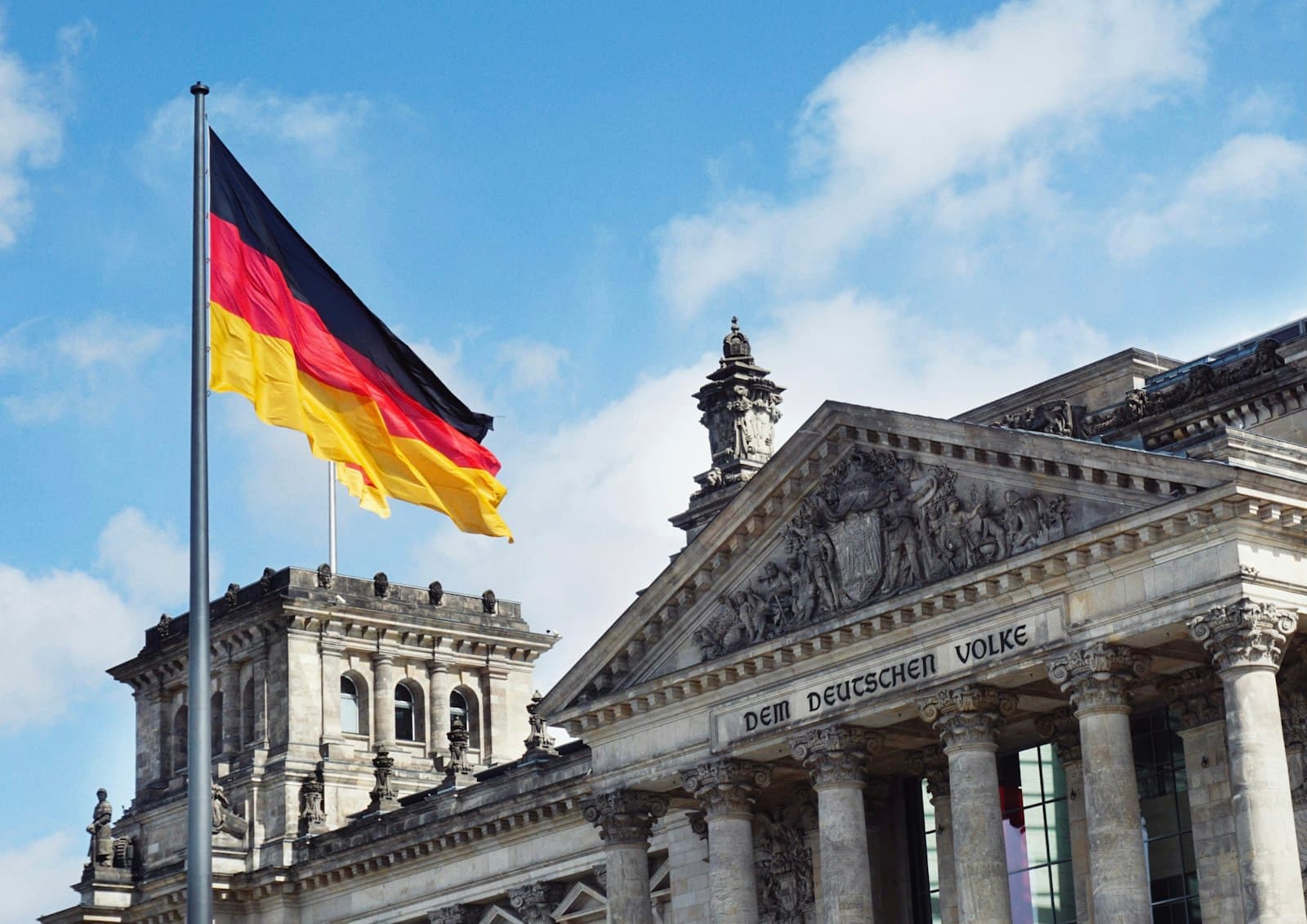 Photo: Maheshkumar Painam / Unsplash
Self-guided audio walking tour of Werder — GPS route, offline playback, story-driven narration in 32 languages.
“Where the Havel River cradles an island of blossoms and fruit wine.”
Not the postcards. The stories even locals don't know — whispered in your ear, right where they happened.
A bridge in Werder once became a symbol of a construction disaster, far worse than a modern spa project's woes.
The fruit-growing region around Werder is vast, but its produce once faced an unusual journey to market.
Werder's famous Blossom Festival has a history of attracting massive crowds, even during wartime.
Discover every secret of Werder
Every address, every reveal in full — in your ear, right where it happened.
You pick your stops. You walk. The voice reveals what the others miss.


Your self-guided audio tour of Werder is ready — pick your landmarks, choose your language, and start the moment you arrive.
BuyLume has a built-in augmented-reality guide. Hold your phone up and its camera shows the street ahead of you, with a glowing arrow laid over the real view that always points to your next stop — no map to puzzle over, no wrong turns. Like everything in Lume, it works fully offline.
Werder (Havel) is a captivating town in Brandenburg, Germany, often called "Brandenburg's Little Venice" due to its historic old town, situated on an island in the Havel River. This scenic setting, embraced by the Havel and its interconnected lakes like Schwielowsee, Glindowsee, and Plessower See, offers a serene escape. Recognized as an Erholungsort—a designation for places with healthful air and climate—Werder provides a calm retreat for those who appreciate nature and seek a peaceful environment.
The town is celebrated for its expansive orchards, forming Brandenburg's largest continuous fruit-growing expanse. In spring, these orchards transform into a sea of white and pink blossoms, giving rise to the renowned Baumblütenfest, or Cherry Blossom Festival. This annual folk festival draws hundreds of thousands of visitors, eager to experience the blooming landscape and sample the region's distinctive fruit wines.
Beyond the seasonal festivities, Werder (Havel) offers a blend of historical sites, natural splendor, and water-based activities. The island's winding streets, carefully restored half-timbered houses, and waterfront cafés create a welcoming atmosphere. Whether exploring the protected historic Old Town, cycling along the Havel, or enjoying water sports, Werder provides a delightful experience for all who visit.
The history of Werder (Havel) stretches back centuries, with its origins potentially in an Early Medieval Slavic castle wall on its south end. The town itself, with its distinctive coin-shaped island in the Havel River, is first mentioned in a 1317 deed as "Werdere." At this time, the Brandenburg margraves' ministeriales sold estates to the monks of Lehnin Abbey. The island's name, "Werder," is a landscape term meaning "river island," accurately reflecting its geographical heart.
For centuries, Werder's economy was tied to its waters and land. Fishing and viticulture were prominent, with vineyards covering over 100 hectares in the first half of the 18th century. However, harsh winters, like the one in 1739/40 when frost lasted until June, often devastated the vines, leading to a decline in wine production by the 18th century. The last vines were frostbitten in the winter of 1955/56, though viticulture has seen a revival in recent decades.
Fruit cultivation, introduced by the Cistercian monks of Lehnin Abbey in early times, proved more resilient and became the enduring foundation of Werder's agricultural identity. Cherries, apples, and strawberries are predominantly grown, alongside raspberries, gooseberries, currants, blackberries, apricots, peaches, and pears. This rich fruit-growing tradition is the basis for Werder's most famous event, the Baumblütenfest.
The Baumblütenfest, or Tree Blossom Festival, has been a central part of Werder's identity since its inception. The idea for the festival was proposed by fruit grower Wilhelm Wils at a meeting of the Werderaner Obstbau-Verein (Fruit Growers' Association) on March 13, 1879. The aim was to publicize the peak of the fruit tree blossoms in Berlin newspapers, attracting visitors to enjoy the sight and boost local fruit growers' sales.
The first special train carrying guests arrived on May 10, 1879, marking the official birth of the festival. The event quickly grew in popularity, with local citizens increasingly participating by selling fruit wine, cakes, and coffee from their blooming gardens. While the festival continued to be celebrated, it underwent changes during the GDR era, with a significant celebration for its 100th anniversary in 1979, followed by a period where it was less extensively celebrated officially. Today, it remains one of Germany's largest folk festivals, drawing hundreds of thousands of visitors annually.
Werder has experienced significant development since German reunification in 1990, with extensive renovation and new construction projects transforming it into an attractive place to live. The town's historic center on the island, with its winding streets and restored half-timbered houses, continues to be a focal point. Landmarks like the neo-Gothic Church of the Holy Spirit and the reconstructed post windmill contribute to the town's distinctive panorama. Werder's commitment to its natural environment and cultural heritage is evident in its designation as an Erholungsort, ensuring a healthful environment for both residents and visitors.
The historic Old Town of Werder (Havel) is situated on an island in the Havel River, characterized by winding streets and restored half-timbered houses. Here, you'll discover small cafés and restaurants right on the water, alongside scenic harbors filled with sailboats and yachts. A prominent landmark is the 45-meter-high tower of the neo-Gothic Church of the Holy Spirit, which, along with the baroque stucco building of the Old Town Hall, defines the island's architectural style. You can also visit the reconstructed post windmill, a landmark that rises distinctly above the town.
Beyond the island, Werder is surrounded by expansive orchards, particularly beautiful during the spring blossom season. The Werderaner Wachtelberg is the oldest winegrowing location outside the island, where you can explore Wine Teaching Paths and learn about the Dornfelder, Regent, Saphira, and Müller-Thurgau grape varieties cultivated there. For nature enthusiasts, the Havelradweg Bridge offers wide paths for cycling and provides expansive views of Werder and the Havel. The Schwielowsee Lakeside Path is another popular spot for cycling, fishing, boating, and hiking, with beaches for swimming. Sanssouci Palace, the former summer residence of King Friedrich II, is a short drive away, offering Rococo architecture, vineyard terraces, and expansive parks.
The best time to visit Werder (Havel) depends on your interests. Spring, particularly May, is ideal for experiencing the famous Baumblütenfest (Cherry Blossom Festival), when the orchards are in full bloom. This lively festival attracts hundreds of thousands of visitors. For warm-weather activities like swimming, sailing, paddling, and cycling, the period from mid-June to early September is highly recommended, with average daily highs in July reaching 76°F (24°C). While April offers moderately chilly and breezy weather, it's still a good time to visit for events and outdoor activities.
Werder (Havel) is easily accessible by train, with direct connections via the RE1 line from Potsdam and Berlin to Werder (Havel) train station. The town is within Berlin's ABC ticket zones. For getting around, Werder is best explored on foot or by bicycle to fully appreciate its scenic beauty. The historic center is on an island, connected to the mainland by bridges.
For information on sights, events, and leisure opportunities, the Tourist Information Centre is housed in the Lindow House, a former fruit-growing farm at the foot of the "Werderaner Galgenberg" vineyard. Here, you can arrange guided tours of the town. If you plan to fish in the Havel or its surrounding lakes, a valid fishing permit and an additional ticket are generally required, though Brandenburg offers exceptions for fishing non-predatory fish with an angling card and a state fee tag.
Werder in Korean, in Chinese or in Hebrew — and 29 more languages, every stop narrated by a native voice. The widest language range of any self-guided audio tour.
Available in: