Iglesia Cristo Obrero (Christ the Worker Church)
This UNESCO-listed church, built with humble bricks, appears to defy gravity with its undulating walls and roof. Its construction method was revolutionary for its era.
Full story unlocks in the tour
 MichikoLaffitte / cc by-sa 3.0, via Wikimedia Commons
Self-guided audio walking tour of Atlántida — GPS route, offline playback, story-driven narration in 32 languages.
“Where the Río de la Plata greets the pines, and secrets drift on the breeze.”
Not the postcards. The stories even locals don't know — whispered in your ear, right where they happened.
This UNESCO-listed church, built with humble bricks, appears to defy gravity with its undulating walls and roof. Its construction method was revolutionary for its era.
Before Atlántida became the relaxed beach town it is today, it served as a glamorous resort for Montevideo's elite. One building, in particular, captured the imagination with its unusual design.
The renowned Chilean poet Pablo Neruda found a clandestine refuge in Atlántida, a place he affectionately renamed to keep his romantic escapades private.
Discover every secret of Atlántida
Every address, every reveal in full — in your ear, right where it happened.
You pick your stops. You walk. The voice reveals what the others miss.
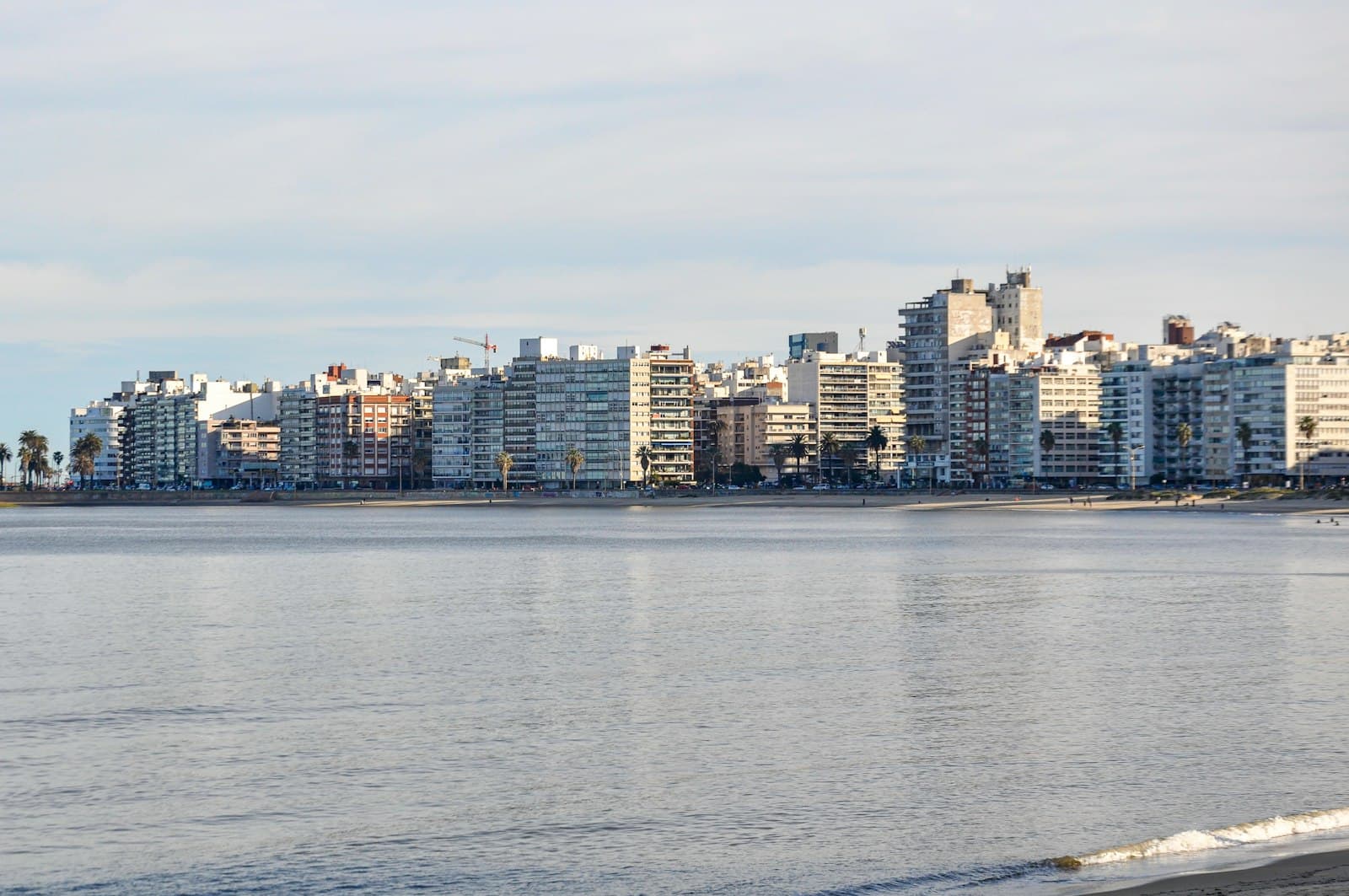
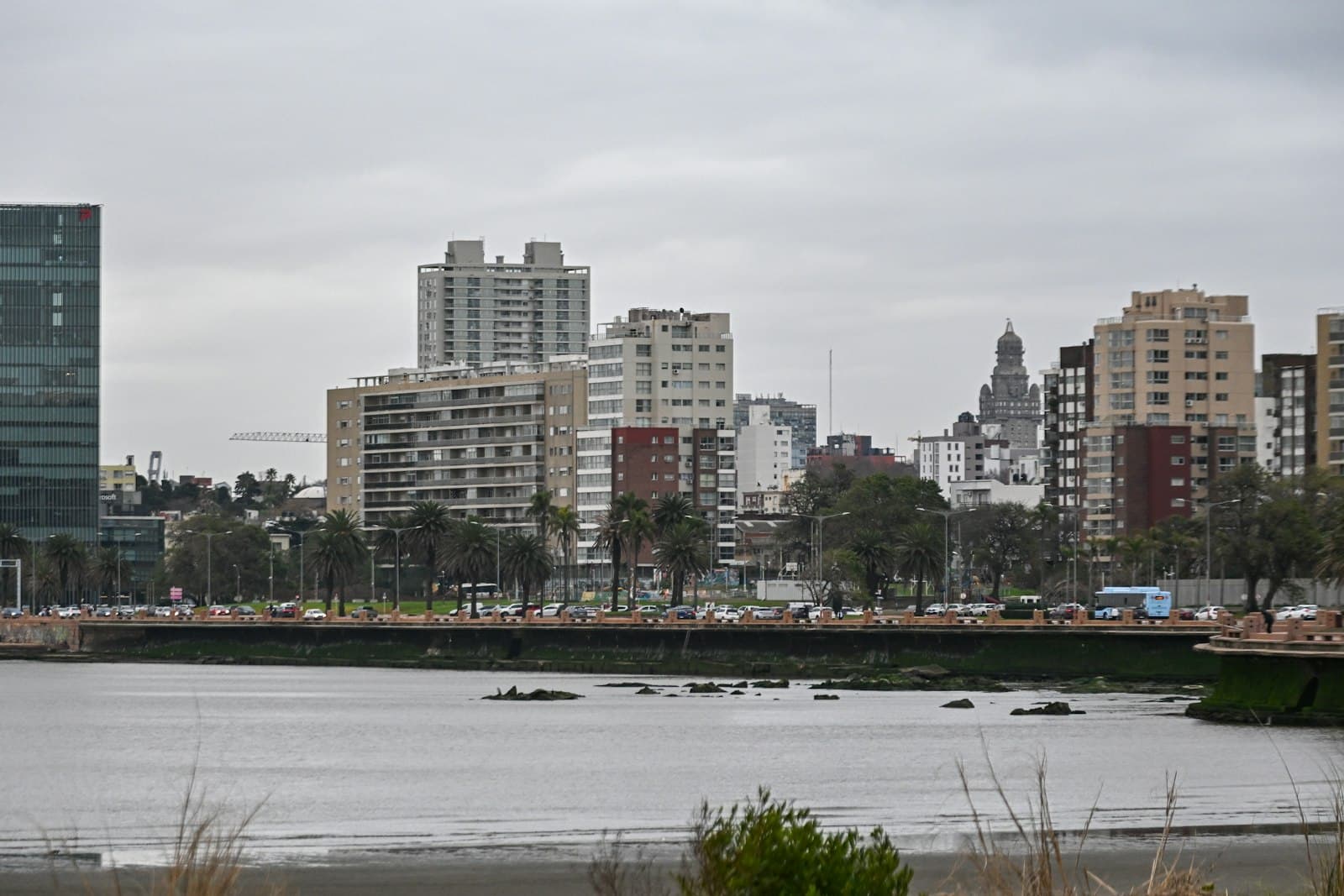
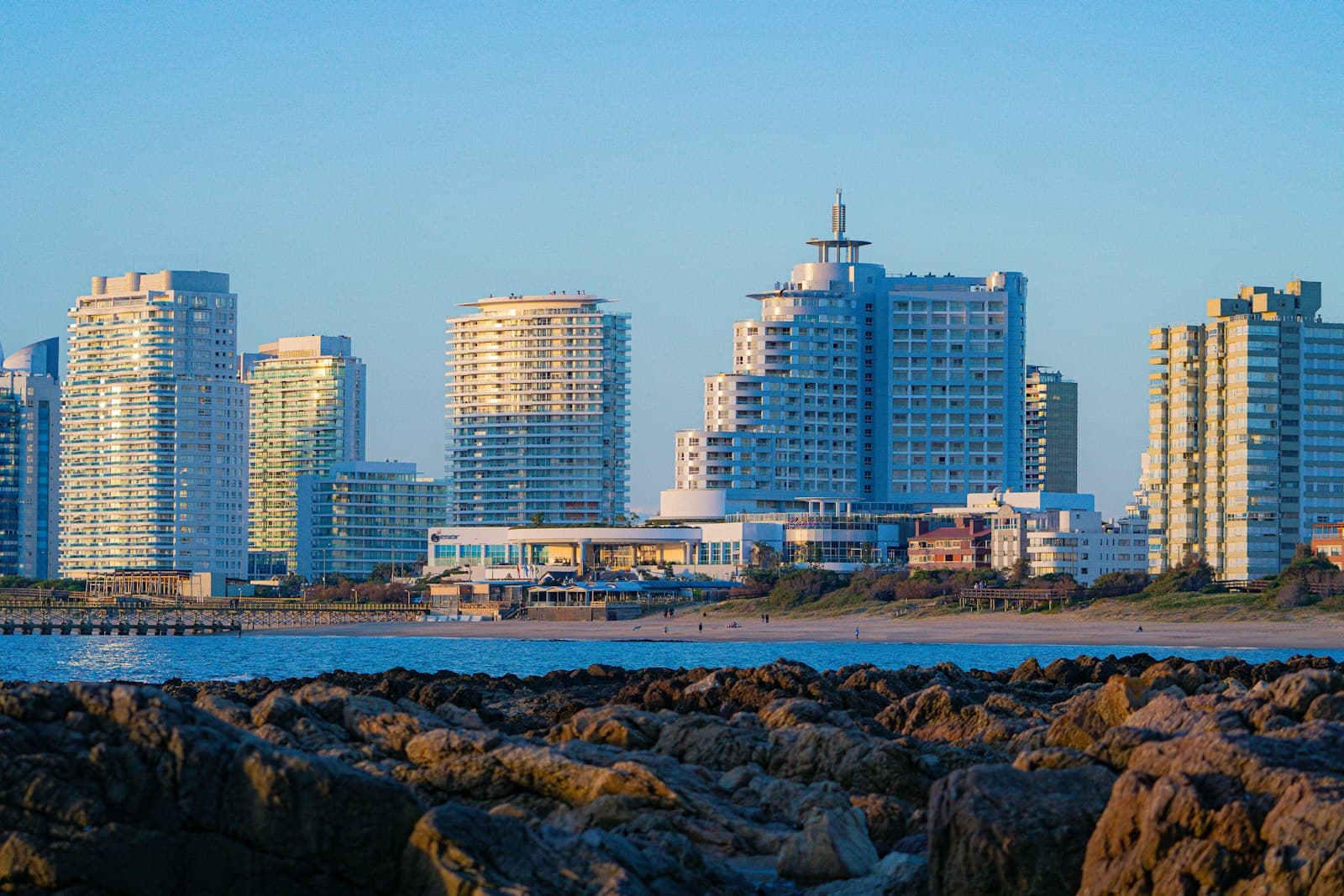
Your self-guided audio tour of Atlántida is ready — pick your landmarks, choose your language, and start the moment you arrive.
BuyAtlántida, a resort town on Uruguay's Costa de Oro, offers a blend of faded charm and natural beauty, about 45 kilometers east of Montevideo. It carries the feel of a beach resort that blossomed in the 1940s, with an architectural style leaning towards 1950s seaside modernism, often with appealingly weathered pastel paint. The town is divided by two distinct beaches: Playa Mansa to the west, known for its calmer waters and family-friendly atmosphere, and Playa Brava to the east, which draws a younger crowd with its stronger surf.
The scent of eucalyptus and pine trees, shaped by decades of Atlantic winds, permeates the air, mixing with the aroma of woodsmoke from parrilla grills in the late afternoon. While Atlántida swells with visitors during the summer months (December to February), the rest of the year offers a quieter, more contemplative experience, where the pace slows to the rhythm of flip-flops on pavement and the gentle murmur of the Río de la Plata.
Atlántida's story began in 1911 with the initial plans for a resort, and the parcelling and sale of plots commenced the following year. The first hotel, Hotel Las Toscas, was built near the beach in 1913, later adopting the name Atlántida in 1915. However, the town's significant growth didn't truly take off until 1939.
This acceleration was largely due to Natalio Michelizzi, a wealthy Italian businessman residing in Buenos Aires. Michelizzi acquired undeveloped land and invested heavily in the area's expansion, drawing inspiration from European developments. His vision helped transform Atlántida into a popular destination, particularly as European investors sought refuge from the ongoing World War II. The town quickly became a favored retreat for Montevideo's elite, a status it maintained until the mid-1950s.
In 1967, Atlántida was officially classified as a city. Today, it serves primarily as a middle-class resort, with a permanent population of over 10,000 residents and welcoming thousands of tourists annually. Its evolution from a quiet settlement to a coastal city reflects a century of development, yet it still retains the charm of its origins, with old buildings and picturesque streets telling stories of its past.
Begin your exploration at El Águila, the iconic concrete eagle head at the western end of Playa Mansa. This intriguing structure, originally a private lookout, offers a unique photo opportunity, especially in the late afternoon light. At low tide, you can even scramble up the rocks and duck inside the hollow interior.
For a dose of architectural marvel, venture inland to Estación Atlántida to visit the Iglesia Cristo Obrero. This UNESCO World Heritage site, designed by Eladio Dieste, is a masterpiece of reinforced brickwork, featuring undulating walls and a soaring, pillar-less interior that creates a profound sense of peace.
Enjoy the town's dual personality by experiencing both beaches. Playa Mansa offers calm waters ideal for families, while Playa Brava provides more robust waves for surfers. A sunset stroll along the Rambla Tomás Berreta connects these two distinct coastal experiences.
Other points of interest include the Neruda Promenade, which offers insights into the poet's life through documents and photographs, and the Atlántida Zoo, a family-friendly attraction with a variety of local and exotic animals. Do not miss the whimsical Monument to the Sun by Carlos Páez Vilaró and the unique ship-shaped former Planeta Palace Hotel.
The peak season in Atlántida runs from December through February, offering warm waters and lively, busy beaches. Expect higher accommodation rates and a bustling atmosphere along the rambla. March is often considered a sweet spot, with water still warm enough for swimming, fewer crowds, and dropping prices, alongside a softer autumn light. April and May bring cooler temperatures and quieter conditions, ideal for a contemplative visit, though many beach kiosks may be closed. The winter months, from June to September, are generally cold and gray, with many establishments shut down.
Atlántida is located approximately 45 kilometers east of Montevideo, making it easily accessible by car or bus. The Carrasco International Airport is just 30 kilometers away. The town itself is small enough to explore on foot, with most attractions within a 40-minute walk end-to-end. While credit cards are accepted in many places, it is advisable to carry some Uruguayan pesos for smaller purchases. The pace of life is generally slower, reflecting the relaxed coastal atmosphere. Public transportation is reliable and affordable, though many visitors opt to rent a car for greater convenience. Uruguayans are known for their friendliness and hospitality, and the local cuisine is often meat-based, with beef being a staple.
Atlántida in Korean, in Chinese or in Hebrew — and 29 more languages, every stop narrated by a native voice. The widest language range of any self-guided audio tour.
Available in: