Ayuntamiento de Belfast
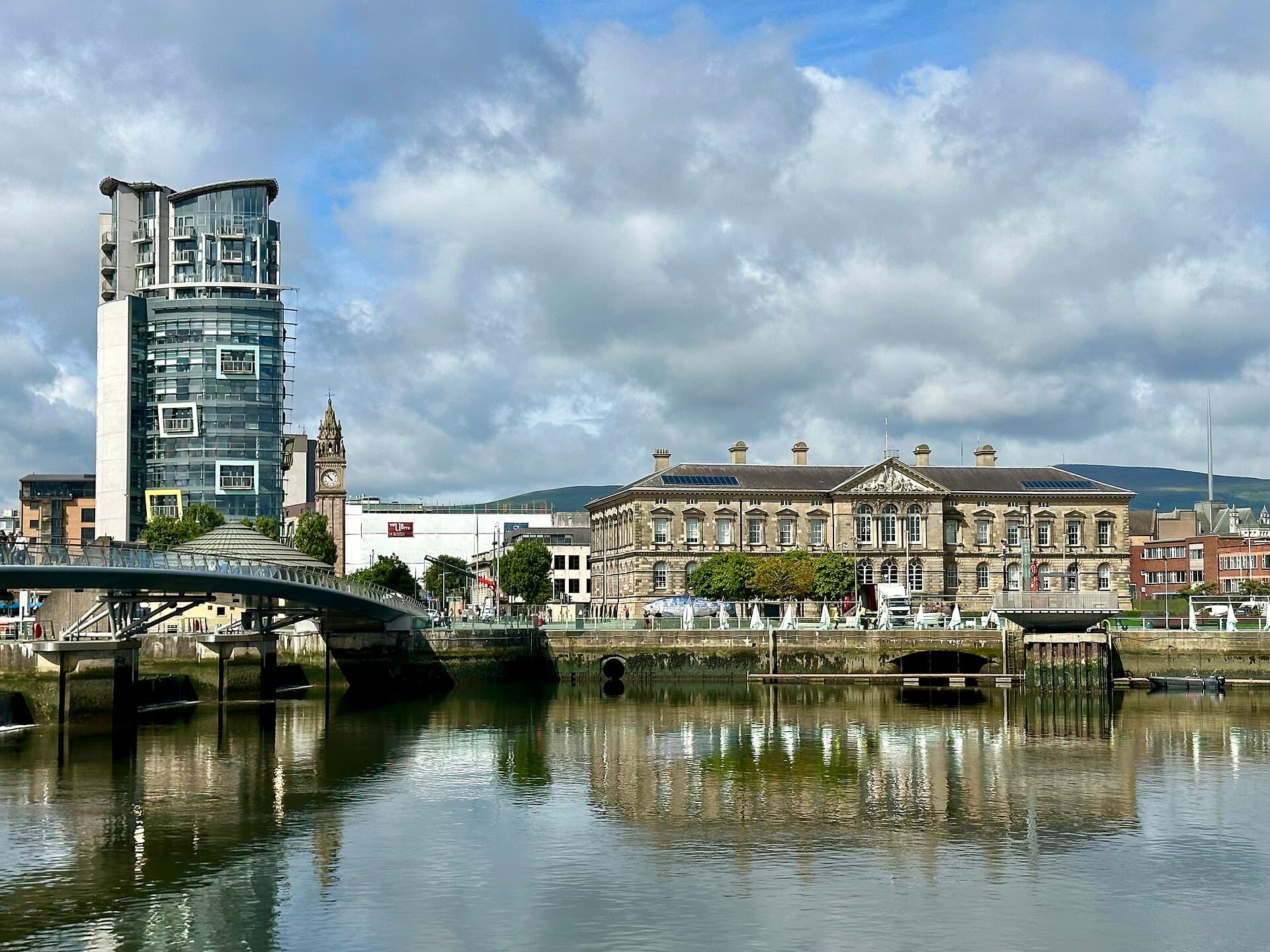
La grandiosa arquitectura barroca del Ayuntamiento de Belfast guarda una conexión secreta con la empresa marítima más famosa de la ciudad.
La historia completa se desbloquea en el tour
 Florent Abel / CC BY-SA 4.0, via Wikimedia Commons
Tour de audio autoguiado de Belfast — ruta GPS a pie, reproducción offline, narración en 32 idiomas.
“Más allá de los titulares, una ciudad de espíritu resiliente y belleza inesperada.”
No las postales. Las historias que ni los locales conocen — al oído, justo donde ocurrieron.
La grandiosa arquitectura barroca del Ayuntamiento de Belfast guarda una conexión secreta con la empresa marítima más famosa de la ciudad.
Este invernadero victoriano es una maravilla de la ingeniería, pero no es el único de su tipo construido por su pionero maestro del hierro.
Los famosos murales políticos de Belfast cuentan historias de conflicto, pero algunos también hablan de una sorprendente solidaridad global.
Descubre todos los secretos de Belfast
Cada dirección, cada revelación al completo — a tu oído, justo donde ocurrió.
Eliges tus paradas. Caminas. La voz te revela lo que los demás ignoran.
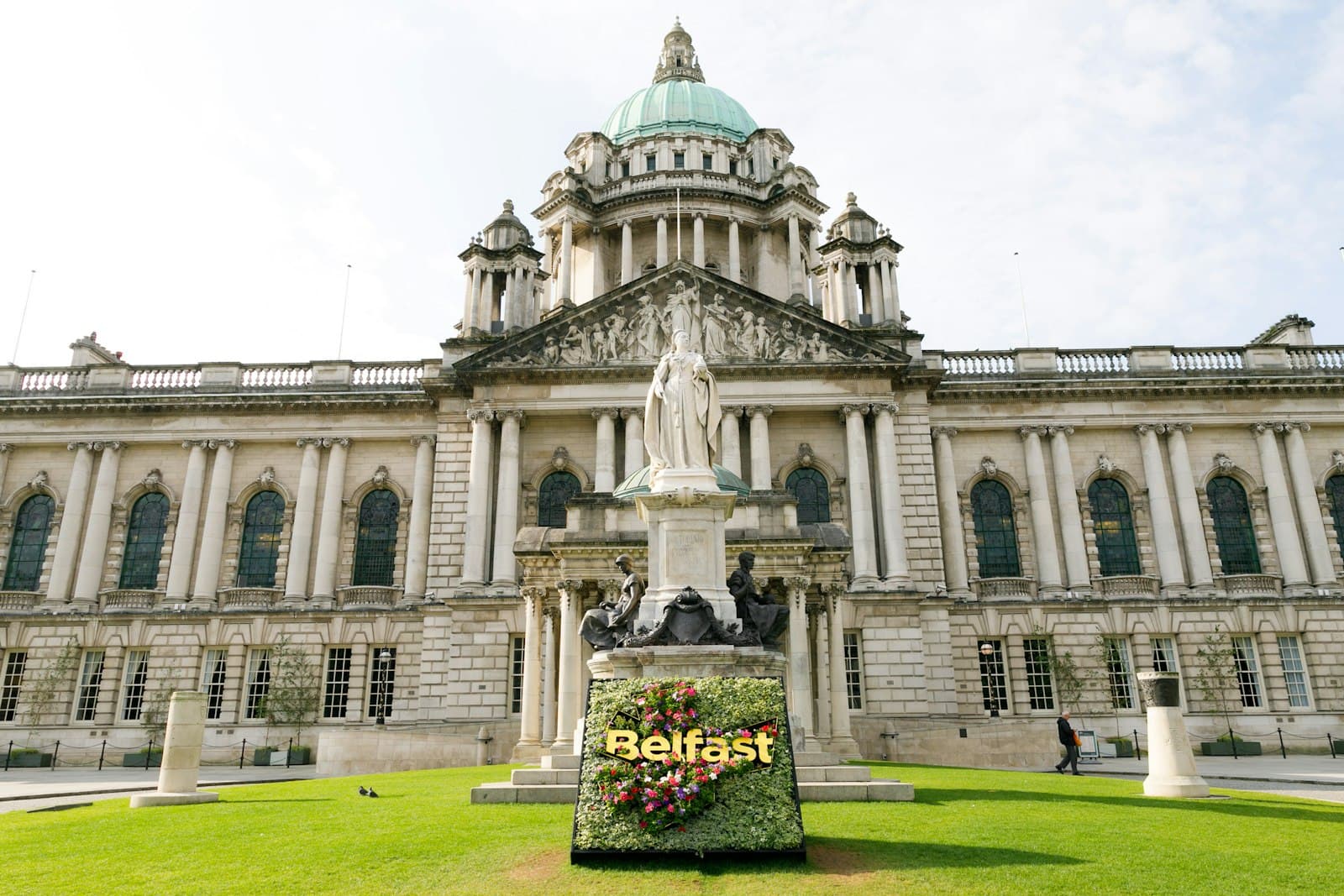
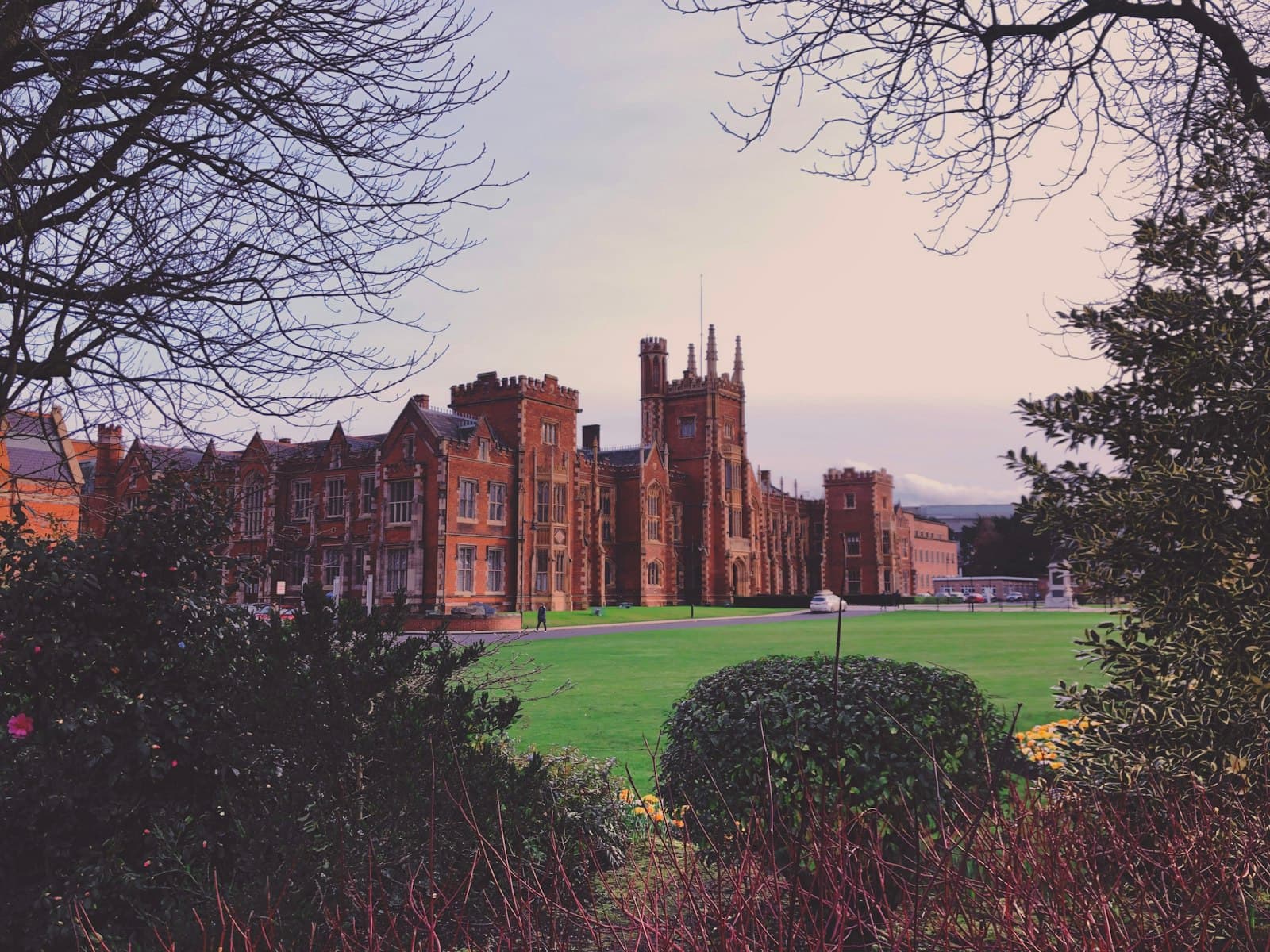
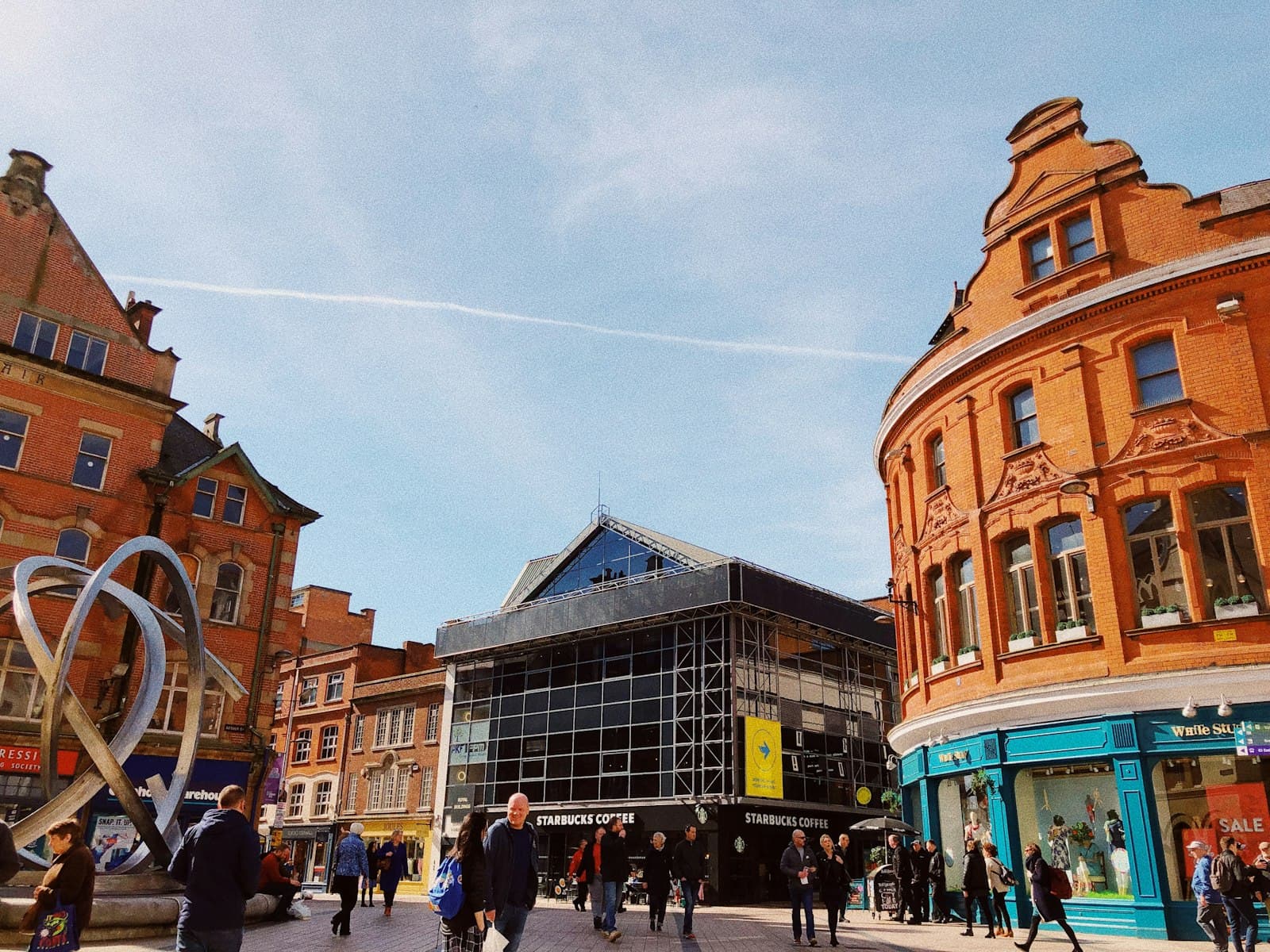
Tu tour de audioguía por Belfast te espera — elige tus lugares, tu idioma y empieza al llegar.
ComprarLume incluye una guía de realidad aumentada. Levanta el móvil y su cámara muestra la calle que tienes delante, con una flecha luminosa sobre la imagen real que siempre apunta a tu próxima parada — sin mapas que descifrar, sin giros equivocados. Como todo en Lume, funciona completamente sin conexión.
Belfast, la capital de Irlanda del Norte, es una ciudad que ha navegado con gracia un pasado complejo para emerger como un destino animado y acogedor. Situada en la desembocadura del río Lagan, su nombre, derivado del gaélico 'Béal Feirste', insinúa sus orígenes como punto de cruce. Hoy, Belfast es una ciudad de contrastes, donde la arquitectura de la era victoriana se alza junto a desarrollos modernos, y un profundo sentido de la historia coexiste con una energía orientada al futuro.
Antaño una potencia industrial conocida por la construcción naval, la producción de lino y la fabricación de cuerdas, el legado de Belfast está grabado en sus calles y su horizonte. La resiliencia de la ciudad es palpable, transformándose de un lugar sinónimo de conflictos políticos en un centro de cultura, innovación y turismo. Los visitantes pueden explorar su patrimonio marítimo, adentrarse en su intrincada historia política y experimentar una creciente escena gastronómica y una animada oferta cultural.
La historia documentada de Belfast se remonta a las Edades de Piedra y Bronce, con fuertes de la Edad del Hierro que una vez salpicaron las laderas cercanas. Un castillo normando, probablemente construido alrededor de 1177 por John de Courci, marcó una temprana presencia fortificada. Sin embargo, la historia moderna de Belfast realmente comenzó en 1611 cuando el Barón Arthur Chichester estableció un nuevo castillo y fomentó el asentamiento de ingleses y escoceses. La ciudad recibió una carta de incorporación en 1613, sentando las bases para su futuro crecimiento.
A lo largo de los siglos XVII y XVIII, Belfast se desarrolló constantemente como un centro comercial, superando finalmente a ciudades cercanas como Lisburn y Carrickfergus en importancia económica. Se convirtió en un mercado crucial para la industria del lino del Ulster, impulsada por refugiados hugonotes franceses. El siglo XIX fue testigo de un auge sin precedentes impulsado por la Revolución Industrial. Belfast se transformó en una importante potencia industrial, celebrada globalmente por su construcción naval, particularmente el astillero Harland & Wolff, que empleó a miles y lanzó famosamente el RMS Titanic en 1911. Otras industrias clave incluyeron la fabricación de cuerdas, la ingeniería y el tabaco. Esta rápida expansión vio la población de Belfast dispararse, convirtiéndola en el área urbana de más rápido crecimiento en el Reino Unido de Gran Bretaña e Irlanda para 1911, y brevemente la ciudad más poblada de Irlanda, superando a Dublín. En reconocimiento a su poder industrial y rápido crecimiento, la Reina Victoria otorgó a Belfast el estatus de ciudad en 1888.
El siglo XX trajo desafíos significativos, sobre todo "Los Disturbios", un período de conflicto político y sectario que impactó profundamente la ciudad desde finales de la década de 1960 hasta el Acuerdo de Viernes Santo en 1998. Los murales que representan temas políticos e históricos se convirtieron en una característica sorprendente del paisaje urbano de Belfast durante este tiempo, reflejando las creencias y experiencias de diferentes comunidades. Estas expresiones visuales, algunas que datan de principios del siglo XX, continúan siendo un recordatorio poderoso, aunque a veces sombrío, del pasado de la ciudad.
En las décadas posteriores al acuerdo de paz, Belfast ha experimentado una importante regeneración y reinvención. Áreas como el Titanic Quarter, que alguna vez fue el corazón de la industria de la construcción naval, se han transformado en un próspero distrito costero con importantes atracciones, negocios y desarrollos residenciales. La ciudad ha abrazado su herencia al mismo tiempo que fomenta una nueva identidad como una dinámica ciudad europea, atrayendo a visitantes de todo el mundo para explorar su mezcla única de historia, cultura y atractivo moderno.
Comience su exploración en el Ayuntamiento de Belfast, un impresionante edificio de estilo neobarroco que domina Donegall Square. Inaugurado en 1906, es un testimonio de la prosperidad eduardiana de Belfast. A pocos pasos, el Titanic Quarter ofrece una inmersión profunda en el pasado marítimo de la ciudad. Esta zona costera regenerada alberga Titanic Belfast, un museo interactivo que detalla la historia del desafortunado transatlántico, construido en los mismos astilleros que se divisan. También en el Titanic Quarter, puede explorar el SS Nomadic, el último barco restante de la White Star Line, y la icónica escultura 'Big Fish', o el Salmón del Conocimiento, con sus escamas de azulejos que representan escenas de la historia de Belfast.
Para una perspectiva diferente de la historia de Belfast, considere un tour en Black Cab por los Murales Políticos en West Belfast. Estas poderosas galerías de arte al aire libre ofrecen una visión de los conflictos y aspiraciones pasados de la ciudad. Busque la tranquilidad en los Jardines Botánicos, establecidos en 1828. Aquí encontrará el elegante Palm House, uno de los primeros invernaderos curvilíneos de hierro fundido, y el Tropical Ravine, que exhibe plantas exóticas. Para una experiencia escalofriante pero informativa, visite la Cárcel de Crumlin Road, una prisión de la época victoriana que funcionó desde 1846 hasta 1996, ofreciendo recorridos que relatan sus 150 años de historia.
Belfast experimenta un clima oceánico, con temperaturas suaves durante todo el año. La mejor época para visitar es durante los meses más cálidos, de abril a septiembre. Mayo, junio, septiembre y octubre ofrecen un clima agradable, menos multitudes que en pleno verano y, a menudo, vuelos y alojamientos más asequibles. Julio y agosto son los meses más cálidos y también la temporada alta de turismo, con numerosos festivales y eventos, aunque los precios de hoteles y vuelos serán más altos. Las precipitaciones se distribuyen a lo largo del año, por lo que siempre es aconsejable estar preparado para algunas lluvias.
La moneda oficial en Belfast, como parte del Reino Unido, es la Libra Esterlina Británica (GBP). Aunque las tarjetas de crédito y débito son ampliamente aceptadas, es aconsejable llevar algo de efectivo para pequeños negocios y mercados locales. Los bancos de Irlanda del Norte emiten sus propios billetes distintivos, que son de curso legal en toda Irlanda del Norte y reconocidos en todo el Reino Unido, aunque algunos minoristas en Inglaterra pueden preferir los billetes del Banco de Inglaterra.
El transporte público en Belfast es gestionado por Translink, ofreciendo servicios de autobús Metro y Glider dentro de la ciudad, y Ulsterbus y NI Railways para conexiones en toda Irlanda del Norte. El servicio Glider ofrece una opción de autobús más rápida que conecta diferentes partes de Belfast. Belfast es también una ciudad relativamente dependiente del coche, con una extensa red de carreteras. Los taxis están fácilmente disponibles, con compañías como Value Cabs que ofrecen servicios y tours turísticos. El Aeropuerto de la Ciudad de Belfast (BHD) está bien conectado con el centro de la ciudad mediante servicios de autobús y tren.
Belfast en coreano, en chino o en hebreo — y 29 idiomas más, cada parada narrada por una voz nativa. La mayor variedad de idiomas de cualquier audioguía autoguiada.
Disponible en: