Arlington Row
The iconic cottages of Arlington Row are a symbol of Bibury, even appearing in an unexpected place.
Full story unlocks in the tour
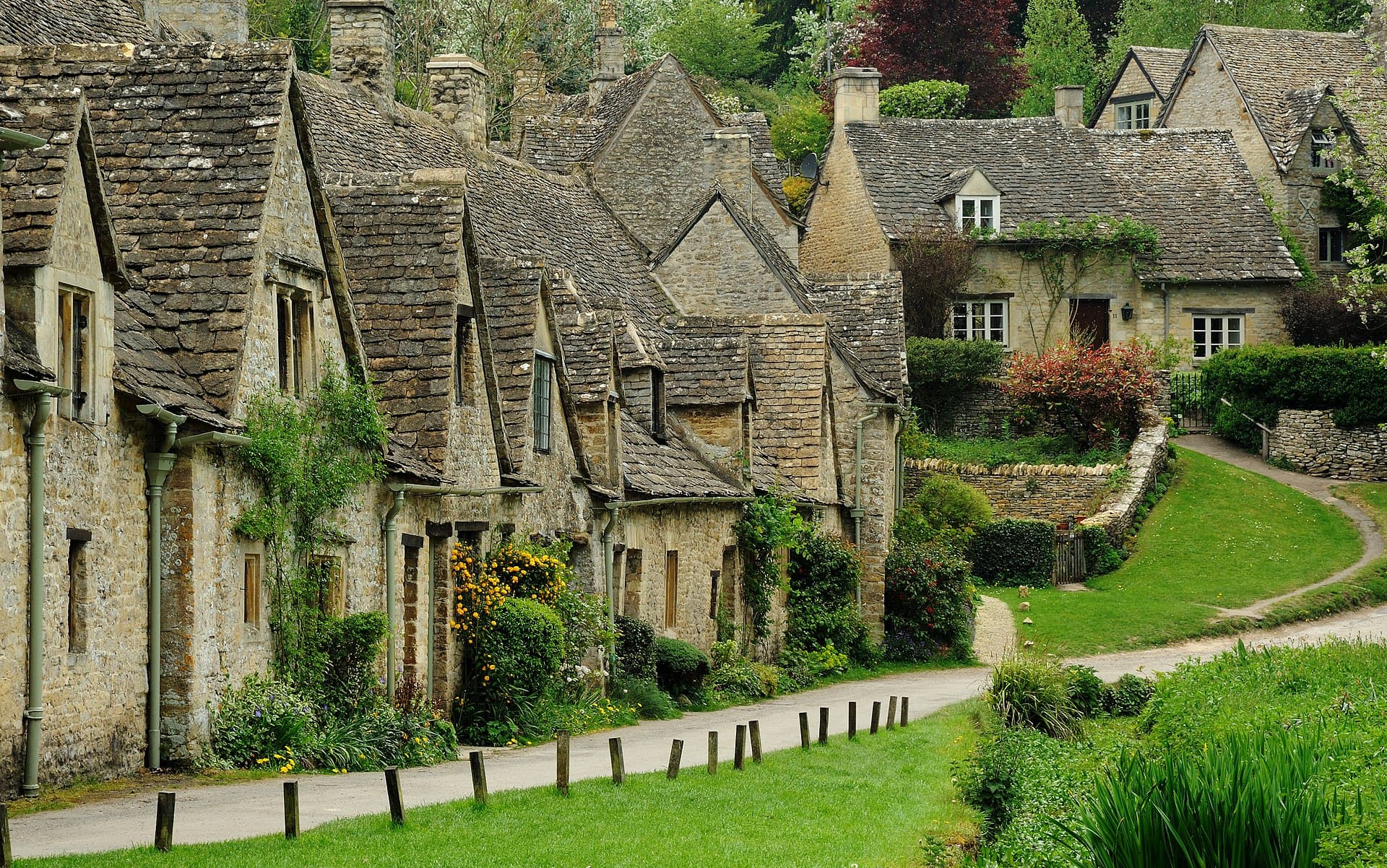 Saffron Blaze / CC BY-SA 3.0, via Wikimedia Commons
Self-guided audio walking tour of Bibury — GPS route, offline playback, story-driven narration in 32 languages.
“Where time flows as gently as the River Coln, through honey-coloured stone and enduring traditions.”
Not the postcards. The stories even locals don't know — whispered in your ear, right where they happened.
The iconic cottages of Arlington Row are a symbol of Bibury, even appearing in an unexpected place.
England's oldest working trout farm isn't just for fishing enthusiasts.
This seemingly ordinary water meadow holds a clue to Bibury's prosperous past.
Discover every secret of Bibury
Every address, every reveal in full — in your ear, right where it happened.
You pick your stops. You walk. The voice reveals what the others miss.


Your self-guided audio tour of Bibury is ready — pick your landmarks, choose your language, and start the moment you arrive.
BuyLume has a built-in augmented-reality guide. Hold your phone up and its camera shows the street ahead of you, with a glowing arrow laid over the real view that always points to your next stop — no map to puzzle over, no wrong turns. Like everything in Lume, it works fully offline.
Bibury, a village in Gloucestershire, England, is often celebrated as one of the most picturesque villages in the Cotswolds. The River Coln, a tributary of the Thames, flows through its heart, dividing the village into two distinct areas: Bibury on the eastern bank and Arlington on the western. Its honey-coloured limestone cottages, rolling green meadows, and the gentle flow of the river create a scene that has captivated artists, writers, and visitors for centuries. William Morris, the influential 19th-century designer and poet, famously described Bibury as "the most beautiful village in England."
The village's enduring charm lies in its preserved traditional character, offering a glimpse into rural English life. Bibury is a popular destination for those seeking a tranquil escape, photographers, and nature lovers alike, drawing thousands of visitors from across the globe.
The history of Bibury stretches back over a thousand years, with its origins potentially tracing to the Roman era when it was known as “Bebry.” Early occupation is evidenced by Rawbarrow Camp, an Iron Age settlement overlooking the village. The village is explicitly mentioned in the Domesday Book of 1086 as 'Becheberie,' a small but valuable settlement centered around agriculture and sheep farming. The lands and church were initially held by St Mary's Priory at Worcester, later passing to Osney Abbey near Oxford in 1130, which retained ownership until the Dissolution of the Monasteries in 1540.
During the Middle Ages, Bibury prospered significantly through the wool trade. The clear waters of the River Coln were crucial for washing and processing fleeces. This legacy is most famously embodied in Arlington Row, a line of picturesque weavers' cottages constructed in the late 14th century as a monastic wool store. These buildings were later converted into weavers' cottages in the 17th century, housing skilled workers who produced woolen cloth. The cloth was then transported to the nearby Arlington Mill for degreasing, before being hung to dry on racks on Rack Isle.
Bibury's historic Church of St Mary, a Grade I listed building, dates back to the Anglo-Saxon period, with the first church established around 899. It reflects centuries of architectural development, undergoing a significant Victorian restoration in 1863 by George Gilbert Scott. In the 19th century, William Morris's famous description solidified Bibury's reputation as a beautiful village, further attracting national attention. Despite its fame and increasing tourism, Bibury has largely maintained its traditional character, with its distinctive honey-coloured stone buildings and water meadows continuing to define its rural heritage.
Begin your exploration at Arlington Row, the village's most photographed landmark. These 17th-century weavers' cottages, originally built in the late 14th century as a monastic wool store, are now owned by the National Trust. While the cottages are private residences, the lane is open for walks and photographs. Adjacent to Arlington Row is Rack Isle, a water meadow and National Trust Wildfowl Reserve where wool was once dried. It's a tranquil spot to observe water-loving plants and birds.
Cross the River Coln to visit the Bibury Trout Farm, England's oldest working trout farm, established in 1902. Here, you can learn about trout farming, feed the fish, or even try catching your own. The farm also features a shop with local produce and a café. A short walk from the village centre leads to the Church of St Mary, an Anglo-Saxon church with parts dating back to the 11th century. Its architectural features include Norman elements, a 13th-century square font, and medieval stained glass, including a window by Karl Parsons featured on a 1992 Christmas stamp.
While Arlington Mill is now a private residence, its exterior can still be admired, offering a glimpse into Bibury's industrial past as a corn and wool mill. For a traditional English pub experience, The Catherine Wheel, housed in a 17th-century Cotswold stone building, offers hearty fare and a welcoming atmosphere.
Bibury is beautiful year-round, with each season offering a different experience. Spring (April–June) and autumn (September–October) are ideal, with mild weather and the village adorned in blooming flowers or golden foliage. Summer is popular but can be crowded. Winter offers a quieter, frost-kissed village experience, perfect for those seeking solitude and photography without crowds. Arriving early in the morning or later in the afternoon is recommended to avoid peak crowds, especially at Arlington Row.
Bibury is most easily accessed by car, as it's in a rural part of the Cotswolds. It's approximately a 90-minute drive from Oxford and two hours from London. Parking can be limited, particularly during peak times. There's free parking along the River Coln and a small free car park opposite the Bibury Trout Farm, though some spaces are reserved for buses. An additional paid car park is available further down the village. Public transport options are limited; the nearest train station is Kemble, a 30-minute taxi or bus ride away, with direct connections to London Paddington. Guided day tours from London and Bath often include Bibury in their itineraries.
While exploring, be mindful that Arlington Row cottages are private homes, and public access to their interiors or gardens is not permitted. The village is small, so combining a visit with nearby Cotswold villages like Cirencester or Bourton-on-the-Water is often recommended for a fuller day out.
Bibury in Korean, in Chinese or in Hebrew — and 29 more languages, every stop narrated by a native voice. The widest language range of any self-guided audio tour.
Available in: