La Torre del Reloj en Varosha
Este emblemático monumento de 1876 una vez dictó el ritmo de la vida diaria en el antiguo barrio turco.
La historia completa se desbloquea en el tour
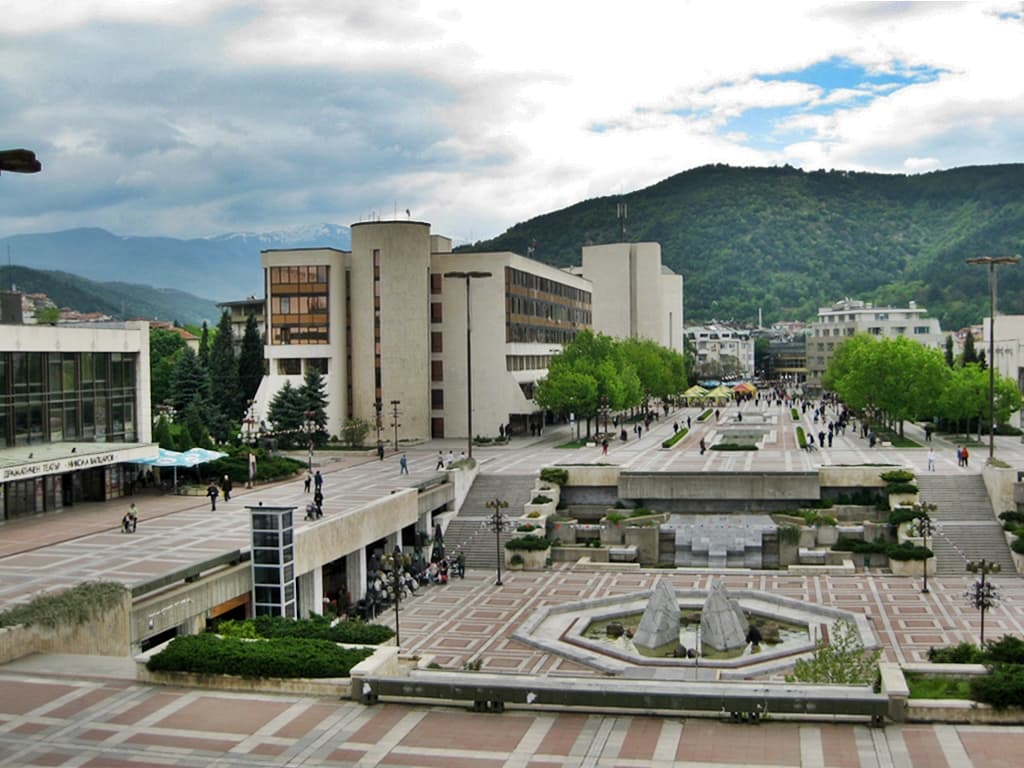 Georgi Nikolchev, Bulgaria / Public domain, via Wikimedia Commons
Tour de audio autoguiado de Blagoevgrad — ruta GPS a pie, reproducción offline, narración en 32 idiomas.
“Donde los antiguos manantiales termales se encuentran con un vibrante pulso estudiantil.”
No las postales. Las historias que ni los locales conocen — al oído, justo donde ocurrieron.
Este emblemático monumento de 1876 una vez dictó el ritmo de la vida diaria en el antiguo barrio turco.
Mucho antes de los spas modernos, los romanos ya elogiaban las aguas termales de Blagoevgrad.
A un corto paseo del centro de la ciudad, un tranquilo escape ofrece más que solo espacio verde.
Descubre todos los secretos de Blagoevgrad
Cada dirección, cada revelación al completo — a tu oído, justo donde ocurrió.
Eliges tus paradas. Caminas. La voz te revela lo que los demás ignoran.


Tu tour de audioguía por Blagoevgrad te espera — elige tus lugares, tu idioma y empieza al llegar.
ComprarLume incluye una guía de realidad aumentada. Levanta el móvil y su cámara muestra la calle que tienes delante, con una flecha luminosa sobre la imagen real que siempre apunta a tu próxima parada — sin mapas que descifrar, sin giros equivocados. Como todo en Lume, funciona completamente sin conexión.
Blagoevgrad, cariñosamente conocida como "Blago", es una ciudad en el suroeste de Bulgaria, que sirve como el corazón administrativo del Municipio y Provincia de Blagoevgrad. Se asienta en el valle del río Struma, al pie de las montañas Rila, aproximadamente a 100 kilómetros al sur de Sofía. La ciudad es un nexo de cultura, vida estudiantil y esplendor natural, tejiendo tradiciones antiguas con una energía juvenil. Blagoevgrad es reconocida por sus inviernos suaves y veranos calurosos y secos, y mantiene una de las tasas más bajas de contaminación industrial en la región.
El centro peatonal de la ciudad exhibe una arquitectura preservada del siglo XIX, junto con numerosos restaurantes, cafeterías y boutiques. Blagoevgrad es el hogar de dos universidades, la Universidad del Suroeste "Neofit Rilski" y la Universidad Americana en Bulgaria (AUBG), atrayendo a una población estudiantil diversa de más de 50 países. Esta presencia académica cultiva una animada vida nocturna y una atmósfera enérgica que se puede experimentar a cualquier hora.
Más allá de su atractivo urbano, Blagoevgrad es una puerta de entrada a las grandiosas montañas Rila y Pirin, ofreciendo amplias oportunidades al aire libre. También es un punto de partida conveniente para visitar el Monasterio de Rila, un sitio del Patrimonio Mundial de la UNESCO, y la histórica ciudad de Melnik.
La historia de Blagoevgrad se remonta a la Edad Neolítica, con rastros arqueológicos de asentamientos humanos encontrados en la zona. Las condiciones favorables, particularmente los manantiales minerales calientes, llevaron al surgimiento de una civilización tracia alrededor del siglo III a.C. Este asentamiento tracio era conocido como Skaptopara, que significa "Zona de Mercado Superior", un testimonio de su importancia como centro comercial y social, especialmente por sus aguas minerales.
Alrededor del siglo I d.C., los romanos conquistaron a los tracios, incorporando Skaptopara a su imperio. Los manantiales minerales continuaron siendo un punto focal, con los habitantes romanos documentando con entusiasmo sus cualidades terapéuticas. La llegada de los eslavos en los siglos VI-VII contribuyó aún más al florecimiento del área, y estas tierras fueron posteriormente unidas al estado búlgaro durante el reinado de Khan Presiyan (836-852).
El Dominio Otomano, que comenzó a finales del siglo XIV, trajo casi cinco siglos de interrupción a los esfuerzos constructivos de la población local. A finales del siglo XV, la actual ciudad fue establecida y mencionada por primera vez en un documento turco de 1502 bajo el nombre de Gorna Dzhumaya. El nombre "Dzhumaya" se traduce como viernes, lo que significa su importancia como día de mercado y un día de oración festiva para los musulmanes. Durante este período, la ciudad también era conocida como Cuma-ı Bala, que significa "Juma Superior" en persa y turco otomano, distinguiéndola de Dolna Dzhumaya (Juma Inferior) al sur, ahora Irakleia en Grecia.
A lo largo del período otomano, la ciudad experimentó varios cambios de nombre, incluyendo Dyuma Bazari, Dyuma, Orta Dyuma y Dzhumaya, antes de establecerse en Gorna Dzhumaya. La población de la ciudad durante este tiempo incluía una importante presencia musulmana, con todo el ejército islámico a menudo concentrado aquí. El Casco Antiguo, Varosha, aún conserva la arquitectura del siglo XIX de esta época, con sus grandes casas blancas y altos muros que ofrecen una visión del pasado. En 1840, después de que las reformas permitieran a los cristianos practicar su religión libremente, la Iglesia "Presentación de la Virgen" comenzó su construcción en el corazón de Varosha, consagrada en 1844 como una réplica más pequeña del Monasterio de Rila.
La ciudad fue renombrada Blagoevgrad en 1950, en honor a Dimitar Blagoev, una prominente figura política búlgara y fundador del Partido Socialdemócrata Obrero Búlgaro. El período comunista dejó su huella, notablemente con la antigua sede regional del Partido Comunista Búlgaro, un edificio que ahora alberga partes de la Universidad Americana en Bulgaria, la Universidad del Suroeste y la Biblioteca Regional. Hoy en día, Blagoevgrad es reconocida como un centro económico y cultural del suroeste de Bulgaria, con una población de casi 70,000 habitantes. También es conocida por su animada escena artística, albergando el festival anual Francofolies Blagoevgrad, un festival de música francófona que atrae a artistas internacionales.
Comienza tu exploración en el Barrio de Varosha, el corazón histórico de Blagoevgrad. Este casco antiguo conserva la arquitectura del siglo XIX con sus características grandes casas blancas y altos muros. Dentro de Varosha, visita la Iglesia "Presentación de la Virgen", consagrada en 1844, una copia más pequeña del renombrado Monasterio de Rila. Cerca, la Torre del Reloj, construida en 1876, se erige como un hito del antiguo barrio turco, sus 17 metros de altura una vez señalaron el fin de la jornada laboral para los artesanos.
Para tomar un poco de aire fresco, sigue la Alameda de la Salud desde el centro de la ciudad, que conduce al Parque Bachinovo. Este extenso parque ofrece un escape tranquilo con un lago, patos, cisnes y oportunidades para pasear en bicicleta acuática en verano. El parque también cuenta con zonas de barbacoa y cafeterías para relajarse.
Blagoevgrad es también una base estratégica para aventurarse en la belleza natural circundante. El magnífico Monasterio de Rila, un sitio del Patrimonio Mundial de la UNESCO, está a solo una hora de distancia. También puedes explorar el cercano Parque Nacional Pirin y el Parque Nacional Rila, que ofrecen amplias oportunidades de senderismo y actividades al aire libre. Para aquellos interesados en las aguas termales, los manantiales minerales de la ciudad han sido un atractivo durante siglos, ofreciendo una experiencia histórica y relajante en el Baño Mineral de Blagoevgrad.
Los mejores momentos para visitar Blagoevgrad son durante la primavera (abril a junio) y principios de otoño (septiembre a octubre). Durante estos meses, el clima es templado y agradable, lo que lo hace ideal para actividades al aire libre y para explorar las ofertas culturales de la ciudad. Junio, en particular, ofrece condiciones cálidas y soleadas, con temperaturas diarias promedio que oscilan entre 15°C y 28°C (59°F a 82°F). Los veranos pueden ser calurosos, siendo julio el mes más cálido con un promedio de 29°C (84°F), mientras que los inviernos traen nieve, atractivo para los entusiastas de los deportes de invierno en los centros turísticos cercanos como Bansko.
Blagoevgrad está bien conectada con Sofía, la capital, ubicada a unos 100 kilómetros al sur. Se puede llegar a Blagoevgrad en coche por la autopista A3 en aproximadamente 1 hora a 1 hora y 15 minutos. Hay autobuses frecuentes desde la estación central de autobuses de Sofía, que tardan alrededor de 1.5-2 horas, y también hay trenes en esta ruta. Si vuelas a Sofía, hay traslados disponibles desde el aeropuerto. Para aquellos que viajan desde Grecia, Blagoevgrad está a unos 80 kilómetros del paso fronterizo de Kulata.
Dentro de la ciudad, el transporte público y los taxis son económicos. El inglés se escucha comúnmente debido a la población estudiantil internacional. El alojamiento en Blagoevgrad es generalmente asequible, con hoteles o casas de huéspedes de gama media que cuestan aproximadamente 40-70 € por noche para una habitación doble. Las comidas en restaurantes locales también son económicas, con un plato principal típico que oscila entre 8 y 15 €. Aunque la disponibilidad suele ser buena, se recomienda reservar con unas semanas de antelación, especialmente para estancias de fin de semana.
Blagoevgrad en coreano, en chino o en hebreo — y 29 idiomas más, cada parada narrada por una voz nativa. La mayor variedad de idiomas de cualquier audioguía autoguiada.
Disponible en: