Chiang Khan Walking Street
The lively evening market along Chai Khong Road possesses a subtle atmospheric element you might overlook.
Full story unlocks in the tour
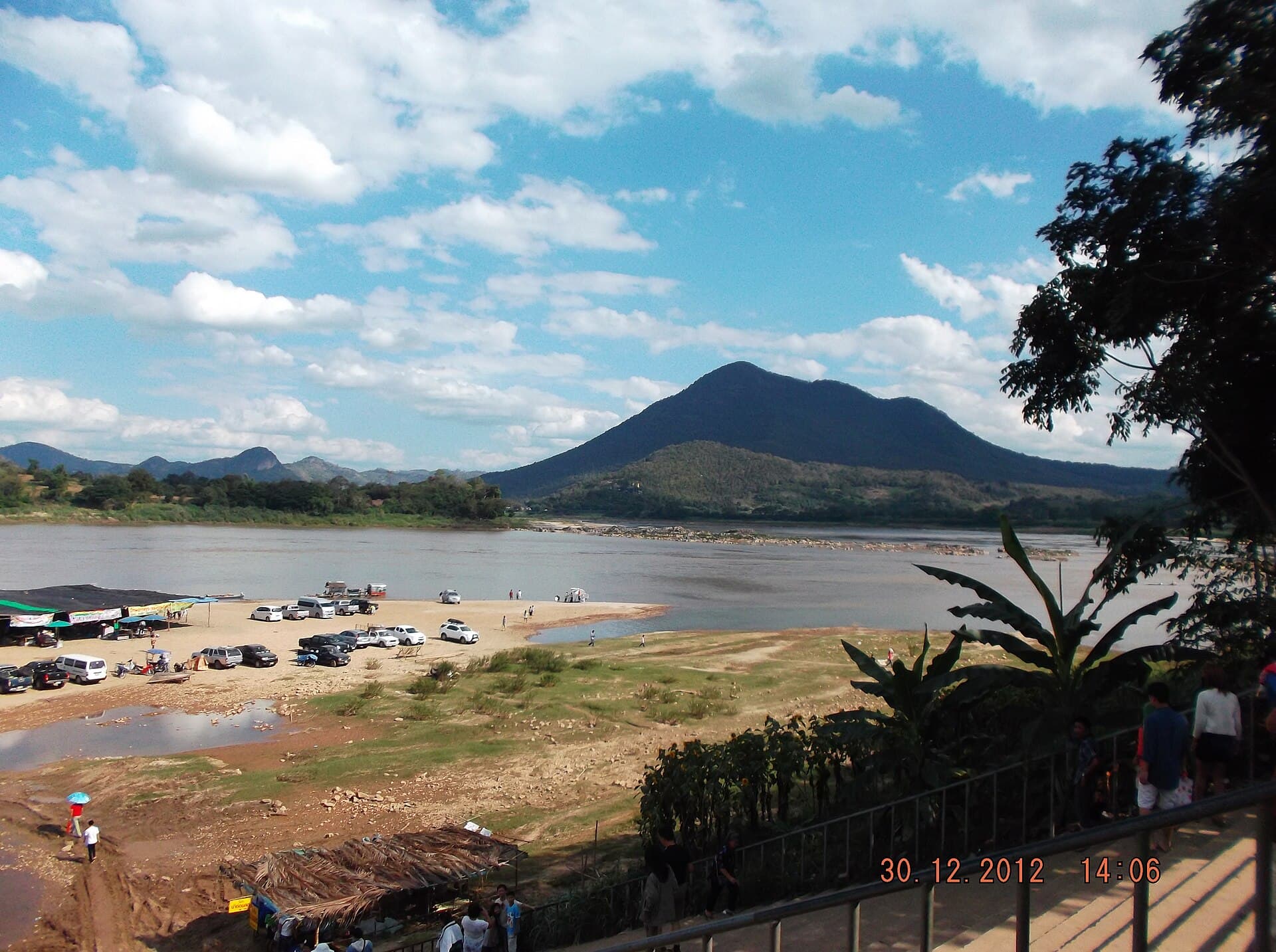
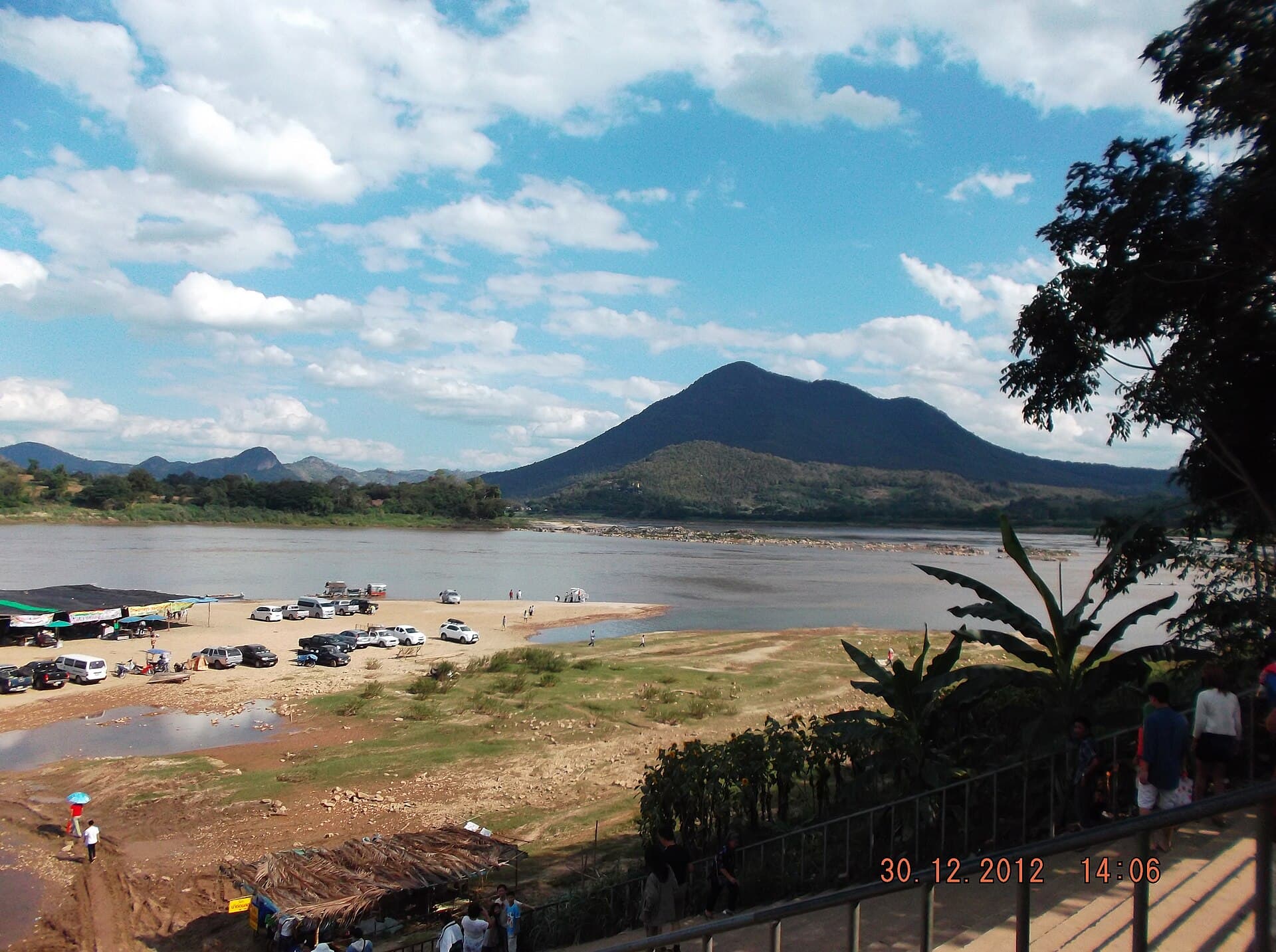 Thaweesak Churasri / CC BY 3.0, via Wikimedia Commons
Self-guided audio walking tour of Chiang Khan — GPS route, offline playback, story-driven narration in 32 languages.
“Where the Mekong's current murmurs ancient stories of Thailand.”
Not the postcards. The stories even locals don't know — whispered in your ear, right where they happened.
The lively evening market along Chai Khong Road possesses a subtle atmospheric element you might overlook.
The seemingly calm flow of the Mekong by Chiang Khan conceals a dramatic recent history that has profoundly altered local existence.
This revered temple, easily accessed from the Walking Street, displays an unexpected artistic blend within its structure.
Discover every secret of Chiang Khan
Every address, every reveal in full — in your ear, right where it happened.
You pick your stops. You walk. The voice reveals what the others miss.
Your self-guided audio tour of Chiang Khan is ready — pick your landmarks, choose your language, and start the moment you arrive.
BuyLume has a built-in augmented-reality guide. Hold your phone up and its camera shows the street ahead of you, with a glowing arrow laid over the real view that always points to your next stop — no map to puzzle over, no wrong turns. Like everything in Lume, it works fully offline.
Chiang Khan, a riverside town in Thailand's Loei province, offers a tranquil escape where the rhythm of life is shaped by the Mekong River. This appealing district, recognized for its commitment to sustainable tourism, captivates visitors with its unique blend of natural beauty, cultural heritage, and a distinctly unhurried atmosphere. Here, traditional wooden houses, many over a century old, line the main thoroughfare, transforming into a lively walking street each evening.
Far from the busy tourist centers, Chiang Khan provides an authentic glimpse into local Thai life, infused with a subtle Lao influence due to its border location. Visitors are drawn to its peaceful mornings, the spiritual ritual of almsgiving to monks, and the opportunity to simply slow down and reconnect with a simpler way of living. It is a place where history is not just in museums, but woven into the fabric of daily existence, from its architecture to its enduring customs.
## A Crossroads of Cultures and Resilience Chiang Khan's story is deeply intertwined with the mighty Mekong River, acting as both a life source and a boundary. Its origins trace back to an outpost town of the Vientiane Kingdom in present-day Laos. The town faced disruption when the Haw, a Chinese group from Yunnan, caused destruction in the region, leading to a series of relocations.
The most significant shift in Chiang Khan's history occurred during the reign of King Rama V the Great. When Thailand ceded territory on the left bank of the Mekong to French colonial powers, many Thais living on the Lao side migrated across the river, establishing the Chiang Khan we know today. This event profoundly shaped the town's cultural identity, resulting in a unique blend of Thai and Lao beliefs, customs, and even language that persists to this day.
For generations, Chiang Khan prospered as a trading port, its traditional wooden houses lining the riverfront serving as both homes and businesses. This architectural style, with many structures exceeding 100 years in age, remains a defining feature of the town. While the original main street saw periods of neglect as the town expanded, it has since been revitalized, becoming the cherished Walking Street.
In more recent times, Chiang Khan has faced new challenges, particularly concerning the Mekong River itself. Since approximately 2010, the construction of upstream dams and climate change have led to unpredictable water levels and a decline in fish populations, threatening traditional fishing livelihoods. In response, the community has embraced sustainable tourism, transforming these challenges into opportunities to preserve their cultural and natural heritage, earning recognition as a Green Destinations Silver Award recipient in 2024.
Chiang Khan invites exploration at a leisurely pace, best experienced on foot or by bicycle. The heart of the town is Chai Khong Road, affectionately known as the Walking Street. By day, it is a collection of century-old wooden shophouses, housing boutique hotels, cafes, and artisan shops. As evening descends, it transforms into a lively night market, active with street food vendors, local handicrafts, and souvenirs.
A quintessential Chiang Khan experience is participating in the morning almsgiving (Tak Bat Khao Niao), where locals and visitors offer sticky rice to Buddhist monks at dawn. Afterwards, a stroll along the Mekong Riverfront Walkway offers serene views, especially at sunrise or sunset.
For expansive views, a trip to Phu Thok Mountain is valuable, particularly for witnessing the sunrise over a potential sea of mist during cooler months. Another popular viewpoint is the Chiang Khan Skywalk, an 80-meter-high glass footbridge offering broad views where the Hueng River meets the Mekong.
Do not overlook Wat Si Khun Muang, a sacred temple near the Walking Street, showcasing a unique blend of Lanna and Lan Xang architectural styles. For a taste of local culture beyond the main street, consider visiting the Tai Dam Museum House or exploring the traditional cotton quilt making, a local craft passed down through generations.
The ideal time to visit Chiang Khan is during the cool season, which runs from November to February. During these months, temperatures are pleasant, ranging from 15°C to 25°C (59°F to 77°F), making it comfortable for walking and cycling. You will also find clearer skies and less humidity. While Chiang Khan is a low-key destination, the cool season, especially weekends, attracts more Thai tourists. The rainy season, from July to October, brings higher temperatures and increased chances of storms.
Chiang Khan is accessible, though its appeal lies in its slightly off-the-beaten-path location. The most convenient way to reach it is by flying from Bangkok to Loei Airport (LOE), followed by a scenic one-hour drive or shuttle service. Overnight buses also connect Chiang Khan directly from Bangkok and other major Thai cities.
Once in town, Chiang Khan is best explored on foot or by bicycle, with rentals readily available from most guesthouses. For longer distances, such as to the Skywalk or Kaeng Khut Khu, motorbike taxis or rented scooters are good options. The town is generally safe, with a small hospital available for emergencies. It is advisable to book accommodation in advance, especially during peak season and weekends, with many appealing guesthouses located along the Walking Street.
Chiang Khan in Korean, in Chinese or in Hebrew — and 29 more languages, every stop narrated by a native voice. The widest language range of any self-guided audio tour.
Available in: