Baba Budangiri-Hügel
Die allerersten Kaffeebohnen in Indien wurden nicht von einer Kolonialmacht eingeführt, sondern von einem verehrten Sufi-Heiligen.
Die ganze Geschichte wird in der Tour freigeschaltet
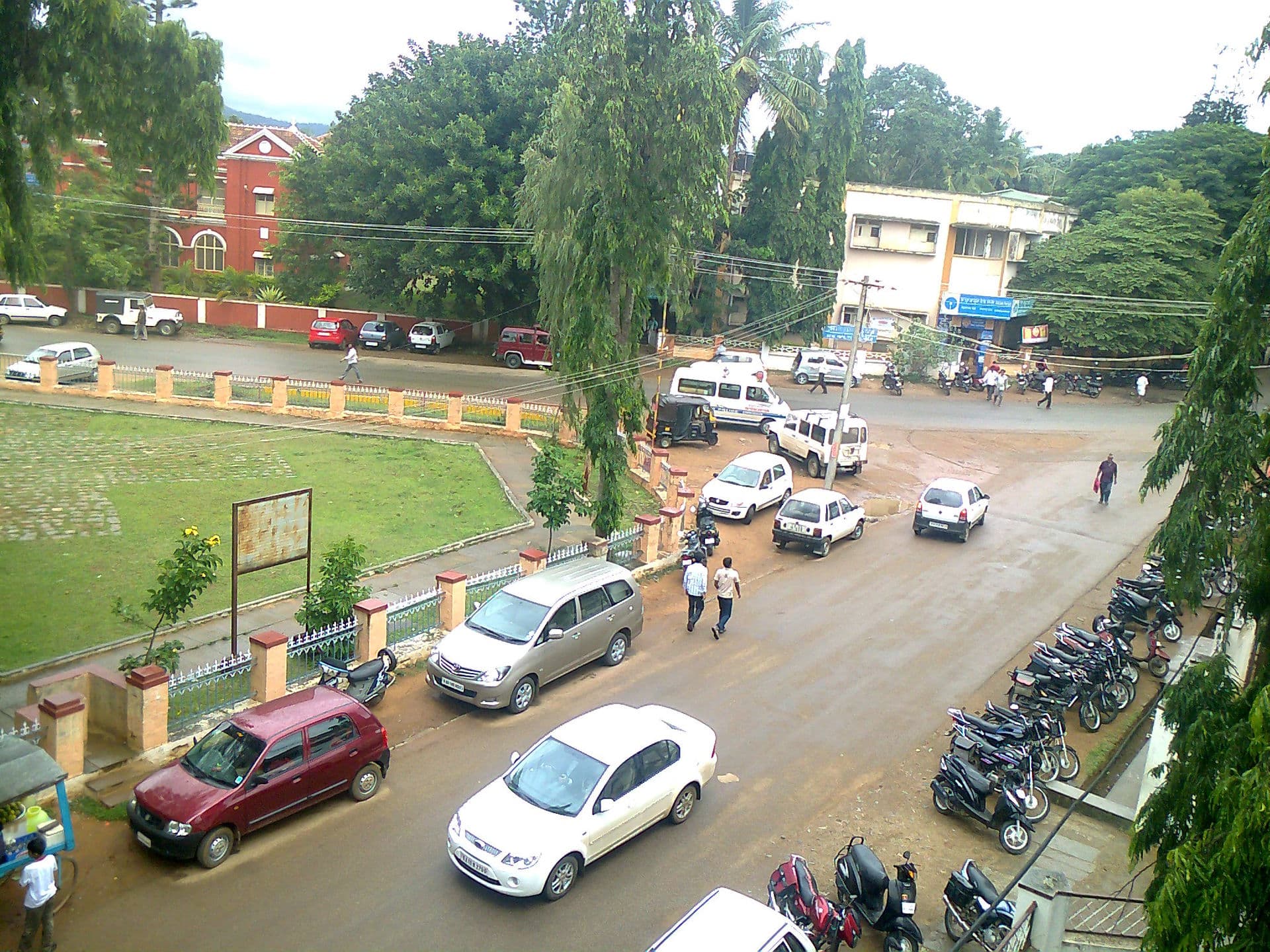 Prof. Mohamed Shareef from Mysore / CC BY-SA 2.0, via Wikimedia Commons
Selbstgeführte Audio-Walking-Tour durch Chikmagalur — GPS-Route, Offline-Wiedergabe, erzählerische Narration in 32 Sprachen.
“Wo nebelverhangene Berge auf das Aroma des weltweit ersten indischen Kaffees treffen.”
Nicht die Postkarten. Die Geschichten, die selbst Einheimische nicht kennen – dir ins Ohr geflüstert, genau dort, wo sie geschahen.
Die allerersten Kaffeebohnen in Indien wurden nicht von einer Kolonialmacht eingeführt, sondern von einem verehrten Sufi-Heiligen.
Der Name dieser Kaffeemetropole birgt eine überraschend zärtliche, fast königliche Ursprungsgeschichte.
Ein Hoysala-Tempel hier, obwohl nicht so bekannt wie seine prächtigeren Verwandten, birgt ein einzigartiges architektonisches Geheimnis.
Entdecke jedes Geheimnis von Chikmagalur
Jede Adresse, jede Enthüllung vollständig – in deinem Ohr, genau dort, wo es geschah.
Du wählst deine Stationen. Du gehst. Die Stimme enthüllt, was andere übersehen.


Deine selbstgeführte Audio-Tour durch Chikmagalur ist bereit – wähle deine Sehenswürdigkeiten, deine Sprache und starte, sobald du ankommst.
KaufenLume enthält einen integrierten Augmented-Reality-Guide. Halten Sie Ihr Handy hoch: Die Kamera zeigt die Straße vor Ihnen, mit einem leuchtenden Pfeil über dem echten Bild, der immer auf Ihren nächsten Stopp zeigt — keine Karte zum Rätseln, keine falschen Abzweigungen. Wie alles bei Lume funktioniert es komplett offline.
Chikmagalur, offiziell Chikkamagaluru, ist ein Distrikt im indischen Bundesstaat Karnataka, der für seine weitläufigen Kaffeeplantagen und üppigen Landschaften gefeiert wird. Gelegen in der Region Malenadu, am Fuße der Westghats, bietet er einen erfrischenden Kontrast aus dramatischen Gipfeln, bewaldeten Tälern und ruhigen Plantagenstädten. Chikmagalur, oft als 'Kaffeeland von Karnataka' bezeichnet, ist tief mit seinem Kaffeeerbe verbunden, einem Erbe, das vor Jahrhunderten begann.
Jenseits seiner aromatischen Plantagen ist Chikmagalur ein Paradies für Naturliebhaber und Abenteuerlustige. Die Region zeichnet sich durch sanfte Hügel, plätschernde Wasserfälle und gewundene Bäche aus, was sie zu einem idealen Reiseziel für Trekking, Sightseeing und erholsame Auszeiten macht. Das angenehme Klima das ganze Jahr über macht es zu einem beliebten Zufluchtsort für diejenigen, die dem Stadtleben entfliehen und in natürliche Schönheit und ein langsameres Tempo eintauchen möchten.
Die Geschichte von Chikmagalur ist eine Erzählung, die mit alten Legenden, mächtigen Dynastien und einem Pioniergeist verwoben ist, der Indiens Agrarlandschaft für immer veränderte. Die Region, die bis 1947 als Kadur-Distrikt bekannt war, leitet ihren heutigen Namen von den Kannada-Wörtern 'Chikkamagala Uru' ab, was 'Stadt der jüngeren Tochter' bedeutet. Folklore legt nahe, dass dieses Land der jüngeren Tochter von König Rukmangada von Sakrepatna als Mitgift überlassen wurde.
Lange bevor es ein Synonym für Kaffee wurde, war Chikmagalur ein bedeutendes Zentrum für verschiedene südindische Königreiche. Es gibt Hinweise auf prähistorische Gemeinschaften, und die Region war Teil von Imperien wie den Gangas, Rashtrakutas und dem Vijayanagara-Reich. Die Hoysala-Dynastie (12. bis 14. Jahrhundert) hinterließ jedoch unauslöschliche Spuren in der Gegend. Die Nähe von Chikmagalur zu Belur, der Hauptstadt der Hoysalas, machte es während ihrer Herrschaft zu einem wichtigen Zentrum, und ihr architektonisches Erbe ist in den kunstvollen Tempeln der Umgebung sichtbar, wie dem Veeranarayana-Tempel in Belavadi und dem Amrutheshwara-Tempel in Amrithapura.
Der Wendepunkt in Chikmagalurs Wirtschafts- und Kulturgeschichte kam jedoch im 17. Jahrhundert mit der Einführung von Kaffee. Dem legendären Sufi-Heiligen Baba Budan wird zugeschrieben, nach einer Pilgerreise nach Mekka sieben Kaffeebohnen aus dem Jemen transportiert zu haben. Er pflanzte diese Bohnen an den Hängen des Chandra Drona-Gebirges, das heute als Baba Budangiri bekannt ist. Dieser Akt legte den Grundstein für Indiens florierende Kaffeeindustrie und verwandelte die Region in das 'Kaffeeland Indiens'.
Im Laufe der Zeit entwickelten sich kleine Anpflanzungen rund um Baba Budangiri zu organisierten kommerziellen Plantagen, insbesondere unter britischer Kolonialverwaltung im 19. Jahrhundert. Die Briten erweiterten diese Plantagen, und Chikmagalurs einzigartiges Klima und sein fruchtbarer Boden erwiesen sich als ideal für den Anbau von Arabica-Kaffee, der für sein zartes Aroma und seinen nuancierten Geschmack bekannt ist. Bis zum 20. Jahrhundert war Kaffee tief in der lokalen Wirtschaft und Identität verankert. In jüngerer Geschichte erlangte Chikmagalur 1978 nationale politische Aufmerksamkeit, als die ehemalige indische Premierministerin Indira Gandhi von diesem Wahlkreis aus eine Nachwahl gewann, was ein bedeutendes politisches Comeback markierte. Heute floriert Chikmagalur weiterhin als wichtiges Agrar- und Tourismuszentrum und verbindet seine beständige Vergangenheit mit seinem modernen Reiz als Reiseziel für Natur- und Kaffeeliebhaber.
Chikmagalur bietet eine Reihe von Attraktionen, die natürliche Schönheit mit kultureller Bedeutung verbinden. Der Mullayanagiri-Gipfel, der höchste Gipfel Karnatakas mit 1.930 Metern (6.330 Fuß), bietet weite Ausblicke und ist ein beliebter Ort zum Wandern, besonders im Morgengrauen für Sonnenaufgangsvistas. Die Baba Budangiri-Hügel, auch Chandradrona genannt, werden für ihre spirituelle Bedeutung und ihre Verbindung zum Ursprung des indischen Kaffees verehrt. Die Gegend bietet Höhlen, Aussichtspunkte und ruhige Landschaften, ideal für langsame Fahrten und Stopps.
Wasserfälle sind ein bedeutender Anziehungspunkt, wobei die Hebbe-Wasserfälle ein herausragendes Highlight darstellen. Dieser mehrstufige Wasserfall ist besonders nach dem Monsun beeindruckend und über eine Jeepfahrt und eine kurze Wanderung erreichbar. Weitere bemerkenswerte Wasserfälle sind die Jhari-Wasserfälle (Buttermilk Falls), die einen natürlichen Pool bilden, und die Kalhatti-Wasserfälle. Für Tierliebhaber bietet das Bhadra Wildlife Sanctuary Dschungelsafaris zur Beobachtung von Tigern, Elefanten und einer Vielzahl von Vögeln, einschließlich des schwer fassbaren Malabar-Riesen Eichhörnchens. Kaffeeplantagen-Touren geben Einblicke in den Anbauprozess und das Kaffeeerbe der Region. Darüber hinaus bietet das Sringeri Sharada Peetham, eine Klosterinstitution aus dem 8. Jahrhundert, eine spirituelle Reise mit kunstvoller Tempelarchitektur.
Die beste Zeit für einen Besuch in Chikmagalur ist im Allgemeinen von September bis Mai. Die Hochsaison von Oktober bis Februar bietet kühles und angenehmes Wetter, ideal für Sightseeing, Trekking und die Erkundung der Kaffeeplantagen, mit Temperaturen zwischen 14°C und 32°C. Die Monsunzeit von Juli bis September verwandelt die Hügel in üppig grüne Landschaften und lässt die Wasserfälle besonders spektakulär erscheinen, obwohl starke Regenfälle einige Outdoor-Aktivitäten und die Sicht auf höhere Gipfel einschränken können. Die Sommer von März bis Mai sind im Vergleich zu anderen Teilen Indiens immer noch angenehm, mit Temperaturen zwischen 27°C und 35°C, was sie für Trekking und Wassersport geeignet macht.
Die Anreise nach Chikmagalur ist am bequemsten auf dem Straßenweg. Es ist gut an größere Städte wie Bangalore (ca. 240-265 km), Mysore (ca. 180 km) und Mangalore (ca. 152 km) mit dem Bus oder Auto angebunden. Die nächstgelegenen größeren Bahnhöfe sind Kadur, etwa 40 km entfernt, und Birur, die mit verschiedenen Städten verbunden sind. Die nächstgelegenen größeren Flughäfen sind der Mangalore International Airport (ca. 3 Stunden entfernt) und der Kempegowda International Airport in Bangalore.
Die Fortbewegung in Chikmagalur erfordert oft private Transportmittel, da die Attraktionen weit verstreut sind. Das Mieten eines Autos oder Motorrads bietet Flexibilität, und Taxidienste sind ebenfalls verfügbar. Es ist ratsam, Homestays oder Resorts im Voraus zu buchen, insbesondere während der Hochsaison (Dezember-Januar). Die Mobilfunkverbindung kann in abgelegenen Gebieten inkonsistent sein, daher wird empfohlen, Offline-Karten herunterzuladen und Bargeld für lokale Transaktionen und Jeepfahrten zu Wasserfällen mitzunehmen. Packen Sie Kleidung in Schichten, da sich das Wetter schnell ändern kann, und bringen Sie Wanderschuhe mit, wenn Sie wandern möchten.
Chikmagalur — Koreanisch, Chinesisch, Hebräisch und 29 weitere Sprachen, jede Station von einer muttersprachlichen Stimme erzählt. Die größte Sprachauswahl aller selbstgeführten Audiotouren.
Verfügbar auf: