Spremberger Turm
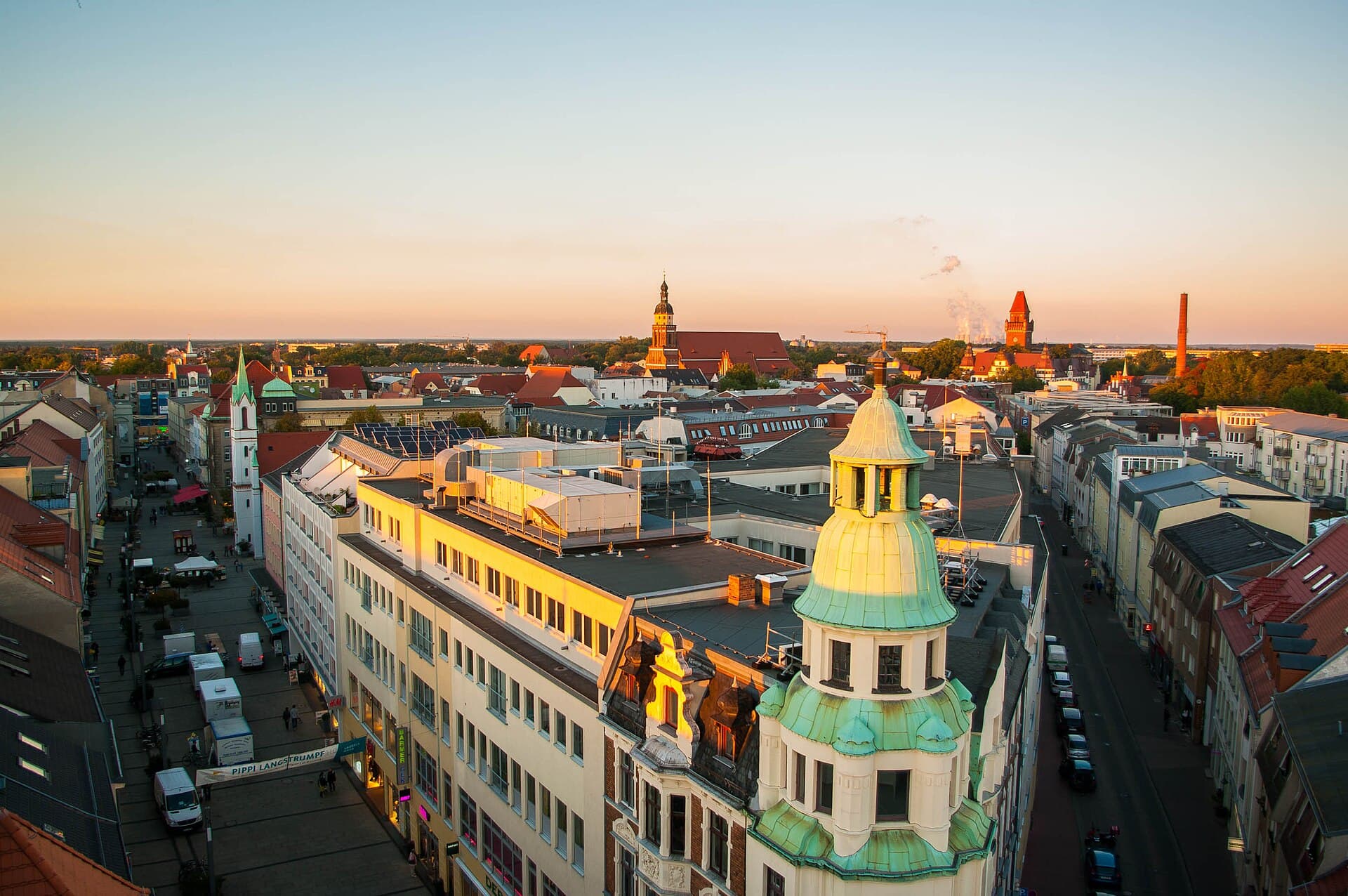
L'emblématique Spremberger Turm de la ville a un surnom qui fait allusion à un passé animé.
L'histoire complète se débloque dans le tour
 Teodor Bordeianu / CC BY-SA 3.0, via Wikimedia Commons
Visite audio autoguidée de Cottbus — parcours GPS à pied, lecture hors ligne, narration en 32 langues.
“Où l'esprit sorabe rencontre la grandeur prussienne sur la Spree”
Pas les cartes postales. Les histoires que même les habitants ignorent — soufflées à l'oreille, là où elles se sont passées.
L'emblématique Spremberger Turm de la ville a un surnom qui fait allusion à un passé animé.
Au milieu des paysages méticuleusement conçus du parc de Branitz, vous trouverez des structures résolument non-européennes.
Cottbus est sur le point d'accueillir un plan d'eau vraiment immense, avec une origine inhabituelle.
Découvrez tous les secrets de Cottbus
Chaque adresse, chaque révélation en entier — dans ton oreille, là où elle s'est passée.
Tu choisis tes lieux. Tu marches. La voix te révèle ce que les autres ignorent.
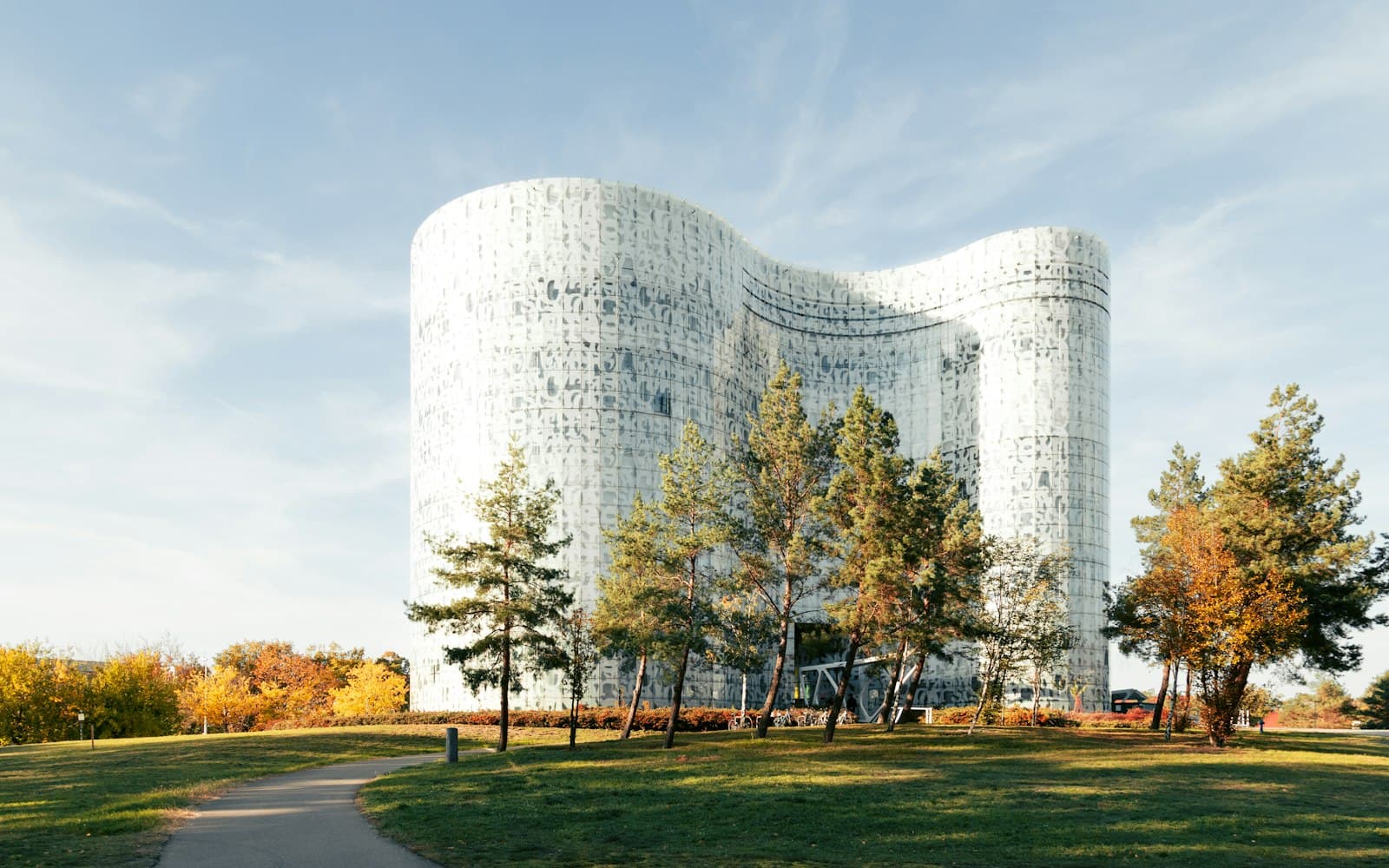
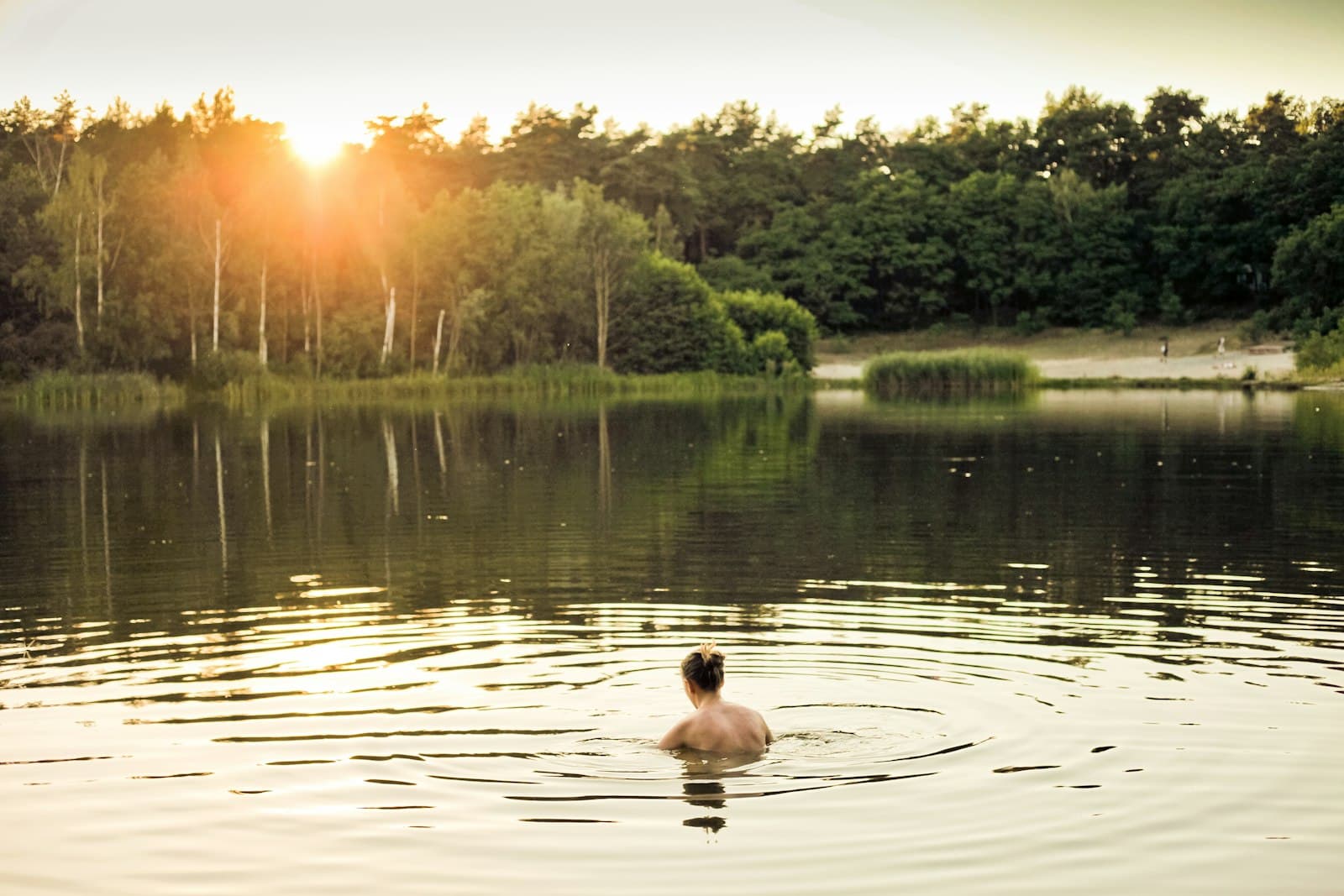
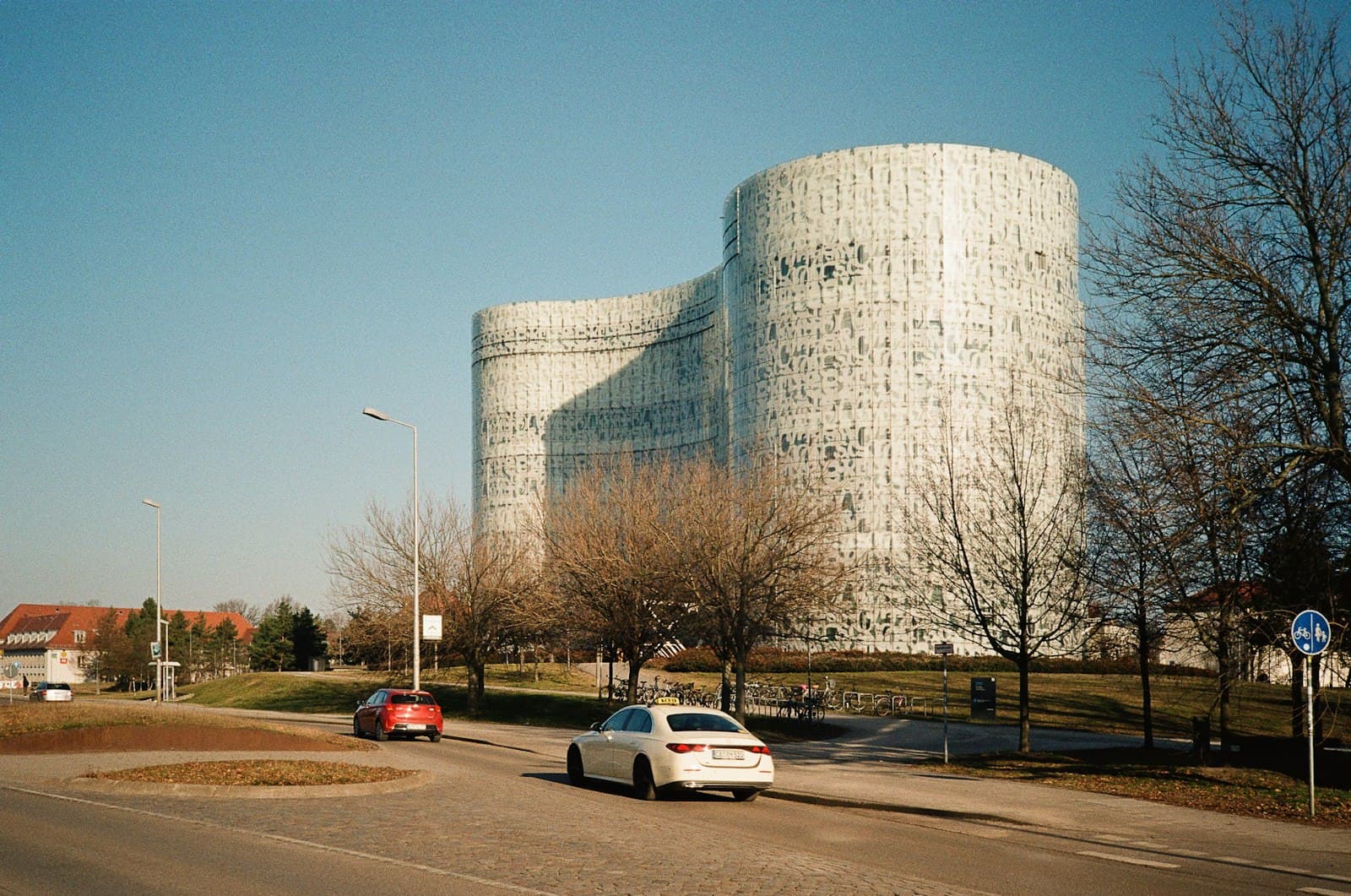
Votre visite audioguidée de Cottbus vous attend — choisissez vos lieux, votre langue, et lancez-vous dès votre arrivée.
AcheterLume intègre un guide en réalité augmentée. Levez votre téléphone : sa caméra montre la rue devant vous, avec une flèche lumineuse posée sur l'image réelle qui pointe toujours vers votre prochain arrêt — aucune carte à déchiffrer, aucun mauvais virage. Comme tout dans Lume, ça fonctionne entièrement hors-ligne.
Cottbus, connue en bas-sorabe sous le nom de Chóśebuz, est une ville de l'est de l'Allemagne qui offre un mélange captivant d'histoire, de culture et de nature. En tant que deuxième plus grande ville du Brandebourg, elle est un centre culturel et politique important pour les Sorabes, une minorité slave en Allemagne. Cet héritage bilingue est évident dans toute la ville, des panneaux de signalisation aux institutions locales.
Située sur la rivière Spree, Cottbus est souvent appelée la « ville des parcs » en raison de ses vastes espaces verts, notamment le parc de Branitz, de renommée internationale. Au-delà de sa beauté naturelle, Cottbus est une ville universitaire, abritant l'Université de technologie du Brandebourg (BTU) Cottbus-Senftenberg, contribuant à son atmosphère dynamique et progressiste. Le parcours de la ville, d'un poste de commerce médiéval à un centre moderne de science et d'écologie, en fait une destination fascinante pour ceux qui recherchent une expérience allemande authentique avec une touche slave distinctive.
## Origines médiévales et routes commerciales Cottbus tire ses origines du 10e siècle en tant que colonie slave établie par les Sorabes, qui ont construit un château sur une île sablonneuse de la rivière Spree. La première mention enregistrée du nom de la ville remonte à 1156. Au 13e siècle, des colons allemands sont arrivés, coexistant avec la population sorabe indigène, une coexistence qui est devenue une caractéristique déterminante de la région.
Au Moyen Âge, Cottbus a prospéré en tant que centre de production de laine, ses textiles étant exportés à travers le Brandebourg, la Bohême et la Saxe. L'emplacement stratégique de la ville sur la « Route du Sel », une route commerciale vitale reliant l'Allemagne centrale à la Silésie et à la Pologne, a encore alimenté sa croissance économique.
## Allégeances changeantes et préservation culturelle Cottbus a connu de nombreux changements de régime au cours des siècles, passant sous le contrôle de la Pologne, de la Bohême, de la Saxe et de la Prusse. En 1445, elle est devenue une enclave de la marche de Brandebourg, largement entourée de la Basse-Lusace bohémienne. L'engagement de la ville à préserver la culture sorabe était évident dès 1514 avec la création de l'Universitas Serborum, un gymnasium sorabe.
## Industrialisation et développement moderne Le 19e siècle a marqué une période d'industrialisation significative pour Cottbus, en particulier dans la production textile, conduisant à la prospérité économique et à la construction d'une architecture élaborée de l'ère Gründerzeit. La ville est également devenue un important carrefour ferroviaire. Le 20e siècle a apporté les défis de deux guerres mondiales et la division en tant que partie de l'Allemagne de l'Est. Après la réunification allemande en 1990, Cottbus a réémergé en tant que ville universitaire et capitale culturelle pour les Sorabes, préservant activement son patrimoine slave unique tout en embrassant son rôle de ville allemande moderne.
Commencez votre exploration sur l'Altmarkt (Place du Vieux Marché), le cœur historique de Cottbus. Cette place pavée animée est encadrée par des maisons de ville baroques et des façades néoclassiques des 18e et 19e siècles. De là, vous pouvez voir l'Oberkirche St. Nikolai, la plus grande église gothique tardive en briques de Basse-Lusace.
Une courte promenade mène à la Spremberger Turm, une tour de défense du 13e siècle qui faisait autrefois partie des fortifications médiévales de la ville. Vous pouvez monter la tour pour des vues panoramiques sur Cottbus. Un autre point fort architectural est le Staatstheater Cottbus, un chef-d'œuvre du design Jugendstil (Art Nouveau), considéré comme l'un des plus beaux théâtres d'Europe.
Pour une dose de nature et d'art paysager, visitez le Parc de Branitz. Conçu par le prince Hermann von Pückler-Muskau, ce vaste parc présente des lacs pittoresques, des sentiers sinueux et des pyramides de terre uniques. Dans l'enceinte du parc, vous trouverez le Château de Branitz, l'ancienne résidence du prince Pückler-Muskau. Le Zoo de Cottbus, situé dans les plaines inondables de la Spree, est également une attraction populaire, particulièrement connu pour sa collection d'oiseaux aquatiques et son programme d'élevage d'éléphants.
Pour vous plonger dans l'identité culturelle unique de la région, explorez le Musée Wendish, qui présente l'histoire et les traditions de la minorité sorabe. La Bibliothèque universitaire de l'Université de technologie du Brandebourg vaut également le détour pour son architecture contemporaine saisissante.
Les périodes les plus agréables pour visiter Cottbus sont la fin du printemps (mai à juin) et le début de l'automne (septembre à octobre). Pendant ces mois, le temps est doux, avec des températures maximales moyennes quotidiennes allant de 16°C à 25,7°C, et il y a moins de jours de pluie. L'été, de début juin à début septembre, offre également des températures chaudes propices aux activités de plein air, juillet étant le mois le plus chaud. Cependant, juillet connaît également les précipitations les plus élevées. Les hivers sont froids et humides, avec des températures souvent inférieures à zéro.
Cottbus est accessible en train depuis les grandes villes allemandes comme Berlin et Dresde. L'aéroport principal le plus proche est l'aéroport de Berlin Brandebourg (BER), à environ 88 km, avec des liaisons ferroviaires pratiques vers Cottbus. L'aéroport international de Dresde (DRS) est une autre option, à environ 80 km.
À Cottbus, les transports en commun, y compris les tramways et les bus exploités par Cottbusverkehr, facilitent les déplacements. Les billets peuvent être achetés aux distributeurs aux arrêts ou à bord, mais n'oubliez pas de les valider immédiatement après être monté. Bien que les cartes de crédit soient largement acceptées dans les hôtels, les restaurants et les grands magasins, il est conseillé d'avoir de l'argent liquide pour les petits établissements. La langue locale est l'allemand, mais l'anglais est couramment compris dans les zones touristiques. Cottbus est généralement considérée comme sûre pour les touristes, mais les précautions de sécurité standard sont toujours recommandées.
Cottbus en coréen, en chinois ou en hébreu — et dans 29 autres langues, chaque étape narrée par une voix native. La plus large gamme de langues de tous les audioguides autoguidés.
Disponible en :